

Applying moisturizer should leave your skin feeling soft, hydrated, and comfortable. But for people with sensitive, reactive, or eczema-prone skin, even a product labeled "gentle" can cause an uncomfortable burning or stinging sensation.
If you've ever applied moisturizer only to experience redness, tingling, or burning, you're not alone. Many people assume this reaction means their skin is simply too sensitive or that the product is working. However, burning when applying moisturizer is often a sign that something isn't right with your skin barrier or that your skin is reacting to an ingredient.
Understanding why your moisturizer burns is the first step toward finding skincare that actually supports your skin rather than making irritation worse.
Let's take a closer look at five common reasons your skin may sting after moisturizing and what you can do to help restore comfort and balance.
1. Your Skin Barrier Is Damaged or Compromised
One of the most common reasons moisturizer burns your face is a compromised skin barrier.
Your skin barrier, also known as the stratum corneum, is the outermost layer of your skin. Think of it as a protective shield that helps retain moisture while keeping environmental irritants, allergens, and harmful microorganisms from penetrating the skin.
A healthy skin barrier is made up of skin cells surrounded by a complex mixture of lipids, including ceramides, cholesterol, and fatty acids. These lipids help keep the skin strong, hydrated, and resilient.
When this protective barrier becomes disrupted, moisture escapes more easily through a process known as transepidermal water loss (TEWL). At the same time, irritants can penetrate more readily, triggering inflammation and sensitivity.
This is why even products you've used for years without a problem may suddenly cause stinging or burning.
Common signs of a damaged skin barrier include:
-
Burning or stinging when applying skincare products
-
Persistent dryness or tightness, even after moisturizing
-
Redness and inflammation
-
Flaking, peeling, or rough patches
-
Increased sensitivity to products that were previously well tolerated
-
Itching or discomfort after cleansing
A compromised skin barrier is especially common in people with eczema, rosacea, and chronically dry or sensitive skin.
The solution isn't necessarily to stop moisturizing. It's to identify what's causing the irritation and choose products that help replenish moisture and support the skin's natural protective barrier.
2. Your Moisturizer Contains Irritating Ingredients
Not all moisturizers are created equal, especially when it comes to sensitive skin.
Many conventional skincare products contain long lists of ingredients, including fragrances, preservatives, essential oils, and active ingredients. While these serve different purposes in a formulation, some can cause irritation or allergic reactions in susceptible individuals.
Fragrance is one of the most common triggers for cosmetic-related contact dermatitis. Both synthetic fragrances and naturally derived essential oils can cause problems for sensitive or eczema-prone skin.
Other ingredients that may contribute to burning or stinging include:
-
Fragrance and essential oils: Common triggers for irritation and allergic contact dermatitis.
-
Denatured alcohol: Can increase dryness and irritation in certain formulations, particularly when the skin barrier is already compromised.
-
Exfoliating acids: Glycolic acid, lactic acid, and salicylic acid can cause stinging, especially on inflamed or over-exfoliated skin.
-
Retinoids: Beneficial for certain skin concerns, but they can temporarily increase dryness, peeling, and sensitivity.
-
Certain preservatives: Although preservatives are important for product safety, some individuals develop sensitivities or allergies to specific preservatives.
It's important to remember that an ingredient isn't automatically harmful simply because it's synthetic, just as a natural ingredient isn't automatically gentle.
For sensitive skin, the overall formulation matters.
Choosing a fragrance-free moisturizer for sensitive skin with thoughtfully selected ingredients can help minimize unnecessary exposure to potential irritants.
If your skin consistently burns after applying a particular moisturizer, discontinue use rather than trying to push through the discomfort. Burning isn't something your skin should have to tolerate.
3. Your Skin Is Dehydrated and Losing Moisture
Dry skin and dehydrated skin are often used interchangeably, but they're not exactly the same thing.
Dry skin typically lacks sufficient natural oils, while dehydrated skin lacks adequate water.
You can have oily skin that's dehydrated, dry skin that's dehydrated, or a combination of both.
Why does this matter?
Because hydration and moisturization work together, but they serve different functions.
Hydrating ingredients, known as humectants, attract and bind water within the outer layers of the skin. Examples include glycerin, hyaluronic acid, and aloe vera.
Moisturizing ingredients such as squalane, plant oils, and shea butter help soften the skin and support its protective lipid barrier. More occlusive ingredients help slow moisture loss.
When the skin is dehydrated and its barrier is compromised, it becomes more vulnerable to irritation. Applying a moisturizer may temporarily soften the surface without fully addressing the underlying water loss.
This can leave your skin feeling tight, uncomfortable, and sensitive shortly after application.
However, dehydration alone doesn't explain every burning sensation. If a hydrating product stings, it may be due to existing inflammation or sensitivity to an ingredient.
For skin that tolerates layering, a simple approach can be especially helpful:
-
Replenish hydration: Apply a gentle, fragrance-free hydrating serum containing humectants such as glycerin or hyaluronic acid.
-
Seal in moisture: Follow with a well-tolerated oil-based moisturizer, balm, or cream to help reduce water loss.
-
Stay consistent: Regular moisturizing supports the skin barrier and helps improve long-term comfort.
The goal isn't to overload your skin with more products. It's to provide the hydration and moisture your skin needs without introducing unnecessary irritants.
4. You're Overusing Active Ingredients or Cleansing Too Aggressively
Sometimes the problem isn't your moisturizer at all. It's what you're doing to your skin before applying it.
The popularity of exfoliating acids, retinol, vitamin C, and multi-step skincare routines has led many people to believe that more products automatically mean better results.
Unfortunately, this isn't always the case.
Over-exfoliating, using too many active ingredients, or washing your face with harsh cleansers can disrupt the skin's protective barrier.
When the outermost layer of skin becomes irritated, products that would normally feel comfortable may suddenly cause burning.
Common skincare habits that contribute to barrier damage include:
-
Exfoliating too frequently
-
Combining multiple strong active ingredients
-
Washing your face with hot water
-
Using harsh, stripping cleansers
-
Scrubbing with abrasive tools or facial brushes
-
Introducing several new skincare products at once
-
Cleansing too often
Even excessive washing can remove protective surface lipids, increasing dryness and sensitivity.
If your moisturizer suddenly starts burning after you've introduced a new exfoliant or retinol product, your skin may be telling you that it's overwhelmed.
Sometimes the best thing you can do for sensitive skin is simplify your routine.
Temporarily discontinue irritating exfoliants and other nonessential active ingredients. Use a mild cleanser, lukewarm water, and a simple moisturizer your skin tolerates.
Give your skin time to recover before slowly reintroducing products, one at a time.
Healthy skin doesn't require an elaborate routine. It requires consistency and ingredients that work with your skin rather than against it.
5. An Underlying Skin Condition May Be Causing the Burning
If your skin burns every time you apply moisturizer, even when using a gentle formula, an underlying skin condition may be contributing to the reaction.
Several common skin conditions affect barrier function and increase sensitivity.
Eczema (Atopic Dermatitis)
Eczema is a chronic inflammatory skin condition characterized by dryness, itching, and a weakened skin barrier.
People with eczema often experience increased transepidermal water loss, making their skin more vulnerable to irritants and allergens.
During an eczema flare-up, the skin may become so inflamed that even water or a normally well-tolerated moisturizer causes stinging.
Consistent moisturizing is an important part of eczema management, but choosing a product that doesn't aggravate already inflamed skin is essential.
Rosacea
Rosacea is another common cause of facial burning and sensitivity.
People with rosacea may experience persistent redness, flushing, warmth, and stinging when applying skincare products.
Certain ingredients, temperature changes, and environmental factors can worsen symptoms.
A gentle, fragrance-free skincare routine can help reduce unnecessary irritation, although rosacea may also require medical treatment.
Contact Dermatitis
Contact dermatitis occurs when the skin reacts to an irritating substance or develops an allergic response to an ingredient.
Irritant contact dermatitis can cause burning, dryness, and redness, sometimes shortly after exposure.
Allergic contact dermatitis involves an immune response and may develop after repeated exposure to an ingredient that was previously tolerated.
If you notice persistent redness, itching, swelling, or a rash after using skincare, a dermatologist can help identify the cause. Patch testing may be recommended when an allergy is suspected.
Understanding the underlying condition is important because not every burning sensation can be resolved simply by switching moisturizers.
How to Stop Your Moisturizer From Burning Your Skin
If your skincare routine has become uncomfortable, the first step is to reduce irritation and focus on supporting your skin barrier.
Here are a few simple changes that can make a difference.
Choose Fragrance-Free Skincare
Fragrance-free products are generally a better starting point for sensitive, reactive, and eczema-prone skin.
Be cautious with products labeled "unscented," as they may still contain masking fragrances.
Also remember that essential oils are fragrant ingredients, even though they're naturally derived.
Keep Your Routine Simple
More isn't always better.
A gentle cleanser, hydrating product, and a moisturizer may be all your skin needs.
Avoid introducing multiple products simultaneously, especially when your skin is already irritated. Always patch test new products. Apply a small amount of the new product to the inside of the forearm and wait 24 hours to see if there’s a reaction. If the product is for your face, apply a small amount of product to a discreet spot on the face.
Focus on Barrier-Supporting Ingredients
Look for ingredients that help replenish moisture and support the skin's natural protective functions.
Some beneficial options include:
-
Glycerin: A humectant that attracts and retains water.
-
Hyaluronic acid: Helps bind water within the outer layers of skin.
-
Squalane: A lightweight emollient that softens skin and helps support moisture retention.
-
Sunflower seed oil: Rich in fatty acids that can help support the skin barrier.
-
Shea butter: An emollient that helps soften and protect dry skin.
Remember that even beneficial ingredients can occasionally cause reactions. Individual skin tolerance always matters.
Avoid Hot Water and Harsh Cleansing
Hot showers and aggressive cleansing can worsen dryness and irritation.
Use lukewarm water, avoid scrubbing, and gently pat your skin dry.
Applying a well-tolerated moisturizer shortly after bathing can help reduce moisture loss.
Don't Ignore Persistent Burning
A brief, mild sensation and persistent burning aren't the same thing.
If a product causes significant stinging, wash it off gently and stop using it. Don't continue applying something that repeatedly irritates your skin.
Seek medical guidance if burning persists, your skin becomes increasingly inflamed, or you develop cracking, oozing, swelling, or a spreading rash. Severe swelling or difficulty breathing requires urgent medical attention.
Gentle, Barrier-Supporting Skincare From Abby Rose
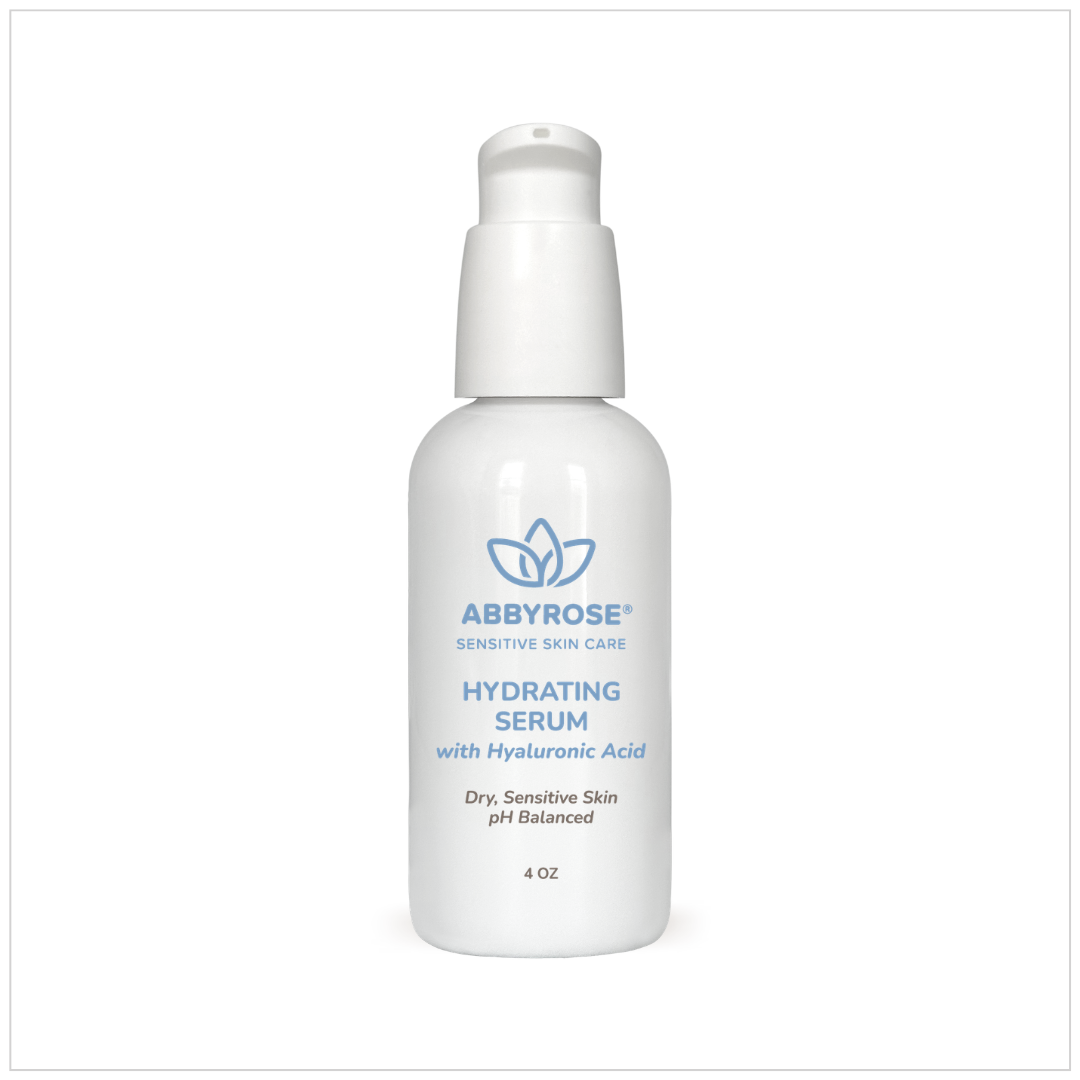
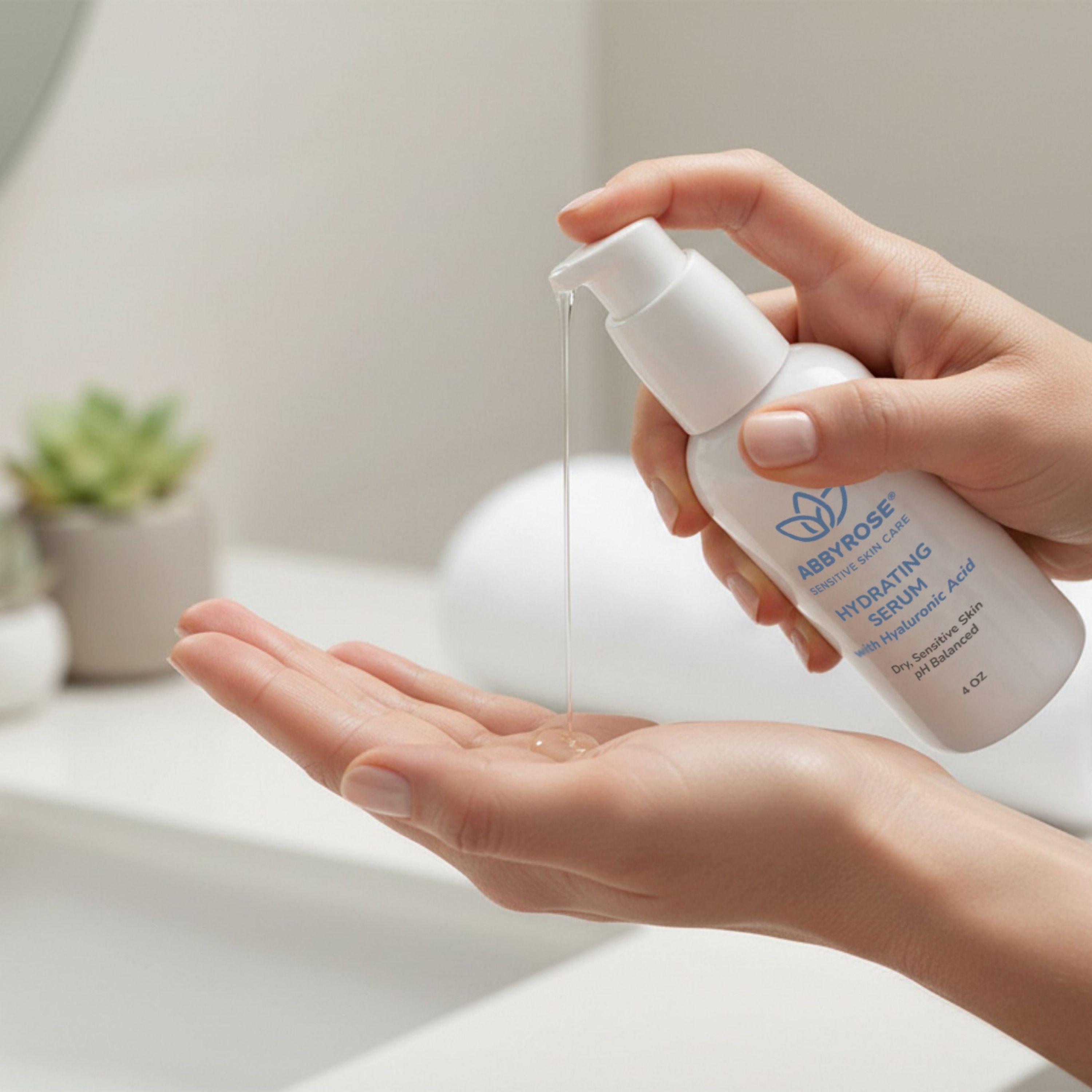
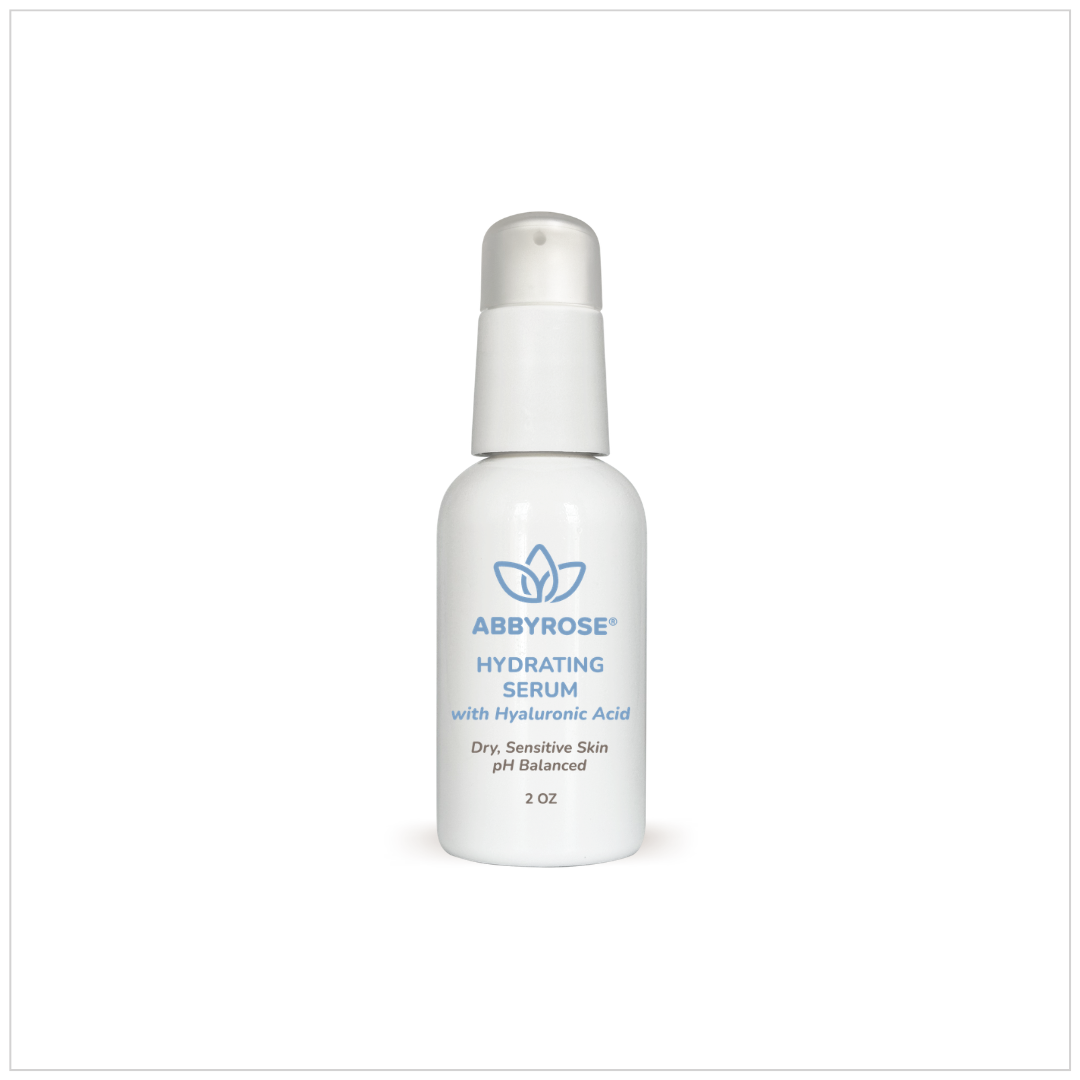
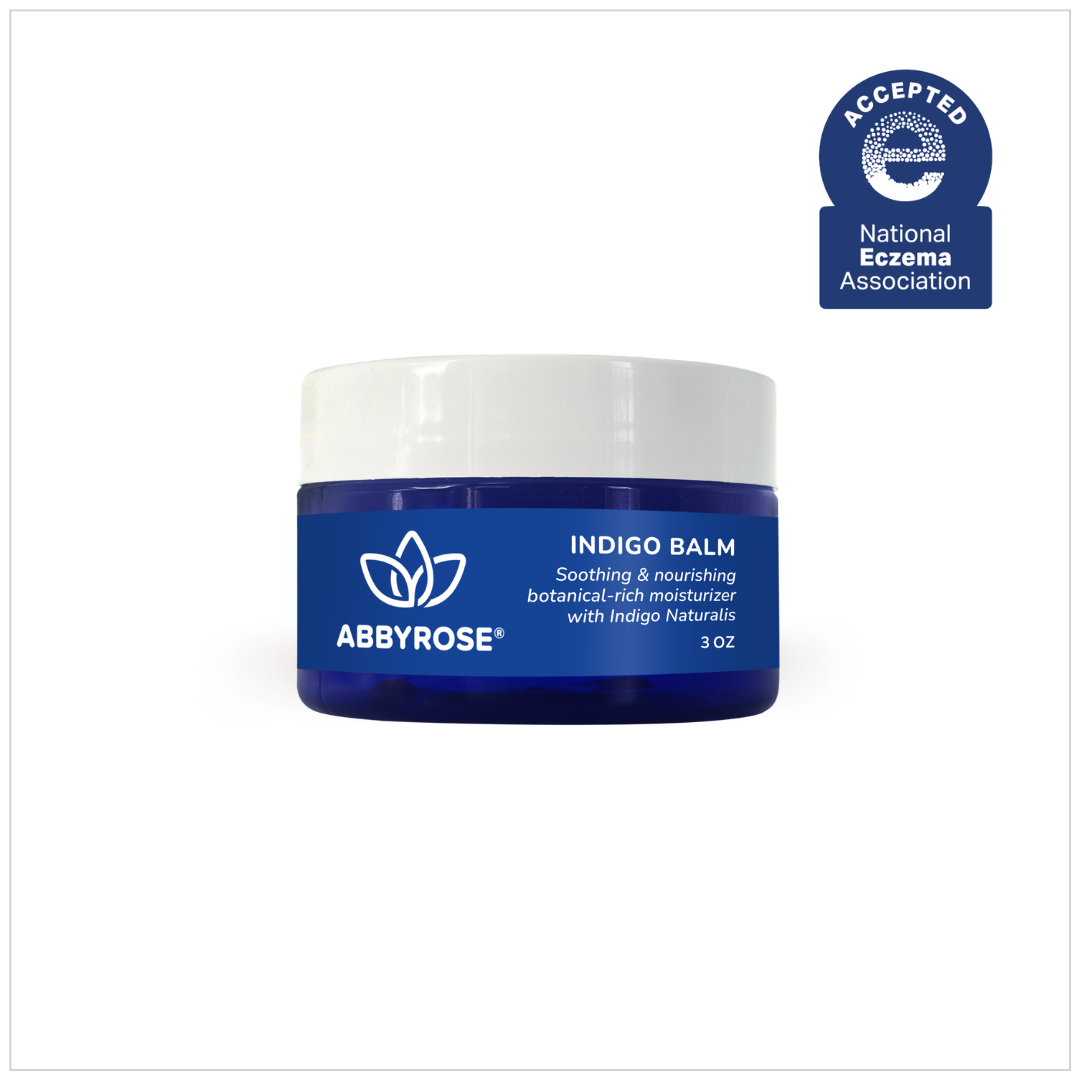
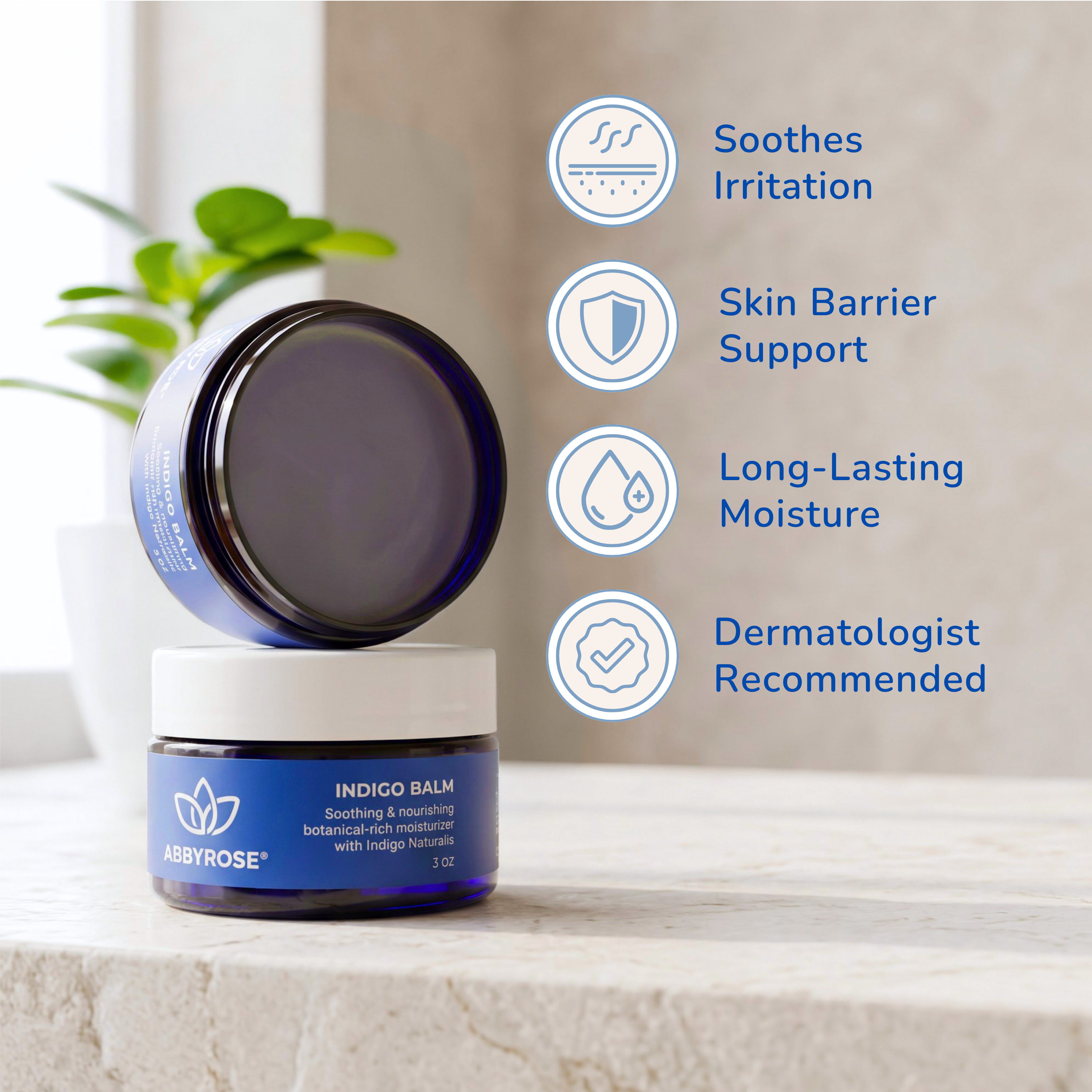
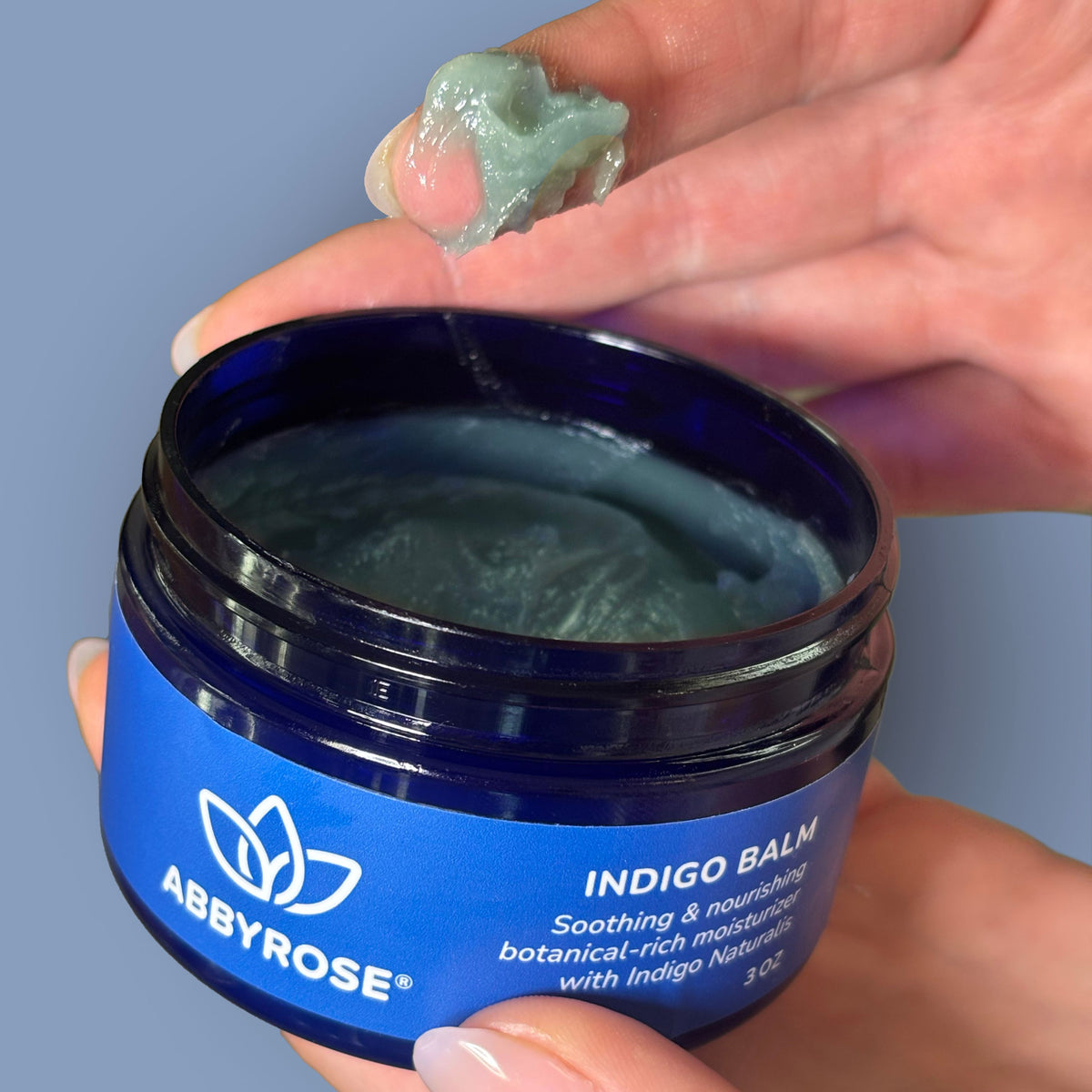
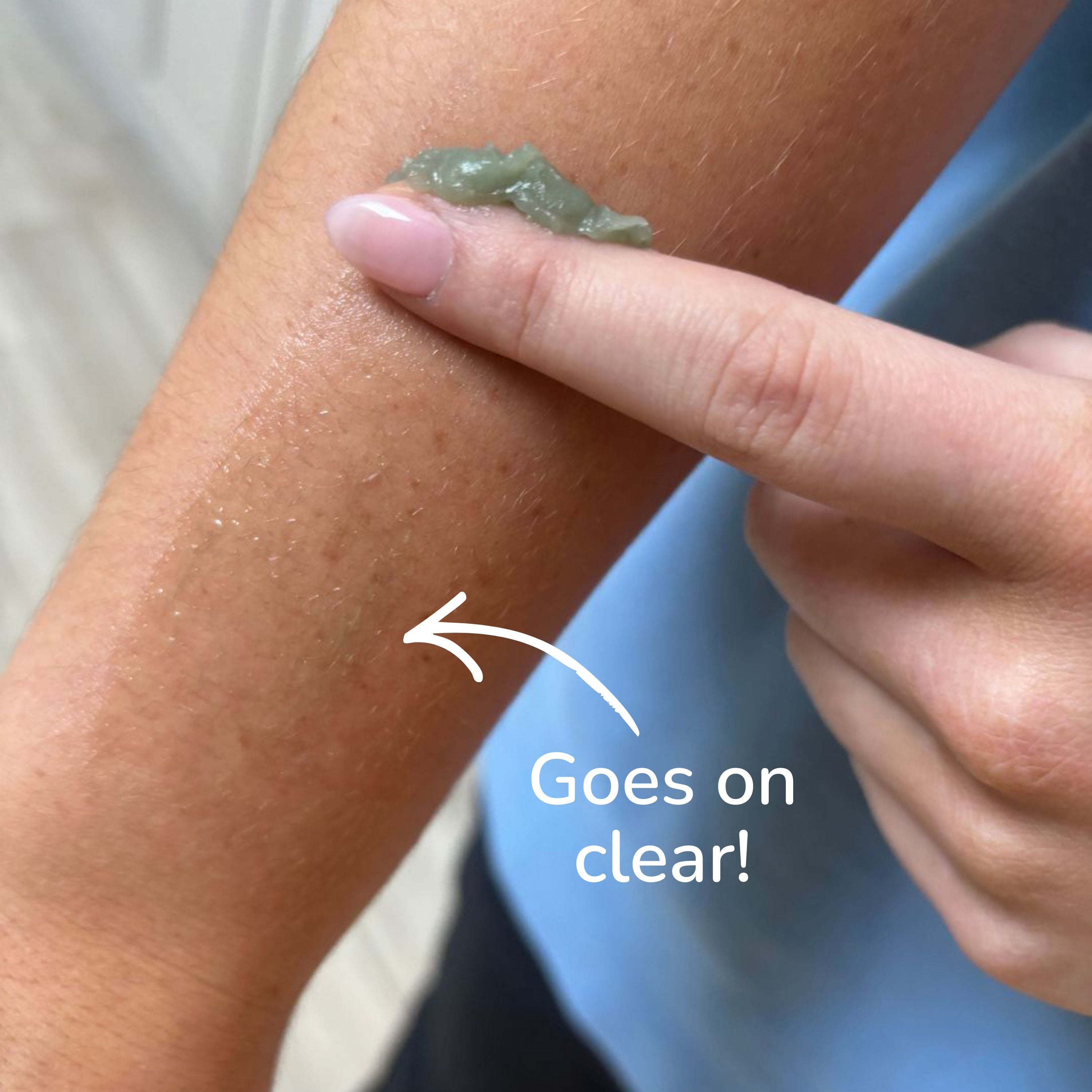
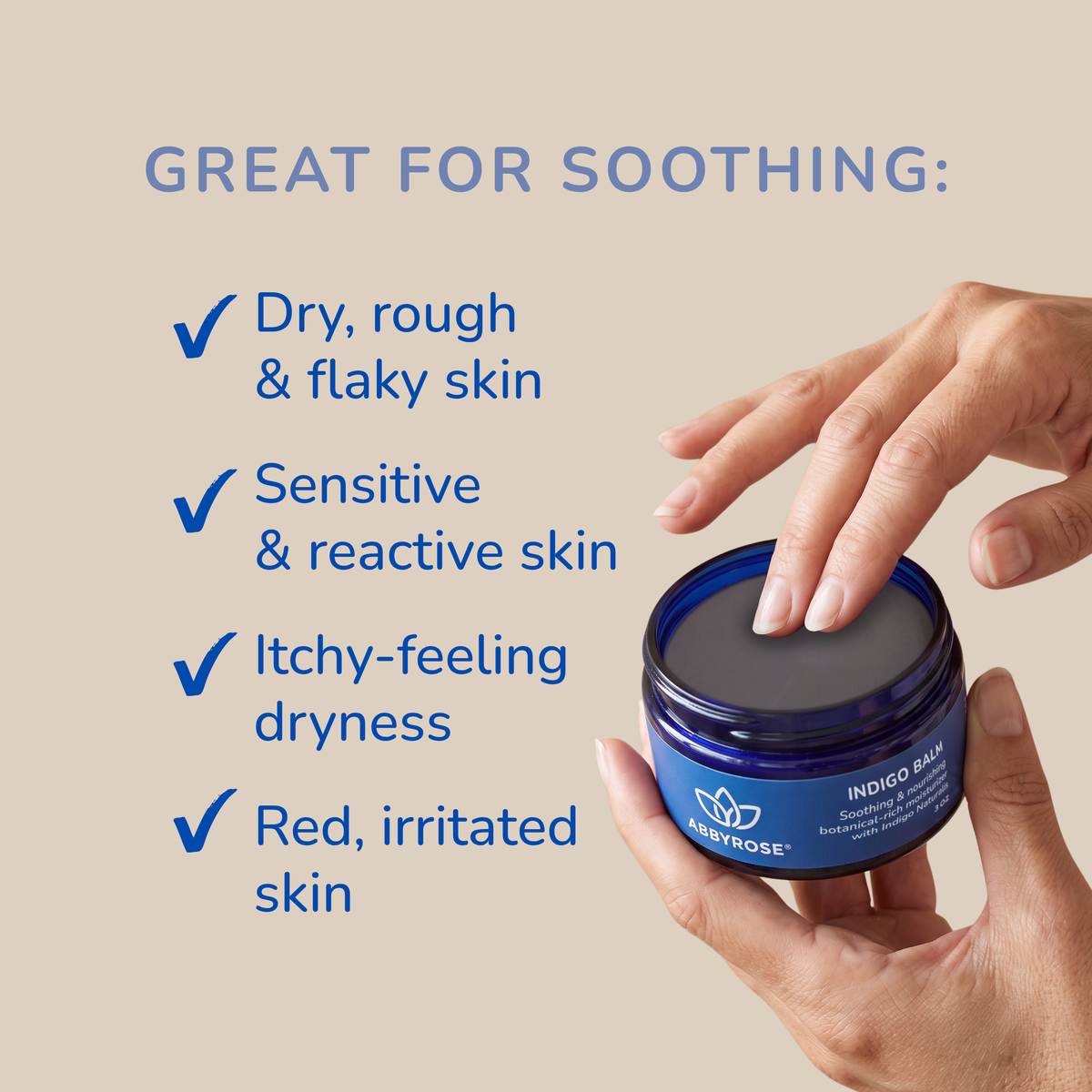
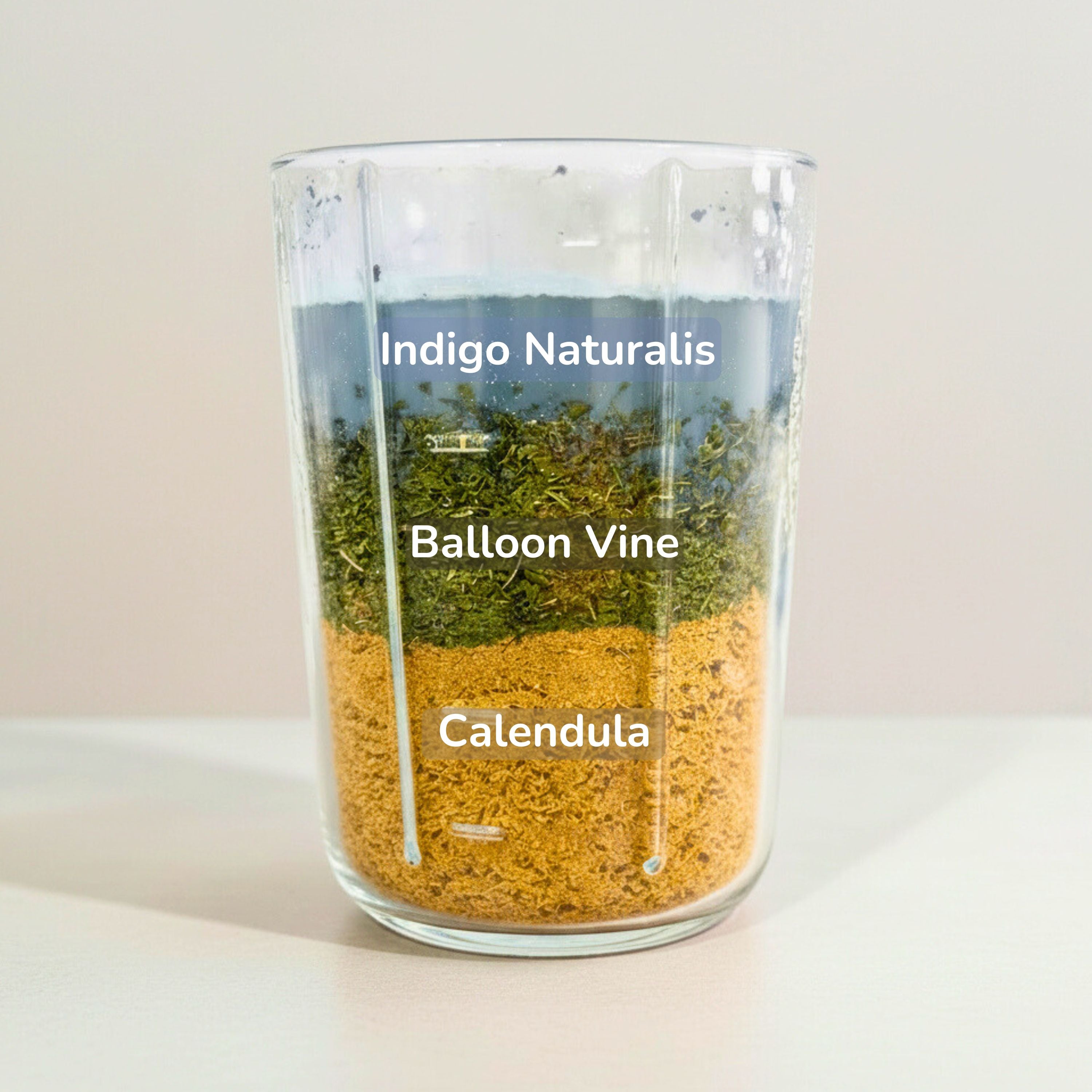
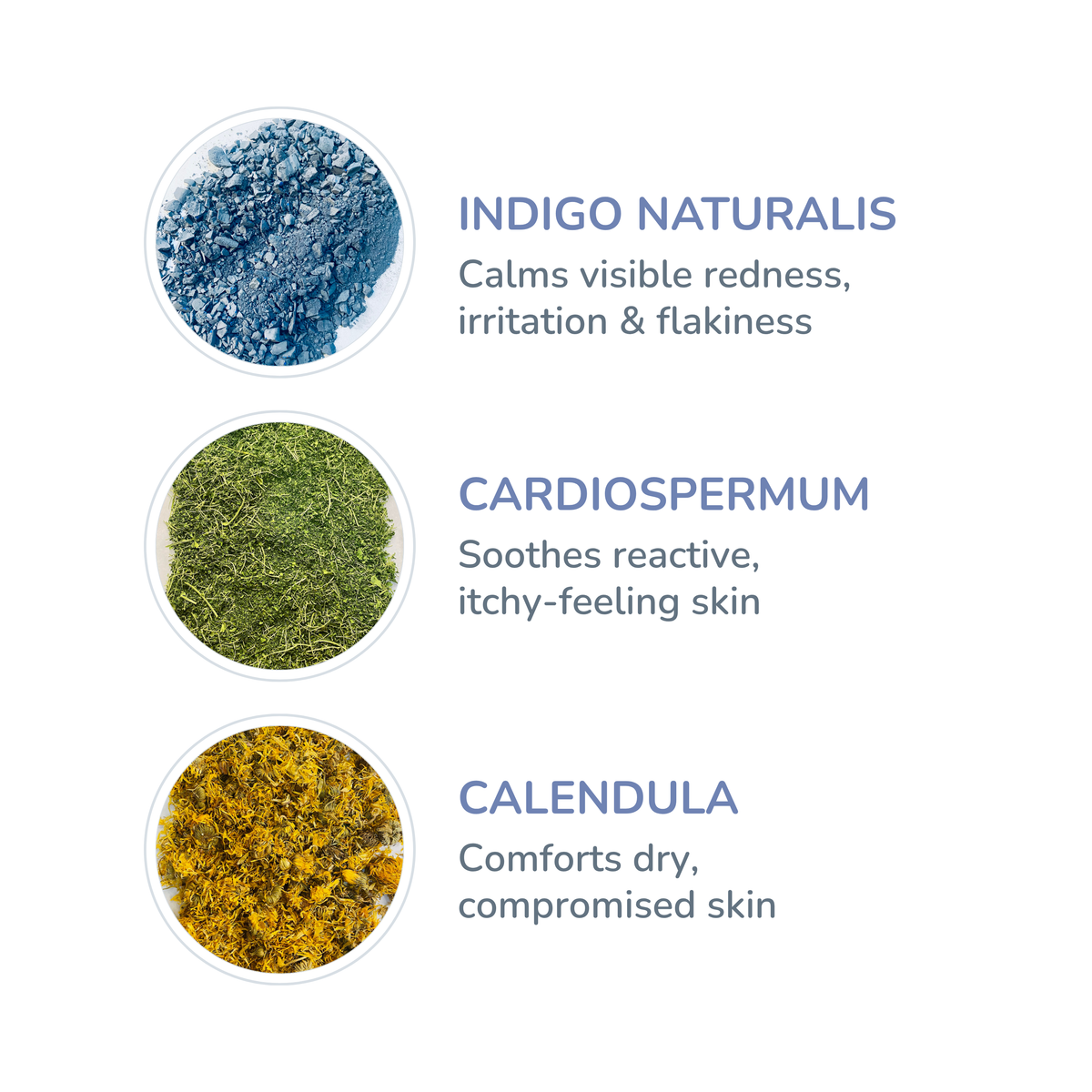
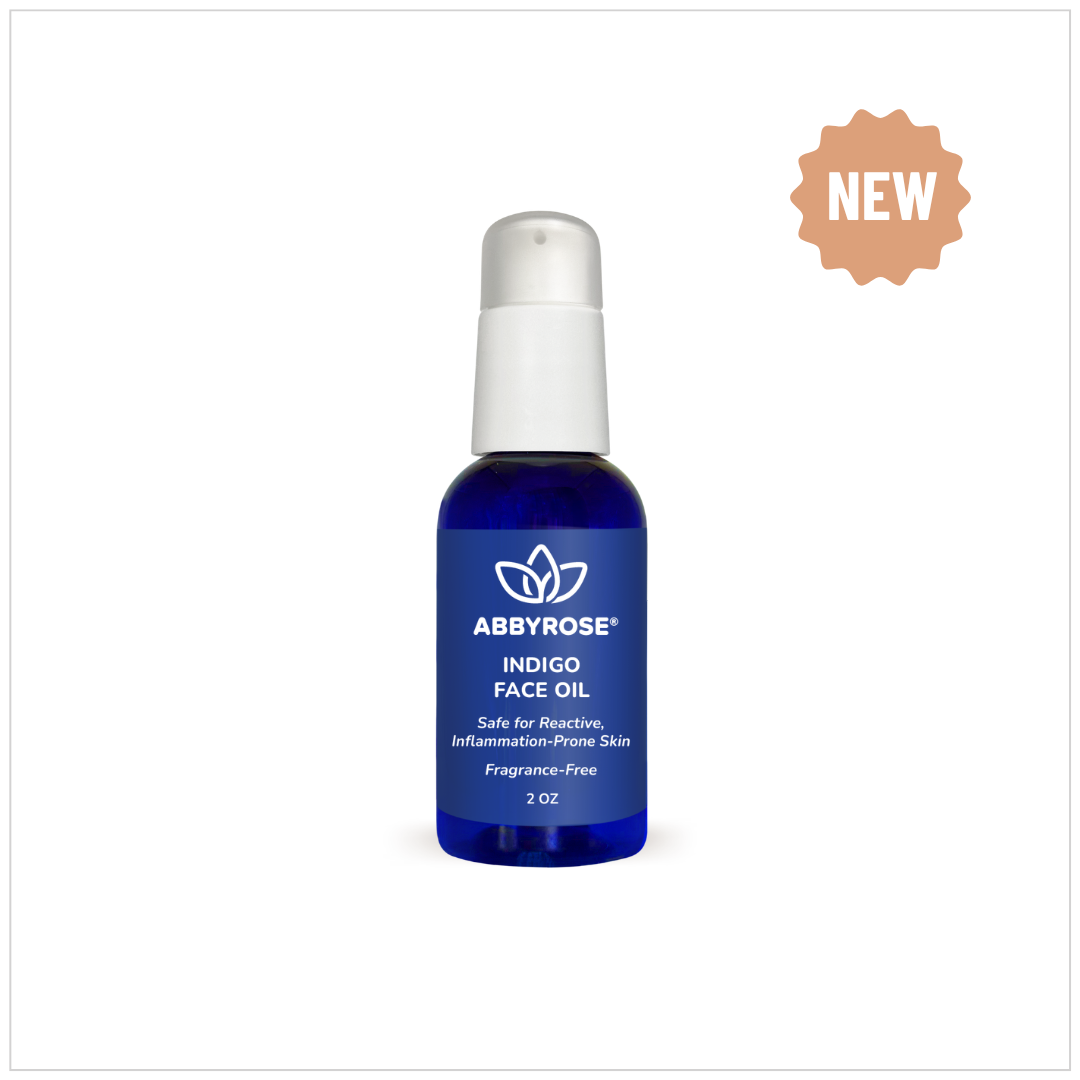
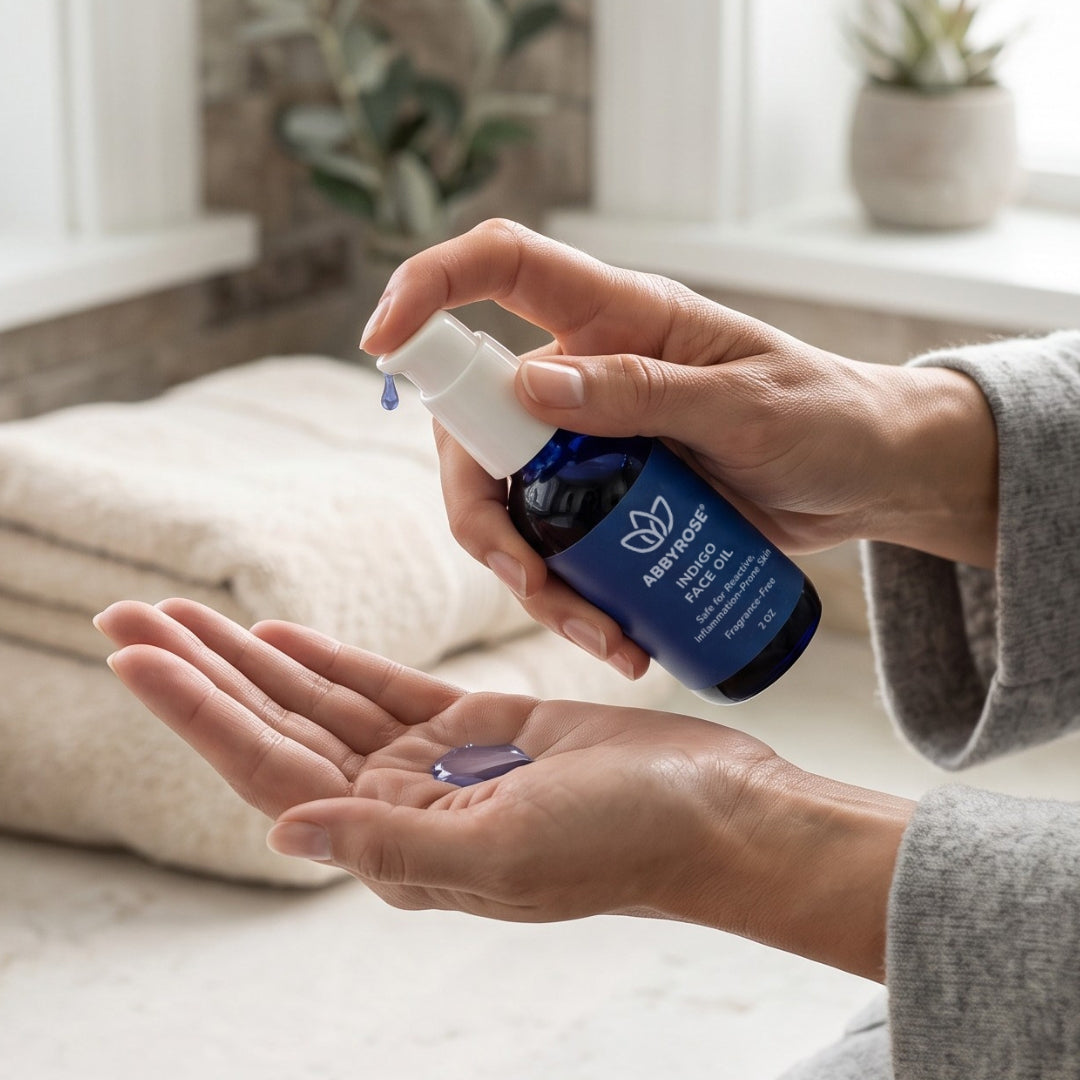
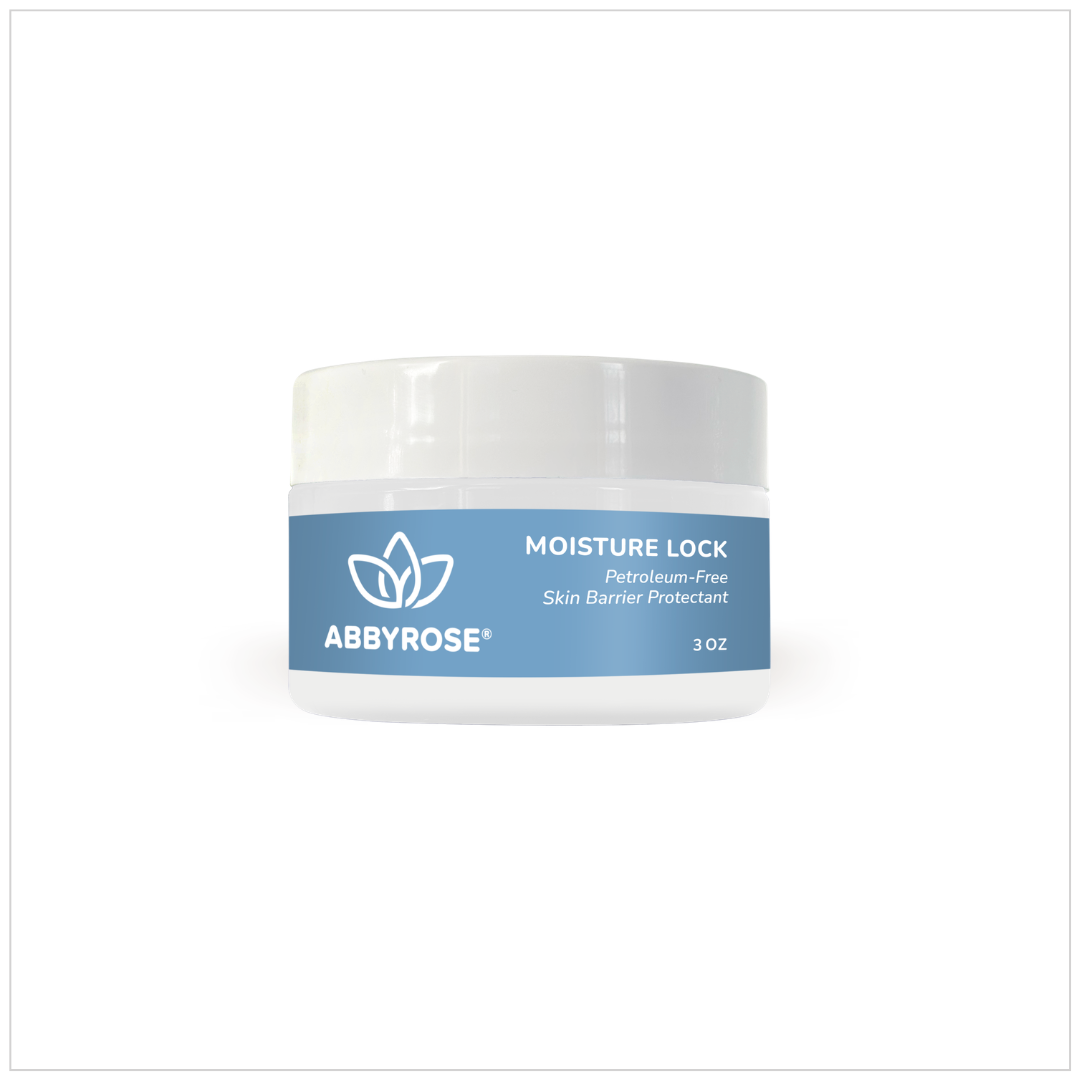
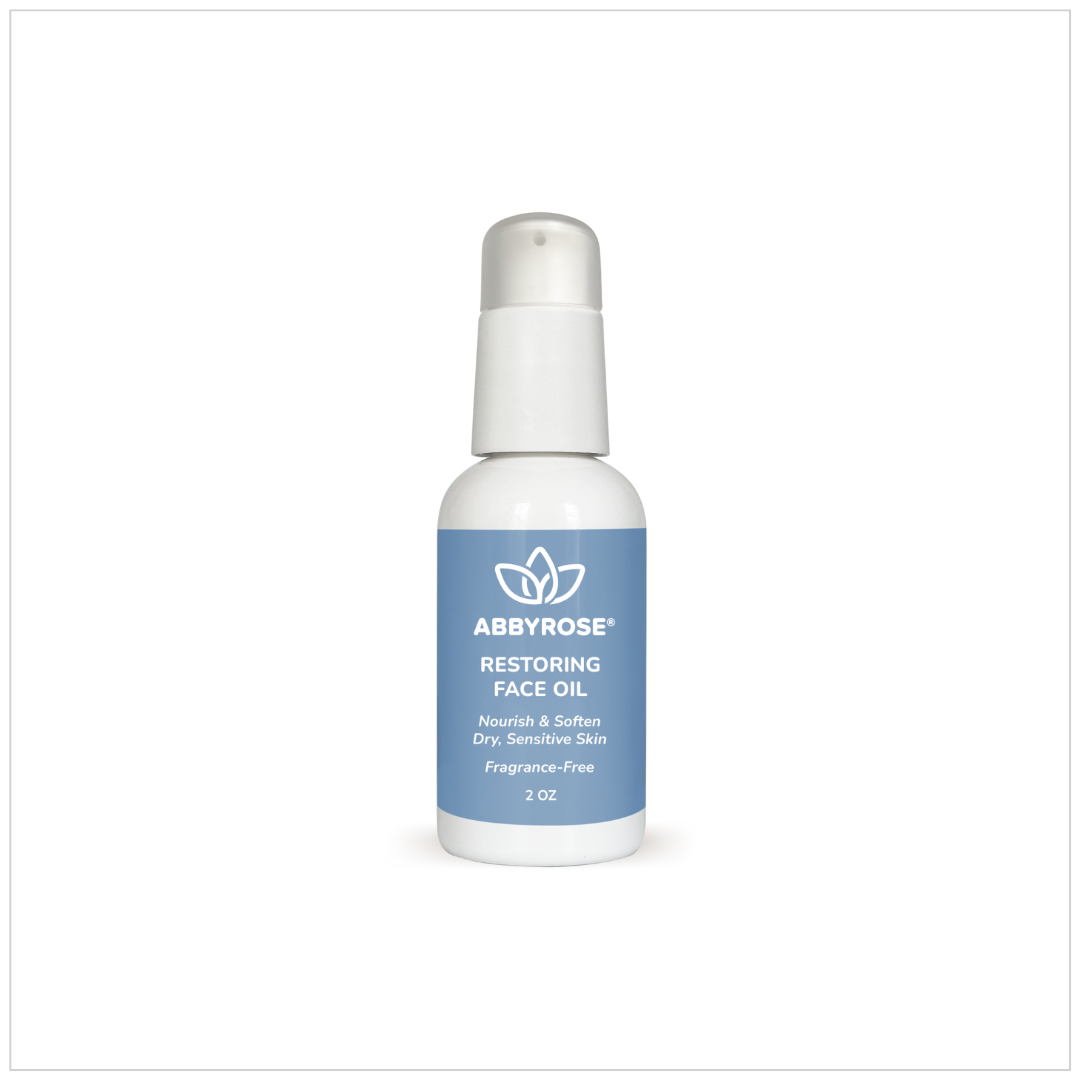
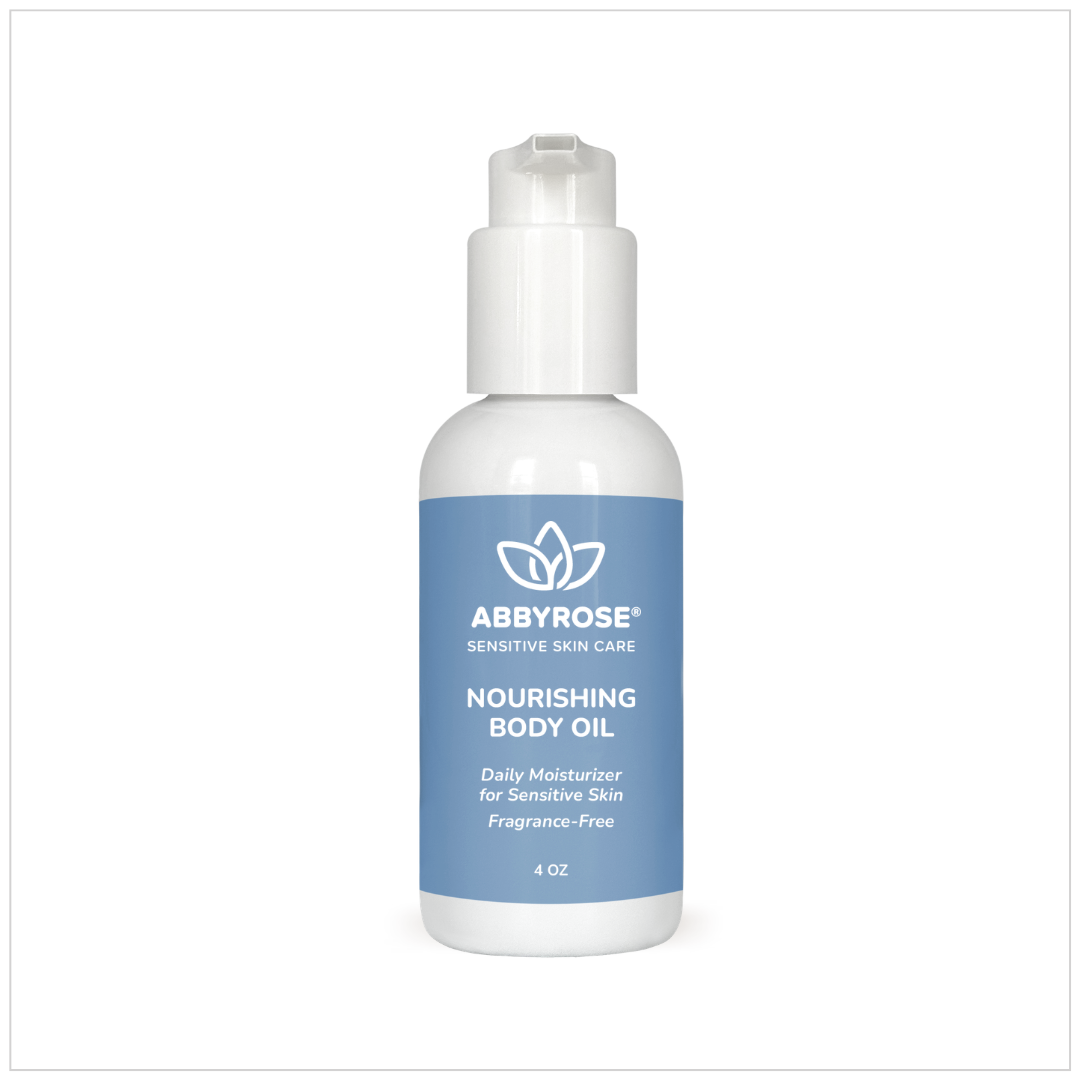
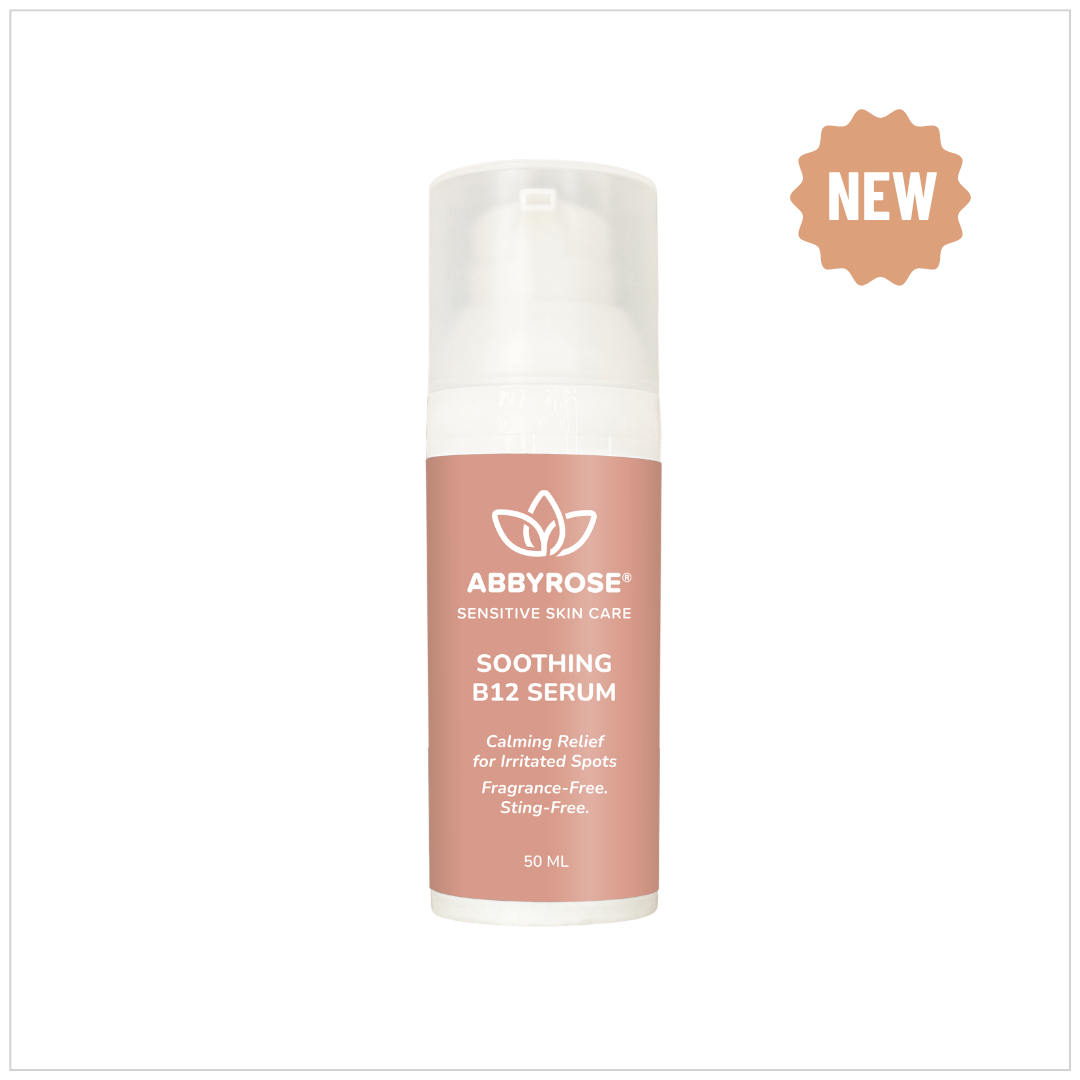
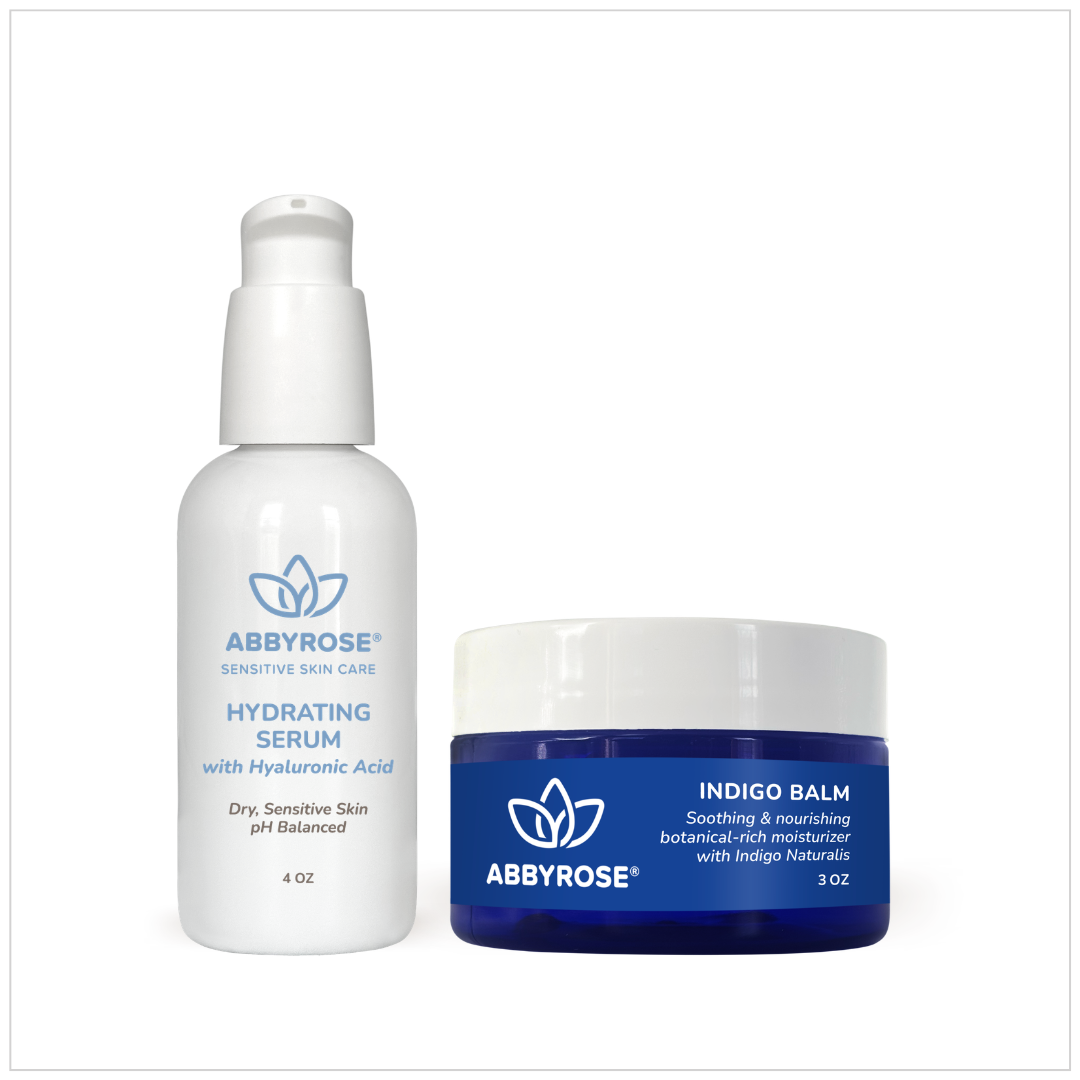
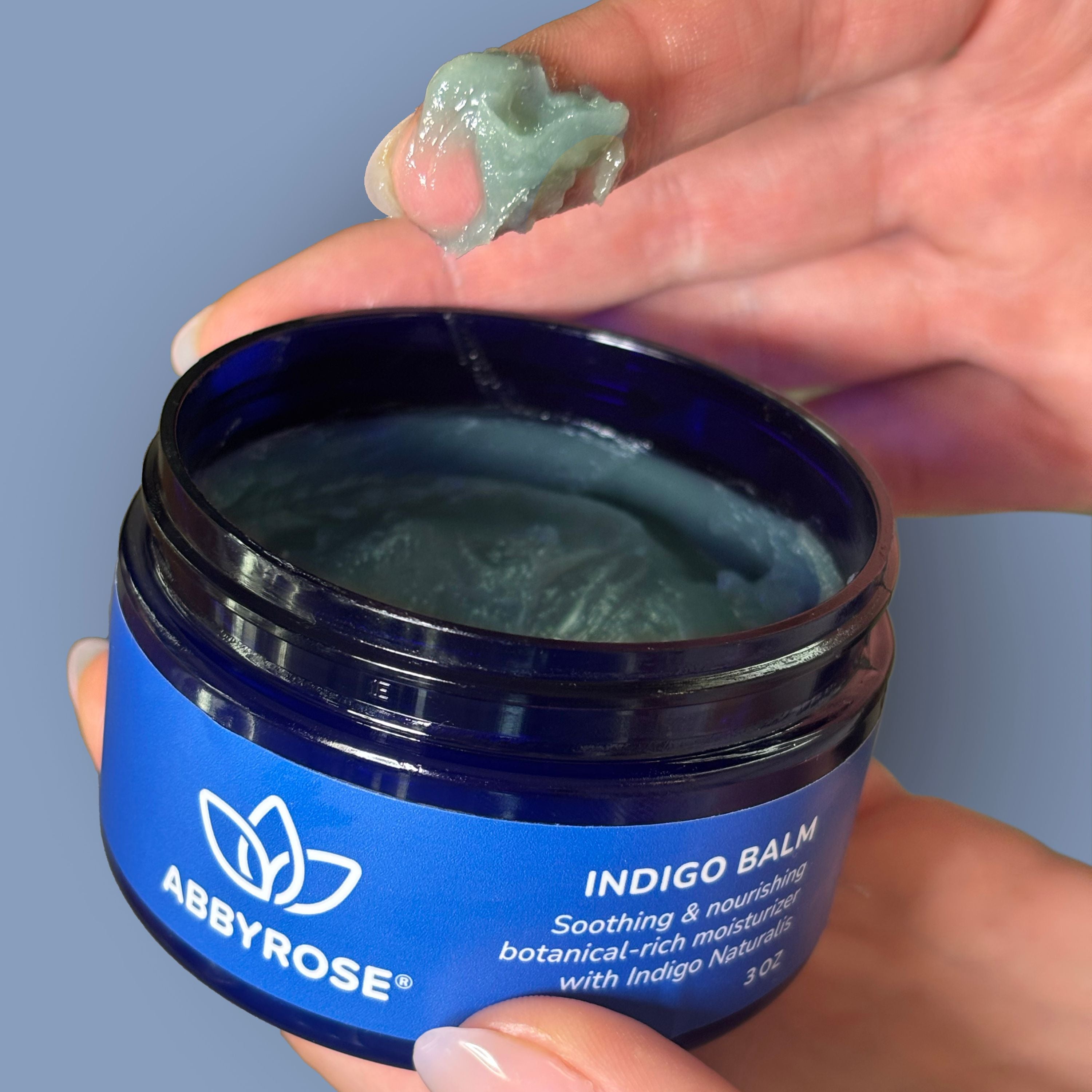
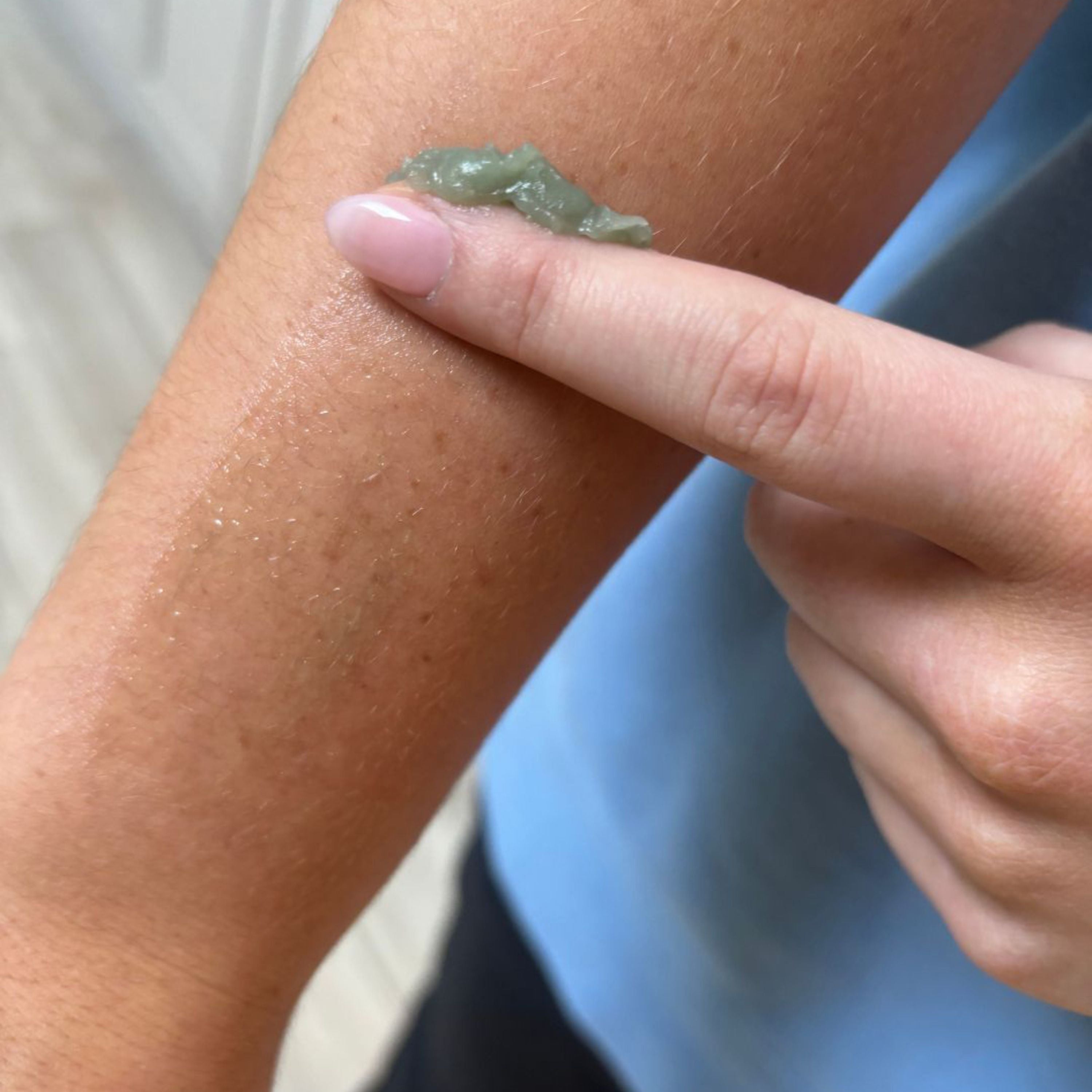
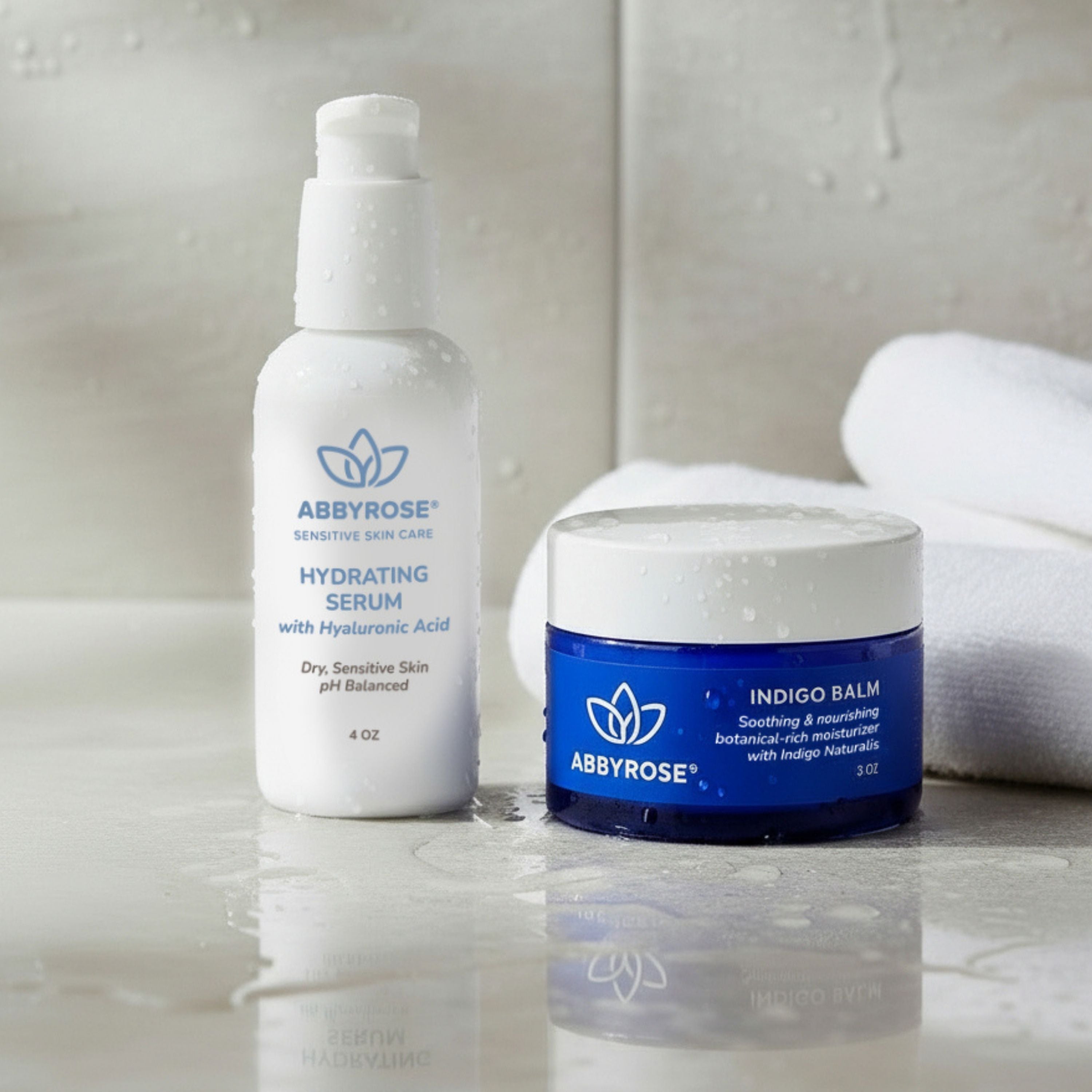
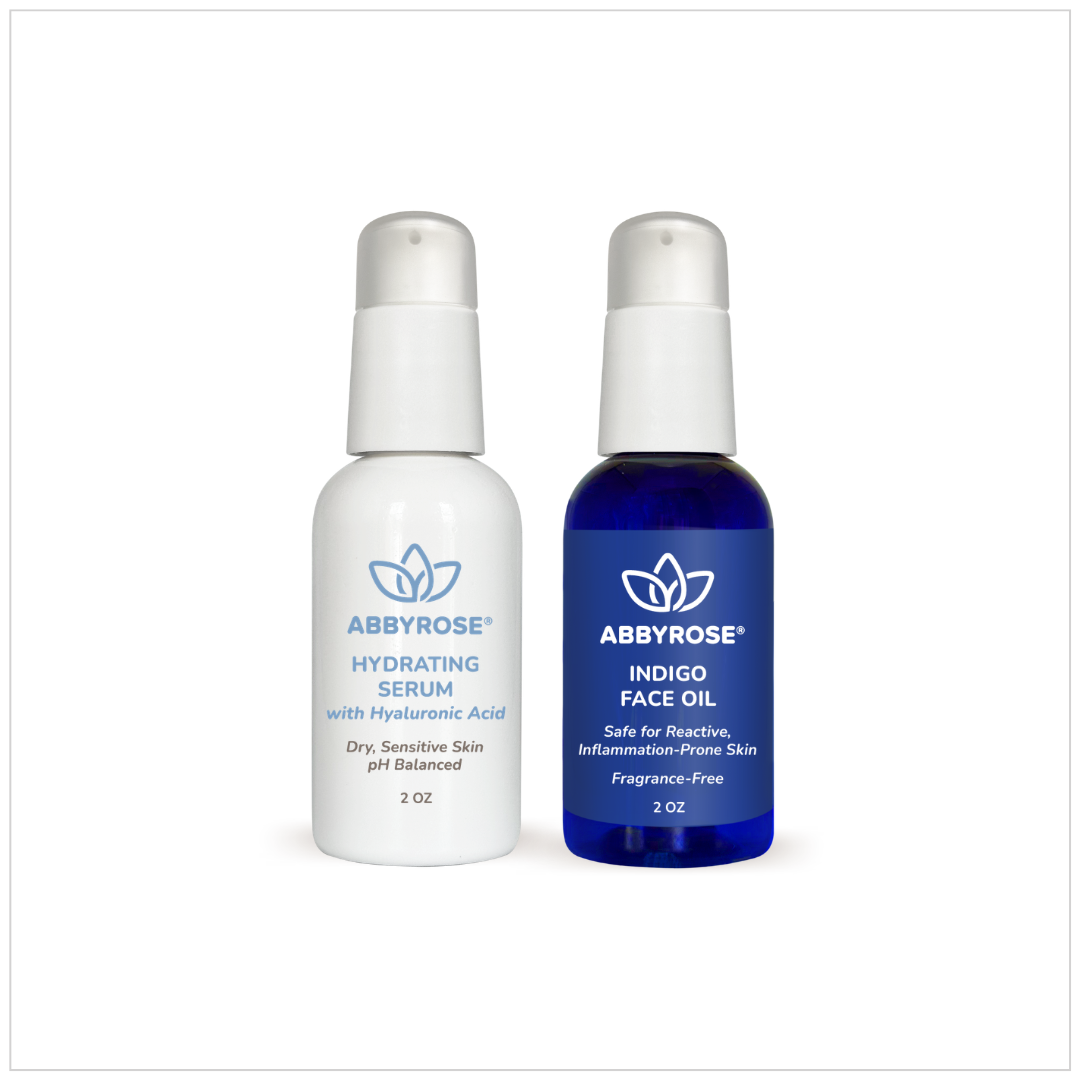
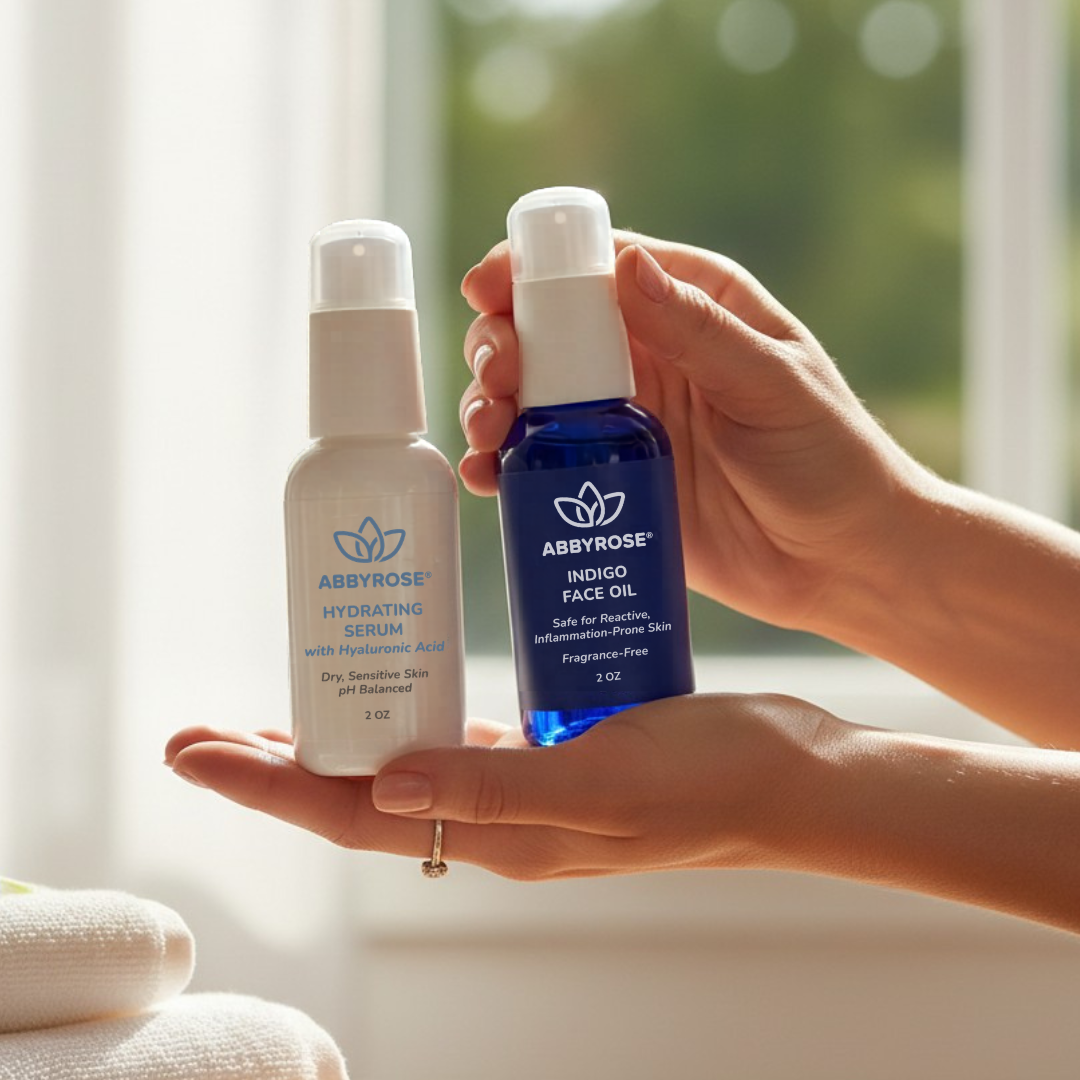
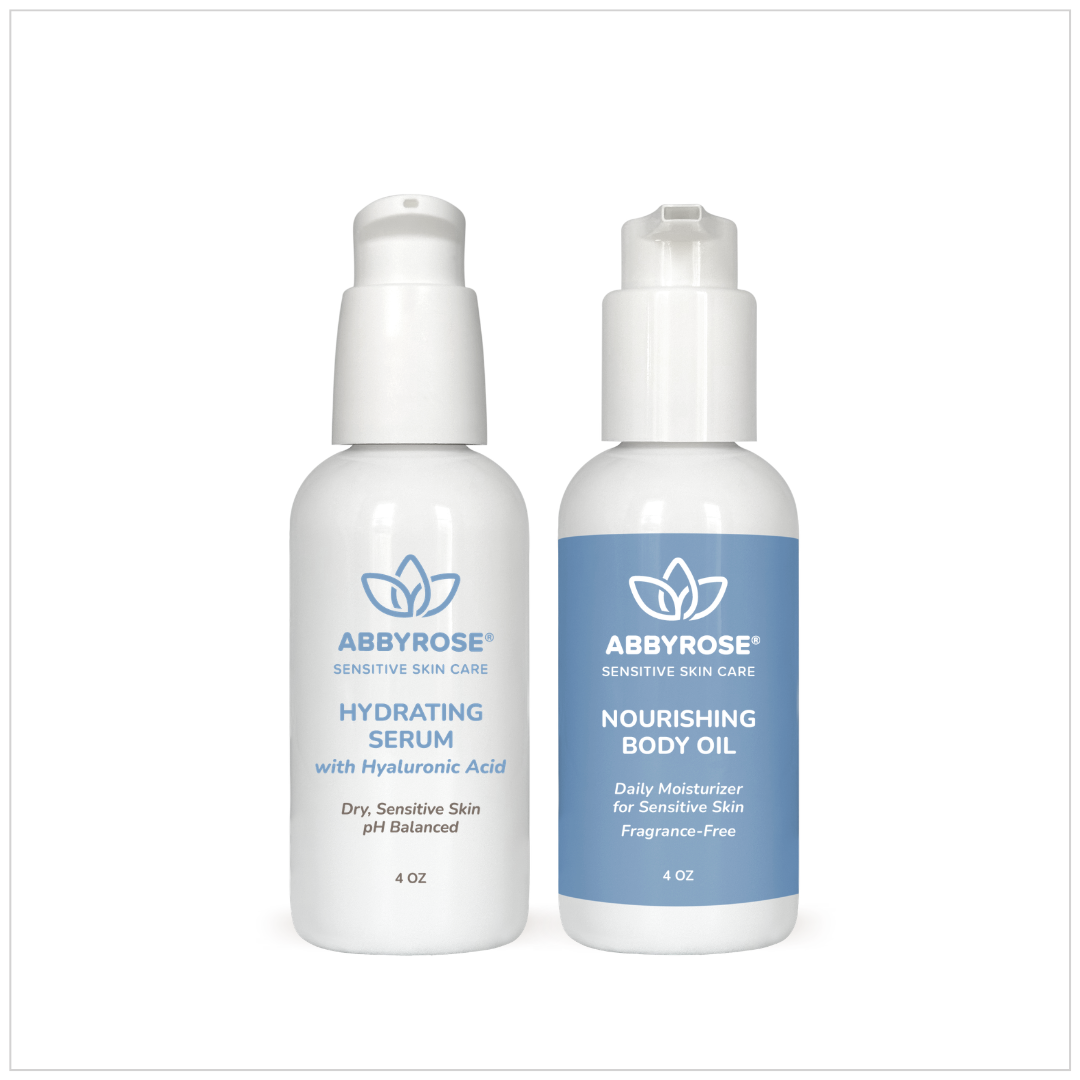
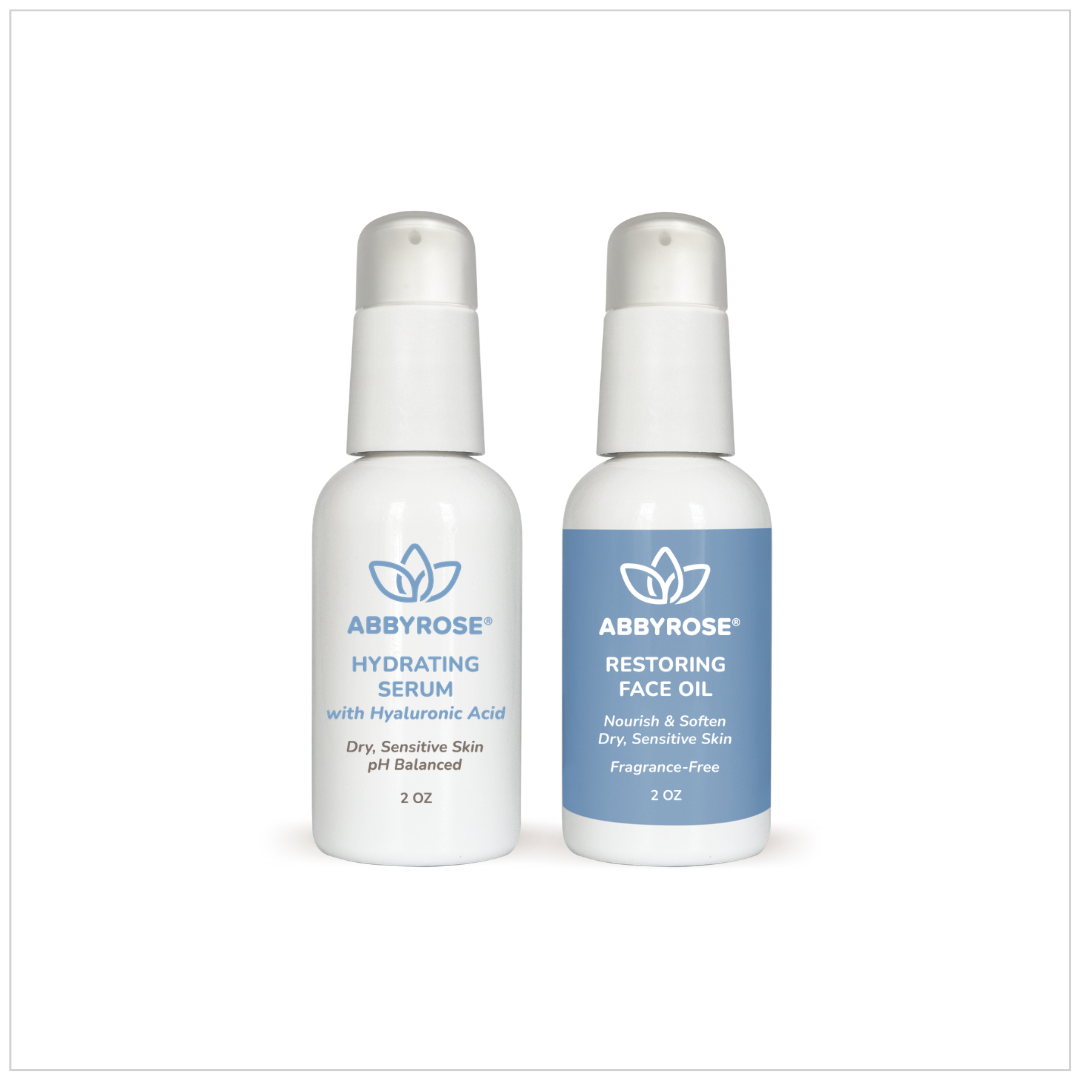
At Abby Rose Skin Care, we understand how frustrating it can be to find a moisturizer that doesn't sting or aggravate sensitive skin. In fact, our brand was born from that very challenge. As a nurse and mother searching for something gentle enough for my daughter's eczema-prone skin, I recognized the importance of thoughtfully formulated products that support the skin barrier without unnecessary irritants. That's why Abby Rose focuses on simple, plant-powered skincare designed for sensitive, reactive, and compromised skin. Our Hydrating Serum combines aloe, glycerin, and hyaluronic acid to replenish hydration, while our Indigo Face Oil provides lightweight, barrier-supporting moisture with squalane, and soothing botanical, Indigo Naturalis. For extra dry, eczema-prone areas, our Indigo Balm combines nourishing moisturizers with skin-calming botanicals, including Indigo Naturalis, Calendula, and Cardiospermum. Our approach is simple: provide the skin with the hydration, moisture, and gentle nourishment it needs to feel more comfortable and resilient.
The Bottom Line: Moisturizer Shouldn't Burn
If your moisturizer burns when you apply it, don't ignore what your skin is telling you.
Burning, stinging, and persistent irritation can be signs of a damaged skin barrier, sensitivity to certain ingredients, overuse of active skincare products, or an underlying inflammatory skin condition.
The solution isn't always finding a richer cream or adding more products to your routine.
Often, it's about simplifying your skincare, identifying potential irritants, restoring hydration, and supporting the skin's natural protective barrier.
When your skin barrier is healthy, it's better equipped to retain moisture, defend against environmental stressors, and maintain a comfortable, balanced appearance.
Achieving healthier skin doesn't need to be complicated. Sometimes, the gentlest approach makes the biggest difference.
Explore Abby Rose Skin Care for thoughtfully formulated, botanical skincare designed with sensitive skin in mind.