
Walk down any skincare aisle and you’ll find lotions, creams, serums, oils, and balms all promising to moisturize, hydrate, soothe, or protect your skin. But these products are not interchangeable. How they are formulated, how much water they contain, and the ingredients required to keep those formulas stable can make a significant difference, especially if you have sensitive, reactive, eczema-prone, or barrier-compromised skin.
Let’s look at the differences between lotions, creams, serums, and balms, and why the type of moisturizer you choose for sensitive, or eczema-prone skin matters.
Lotions: Lightweight, Water-Based Moisturizers
Lotions are emulsions, meaning they combine water and oil into one formula. Because oil and water naturally separate, lotions require emulsifiers to keep everything blended together.
They also contain a relatively high percentage of water. Any skincare product containing water creates an environment where bacteria, yeast, and mold can potentially grow. For that reason, lotions need an effective preservative system to remain safe throughout their shelf life. Additionally, combining oil and water also creates a more complicated formulation requiring a more robust preservative system often requiring multiple preservatives.
Additional ingredients may be needed to maintain the product’s texture, stability, pH, and consistency.
None of this automatically makes a lotion bad for your skin. A well-formulated lotion can be an effective moisturizer for some people. But it does mean that what looks like a simple moisturizer may actually require a fairly complex formula.
For highly reactive or barrier-compromised skin, every additional ingredient is another ingredient the skin has to tolerate.
There is another consideration for extremely dry and eczema-prone skin. Because lotions contain a large amount of water and tend to be lighter in oils and occlusive ingredients, they may not provide enough lasting protection for skin that loses moisture rapidly.
If you apply lotion and your skin feels dry again shortly afterward, the problem may not be that you need to apply more lotion. Your skin may need more help holding onto that moisture.
Creams: Richer, But Still an Emulsion
Creams work similarly to lotions, but they generally contain a higher proportion of oils, butters, or other emollients. This gives them their thicker, richer texture.
Because creams still contain both water and oil, they also require emulsifiers and a more complex preservative system. Stabilizers, thickeners, and other functional ingredients may be included to keep the formula consistent and pleasant to use.
For normal to moderately dry skin, a cream can provide plenty of moisture.
But eczema-prone skin is different.
A compromised skin barrier allows water to escape more easily through a process called transepidermal water loss, or TEWL. When that barrier is not functioning optimally, simply applying a water-rich moisturizer may not be enough. The skin also needs lipids and an effective occlusive layer to help slow water loss.
This is one reason some people with eczema find themselves repeatedly applying cream throughout the day, only to feel dry again a few hours later.
Serums: Delivering Hydration Without the Heaviness
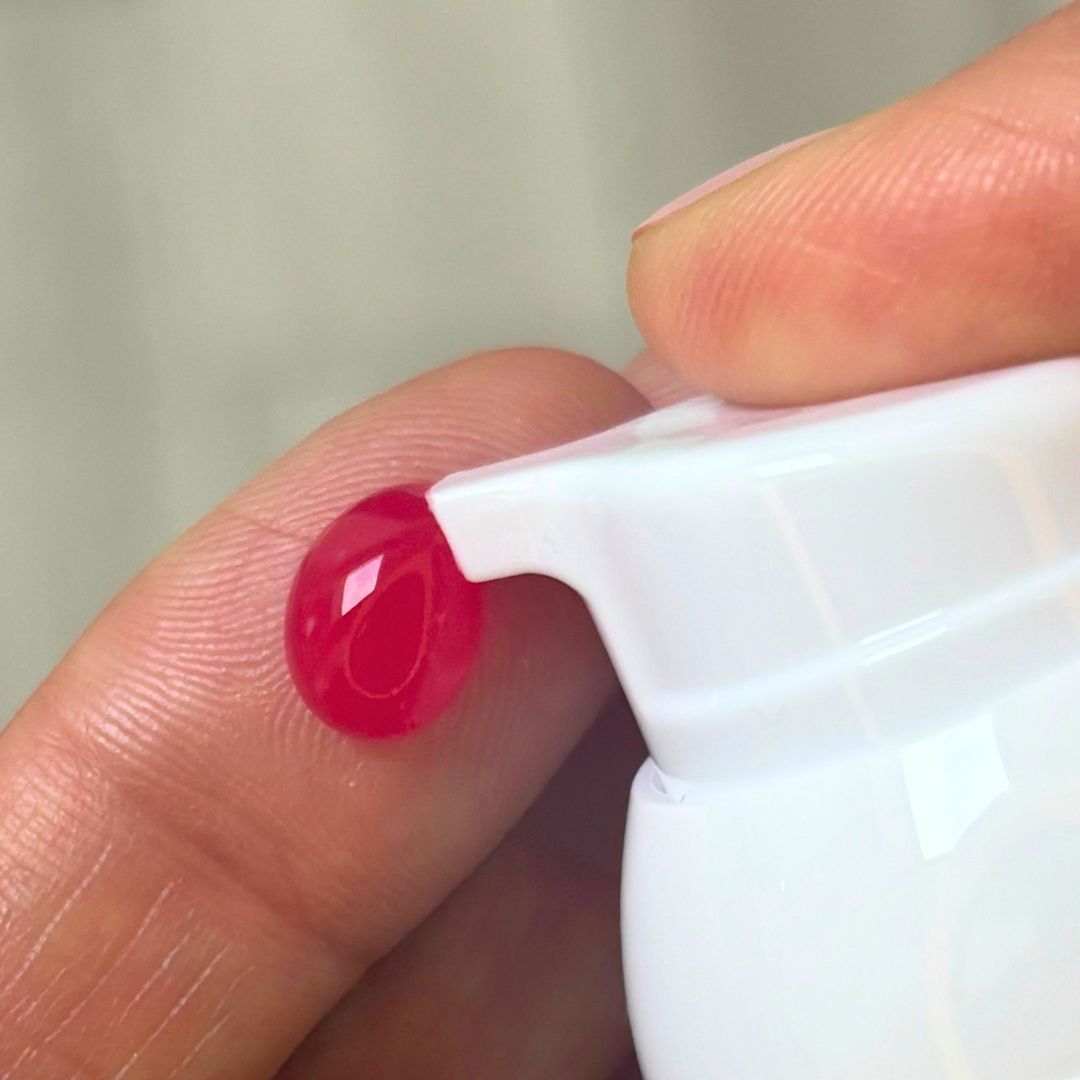
Serums are lightweight formulas designed to deliver concentrated ingredients to the skin. Some are oil-based, but when we talk about hydrating serums, we are usually referring to water-based formulas containing humectants.
Humectants attract and bind water. Ingredients such as glycerin, aloe, and hyaluronic acid can help replenish hydration in dry, dehydrated skin.
At Abby Rose Skin Care, this is the first step in our moisturizing philosophy for sensitive skin.
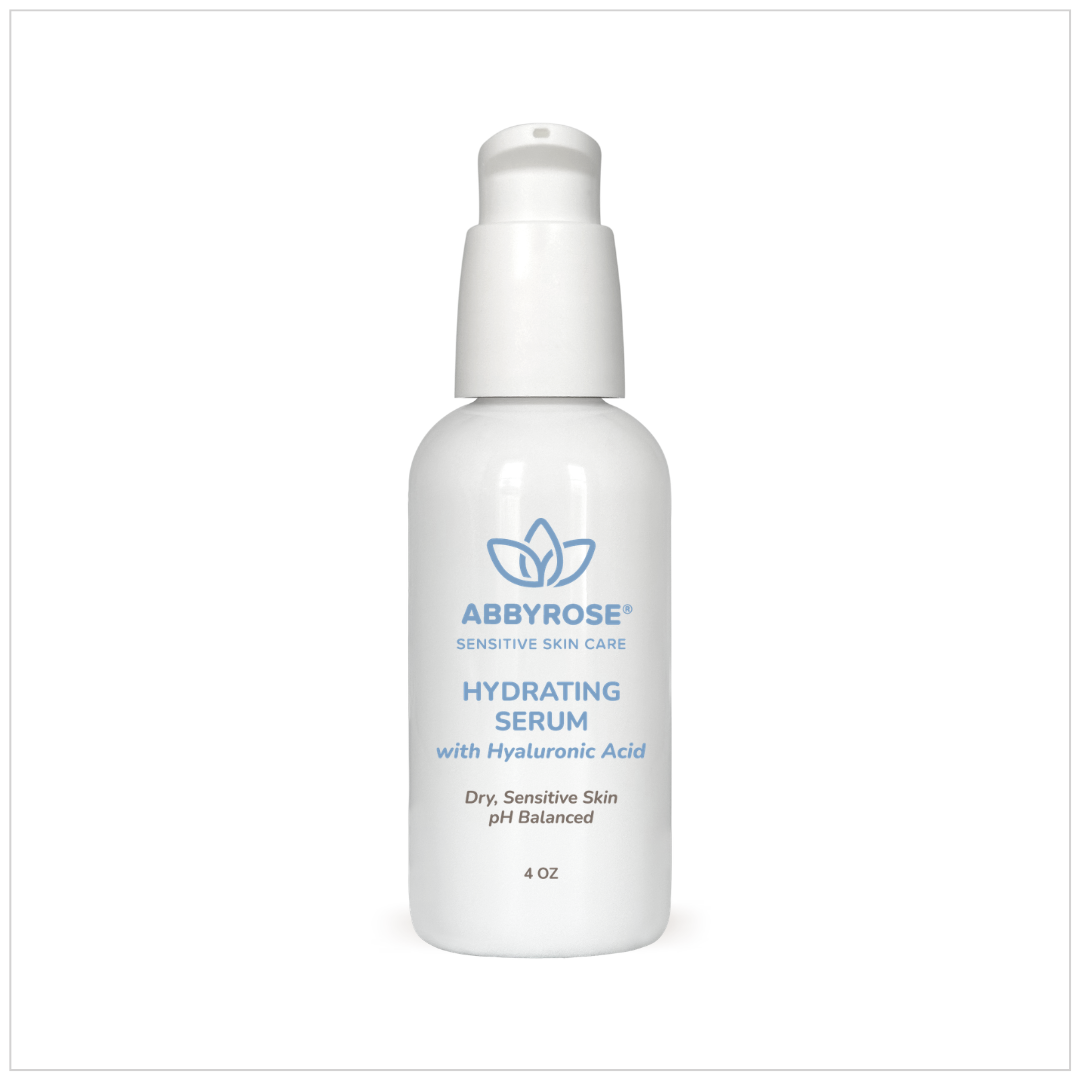
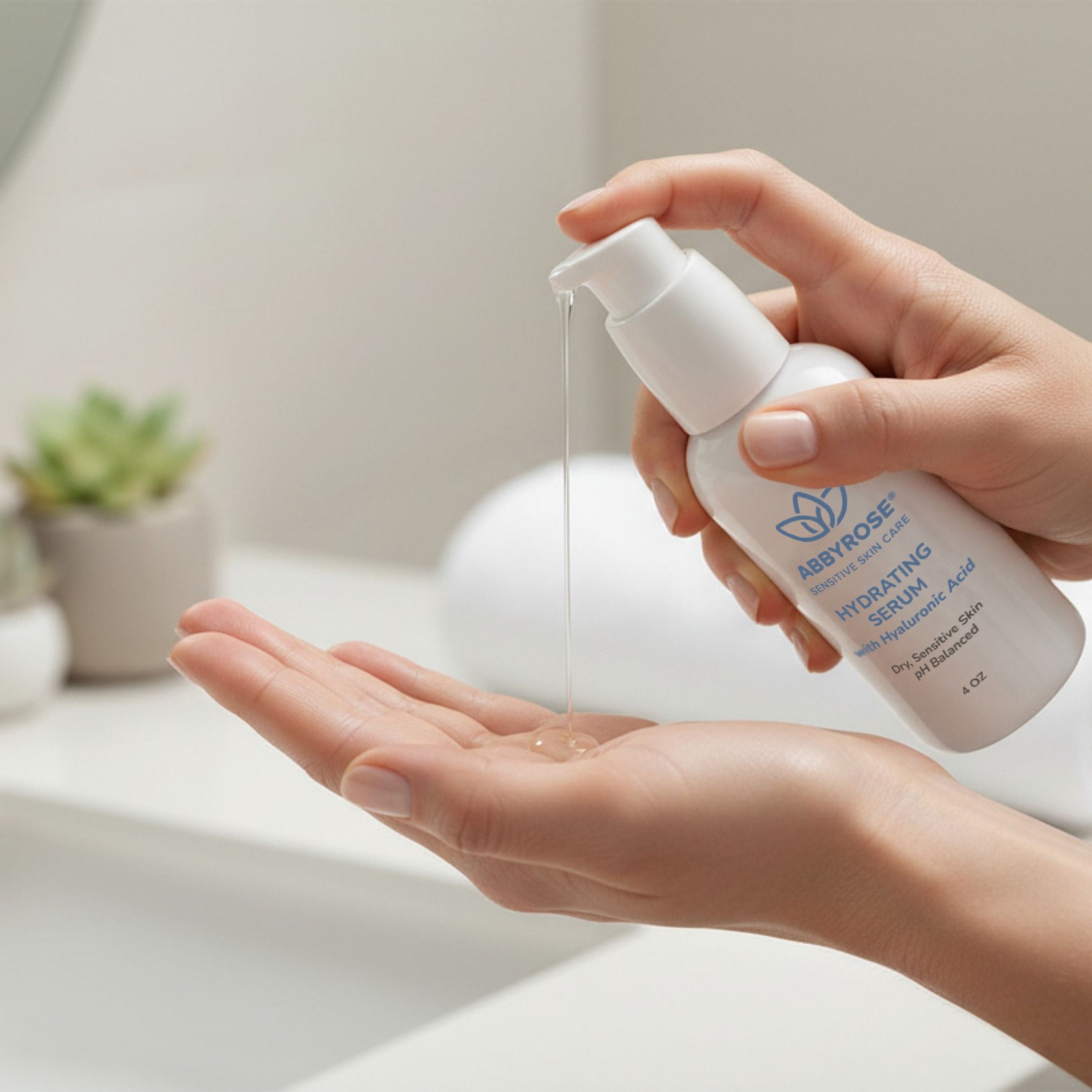
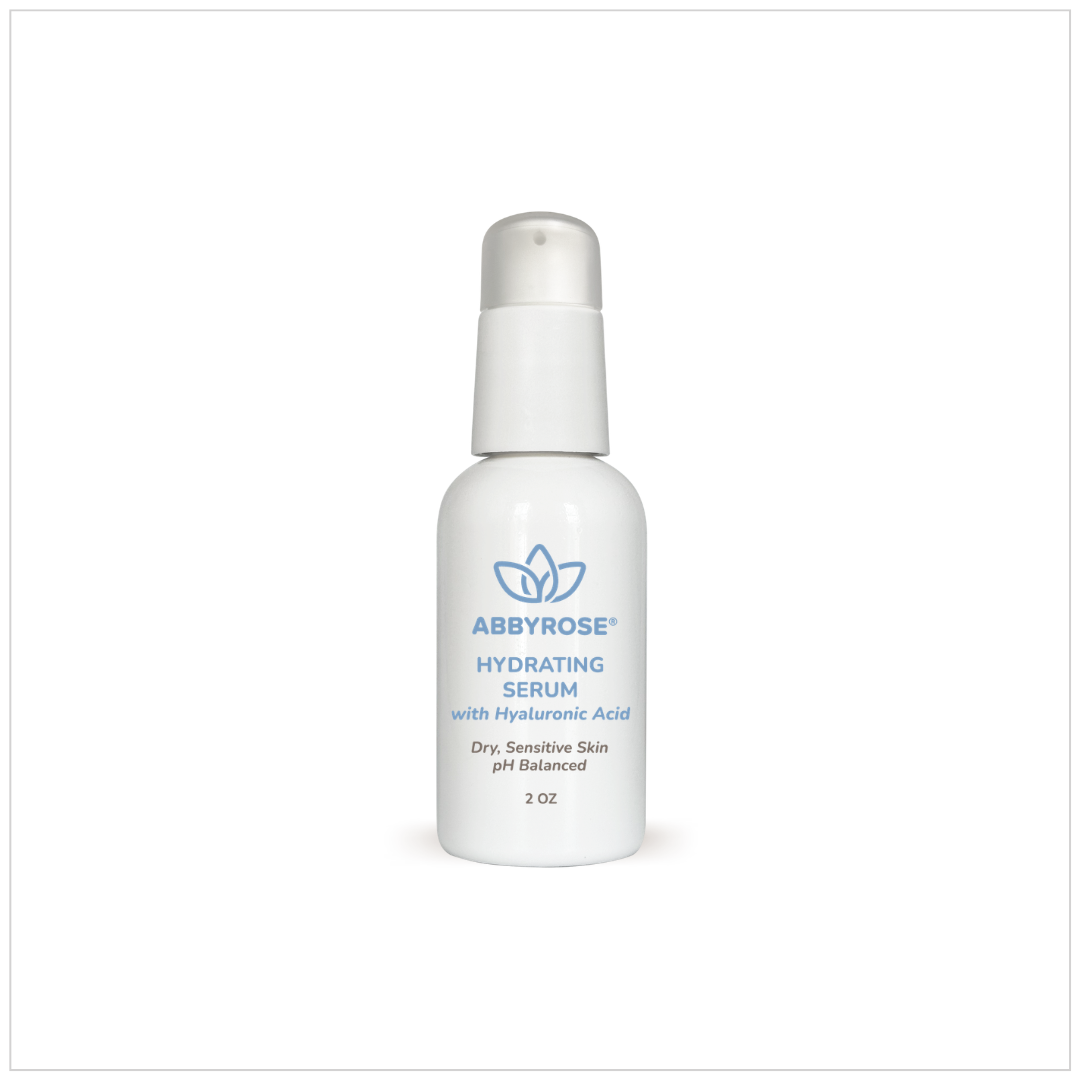
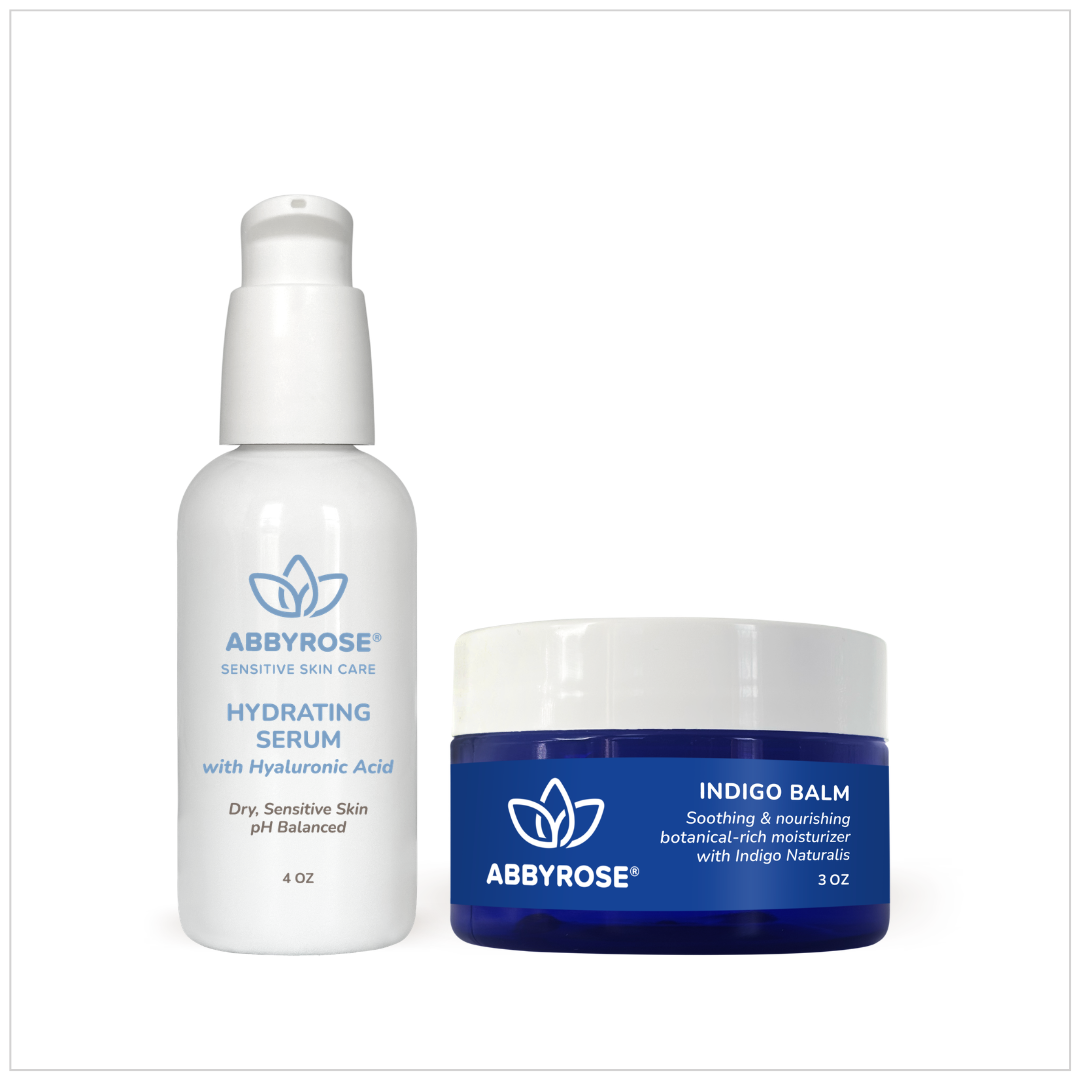
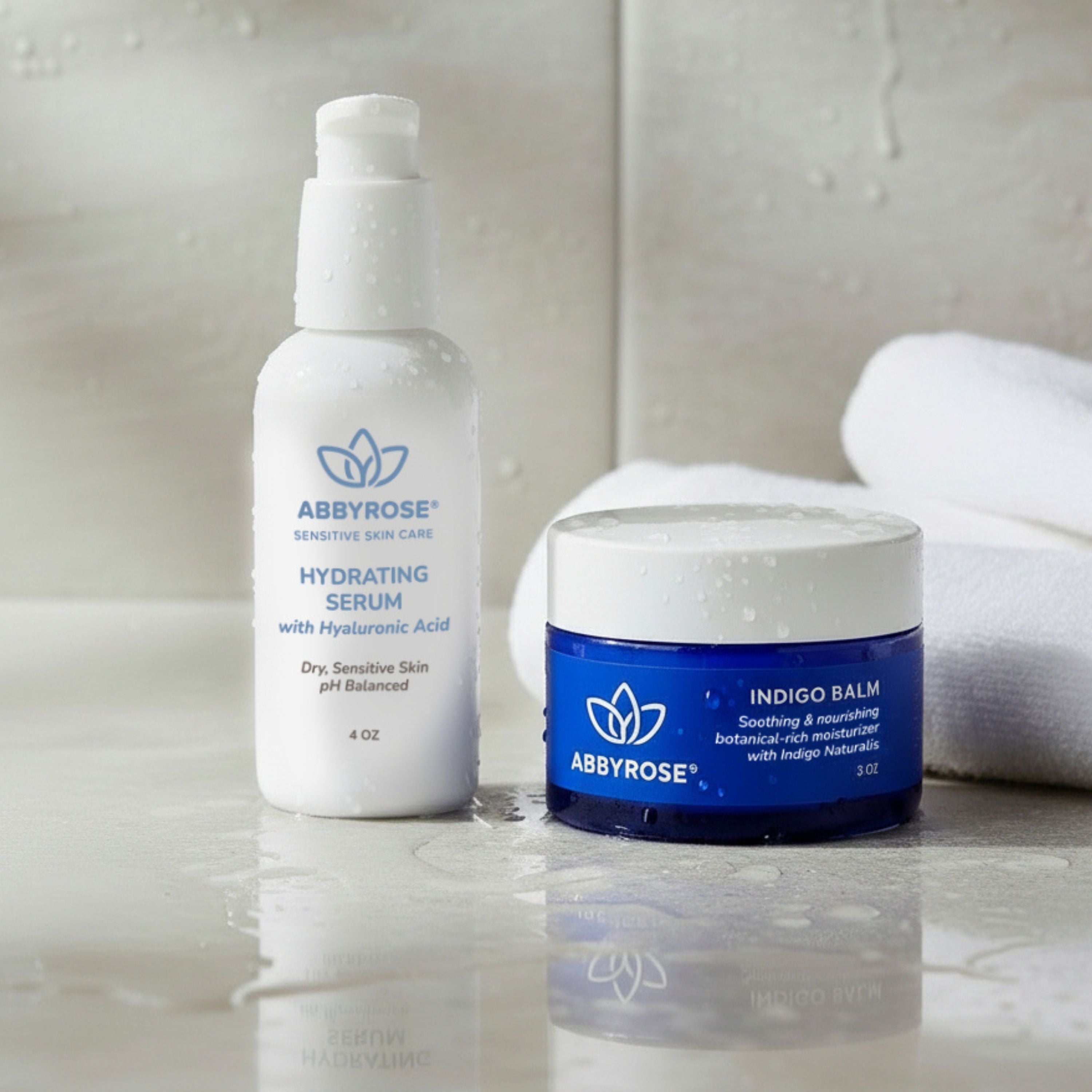
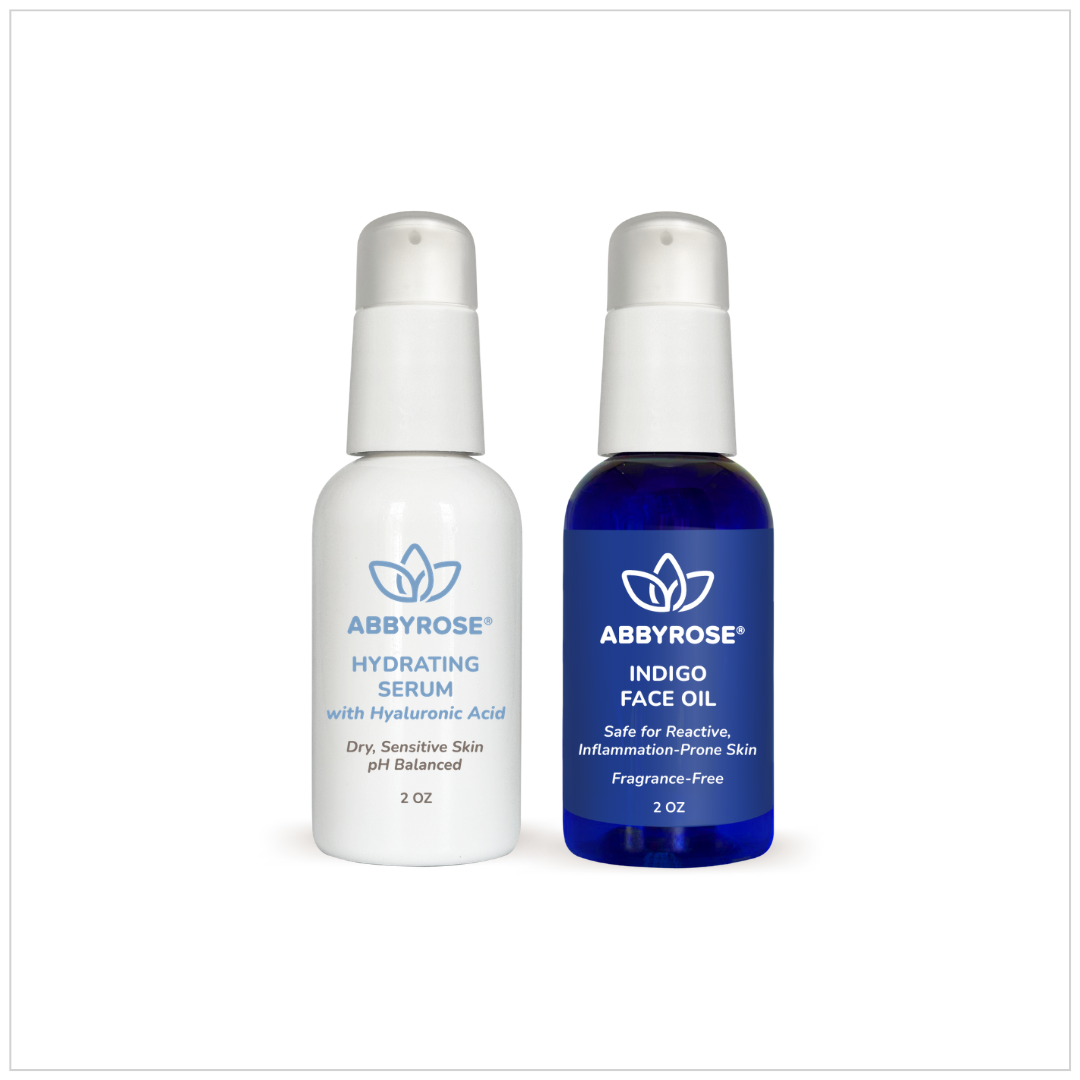
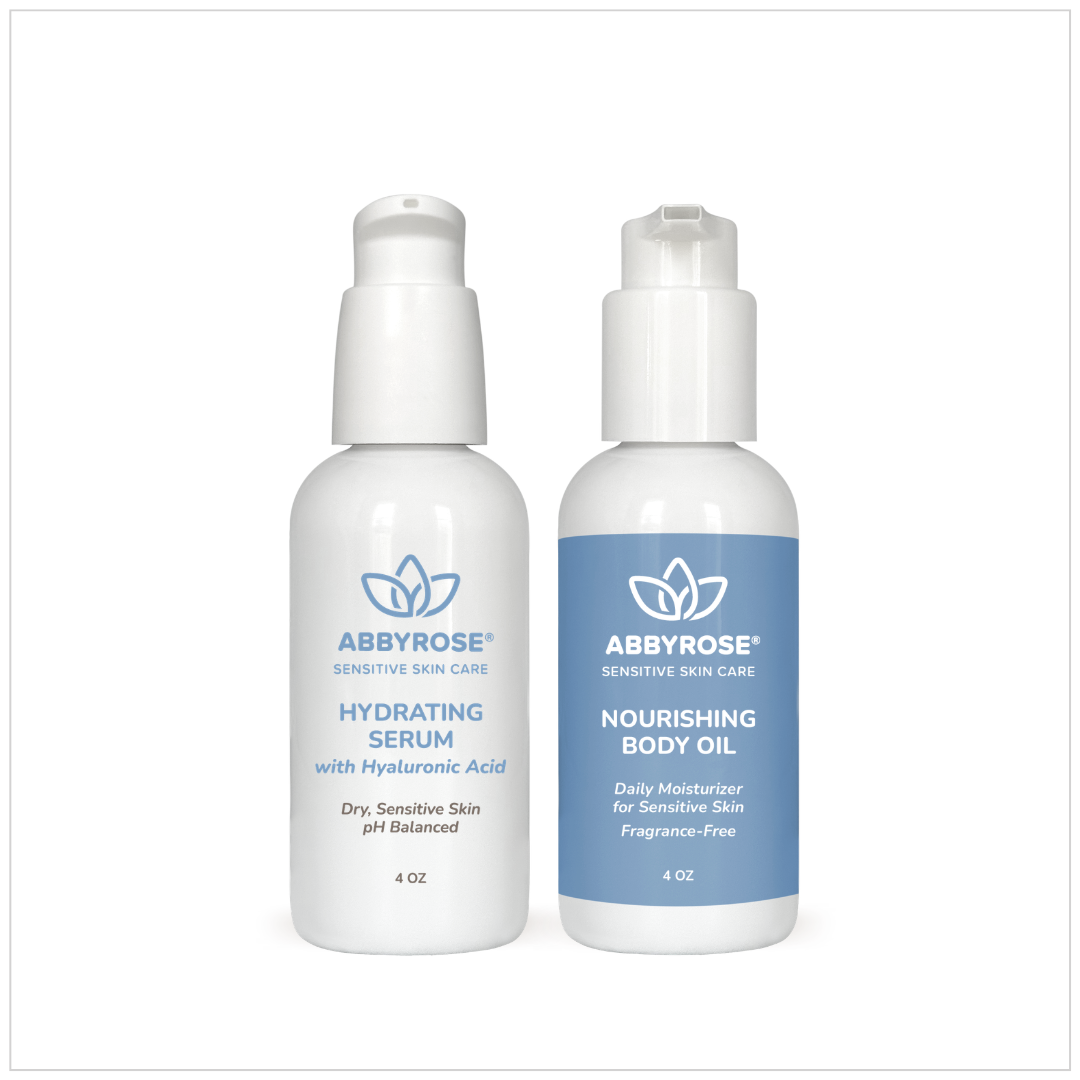
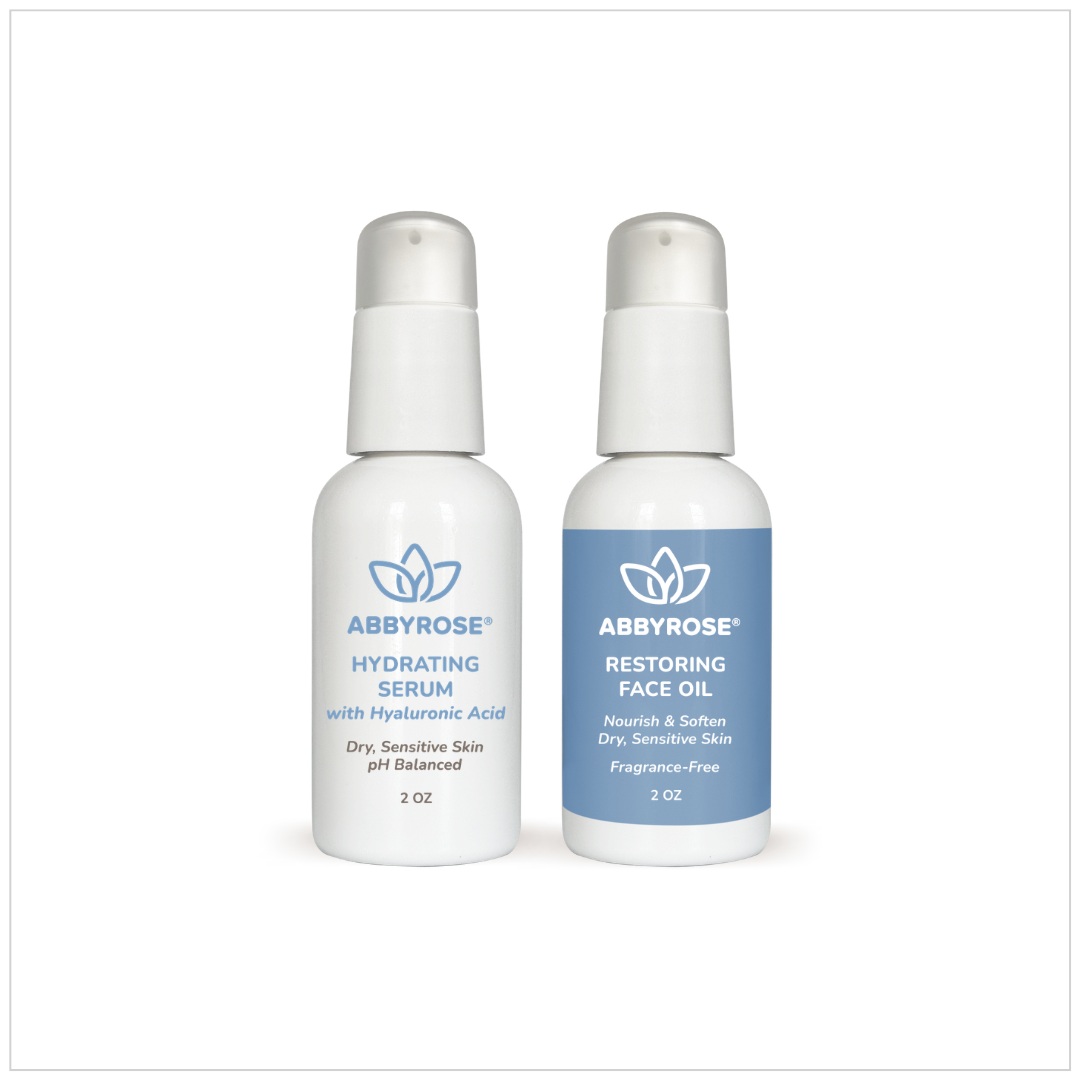
Our Hydrating Serum uses an aloe base along with ingredients including glycerin and hyaluronic acid to replenish hydration without relying on a traditional lotion or cream. It is designed to be applied first, ideally to clean, slightly damp skin.
But hydration is only half of the equation.
If your skin barrier is compromised, adding water without helping the skin retain it may leave you right back where you started. That is why we follow serum with an oil or balm to seal it in.
Balms: Concentrated Moisture Without Added Water
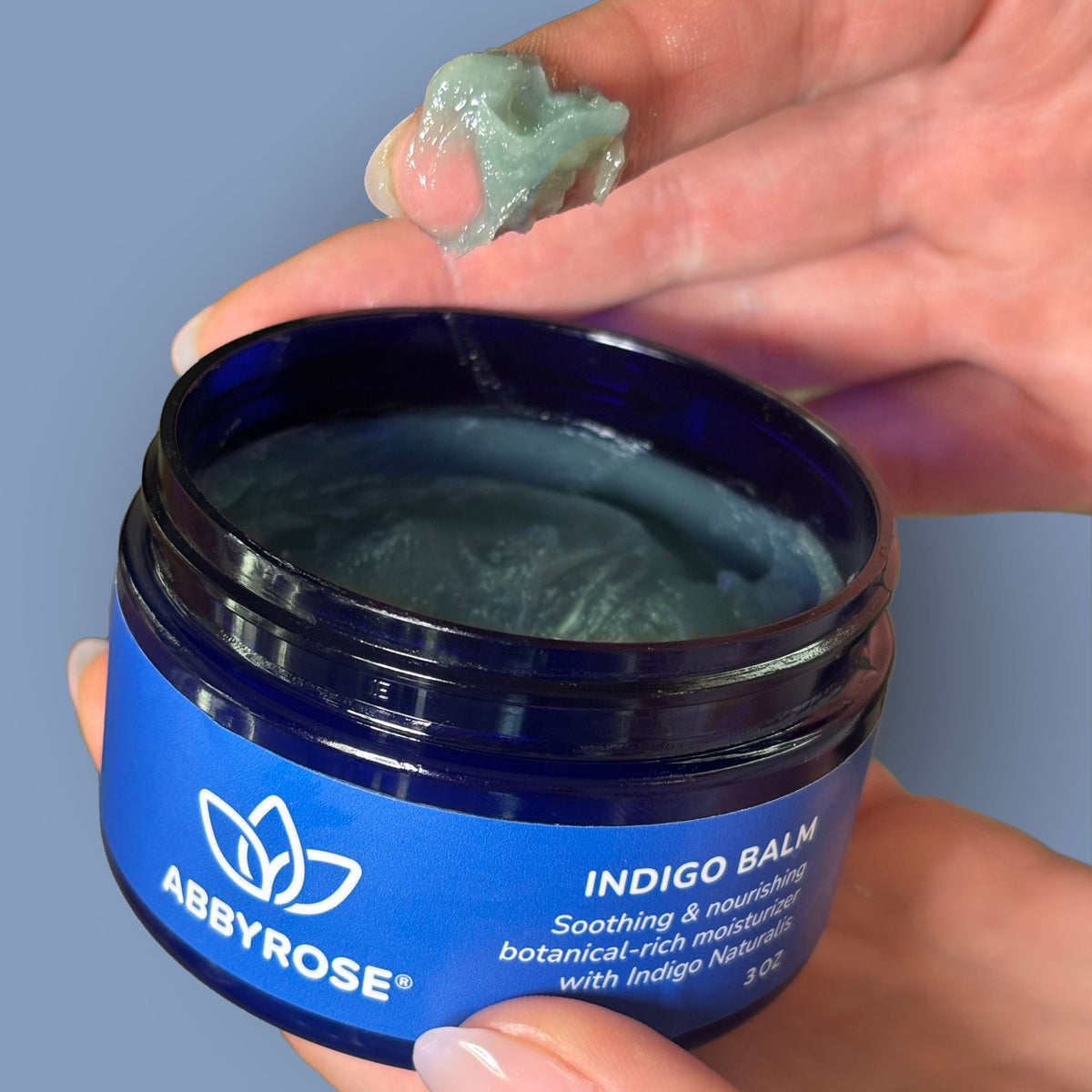
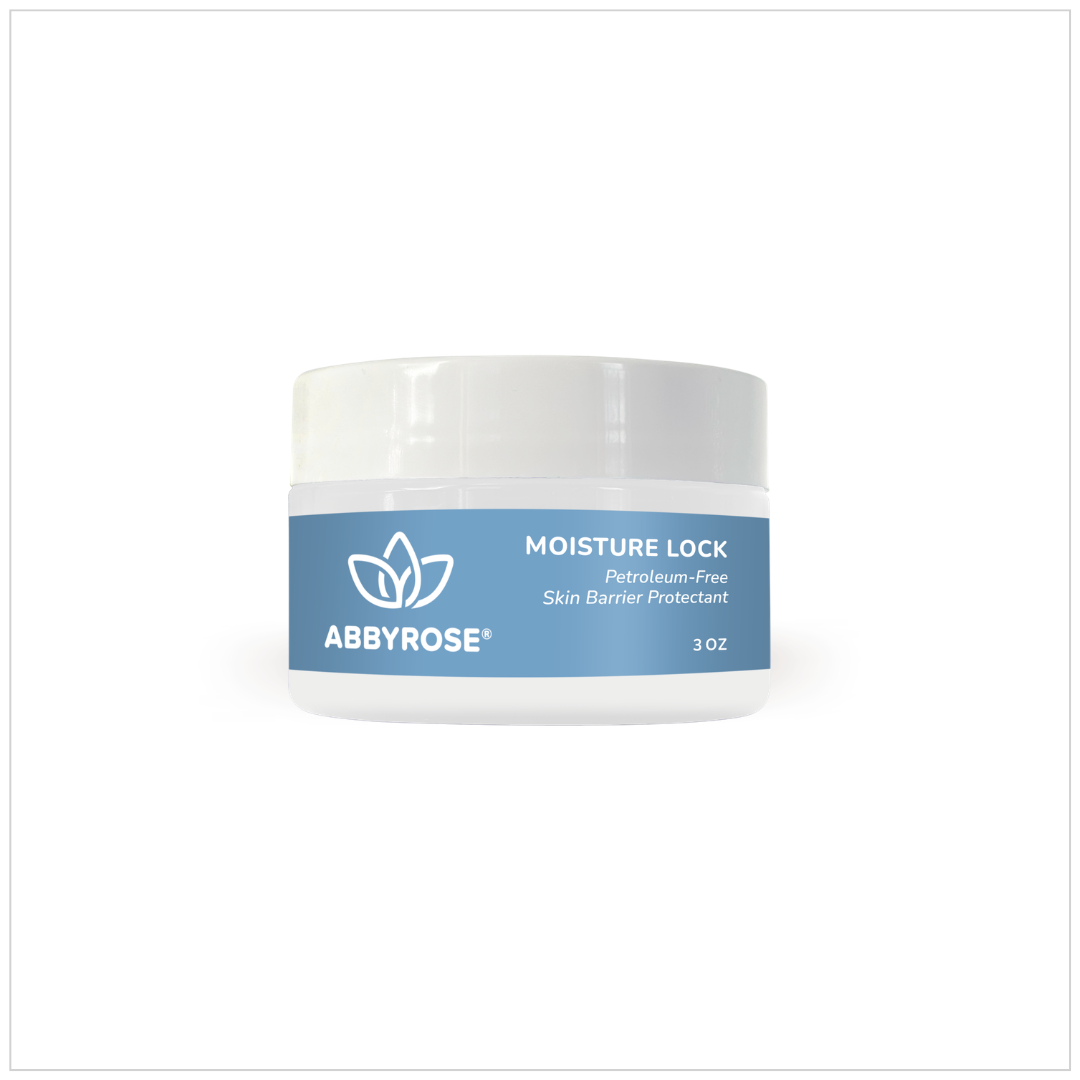
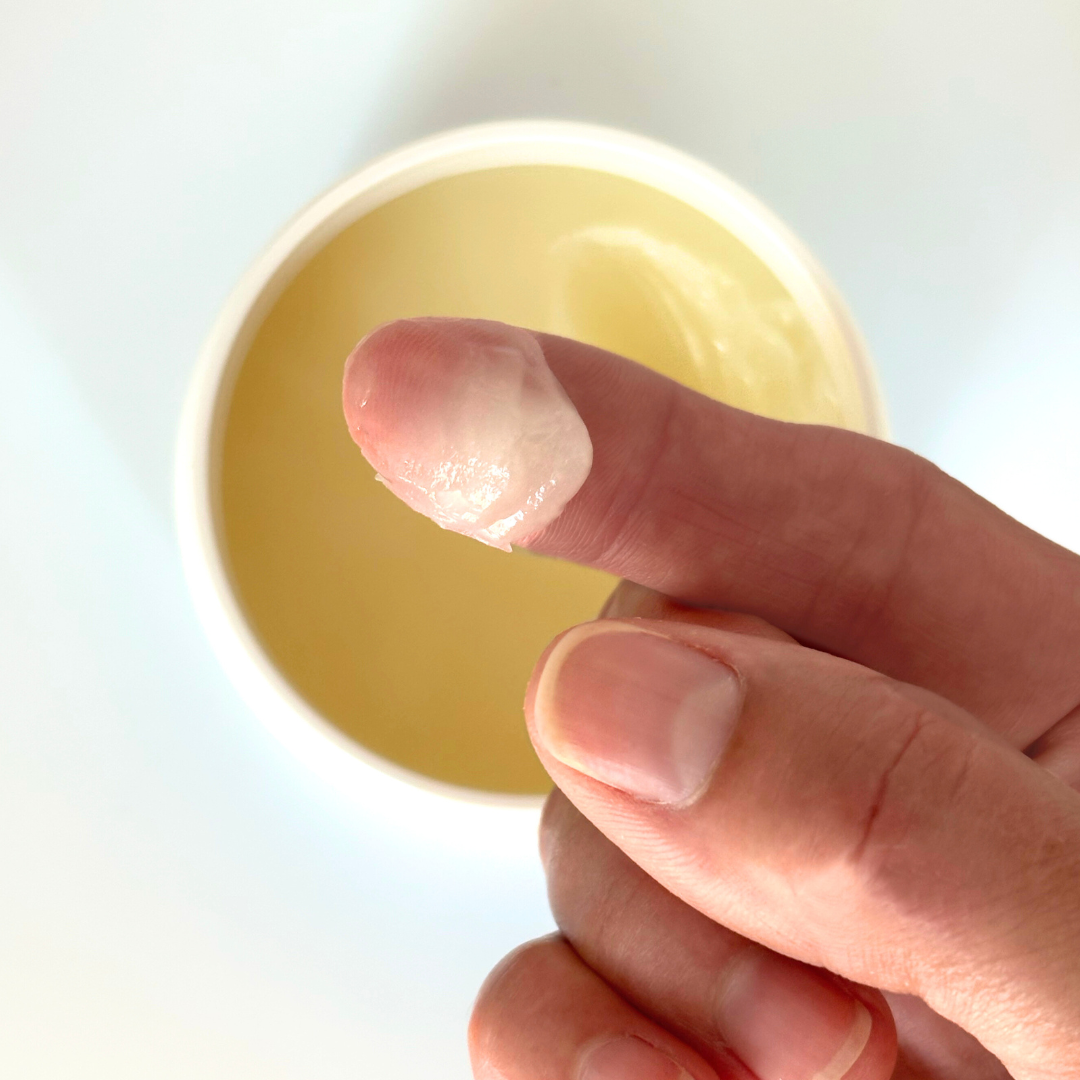
Balms are very different from lotions and creams because they are typically anhydrous, meaning they contain no added water.
Instead, they are made primarily from oils, butters, waxes, and other lipid-based ingredients.
Without water, a balm does not need the same type of broad-spectrum preservative system required by a conventional water-based lotion or cream. It also does not require an emulsifier to hold oil and water together because there is no water phase to emulsify.
This allows for a much more minimalist formulation.
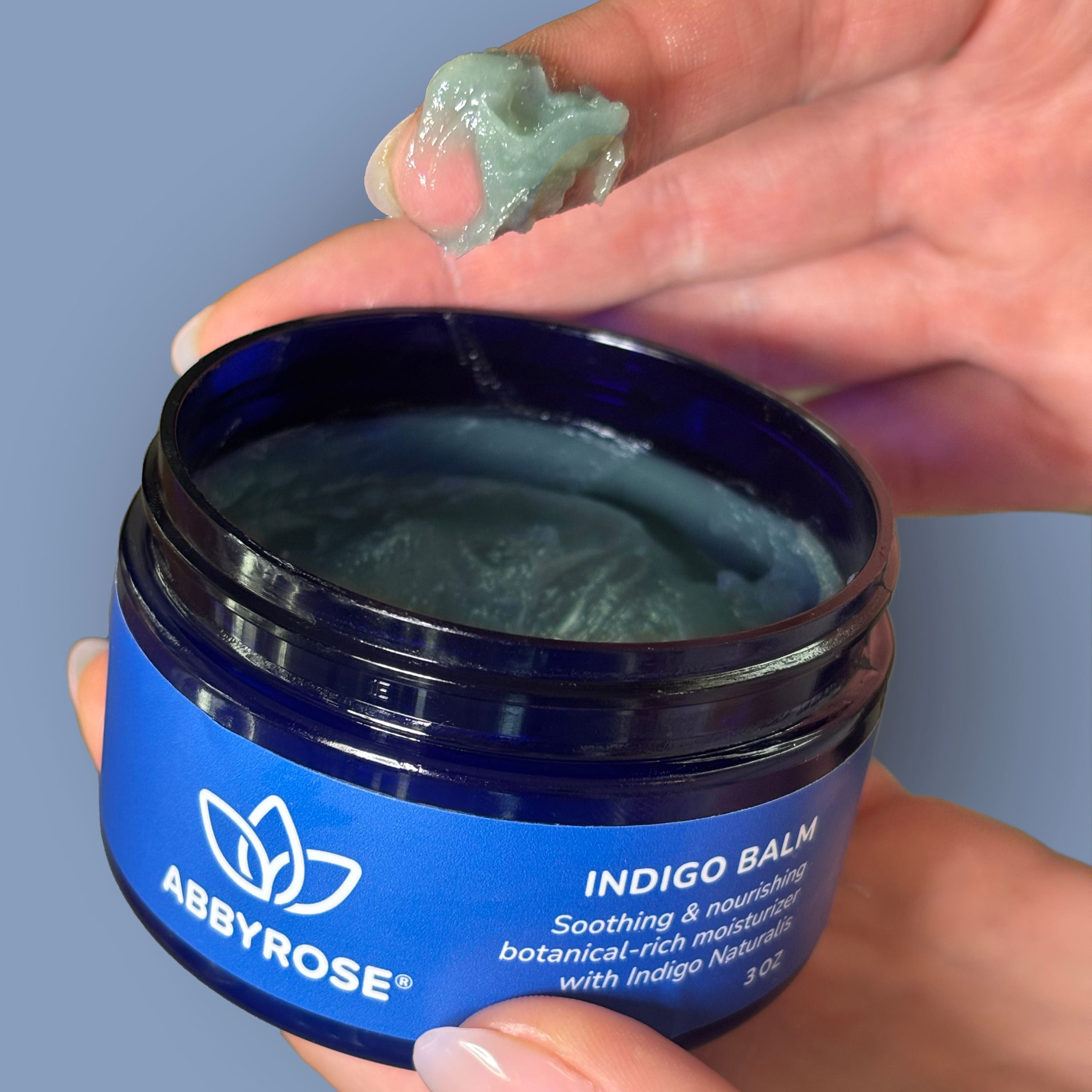
Balms also are not diluted with water. What you are applying is a concentrated blend of oils, lipids, butters, waxes, and any other carefully selected oil-soluble ingredients in the formula.
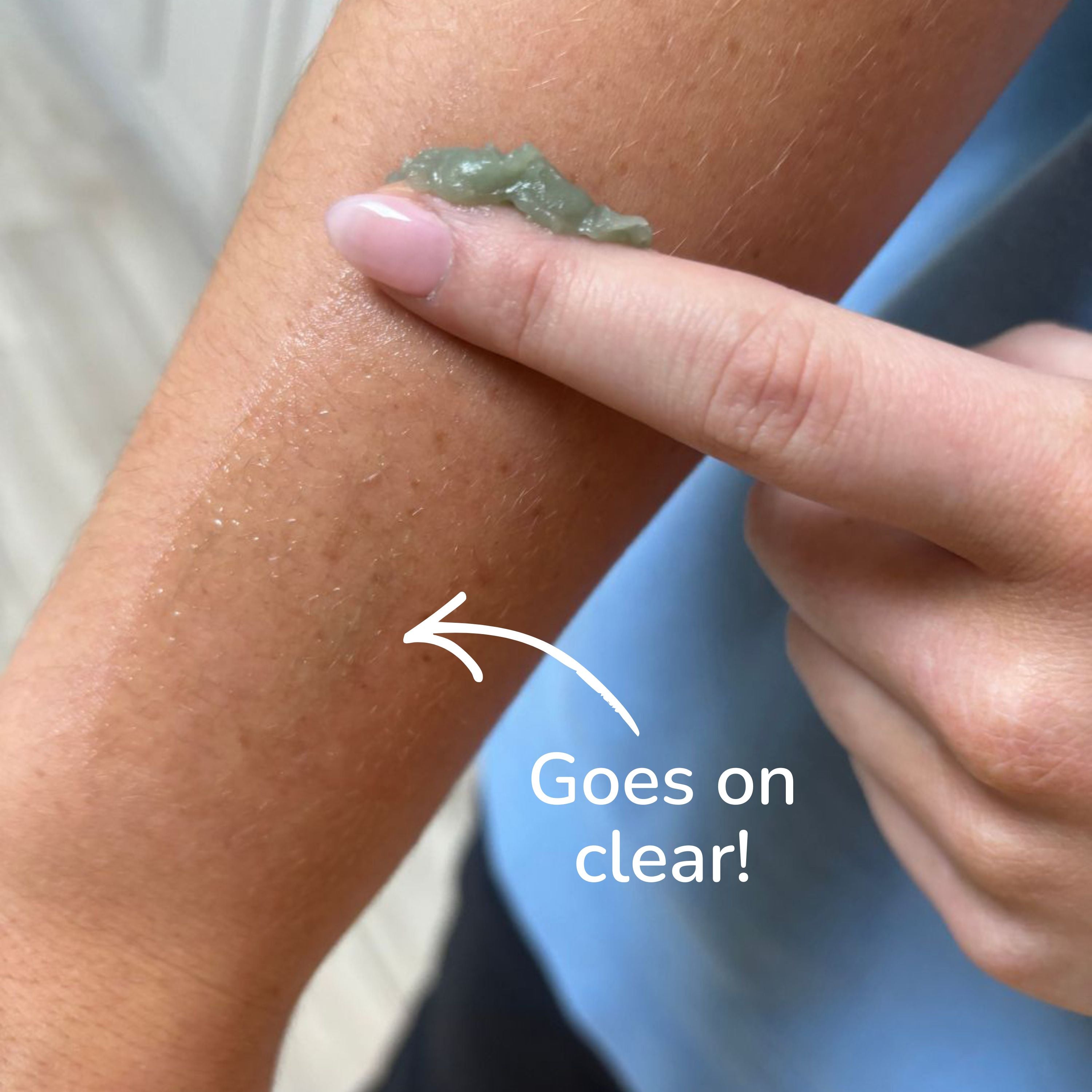
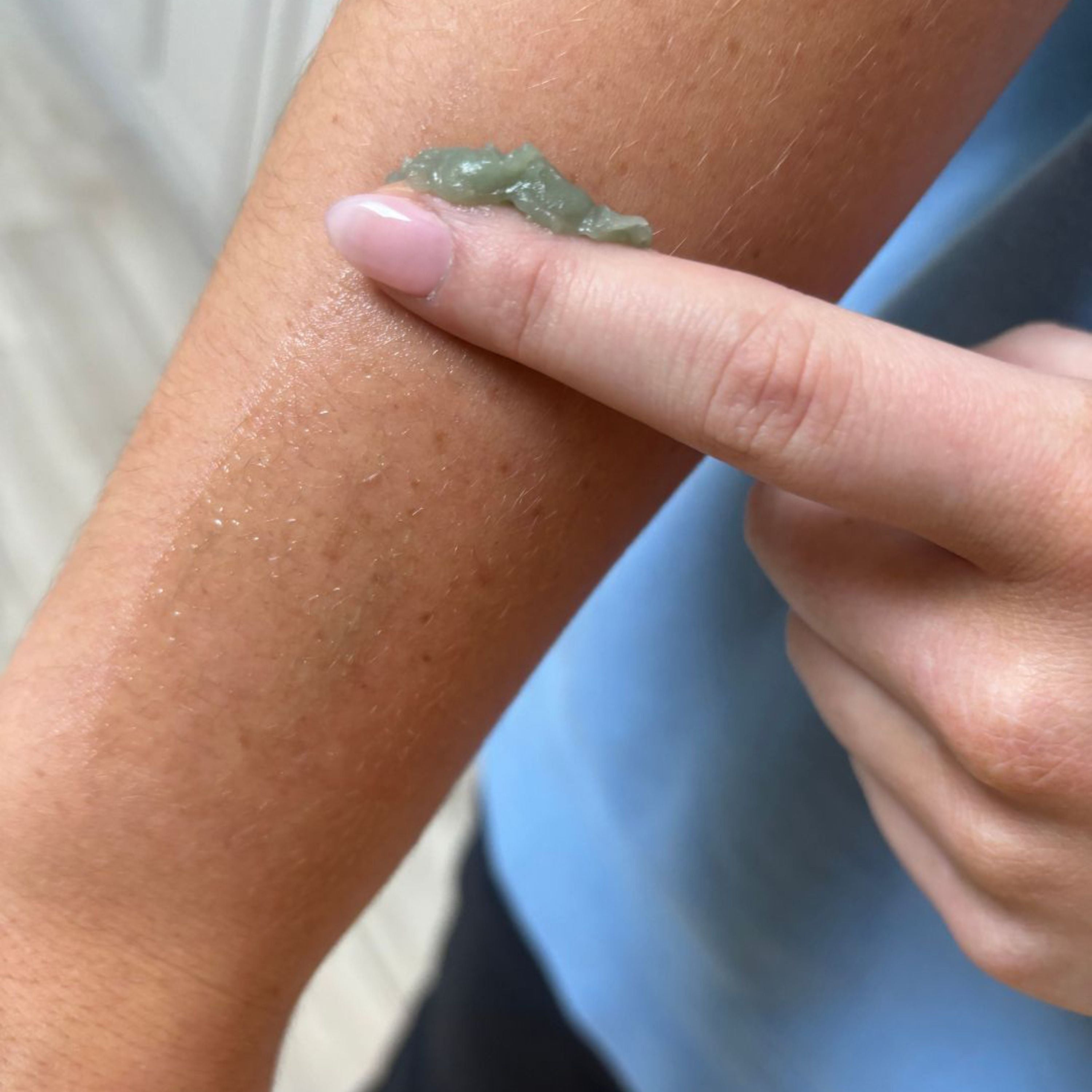
For dry, eczema-prone, and barrier-compromised skin, this can be particularly beneficial because balms create an occlusive layer that helps reduce moisture loss while supplying the skin with nourishing lipids.
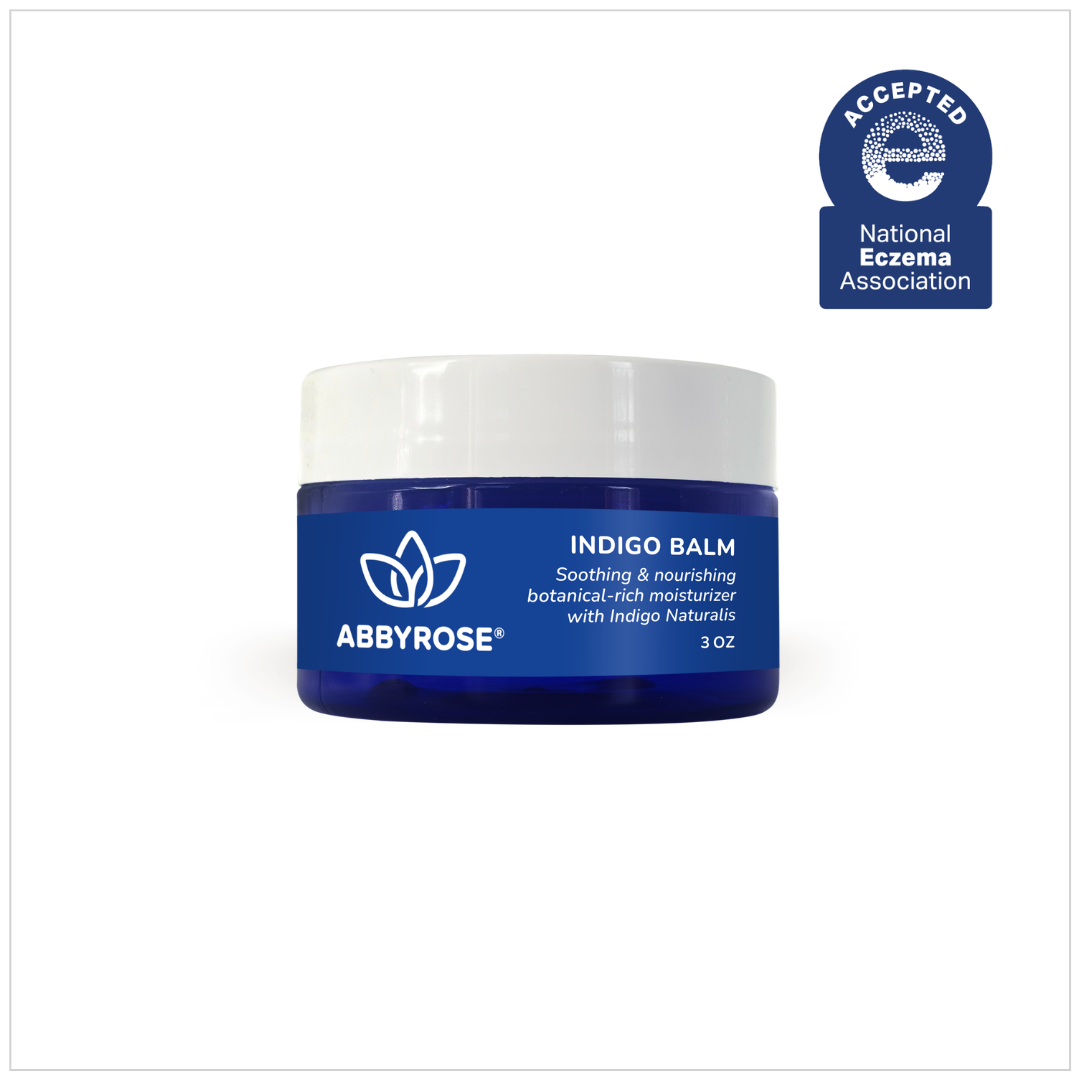
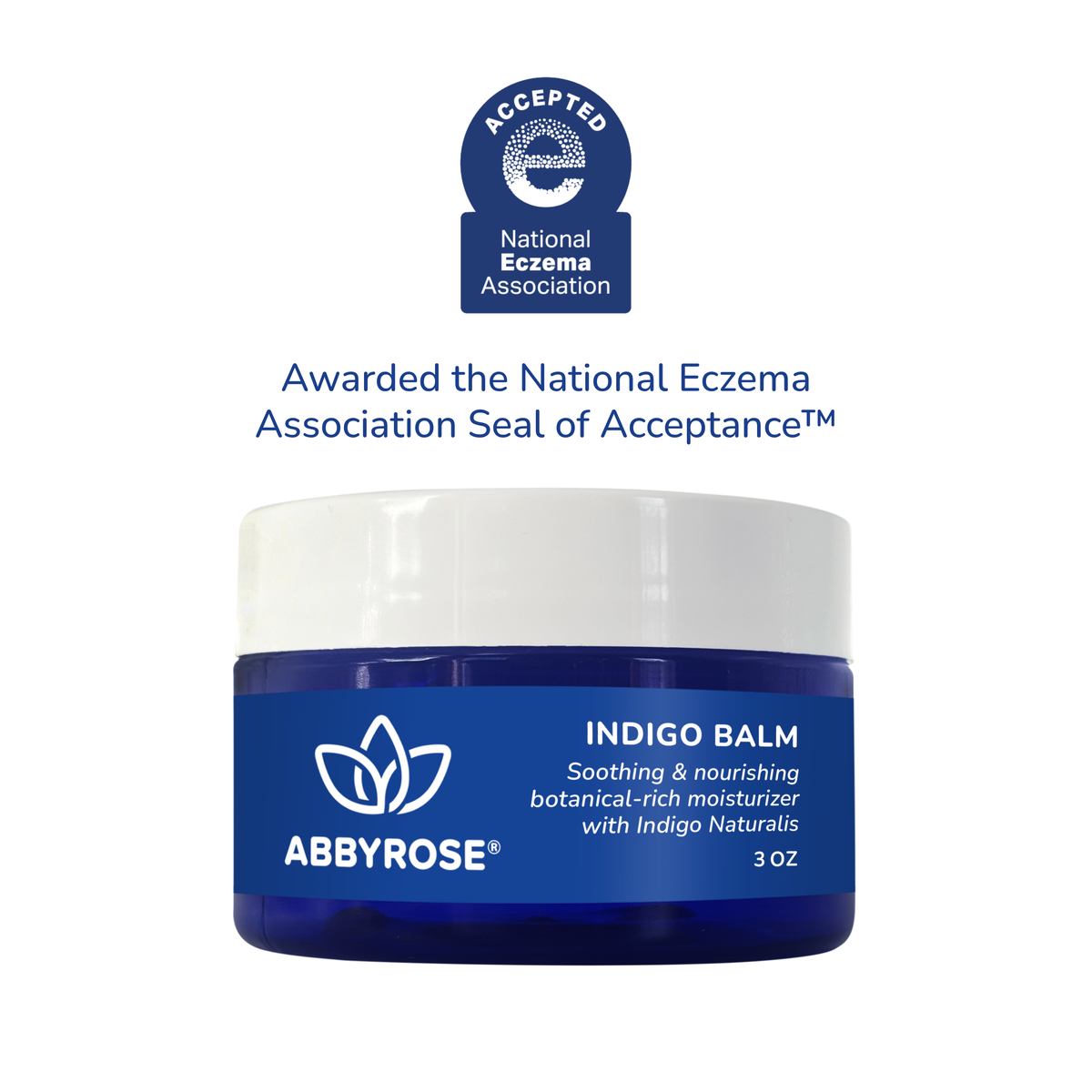
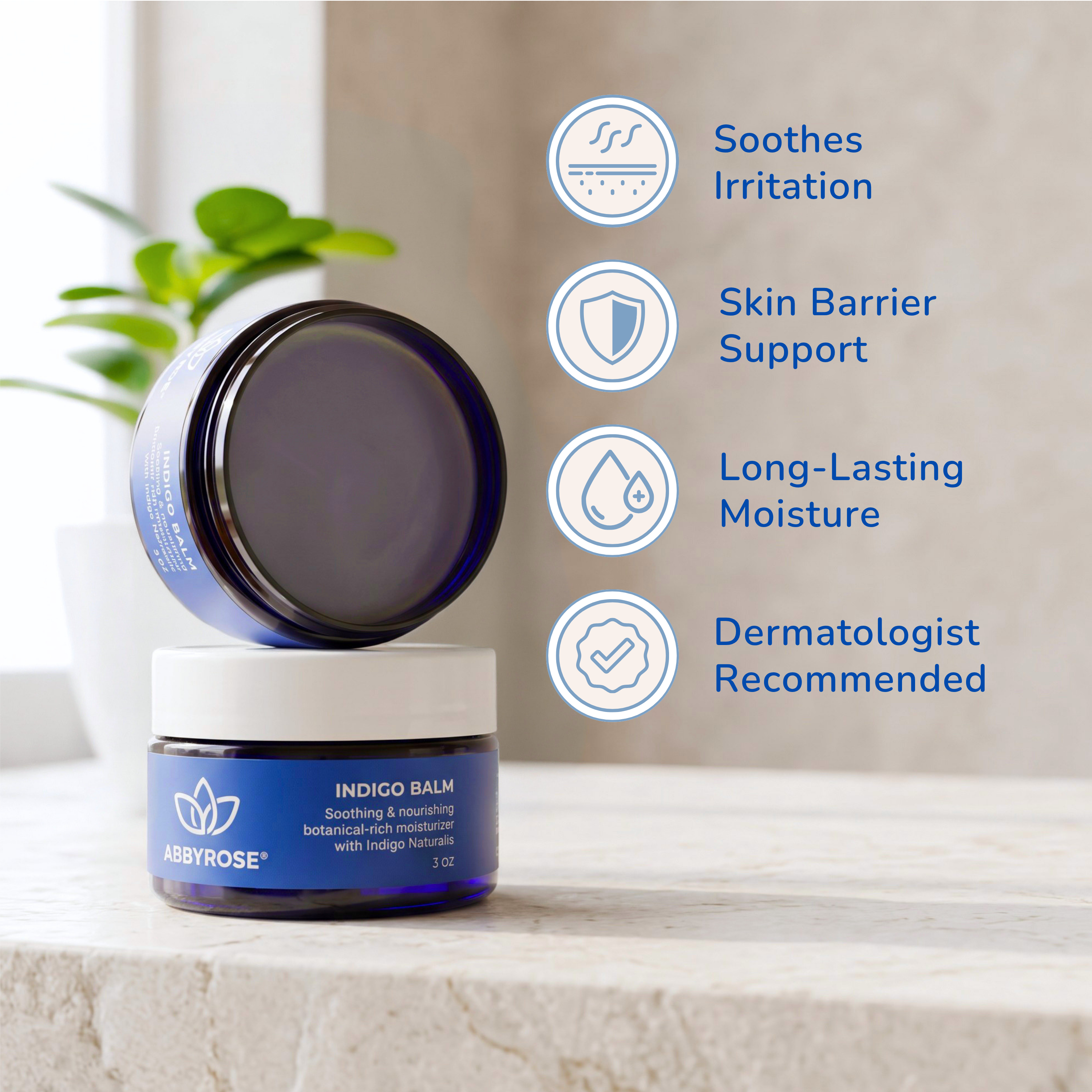
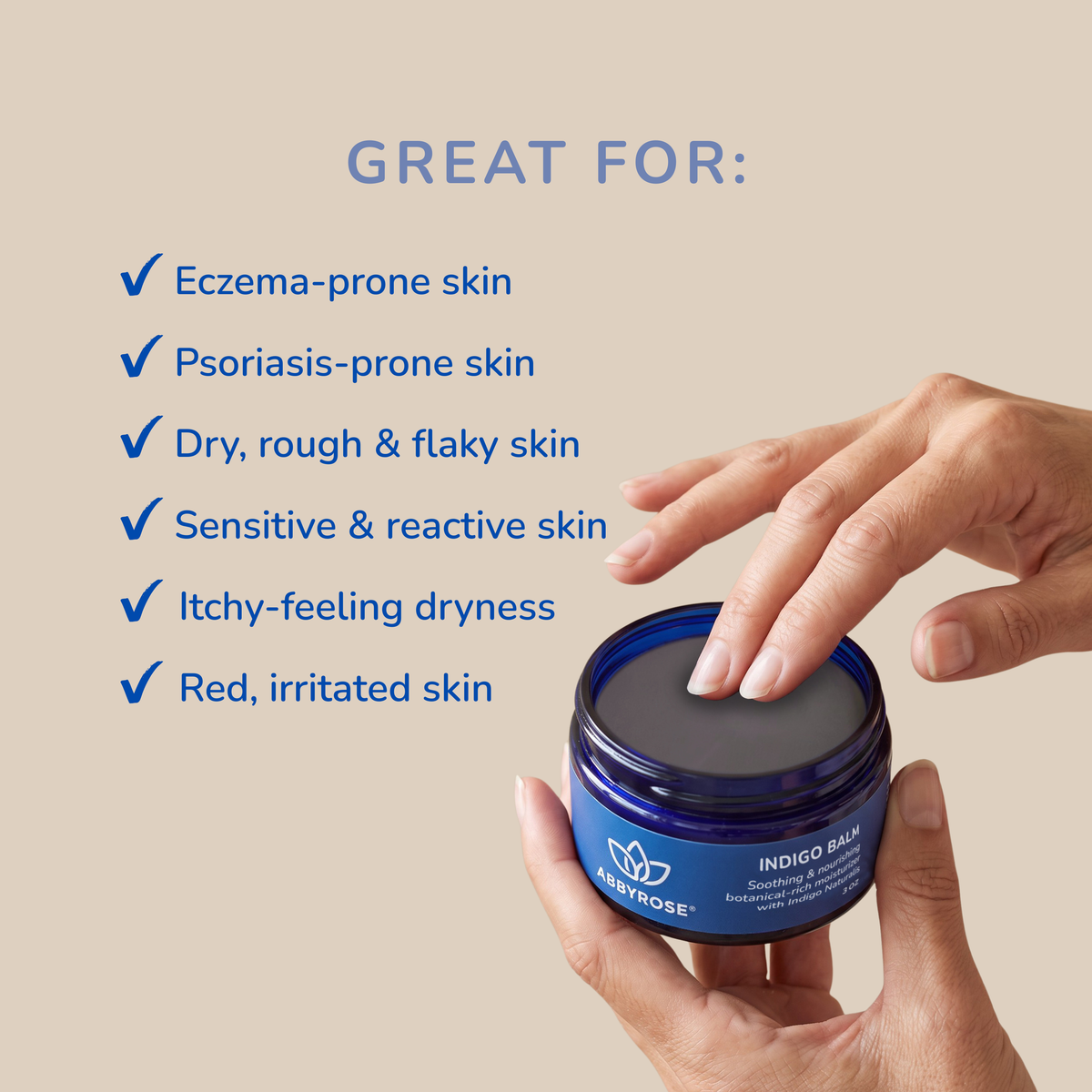
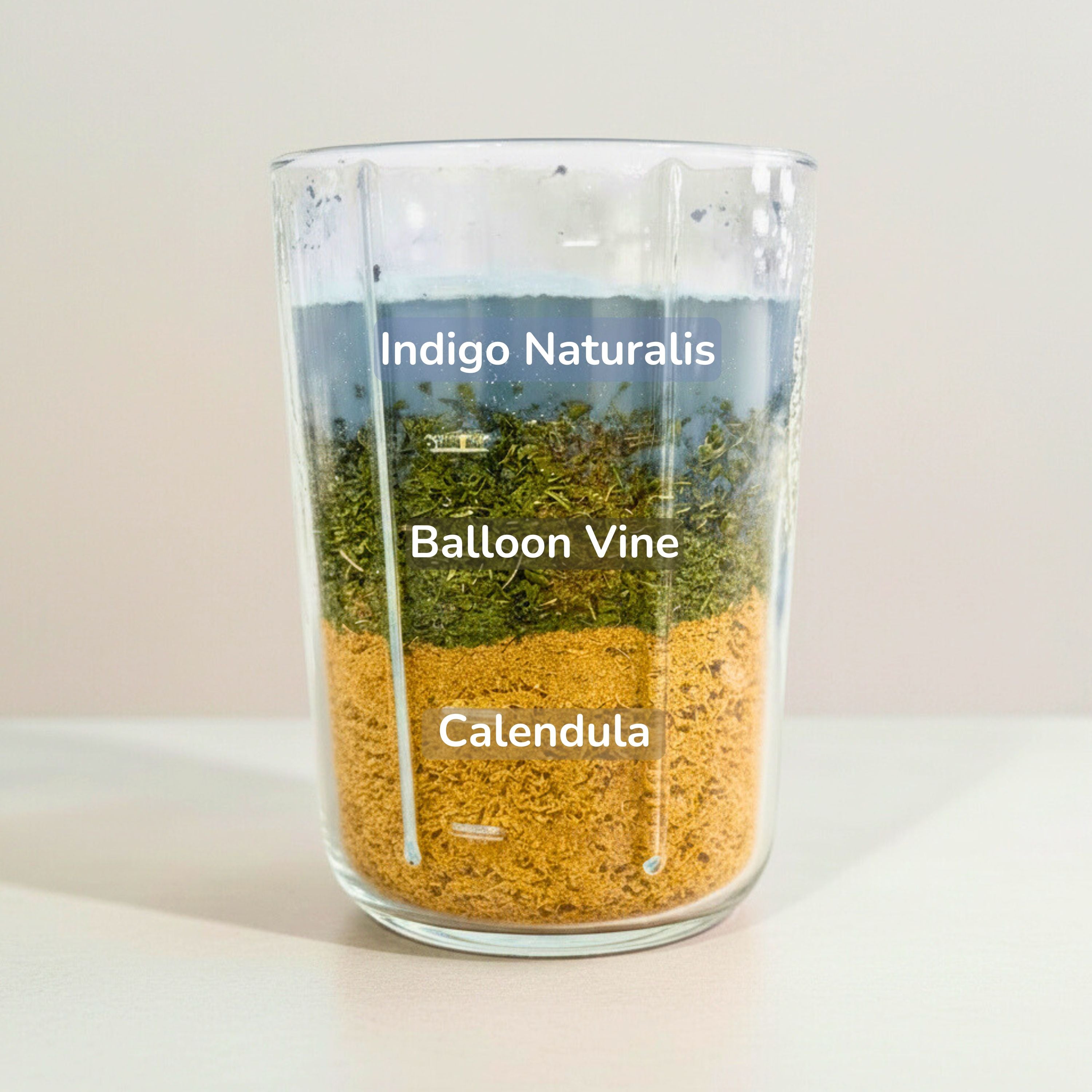
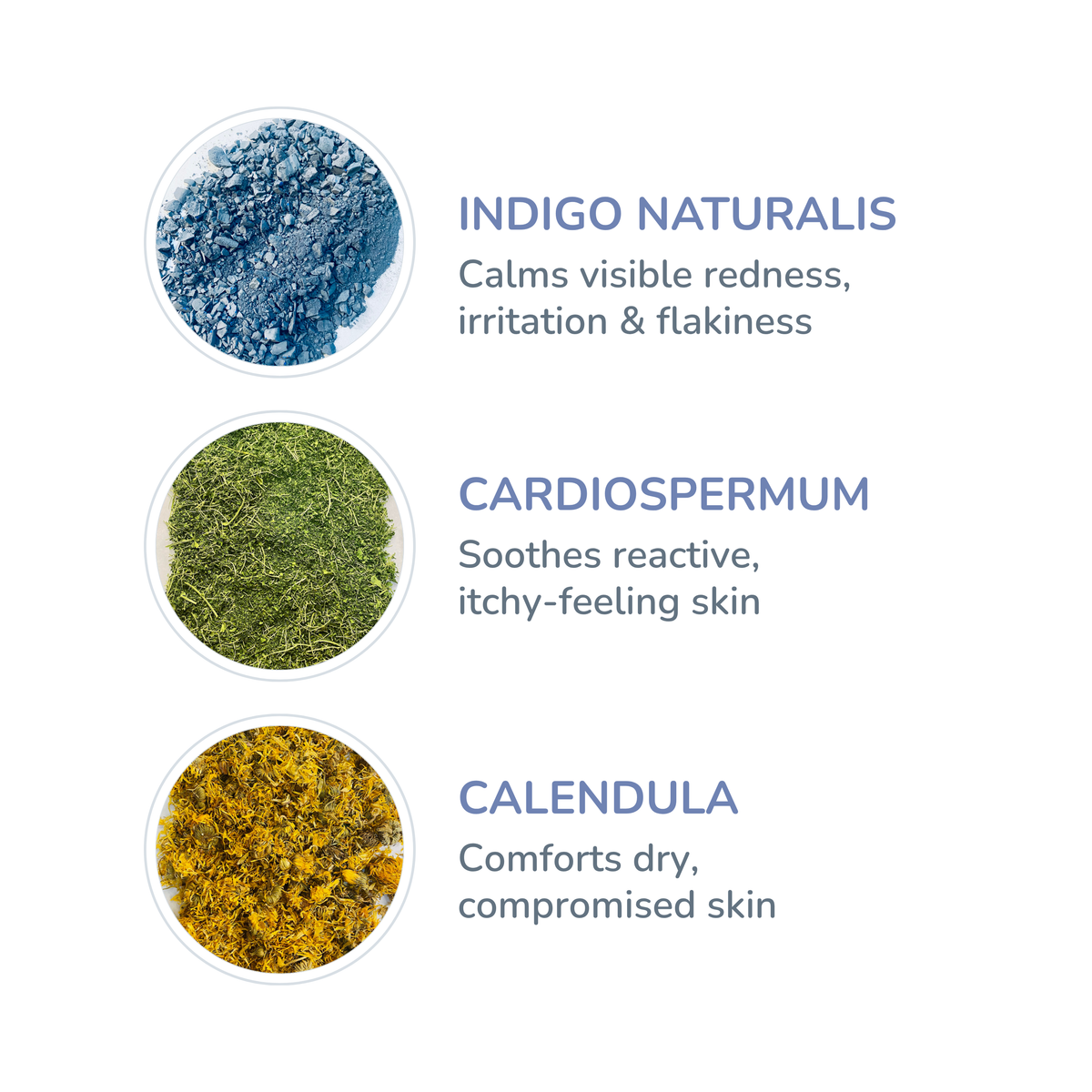
Our Indigo Balm is a good example of this approach. It combines sunflower oil, squalane, beeswax, coconut oil, shea butter, jojoba oil, hemp seed oil, and soothing botanicals to moisturize, soothe, nourish, and support the skin barrier. Rather than adding water to the balm, we let a separate hydrating serum handle that job.
Why Abby Rose Separates Hydration From Moisturization
Traditional lotions and creams attempt to deliver water and oil in a single product.
We take a different approach.
Instead of combining everything into one emulsion, we separate the routine into two simple steps:
Step 1: Hydrate with a water-based serum.
A serum made with a gentle, microbiome-friendly preservative replenishes the water that dry, compromised skin is missing.
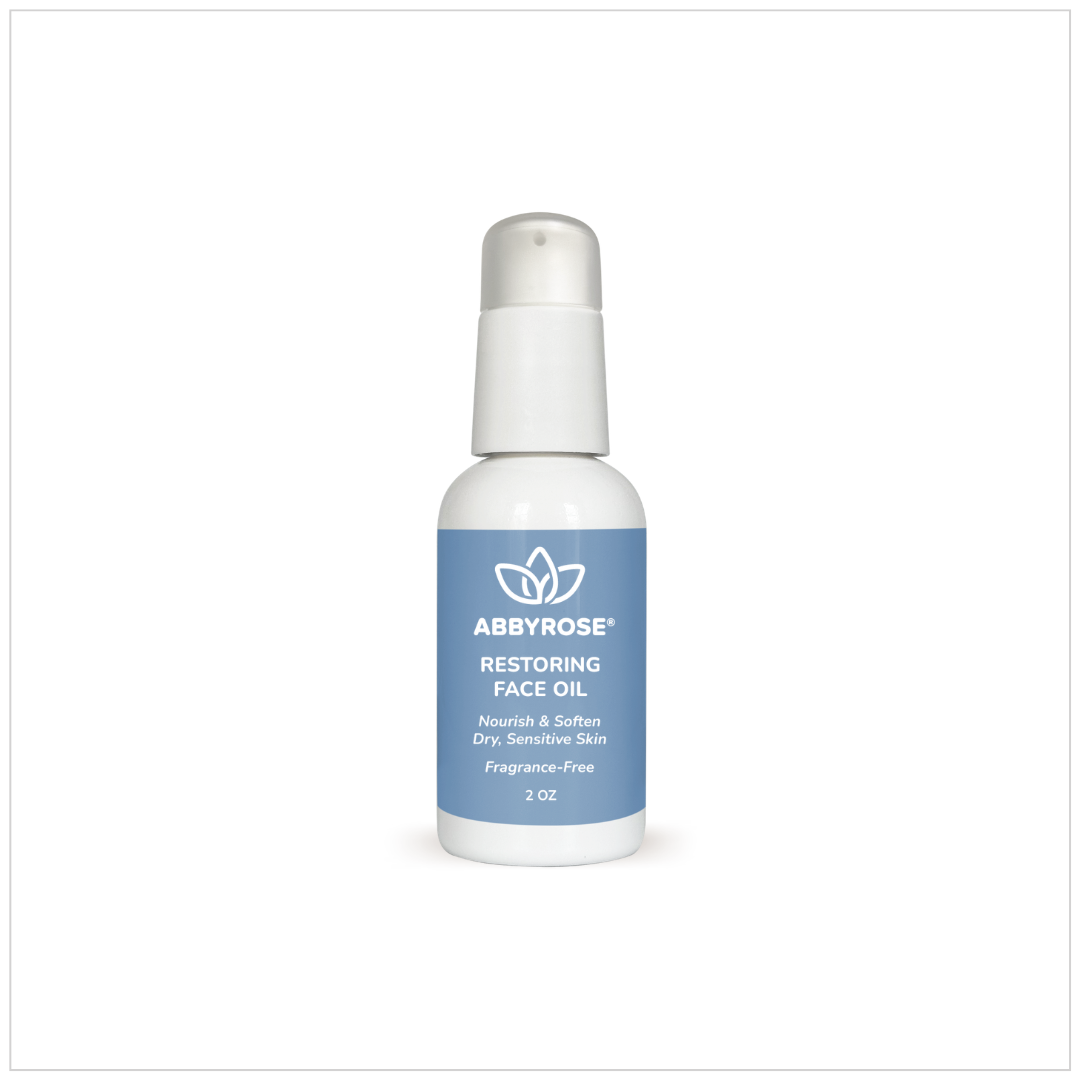
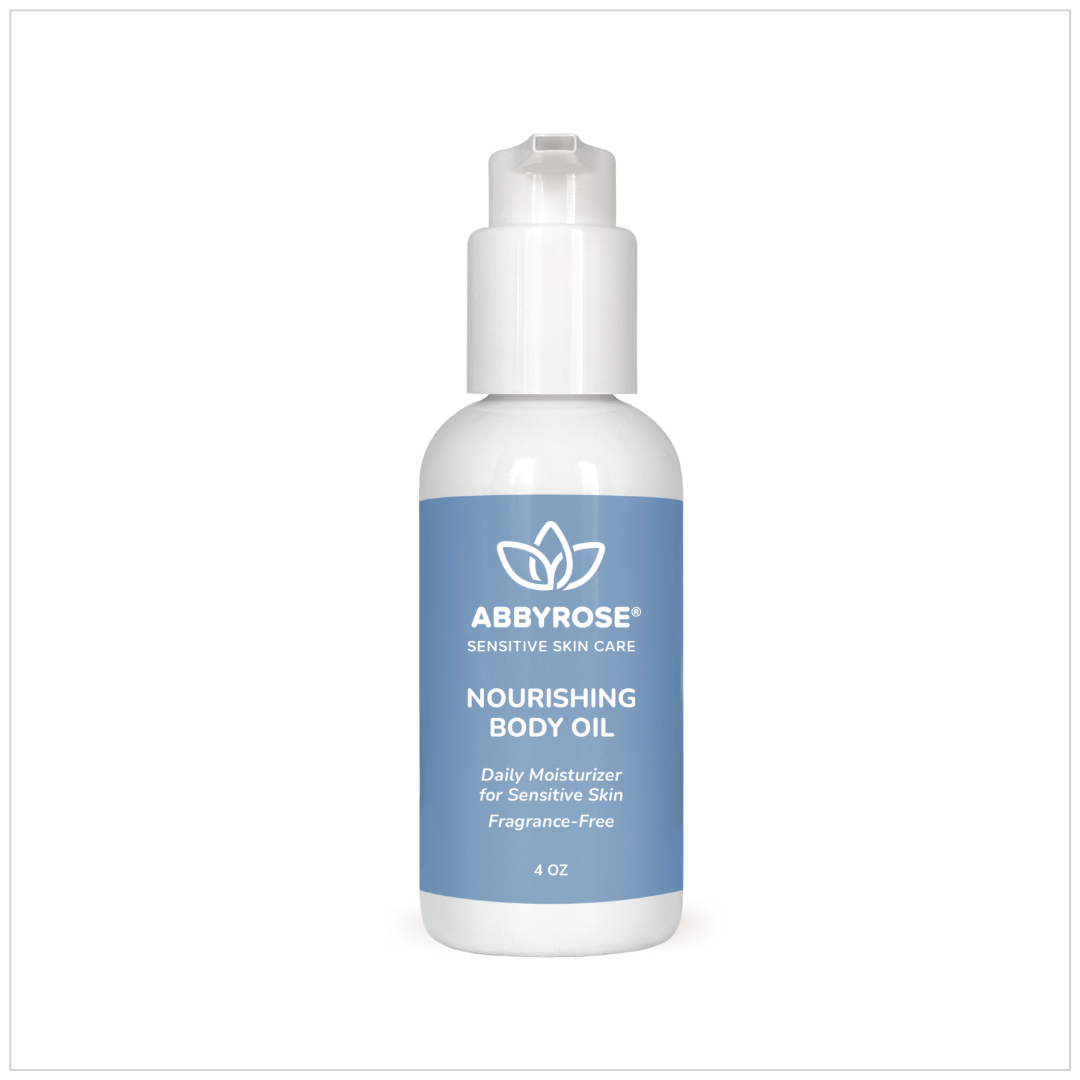
Step 2: Seal with a balm or oil.
Lipids and occlusive ingredients help nourish and soften the skin, support the skin barrier, and slow the loss of that newly added hydration.
Separating these steps gives us greater control over what goes into each formula. It also allows us to avoid emulsifiers, stabilizers, and more robust preservative systems that conventional creams and lotions require.
For someone with resilient skin, those ingredients may never cause a problem. But when skin is highly reactive, reducing unnecessary ingredients can be an important part of keeping a routine gentle and reducing the likelihood of sensitization and irritation.
So Which Moisturizer Is Best for Sensitive or Eczema-Prone Skin?
There is no single moisturizer that works for everyone.
Lotions can be convenient and lightweight. Creams provide more richness. Serums excel at delivering hydration. Balms and oils help replenish lipids and seal that hydration into the skin.
For very dry, sensitive, reactive, or eczema-prone skin, however, we believe there is an advantage to keeping those jobs separate.
Instead of asking one complicated formula to do everything, give each product a clear purpose.
Hydrate first. Then seal in hydration with an oil-based moisturizer second.
At Abby Rose Skin Care, that philosophy guides the way we formulate our products. We focus on gentle, minimalist skincare made with natural and organic ingredients whenever possible, leaving out ingredients we do not believe sensitive skin needs.
Because when your skin reacts to almost everything, sometimes the answer isn’t adding more.
It’s choosing less, more thoughtfully.