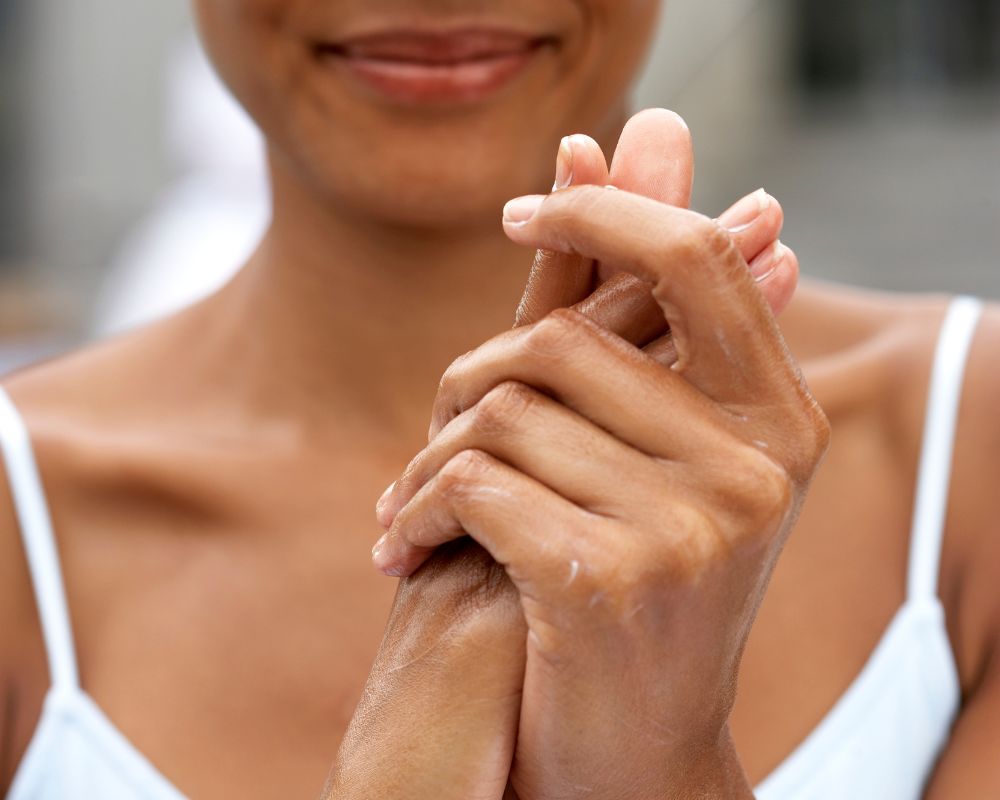

For years, skincare advice has often included a simple recommendation: apply facial oil, body oil, or balm to damp skin. The reasoning seems straightforward. Oils help lock moisture into the skin, so applying them after dampening the skin with water should help trap that hydration.
While there is truth to this concept, there is an important detail that often gets overlooked: not all water is the same and quality matters, especially if you have a compromised skin barrier, such as with eczema.
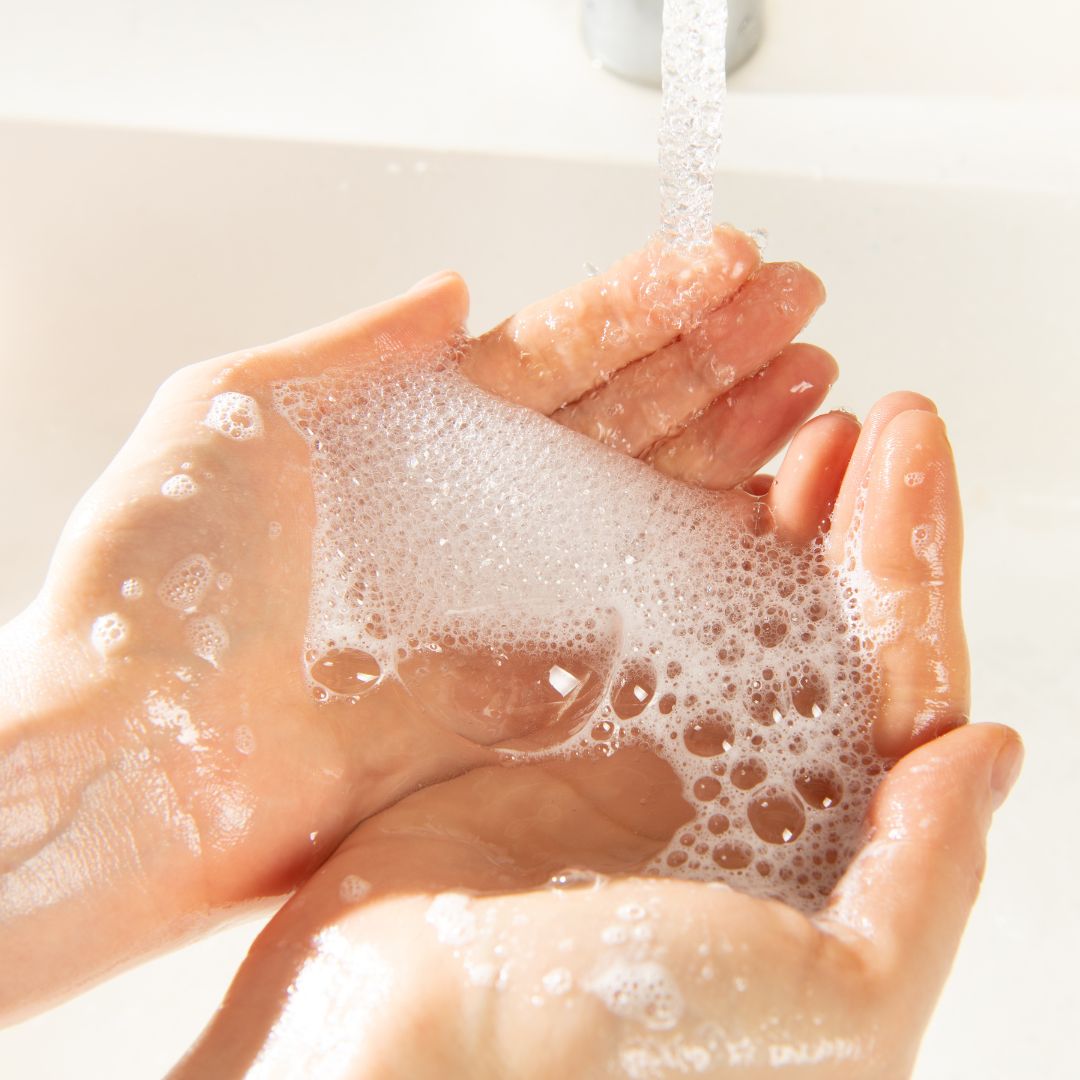
If you're using tap water to dampen your skin before applying an oil-based moisturizer, you may be exposing your skin to substances that aren't necessarily ideal, especially if you have dry, sensitive, reactive, or barrier-compromised skin as with eczema, rosacea, and psoriasis.
Let's take a closer look at why.
The Purpose of Dampening Skin Before Applying Oil
Oils are considered occlusive or semi-occlusive ingredients. Their primary role is not to hydrate the skin directly but rather to help reduce transepidermal water loss (TEWL), the natural process by which water evaporates from the skin.
Because oils help seal moisture into the skin, many people apply them after cleansing or after misting the skin with water. The idea is that the oil can help retain some of that moisture.
The concept itself isn't flawed, but the question is whether tap water is the best source of hydration to place underneath your oil.
What's Actually in Tap Water?
Municipal tap water is treated to make it safe to drink, but "safe to drink" and "ideal for skin" are not necessarily the same thing.
Depending on where you live, tap water may contain:
-
Chlorine
-
Chloramine
-
Dissolved minerals that contribute to hard water
-
Trace amounts of heavy metals
-
Other treatment byproducts
Most people won't notice any immediate effects from these substances. However, individuals with chronically dry, sensitive skin, eczema-prone skin, rosacea, or a compromised skin barrier may be more susceptible to irritation.
Research has shown that hard water, in particular, can contribute to skin dryness and may aggravate certain skin conditions by disrupting normal skin barrier function.
The Hard Water Problem
Hard water contains elevated levels of minerals such as calcium and magnesium. The minerals themselves aren't especially irritating, but when hard water dries on the skin they can contribute to irritation by temporarily increasing the skin pH, which disrupts the skin’s natural balance.
Some studies have linked long-term exposure to hard water with increased skin dryness and higher rates of eczema, particularly in susceptible individuals.
If your goal is to support a healthy skin barrier, repeatedly exposing compromised skin to hard water may not always be the most supportive approach. It’s best to gently pat dry the skin after showering to help remove the minerals from the skin and avoid locking them in under your moisturizer.
Chlorine and Chloramine Can Be Drying
Chlorine and chloramine are commonly used to disinfect public water supplies. These compounds play an important role in public health, but they are not added for the benefit of the skin.
Some people find that chlorinated water leaves their skin feeling tight, dry, or irritated after washing. For those already struggling with sensitivity, redness, or dehydration, this additional stress may be less than ideal.
While occasional exposure is unlikely to cause major problems for most individuals, it raises an important question: if you're intentionally adding moisture to support your skin, is tap water the best option available?
Why Barrier Health Matters
A healthy skin barrier acts as your body's protective shield. It helps keep moisture in while protecting against environmental irritants and allergens.
When the barrier becomes compromised, skin may become:
-
Dry
-
Tight
-
Flaky
-
Sensitive
-
Red
-
Easily irritated
In this state, skincare products and environmental exposures that might otherwise be well tolerated can become more problematic.
Supporting barrier recovery often involves reducing unnecessary irritation while increasing hydration and moisture retention.
Hydration Is More Than Just Water
One common misconception is that hydration simply means adding water to the skin.
In reality, effective hydration involves helping the skin attract, retain, and maintain moisture over time.
This is where ingredients known as humectants become valuable. Humectants help draw water into the outer layers of the skin and support longer-lasting hydration compared with water alone.
Similarly, soothing ingredients can help calm stressed or reactive skin while supporting overall barrier function.
A More Skin-Conscious Alternative
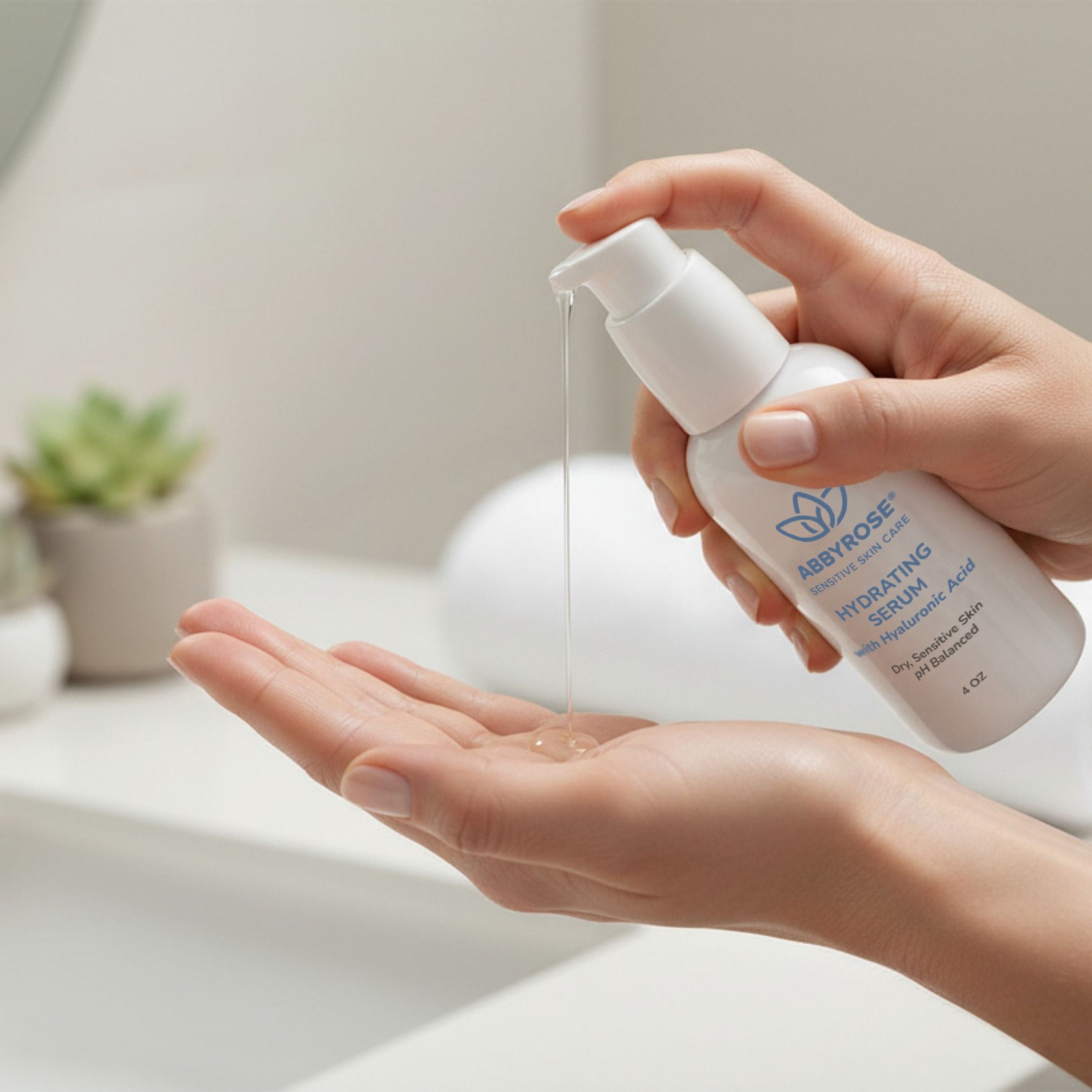
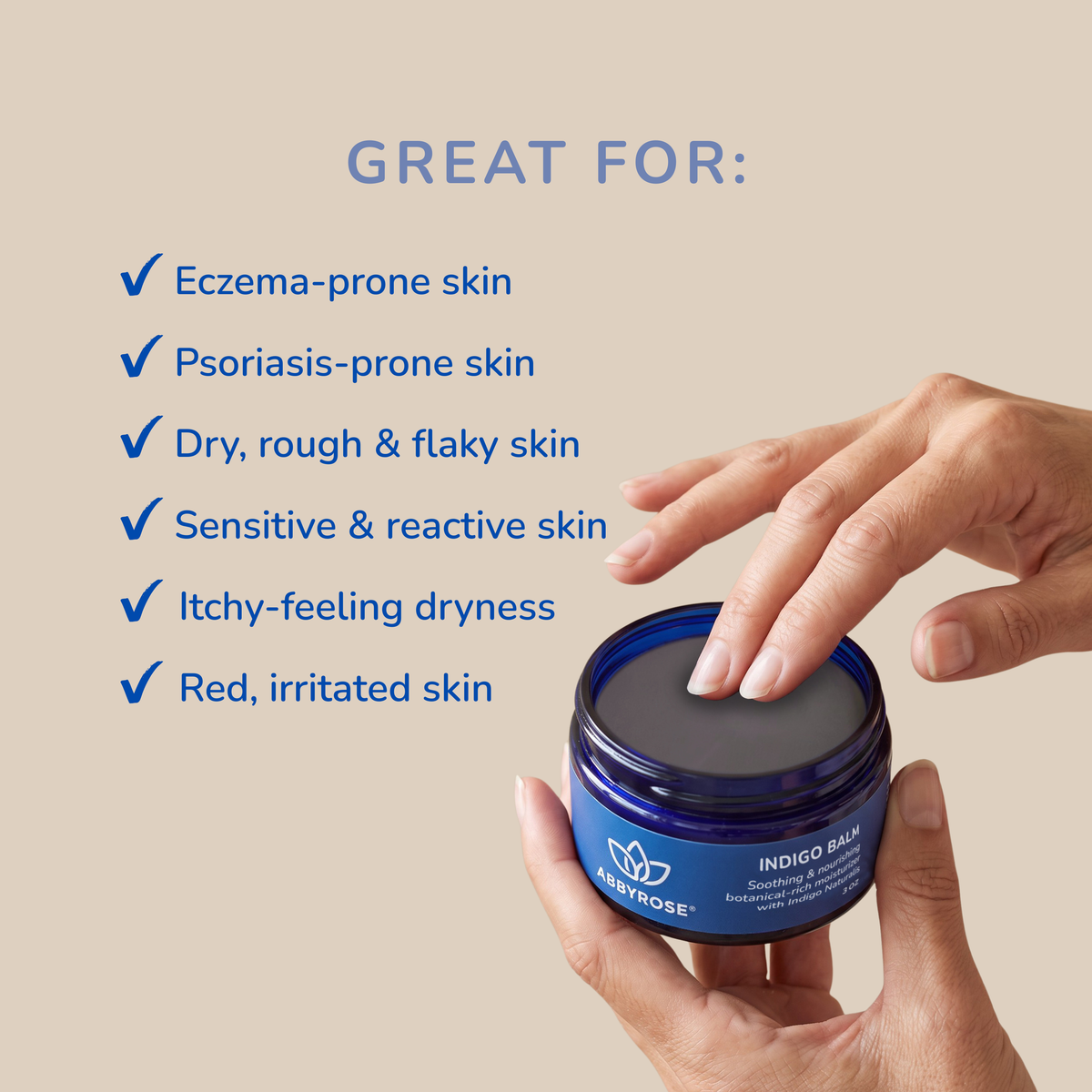
Instead of dampening the skin with tap water before applying an oil, some people prefer to use a hydrating serum specifically formulated to support the skin barrier.
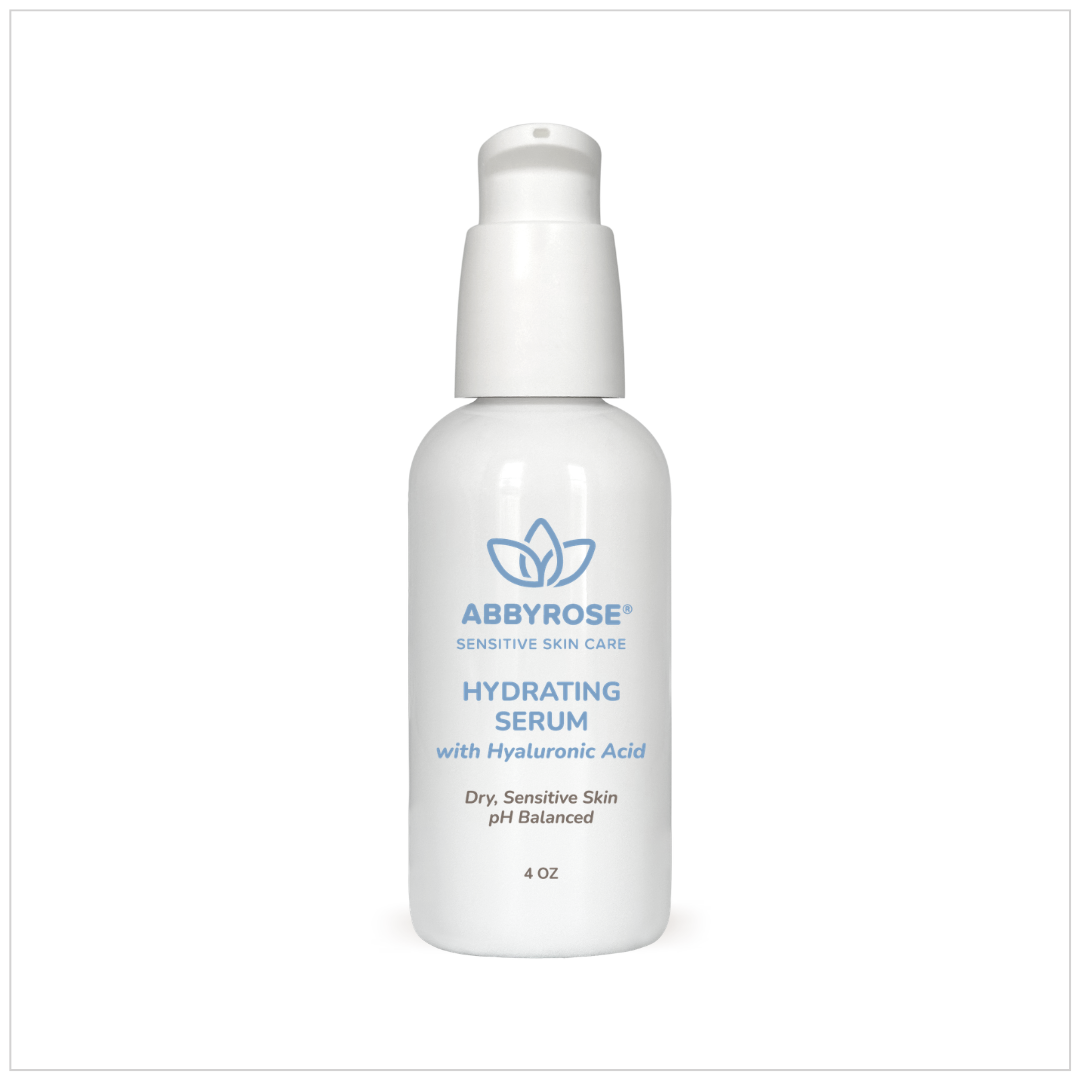
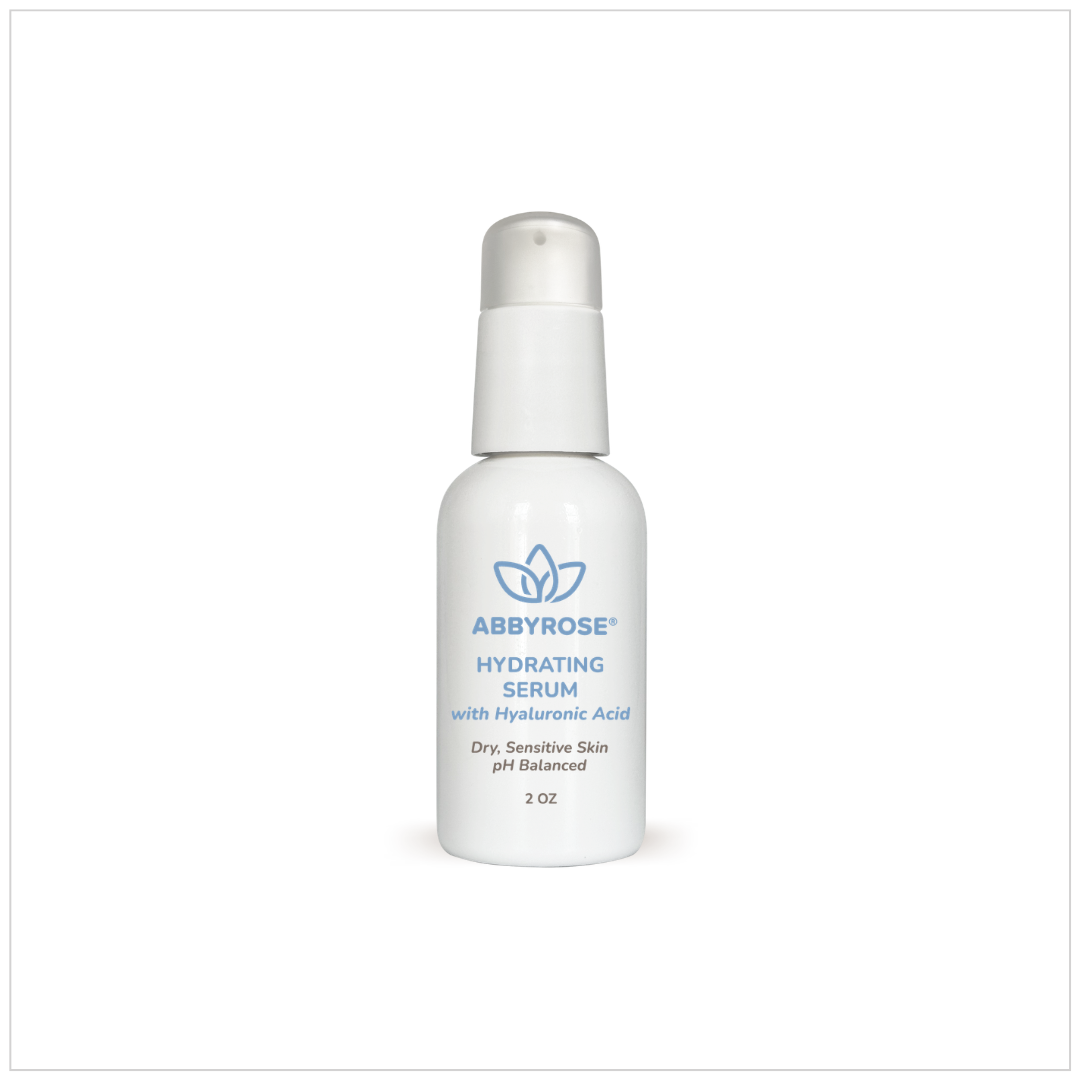
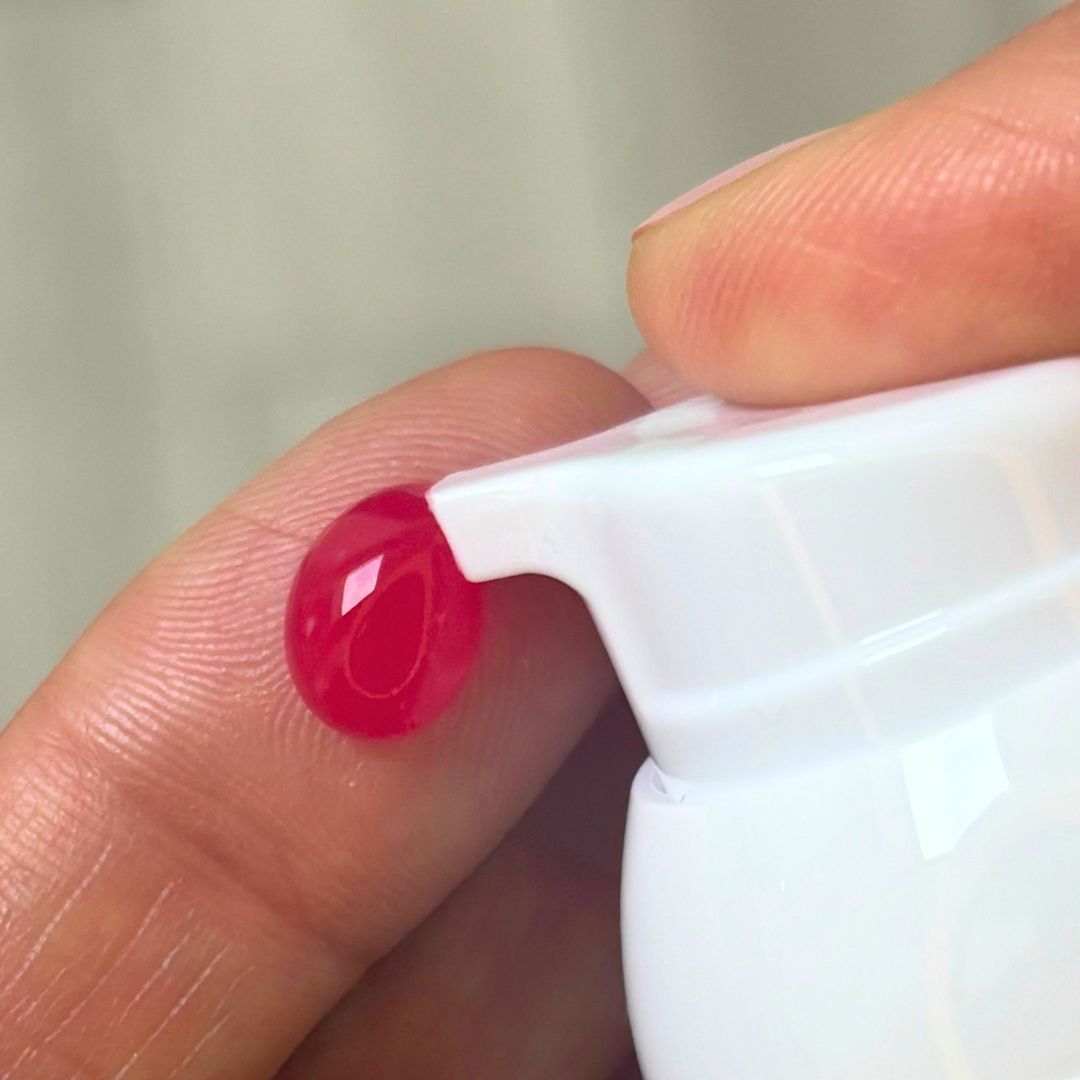
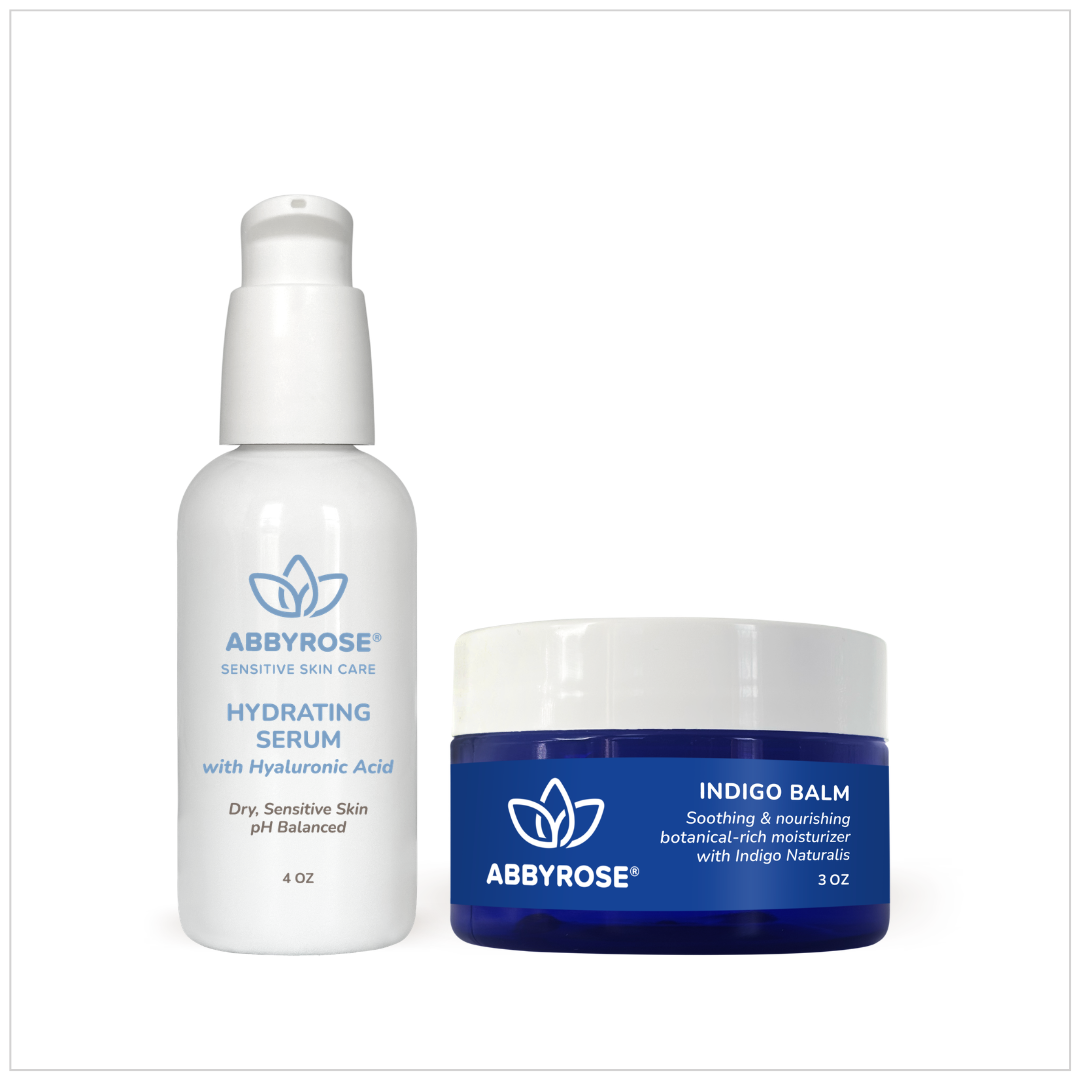
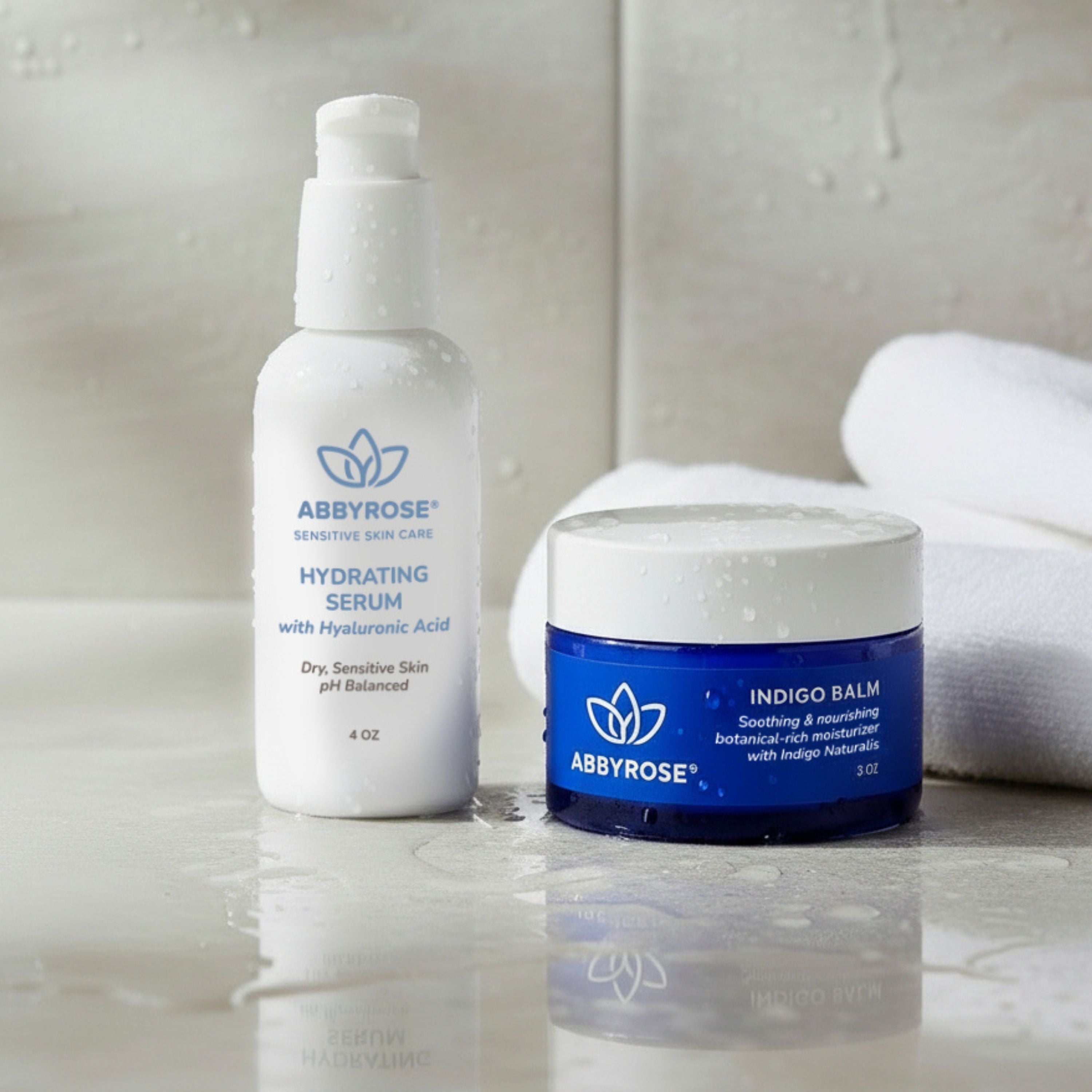
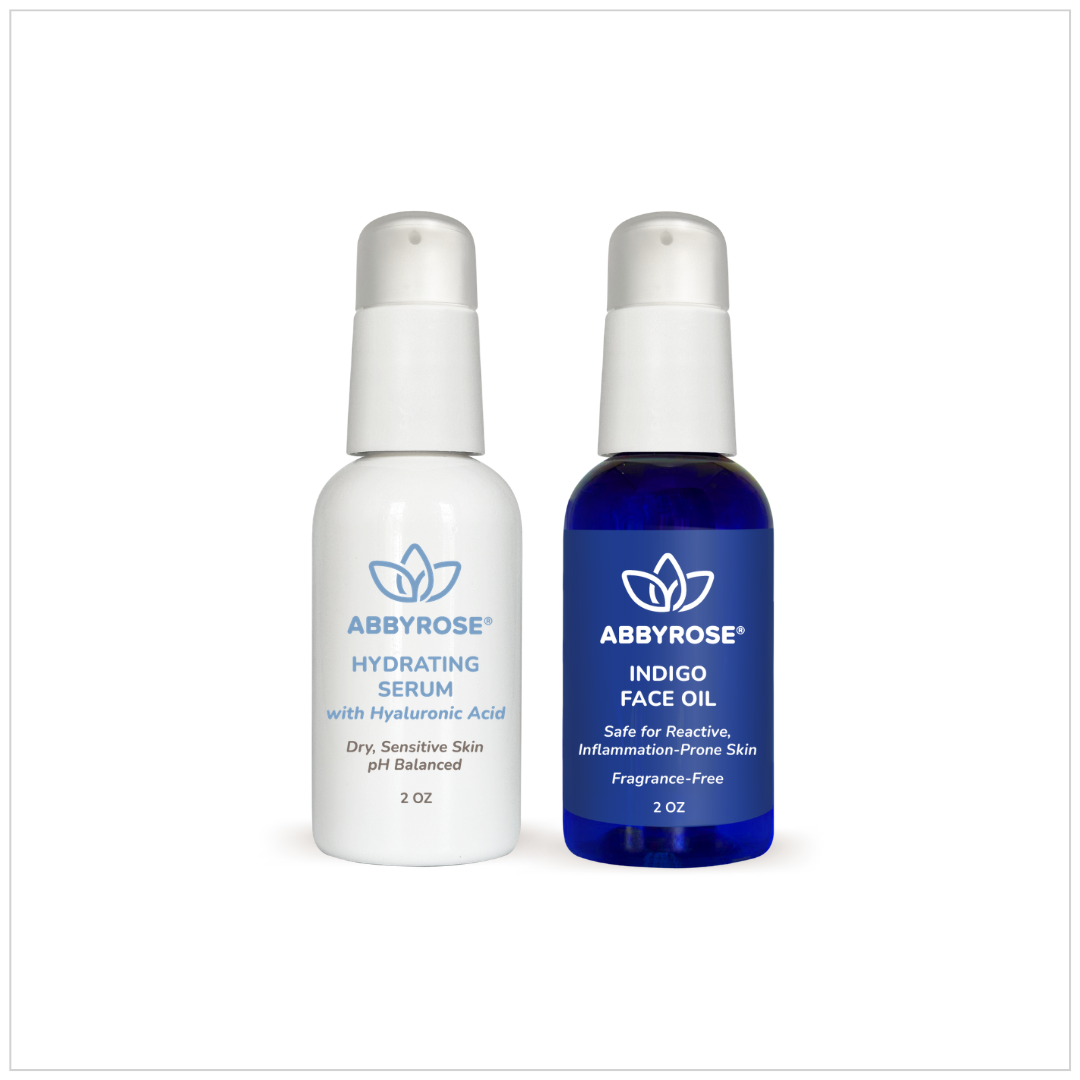
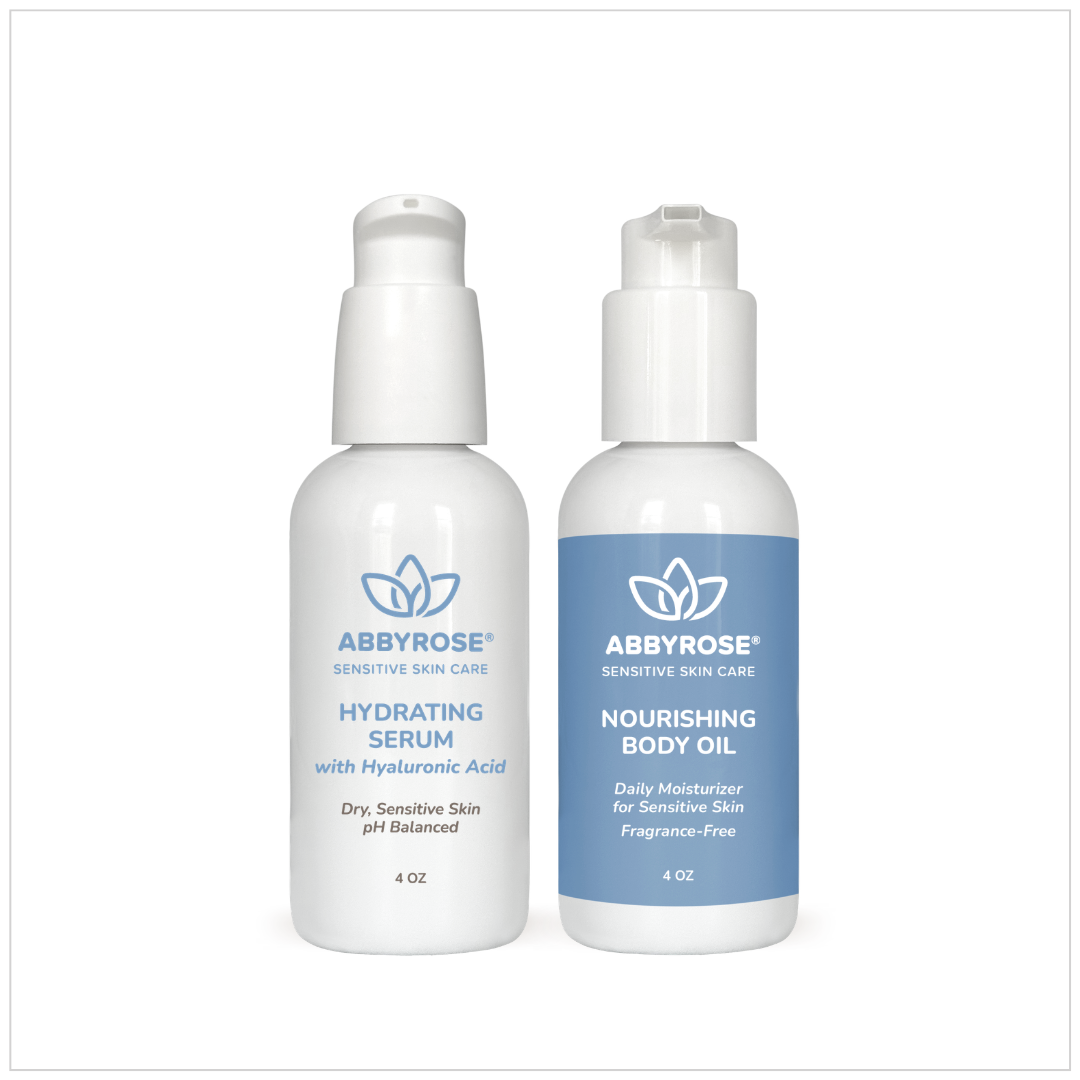
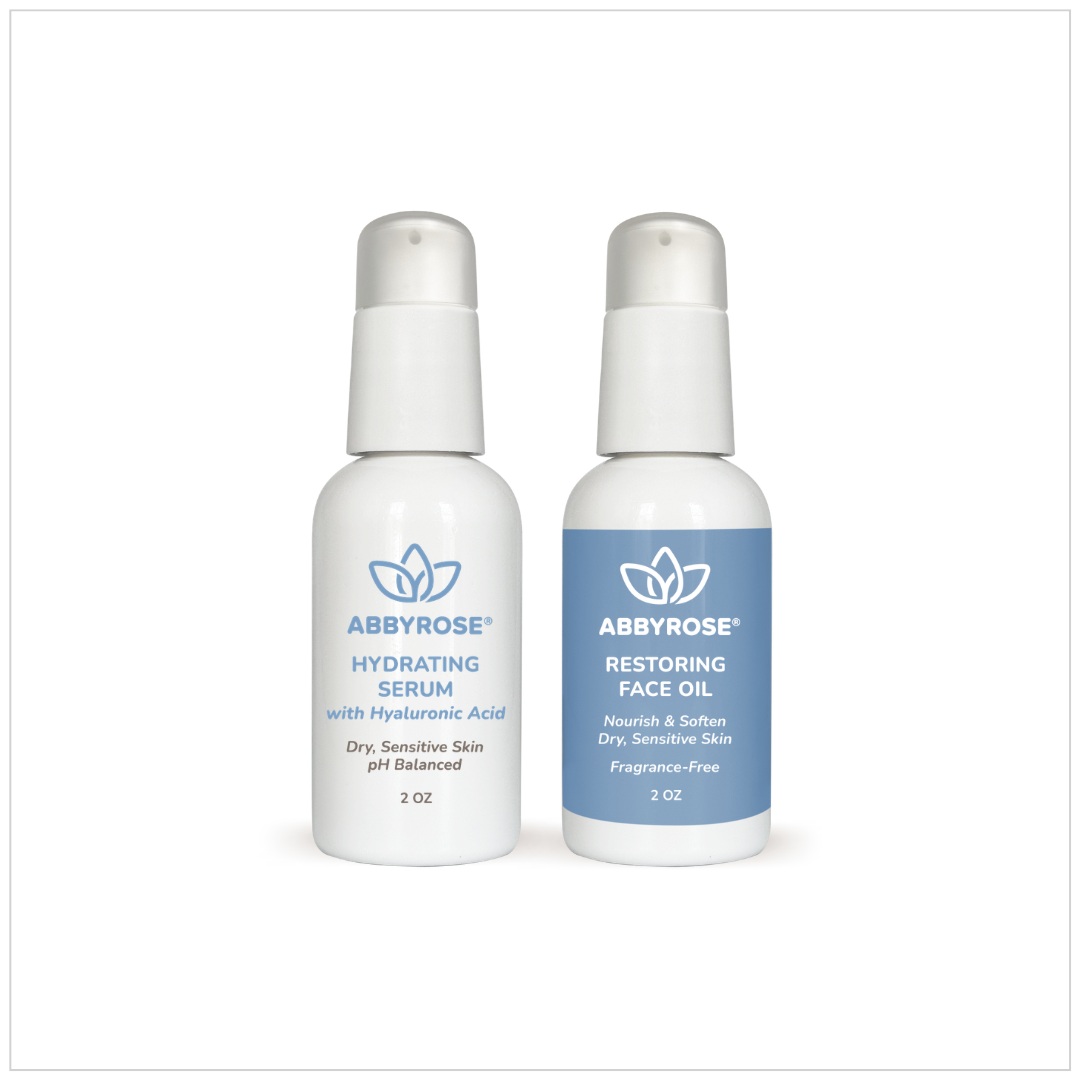
For example, Abby Rose Hydrating Serum provides hydration without relying on municipal tap water. Because it is formulated for topical skincare use, it avoids concerns related to hard water minerals, chlorine, chloramine, and potential trace contaminants that may be present in local water supplies.
The formula also offers benefits that plain water cannot provide. It contains soothing aloe along with humectant ingredients that help attract and retain moisture for longer-lasting hydration. Rather than simply wetting the skin temporarily, these ingredients can help create a more supportive microbiome-friendly environment for maintaining hydration throughout the day.
Another consideration is pH. Healthy skin naturally maintains a slightly acidic pH, which helps support barrier integrity and the skin's microbiome. A properly formulated hydrating serum can be designed with this balance in mind, whereas tap water pH can vary significantly from one location to another and is higher than ideal.
In addition, microbiome-friendly skincare formulations are increasingly recognized as an important component of maintaining healthy skin. Supporting the skin's natural ecosystem may be especially valuable for those experiencing sensitivity or barrier disruption.
The Bottom Line
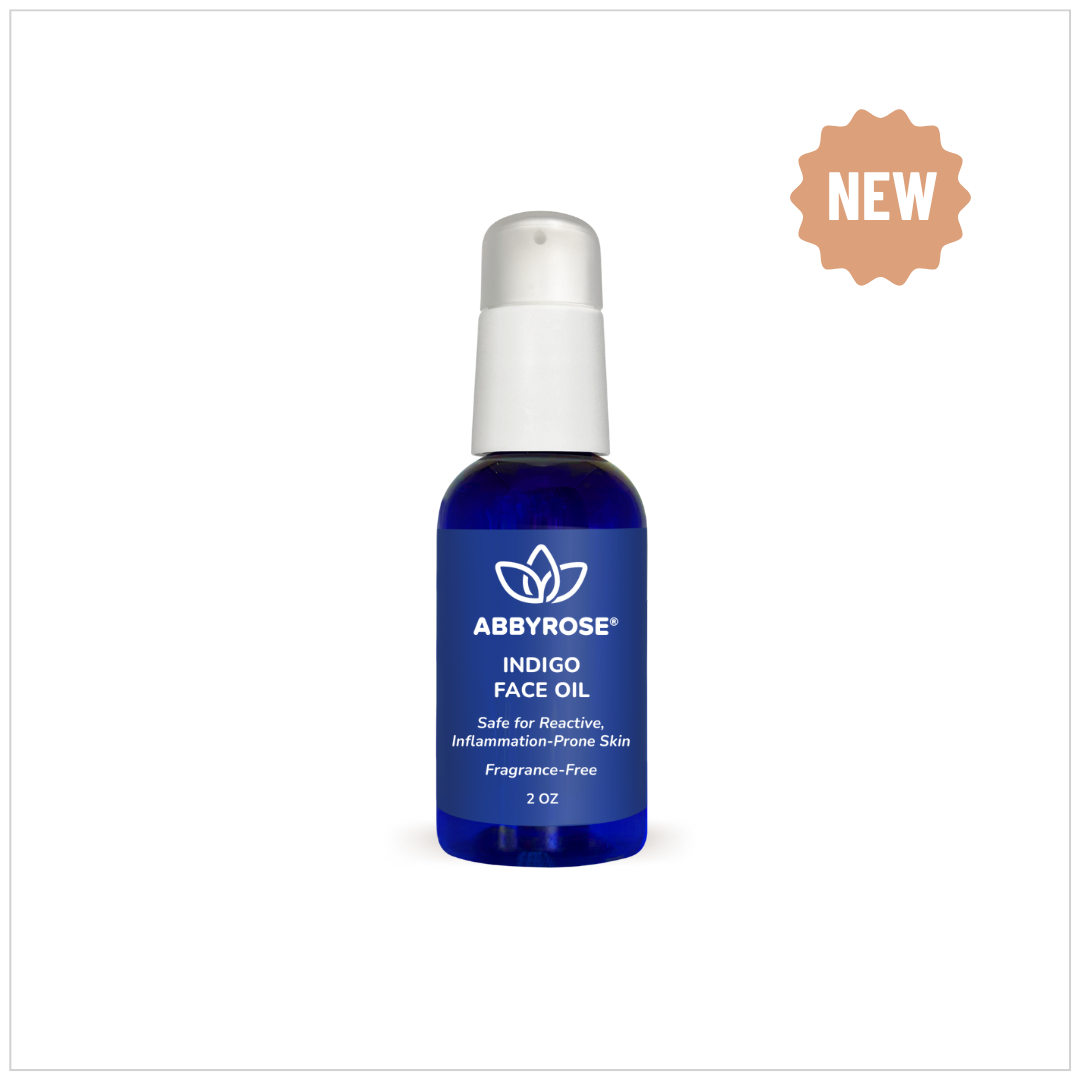
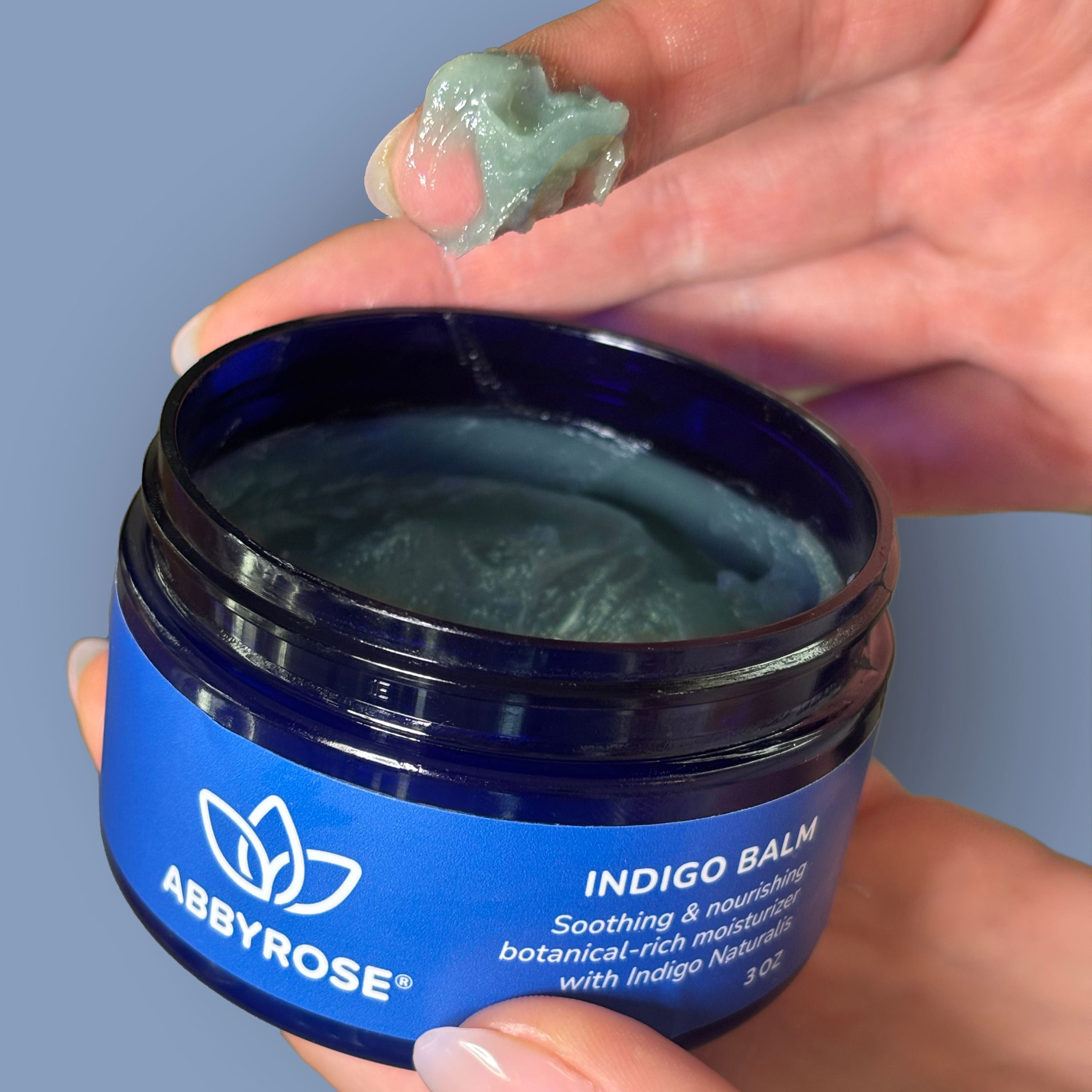
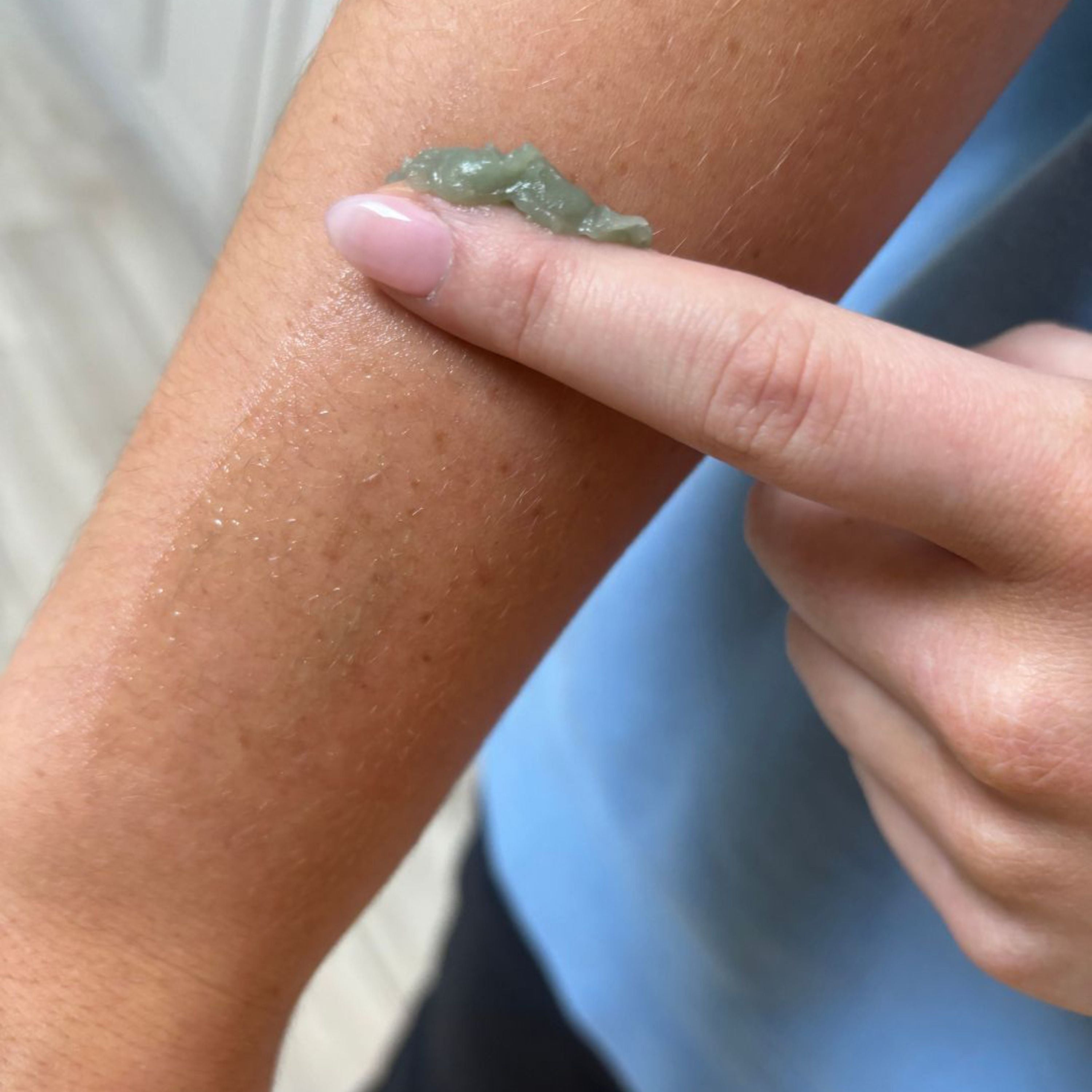
Applying oils, balms, or facial oils to damp skin is a very effective technique when done properly. However, the source of that moisture deserves more attention than it typically receives.
For individuals with resilient skin, tap water may not cause noticeable problems. But for those with dry, sensitive, reactive, or barrier-compromised skin, repeatedly using tap water as a hydration step may not be the most skin-supportive choice.
A well-formulated hydrating serum can offer more than temporary dampness. By providing humectants, soothing ingredients, pH-conscious hydration, and microbiome-friendly support, it may help create a stronger foundation before sealing everything in with an oil-based moisturizer.
Sometimes the goal isn't simply adding water to the skin, it's delivering hydration in a way that actively supports skin health.