

Have you ever used the same skincare products for years, only to suddenly find that your skin no longer tolerates them? Maybe your favorite moisturizer now causes stinging or burning, your face feels unusually tight after cleansing, or you're experiencing redness, dryness, and irritation that wasn't there before. You haven't changed your skincare routine, so why is your skin suddenly so sensitive?
The truth is, sensitive skin isn't always something we're born with. Our skin is constantly changing in response to our environment, hormones, daily habits, and the products we use. Even skin that has always been relatively balanced can become reactive under certain circumstances. For those with eczema-prone skin or a history of skin sensitivities, these changes can be particularly frustrating, especially when finding a moisturizer that doesn't sting already feels like a challenge.
Understanding what might be contributing to sudden skin sensitivity is an important first step toward choosing products that better support your skin's needs. Below, we explore common reasons your skin may suddenly become sensitive, why the skin barrier plays such an important role, and how choosing gentle, thoughtfully formulated skincare can make a difference.
What Causes Sensitive Skin?
Sensitive skin is generally described as skin that experiences uncomfortable sensations such as stinging, burning, itching, or tightness in response to things that wouldn't normally cause irritation. Some people naturally have more reactive skin, while others experience periods of increased sensitivity due to environmental changes, hormonal fluctuations, or disruption of the skin's protective barrier.
One of the most important components of healthy skin is the stratum corneum, the outermost layer of the epidermis. This layer is often compared to a brick wall, with skin cells acting as the bricks and lipids acting as the mortar that holds everything together. When functioning properly, this protective structure helps retain moisture while limiting the penetration of environmental irritants, allergens, and other potentially irritating substances.
When the skin barrier becomes compromised, moisture can escape more easily through a process known as transepidermal water loss, or TEWL. At the same time, substances that would normally remain on the surface of the skin may penetrate more easily, contributing to dryness, redness, itching, and increased sensitivity. This is particularly relevant for people with eczema-prone skin, as alterations in skin barrier function are commonly associated with this condition.
However, a compromised skin barrier isn't the only reason your skin may suddenly become reactive. Several everyday factors can influence how well your skin tolerates products and environmental changes.
Over-Exfoliation and Too Many Active Ingredients
Exfoliation can be beneficial for removing accumulated dead skin cells and improving the appearance of uneven skin texture, but more exfoliation doesn't necessarily mean better results. Many popular skincare products contain ingredients such as glycolic acid, lactic acid, salicylic acid, and retinoids, which can be helpful when used appropriately but may also contribute to irritation when used too frequently or in combination.
The problem is that many people unknowingly use multiple products containing active ingredients. A facial cleanser may contain exfoliating acids, followed by a toner with additional acids, a treatment serum, and perhaps a retinol cream at night. While each product may be effective individually, layering them together can overwhelm sensitive skin and interfere with its natural protective barrier.
When the skin becomes over-exfoliated, it may feel unusually tight, appear shiny or red, and begin stinging when products are applied. Even a moisturizer that previously felt comfortable may suddenly cause irritation. If this sounds familiar, consider temporarily eliminating exfoliating products and simplifying your routine. Gentle cleansing, moisturizing, and daily sun protection are often a better place to start when your skin feels reactive.
A Compromised Skin Barrier
Our skin barrier is constantly exposed to environmental stressors, cleansing products, friction, and changes in temperature and humidity. Although it is designed to be resilient, repeated exposure to these factors can affect its ability to function properly. When this happens, the skin may lose moisture more easily, becoming dry, rough, flaky, and increasingly sensitive to products that were previously well tolerated.
People with eczema-prone skin often experience challenges related to skin barrier function. Research has shown that alterations in the proteins and lipids responsible for maintaining the skin's protective structure can contribute to increased moisture loss and sensitivity. This helps explain why finding the right moisturizer for eczema-prone or extremely sensitive skin can be so difficult. When the barrier is already compromised, certain ingredients may cause uncomfortable stinging or burning upon application.
Supporting the skin barrier involves more than simply adding moisture. Humectants, such as glycerin and hyaluronic acid, help attract and retain water in the outer layers of the skin, while emollients soften and smooth dry areas. Occlusive ingredients help reduce moisture evaporation by creating a protective layer over the skin. Combining these functions in a gentle skincare routine can help maintain hydration and improve skin comfort without relying on harsh or unnecessary ingredients.
Changes in Weather and Humidity
Have you ever noticed that your skin feels perfectly comfortable during the summer but becomes dry, itchy, or sensitive as soon as the weather turns cold? Environmental changes can have a significant impact on skin comfort, particularly for people with dry, sensitive, or eczema-prone skin.
During colder months, outdoor air generally contains less moisture, while indoor heating systems can further reduce humidity. When the surrounding air is dry, moisture can evaporate from the skin more readily, especially when the skin barrier is already compromised. Cold temperatures, wind, and frequent transitions between heated indoor environments and chilly outdoor conditions can also contribute to dryness and irritation.
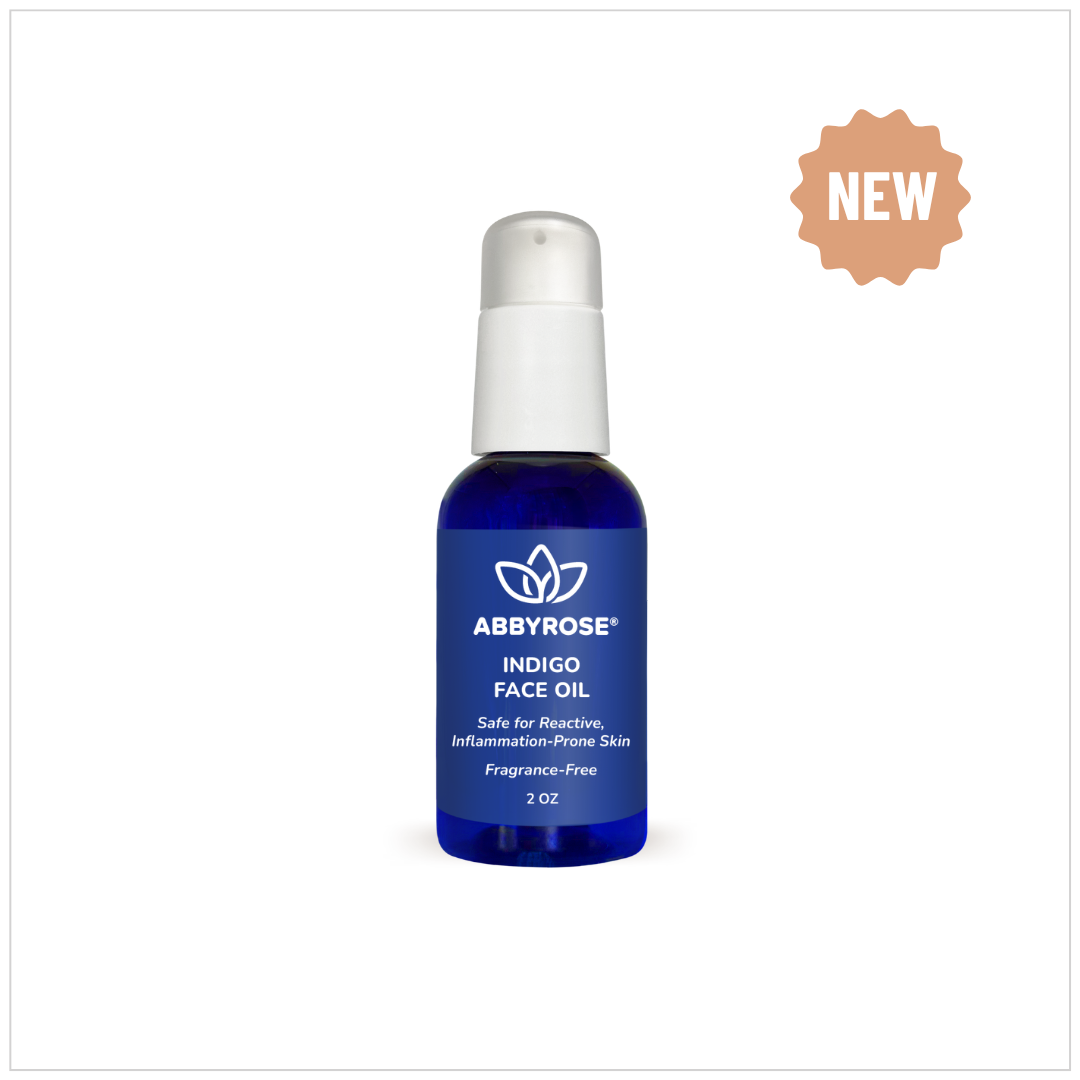
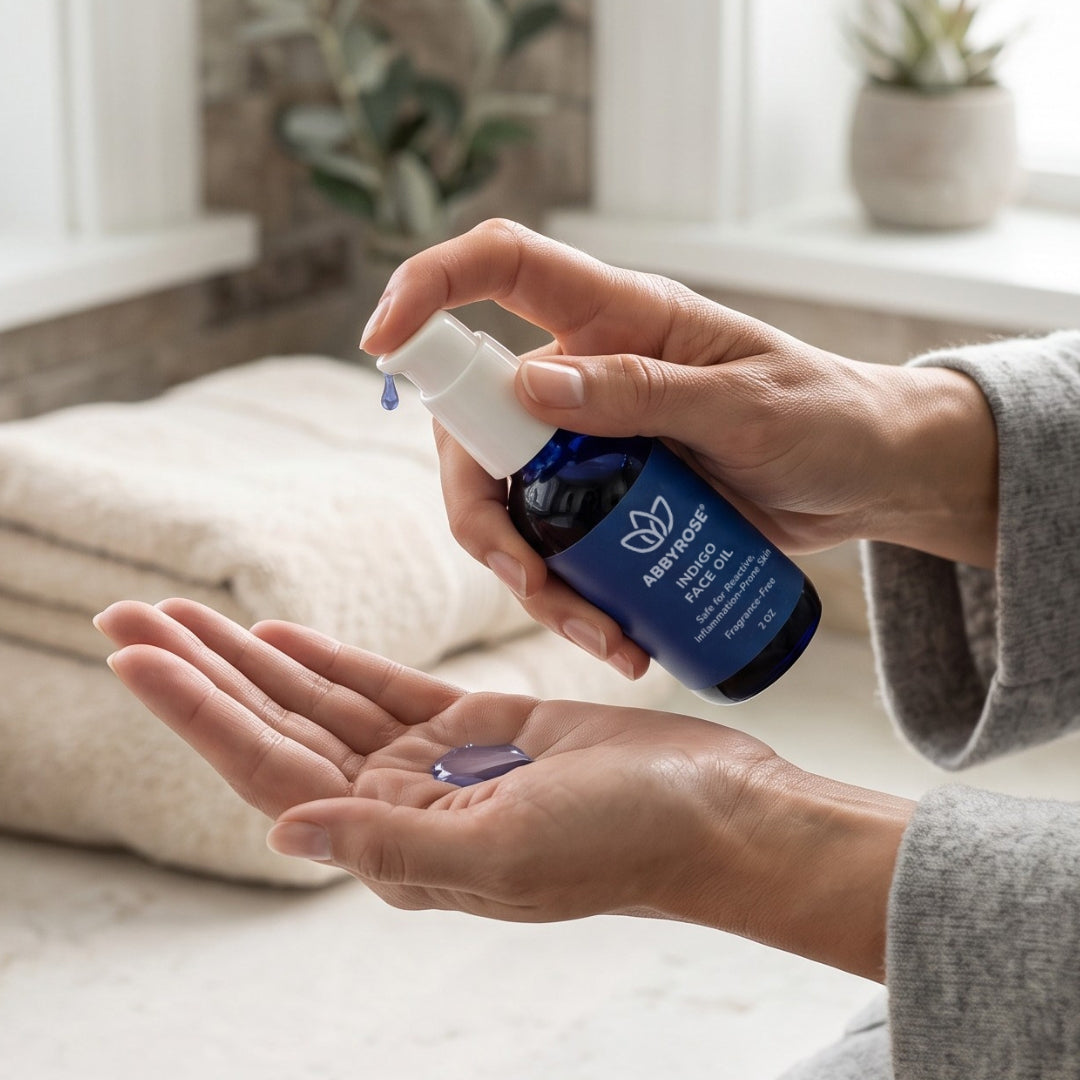
However, winter isn't the only season that can affect sensitive skin. Heat, perspiration, sun exposure, and frequent cleansing during warmer months may also increase skin reactivity. For this reason, your skincare routine may need to change throughout the year. A lightweight moisturizer may feel sufficient during humid summer months, while colder weather may call for a richer botanical balm or facial oil to help reduce moisture loss and maintain skin comfort.
Hormonal Changes
Hormones influence many aspects of skin function, including oil production, hydration, and the composition of the skin barrier. As hormone levels fluctuate throughout our lives, the way our skin looks and feels can change, sometimes quite unexpectedly.
Estrogen, for example, plays an important role in maintaining skin hydration and supporting the structural components of the skin. During perimenopause and menopause, declining estrogen levels may contribute to increased dryness, changes in skin texture, and greater sensitivity. Someone who has always had oily or combination skin may suddenly notice that their skin feels dry, tight, or more reactive than it did just a few years earlier.
Hormonal fluctuations during pregnancy, the menstrual cycle, and other life stages can also influence skin behavior. These changes don't necessarily mean something is wrong with your skincare routine, but they may indicate that your skin has different needs than it once did. Choosing gentle skincare products that focus on hydration and moisture retention can be particularly helpful when your skin is experiencing these transitions.
Developing a Sensitivity to Skincare Ingredients
One of the more surprising reasons your skin may suddenly become sensitive is that it's possible to develop an allergy to an ingredient you've used for years. This is different from irritation caused by an impaired skin barrier. Irritant contact dermatitis occurs when a substance directly irritates the skin, while allergic contact dermatitis involves an immune response to a particular ingredient.
According to the American Academy of Dermatology, allergic reactions can develop even after someone has used a product without problems for an extended period. Common triggers include fragrances, preservatives, certain botanical extracts, and ingredients found in cosmetics and personal care products. It's also important to remember that products marketed as natural or organic aren't automatically suitable for sensitive skin. Essential oils, for example, contain numerous aromatic compounds that can be irritating or sensitizing for certain individuals.
Even products labeled as fragrance-free may contain ingredients that don't agree with your skin. Additionally, the source of irritation may not be your facial moisturizer at all. Shampoo, conditioner, laundry detergent, hair styling products, and other personal care items can come into contact with the skin and contribute to unexpected reactions.
For people whose skin seems to react to everything, carefully reviewing ingredient lists can be especially important. Sometimes, the difference between a product that feels comfortable and one that causes stinging comes down to the overall formulation rather than a single beneficial ingredient.
Over-Cleansing and Harsh Cleansers
Cleansing is an essential part of skincare, but how often you wash your face and the type of cleanser you use can make a significant difference, particularly if you have sensitive or eczema-prone skin. The surface of our skin contains natural oils, lipids, and moisturizing substances that contribute to its protective function. While cleansers are designed to remove dirt, excess oil, sunscreen, and other impurities, some formulas can also remove too much of the skin's natural protective oils.
This is especially true when using harsh soaps, strong foaming cleansers, or very hot water. Over time, repeated cleansing can contribute to dryness and increased moisture loss, leaving the skin feeling tight and uncomfortable. If your face feels extremely dry immediately after washing, or you feel the need to apply moisturizer within seconds to relieve tightness, your cleanser may be too harsh for your skin.
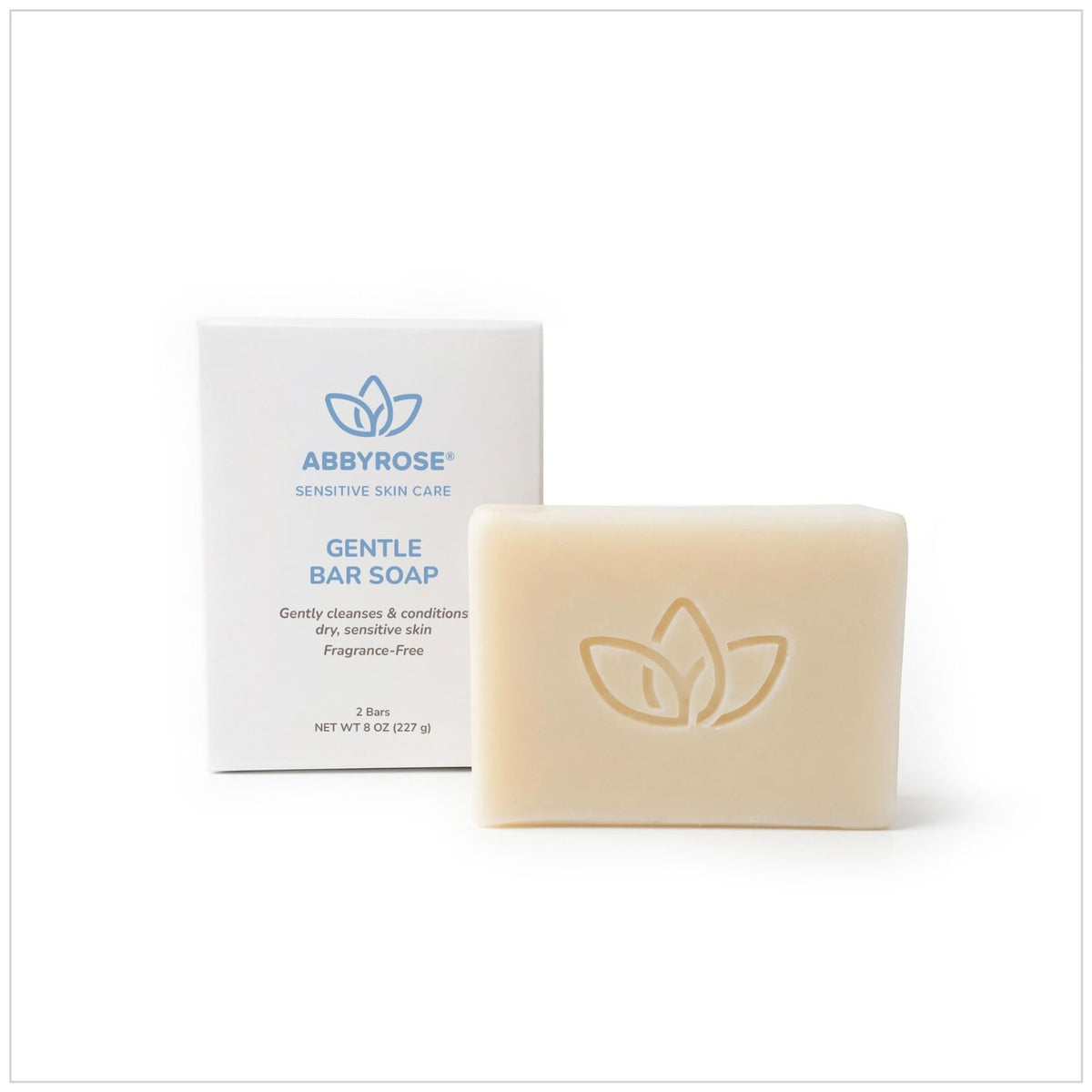
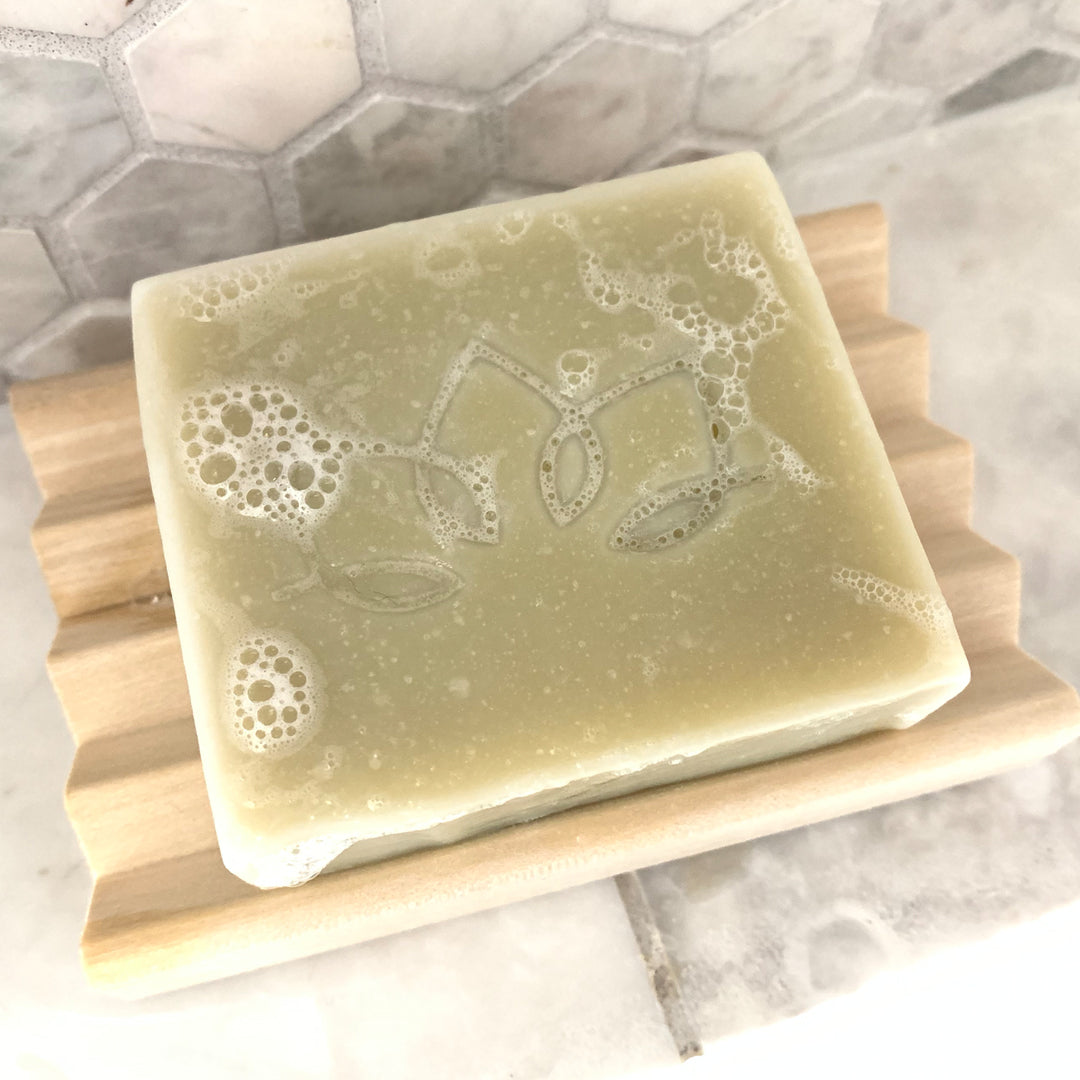
For dry or sensitive skin, choosing a gentle cleanser that removes impurities without leaving the skin feeling stripped is important. Some people find that cleansing once in the evening and simply rinsing with lukewarm water in the morning is sufficient. The goal is to keep the skin clean without unnecessarily disturbing the natural oils and lipids that help maintain its protective barrier.
Stress and Lifestyle Changes
We often think of skincare as something that happens entirely on the surface, but our skin is influenced by what's happening throughout the body. Stress, sleep patterns, and changes in daily routines can all affect how our skin behaves.
During periods of psychological stress, the body releases hormones and signaling molecules that can influence skin function. Research has associated stress with changes in epidermal barrier function and increased transepidermal water loss under certain conditions. Stress can also influence existing skin concerns, potentially making the skin feel more reactive or uncomfortable.
While stress isn't always something we can eliminate, maintaining a consistent skincare routine can be helpful during these periods. Rather than introducing several new products in an attempt to quickly improve your skin, consider focusing on a few gentle essentials. Adequate sleep, balanced nutrition, and daily habits that support overall well-being can also complement a thoughtful skincare routine.
Why Does Moisturizer Suddenly Burn or Sting?
One of the most common complaints among people with extremely sensitive skin is that nearly every moisturizer seems to sting or burn when applied. This can be particularly frustrating when a product is specifically marketed for sensitive skin or contains ingredients that are generally considered gentle.
When the skin barrier is compromised, ingredients may penetrate the outer layers of the skin more readily, increasing the likelihood of uncomfortable sensations. Certain preservatives, fragrances, alcohol-based ingredients, exfoliating acids, and other components of a formulation may contribute to stinging, particularly when the skin is already dry or irritated.
However, even ingredients that are generally well tolerated can cause discomfort under certain circumstances. This is why the entire formulation matters. A product's pH, ingredient concentrations, preservation system, and combination of ingredients can all influence how it feels on sensitive skin.
For people with eczema-prone skin or a history of reacting to multiple moisturizers, choosing products with carefully selected ingredients and avoiding known personal triggers can make a meaningful difference. A shorter ingredient list isn't automatically better, but eliminating unnecessary ingredients can reduce the number of potential irritants the skin encounters.
The Importance of Gentle, Natural Ingredients for Sensitive Skin
When choosing skincare for sensitive or reactive skin, it's easy to become overwhelmed by long ingredient lists and promises of dramatic results. However, sensitive skin often benefits from a more thoughtful approach that prioritizes moisture retention, skin comfort, and a healthy skin barrier.
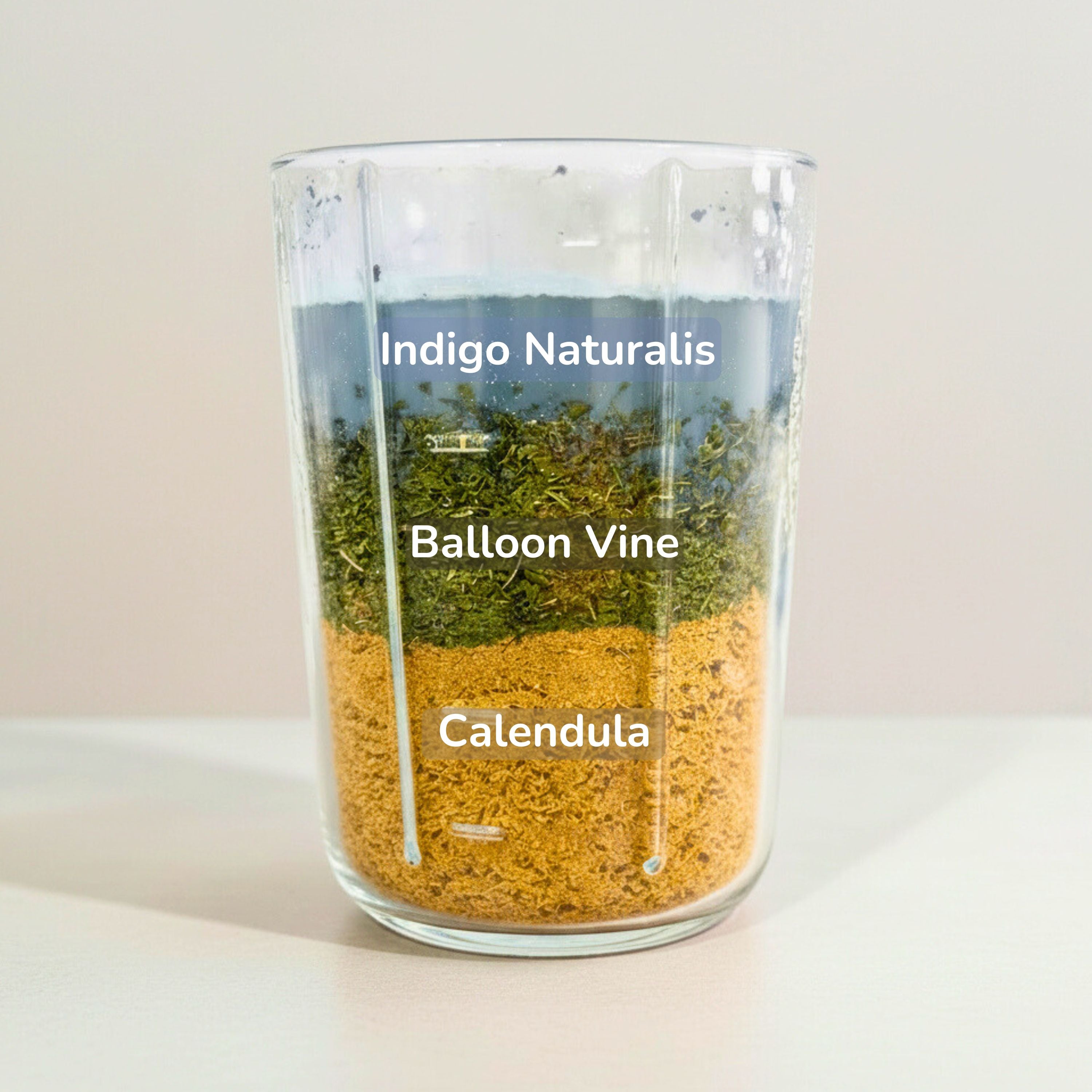
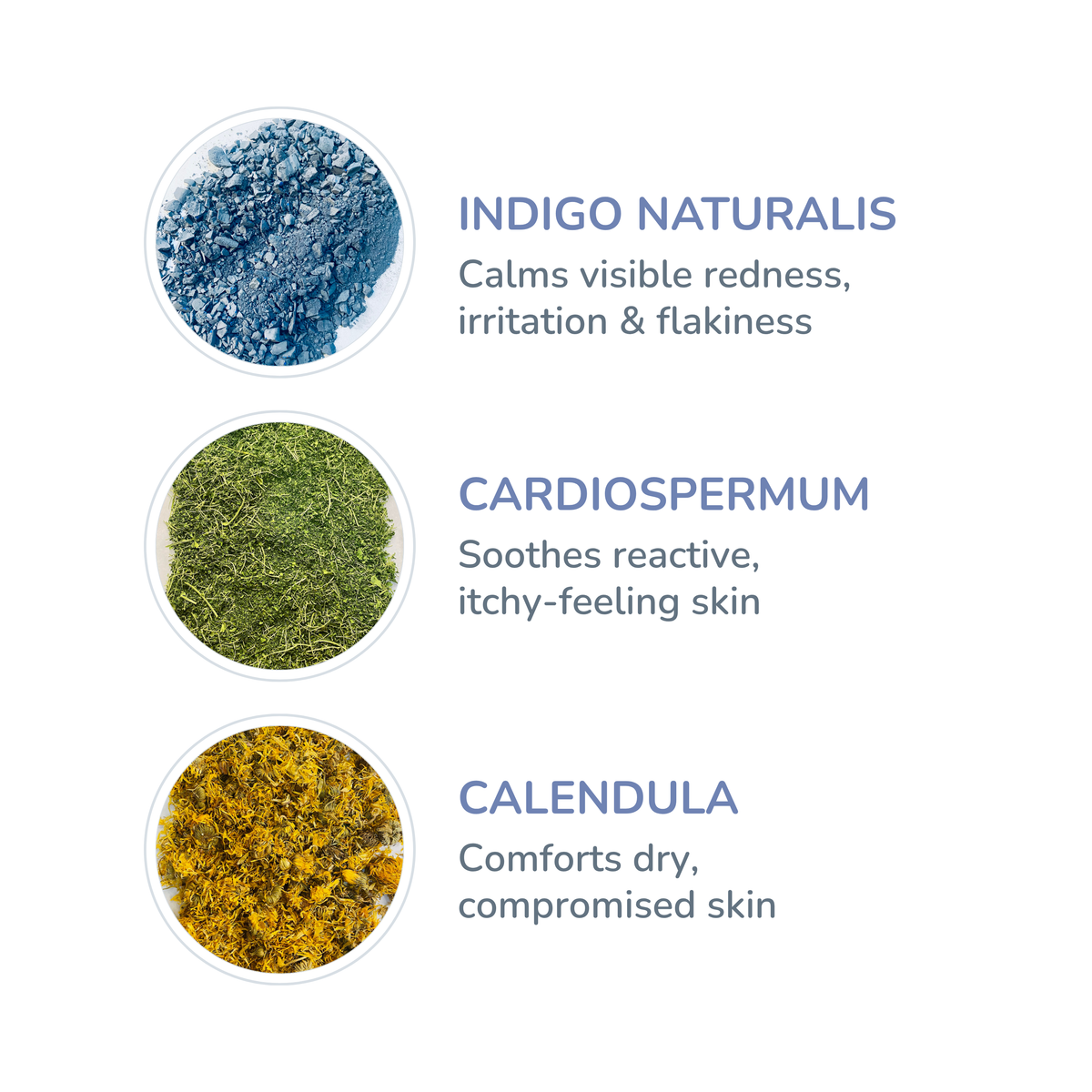
Certain botanical ingredients are particularly interesting because of their unique properties and long history of use in skincare. Indigo naturalis, for example, is a botanical ingredient traditionally used in Chinese herbal preparations and has been investigated in scientific research involving inflammatory skin conditions. These studies have contributed to growing interest in indigo naturalis and its unique properties, particularly in skincare formulations designed for soothing sensitive, reactive, and eczema-prone skin.
Other ingredients, such as sunflower seed oil, jojoba oil, and carefully selected plant-derived emollients, can help soften dry skin and support moisture retention. Sunflower seed oil is especially interesting because it contains linoleic acid, a fatty acid associated with the lipids that help maintain the skin's protective barrier.
For those with eczema-prone skin, extremely dry skin, or sensitivity to conventional skincare products, the goal should be to choose ingredients that help the skin feel comfortable without introducing unnecessary complexity. Natural skincare isn't inherently gentler simply because an ingredient comes from a plant. What matters is selecting the right ingredients, using them at appropriate concentrations, and formulating products with sensitive skin in mind.
Why Abby Rose Skin Care Is Different
If you've struggled to find a moisturizer that doesn't sting, burn, or leave your skin feeling more uncomfortable, you know how discouraging it can be to try product after product without finding something that works for you. This frustration is exactly why Abby Rose Skin Care was created. Our minimalist approach to skincare is rooted in the belief that sensitive skin deserves products formulated with exceptional care, using ingredients chosen for their purpose rather than simply because they're popular or trendy.
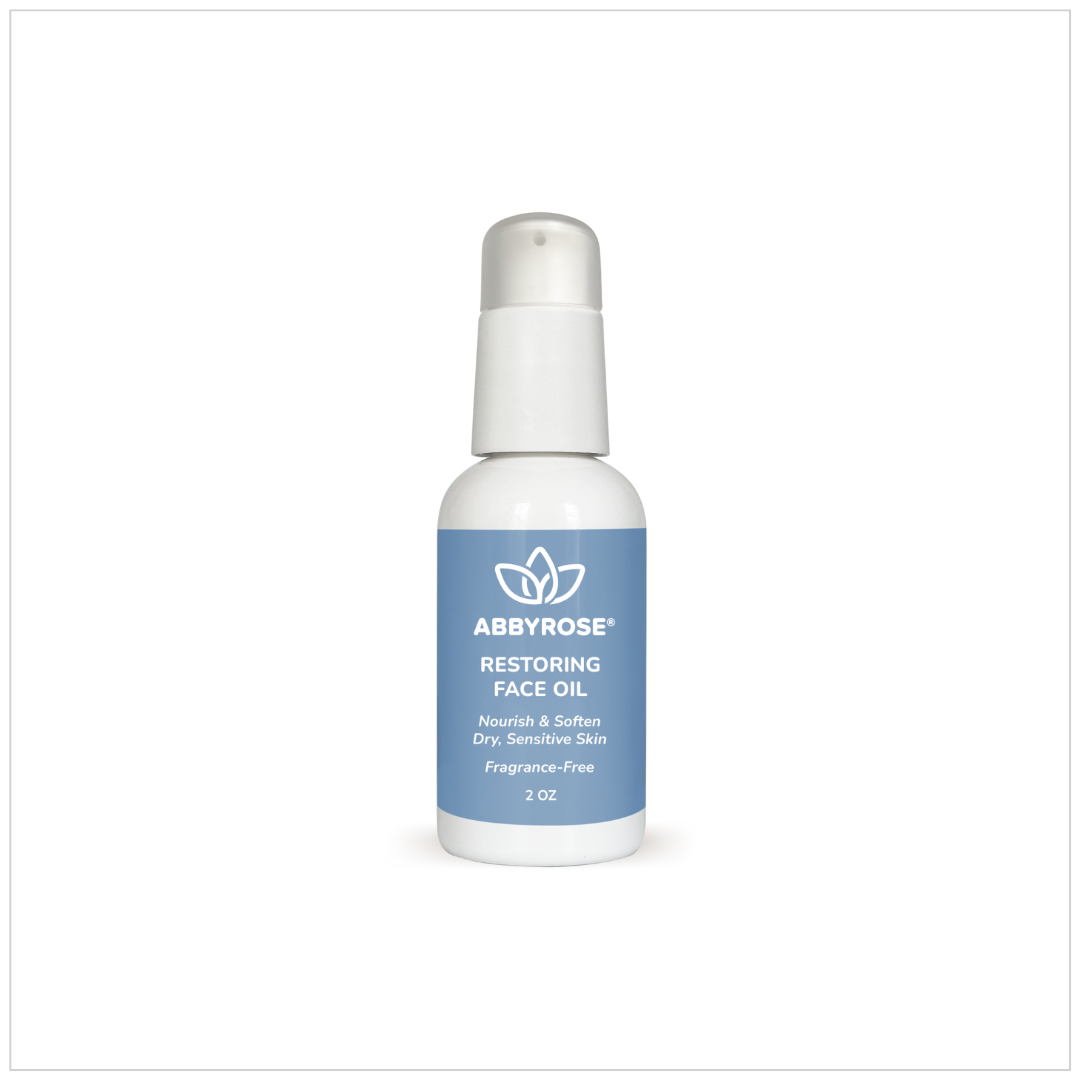
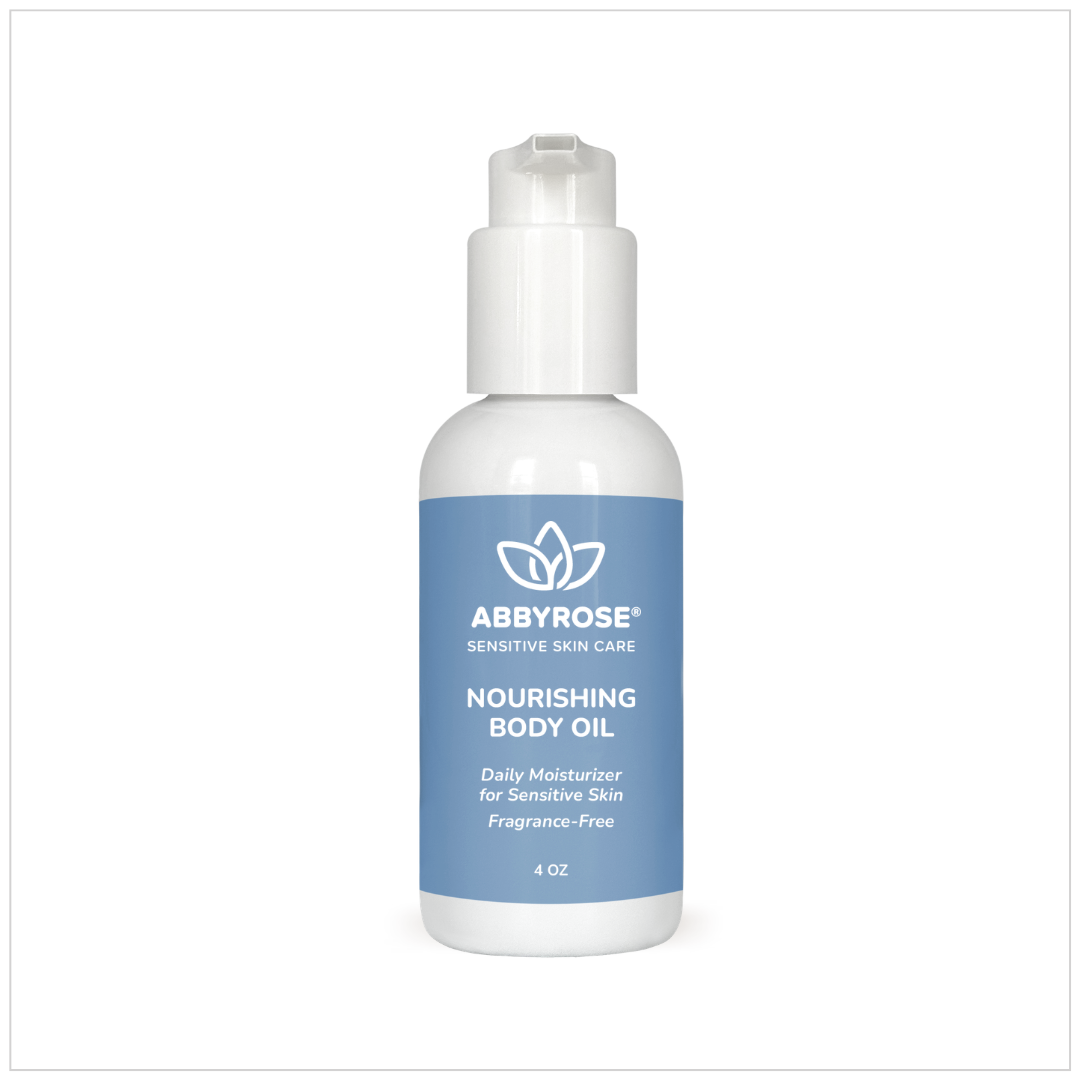
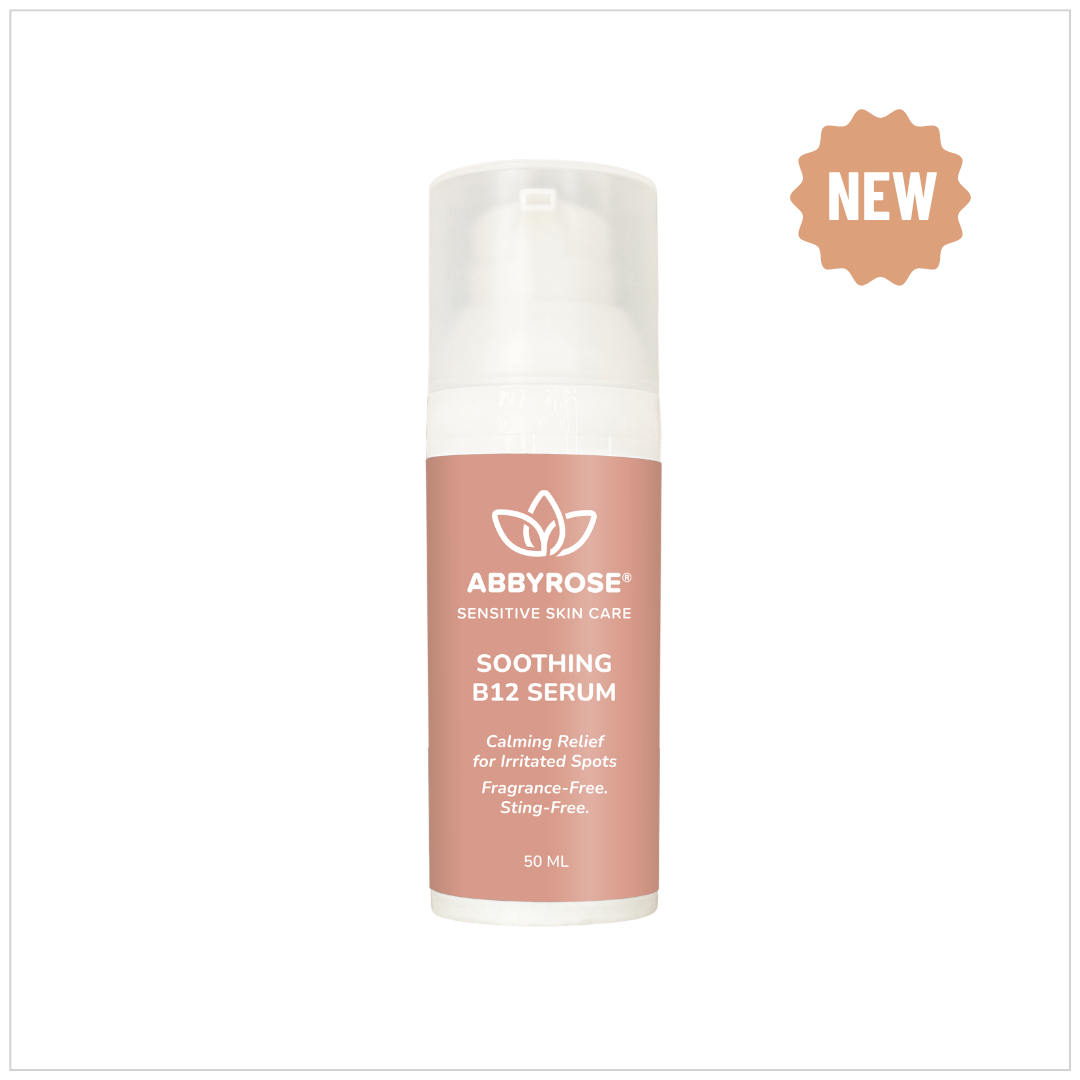
At Abby Rose, we carefully select natural, plant-derived ingredients that help moisturize, soften, and support the skin's protective barrier. Our products are formulated without added fragrances, essential oils, alcohol, harsh preservatives, emulsifiers, or commonly recognized skin irritants. We intentionally avoid many of the ingredients that can make conventional skincare uncomfortable for people with highly reactive skin. Every ingredient has a purpose, and we believe that what we leave out of our formulations is just as important as what we put in.
Our products are designed to be sting-free, gentle, and kid-friendly, making them especially appealing to families looking for simple skincare options for delicate, dry, and eczema-prone skin. While no skincare product can guarantee that every individual will tolerate it, our carefully considered formulations offer an alternative for people who have struggled with traditional moisturizers.
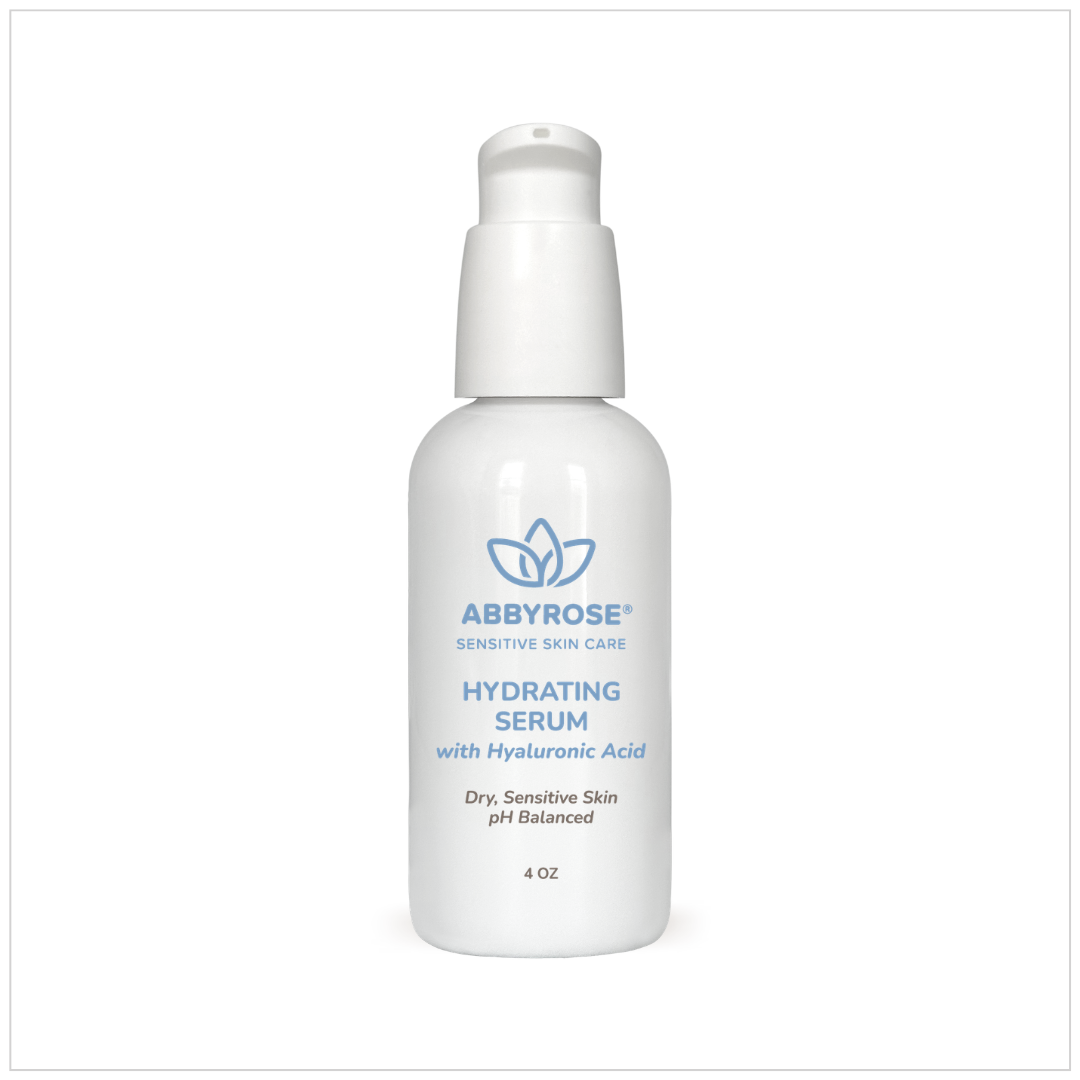
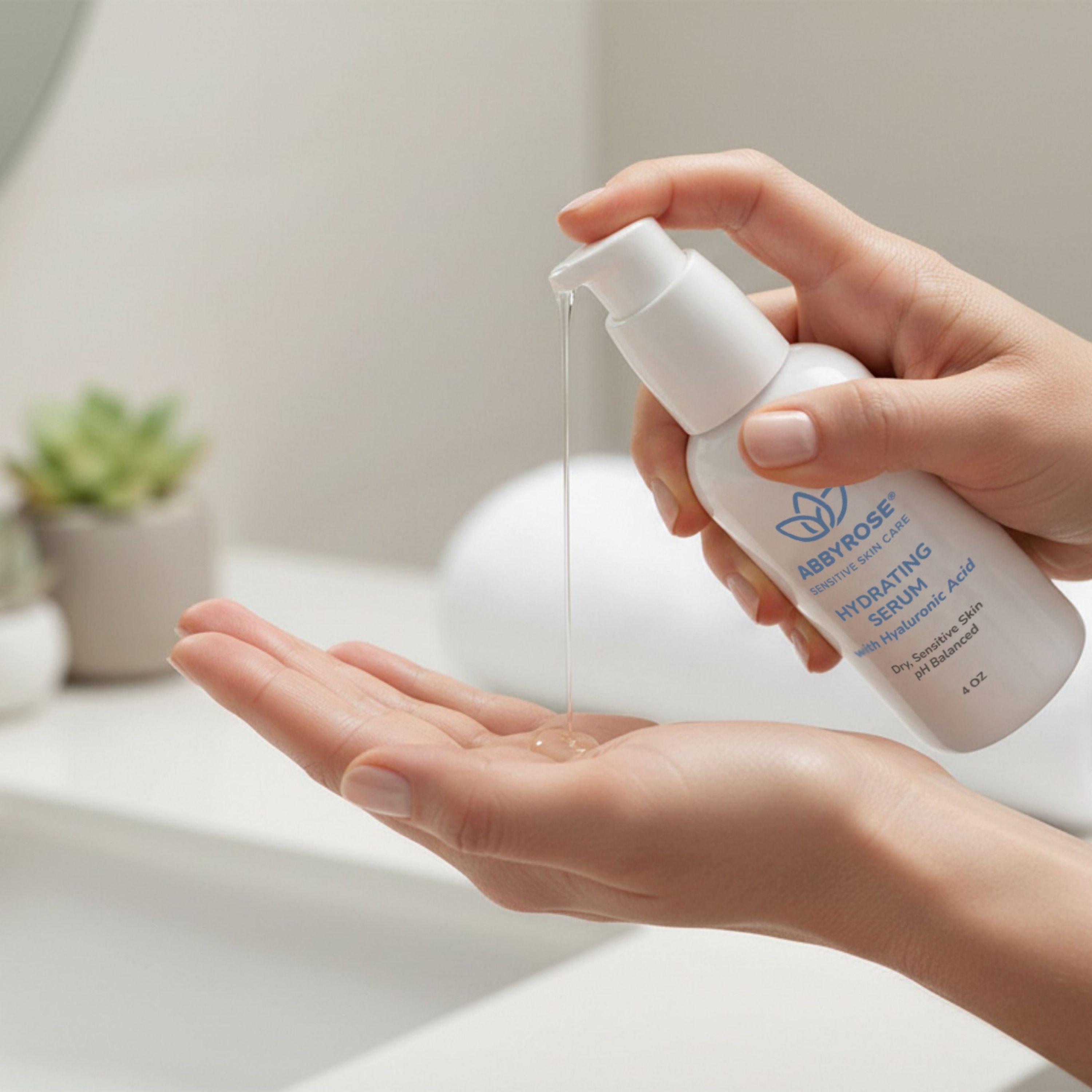
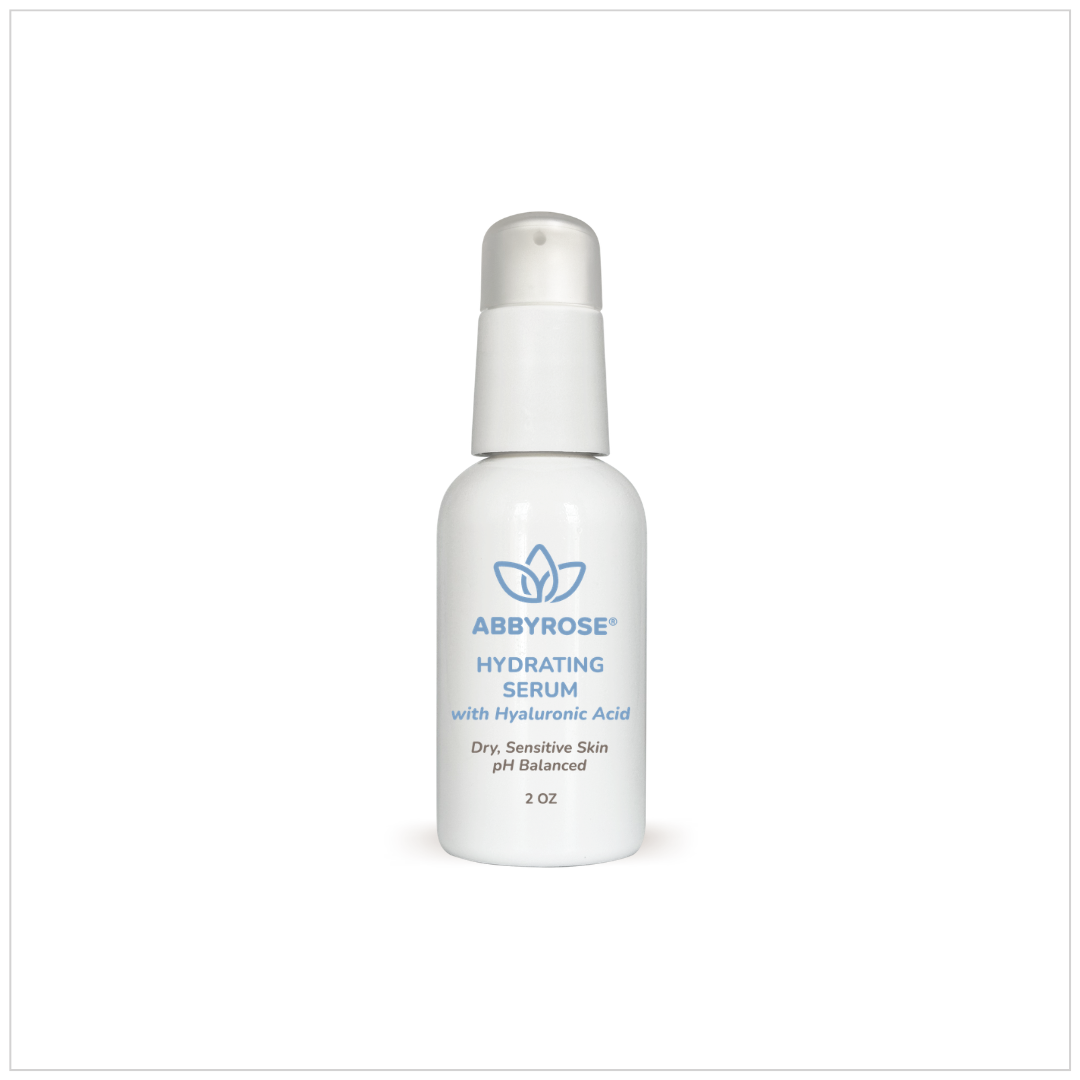
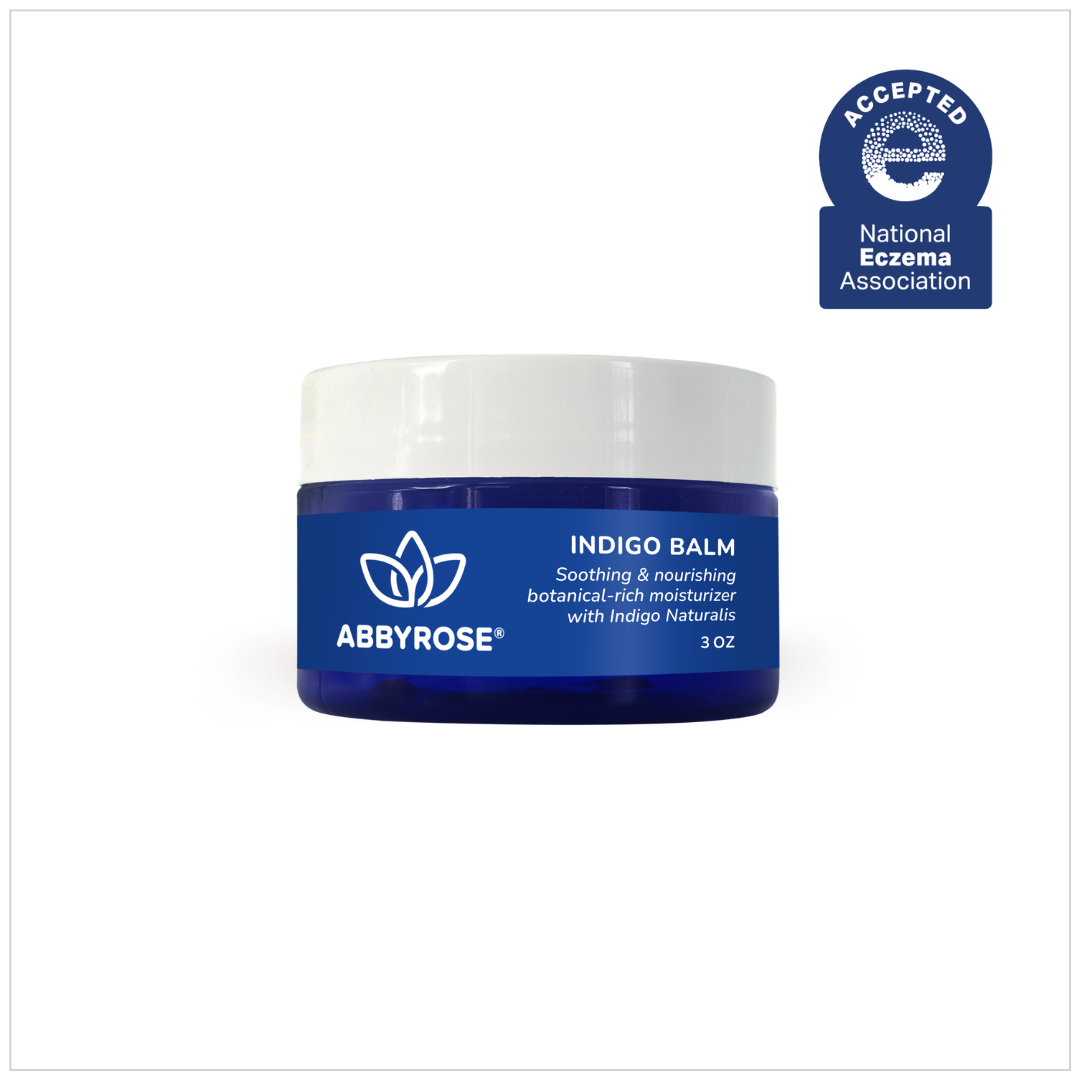
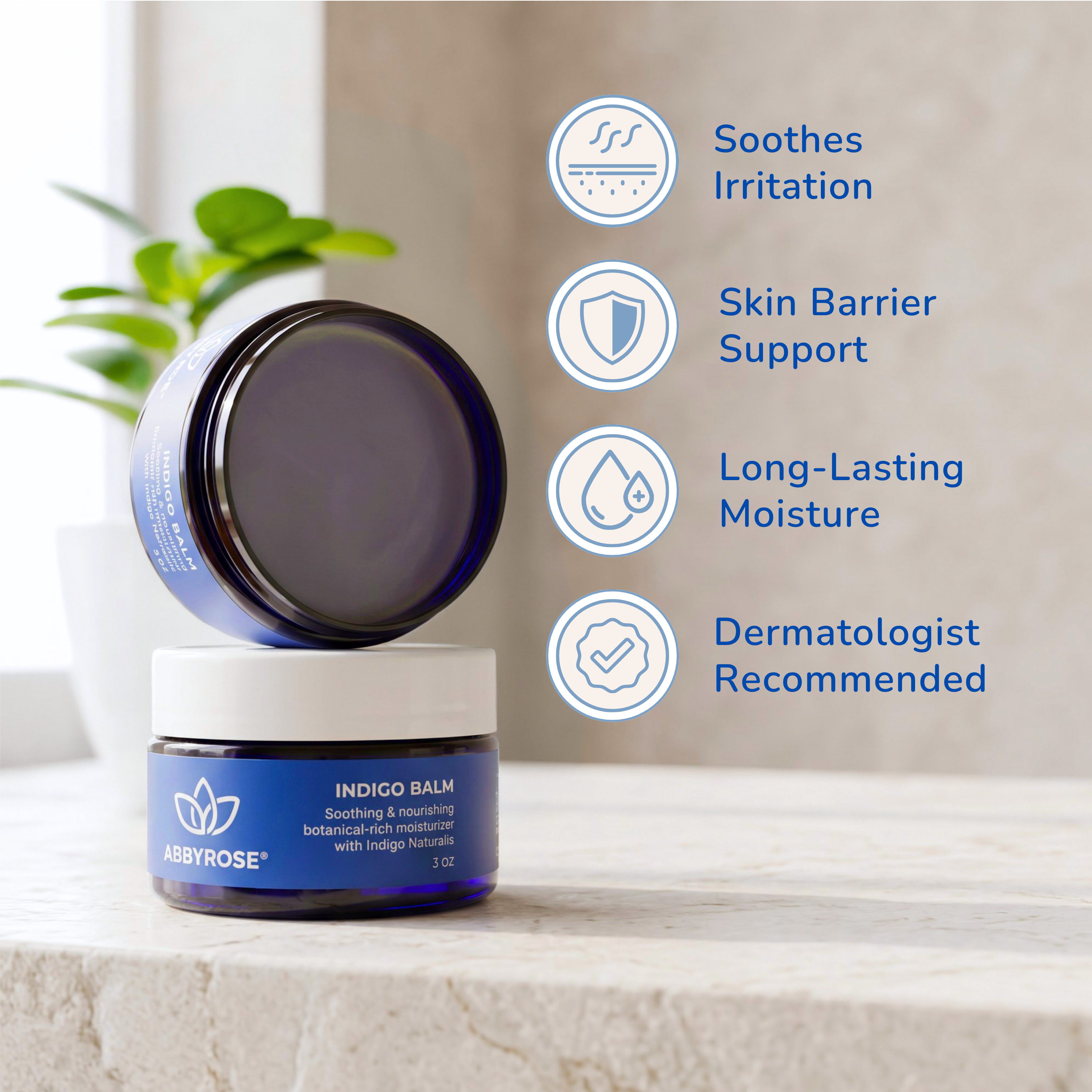
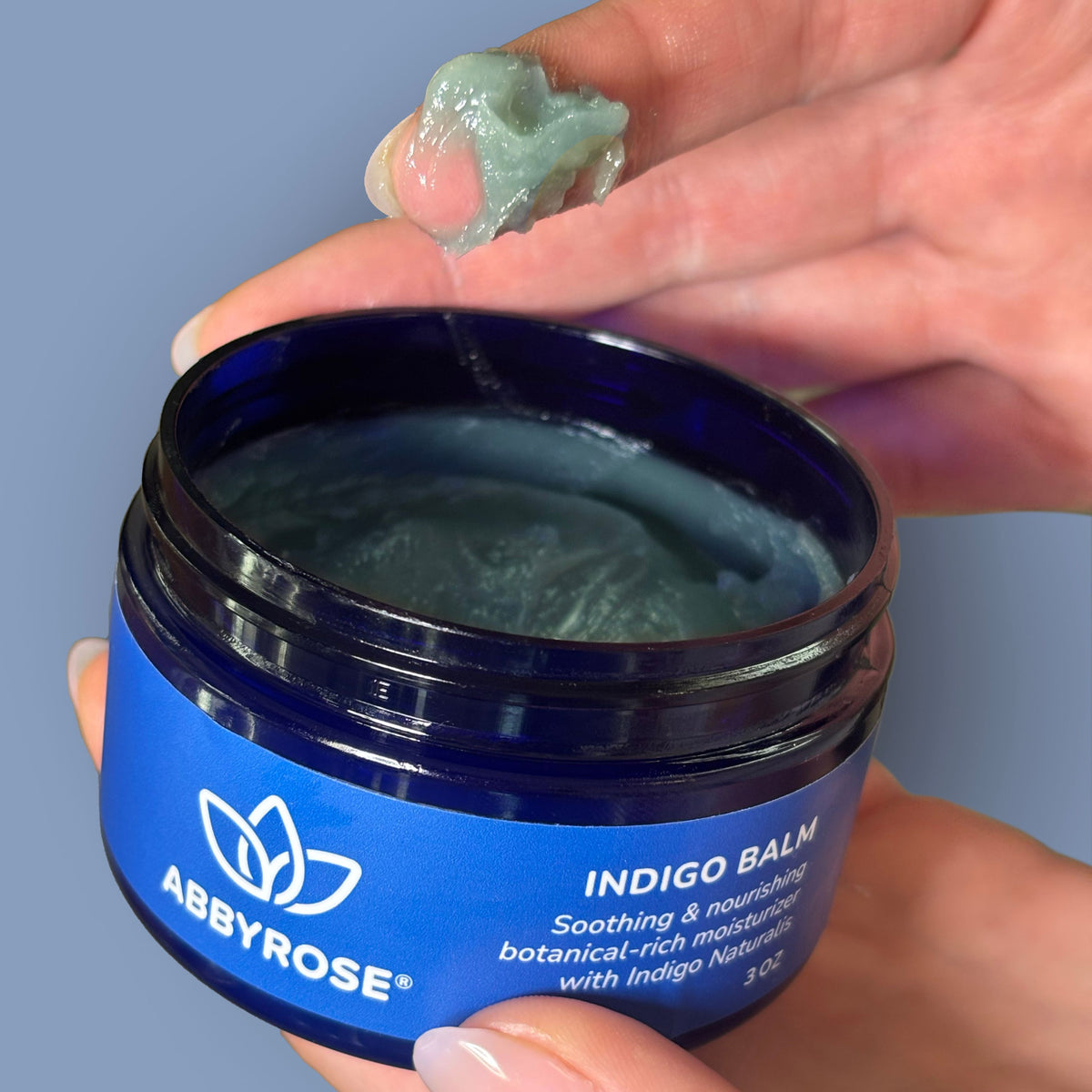
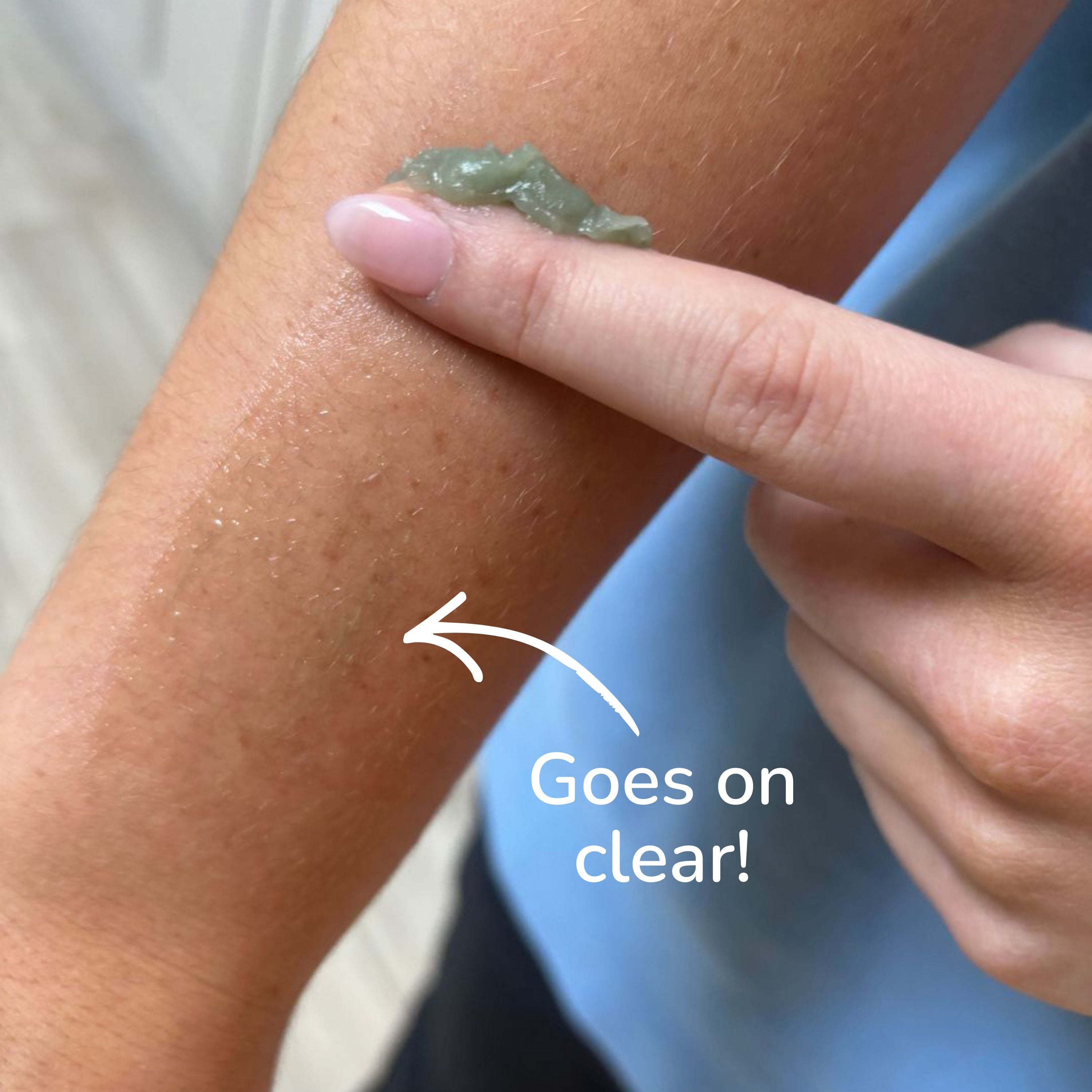
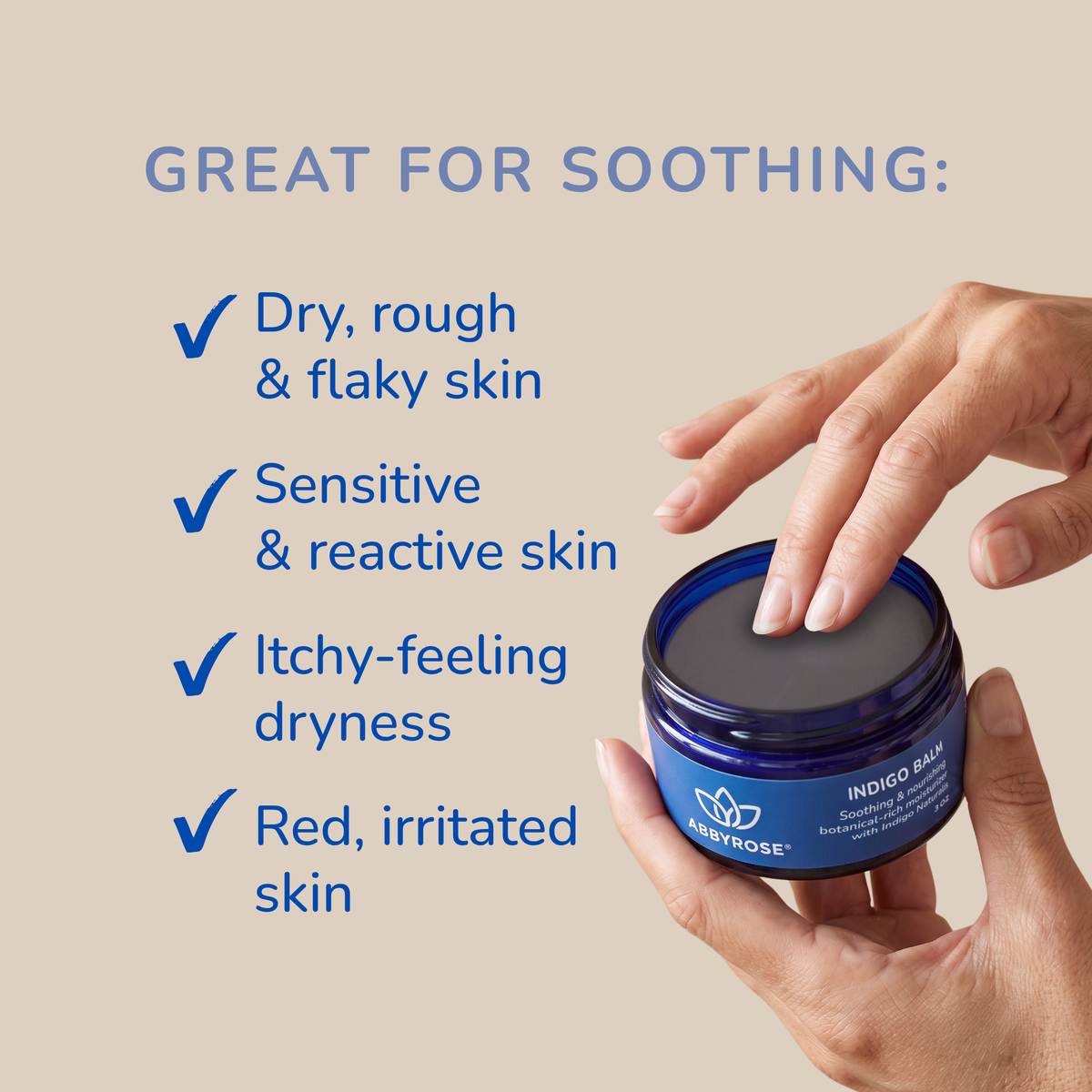
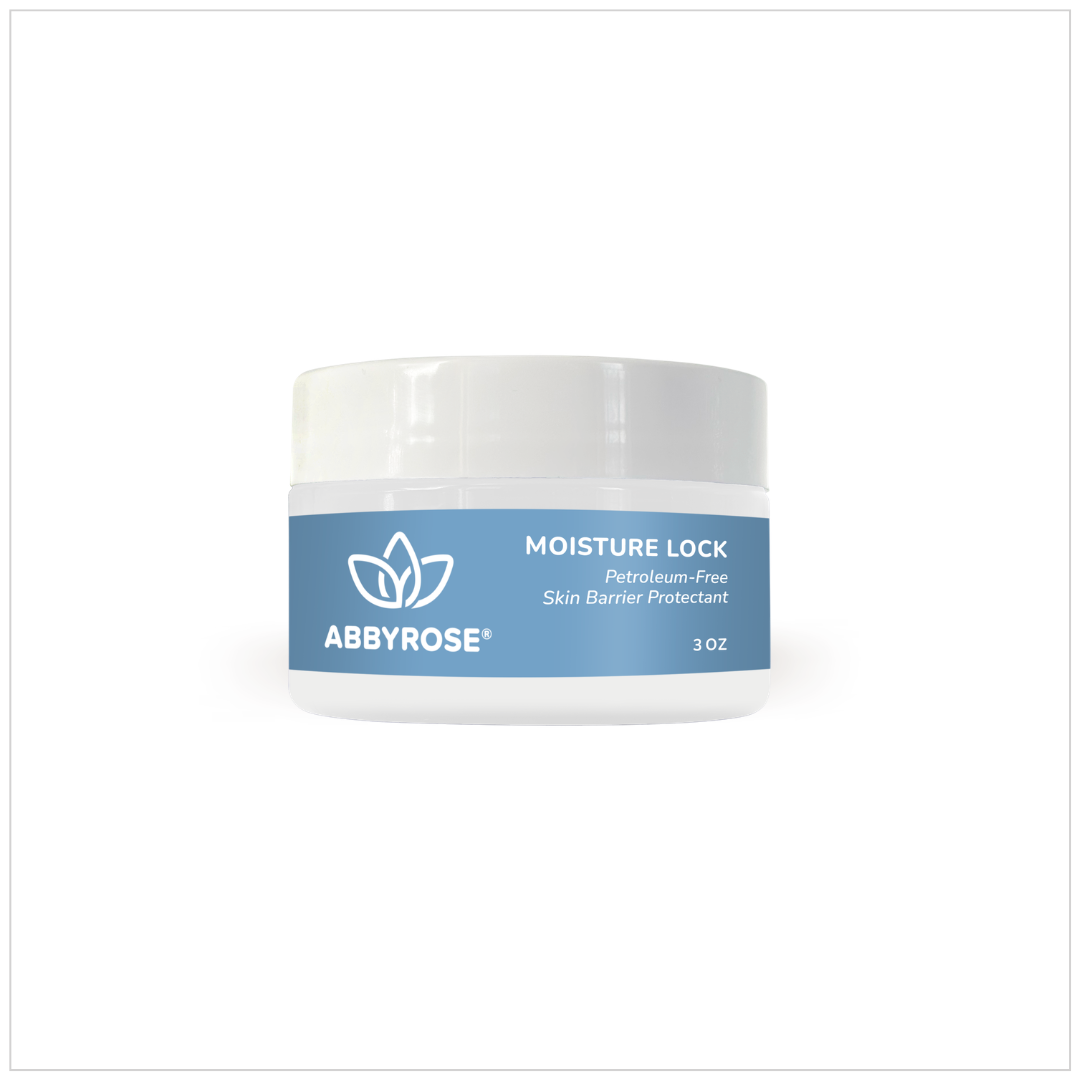
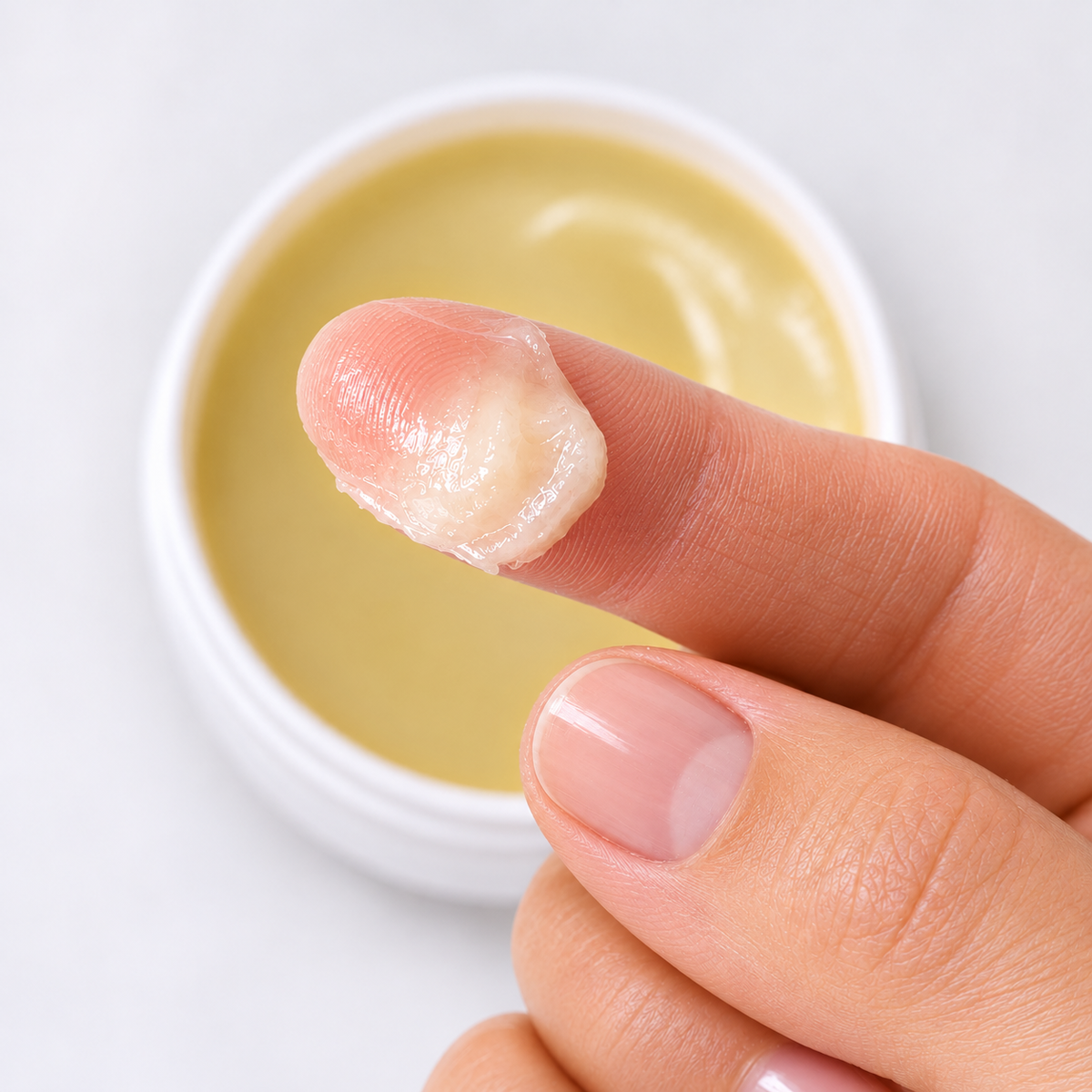
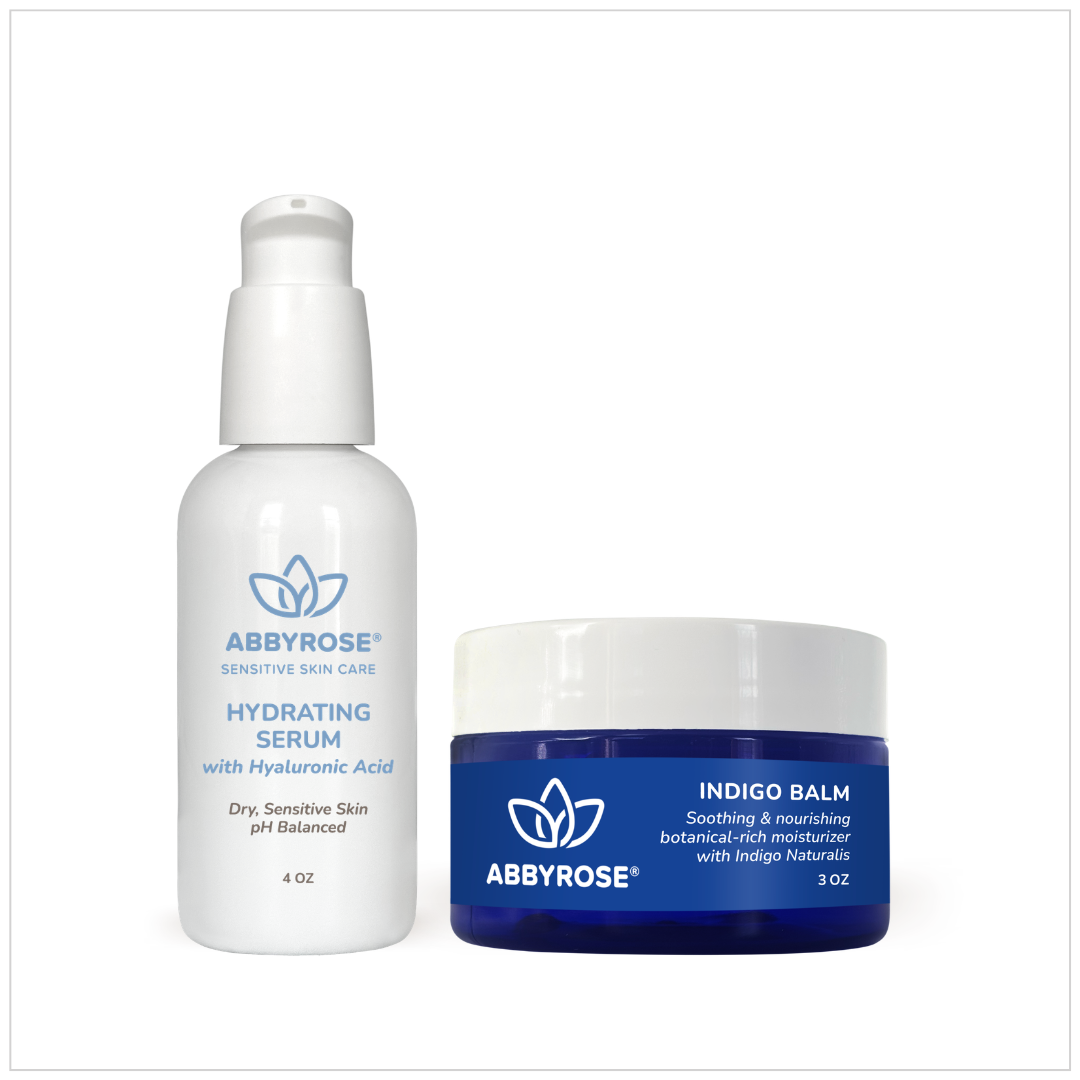
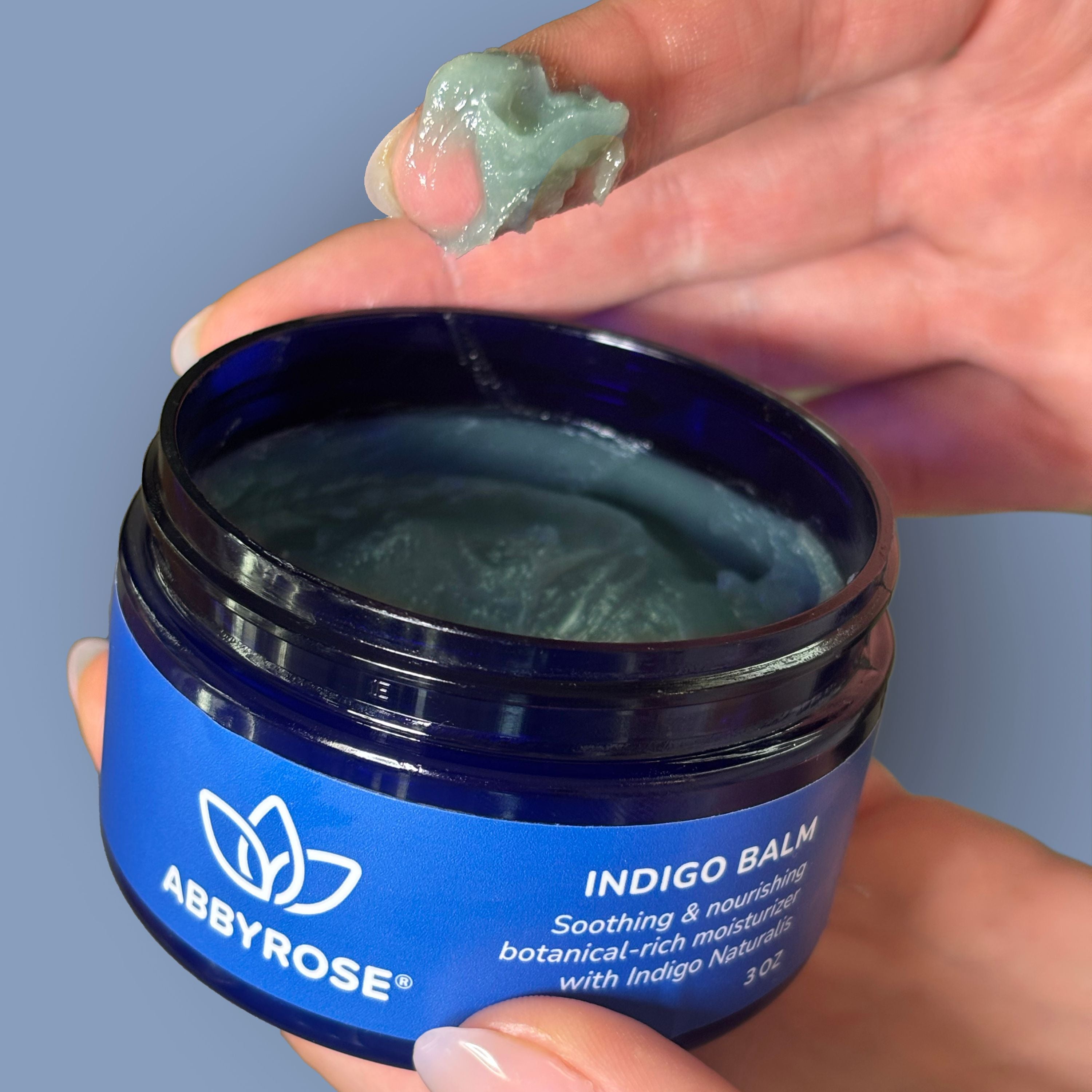
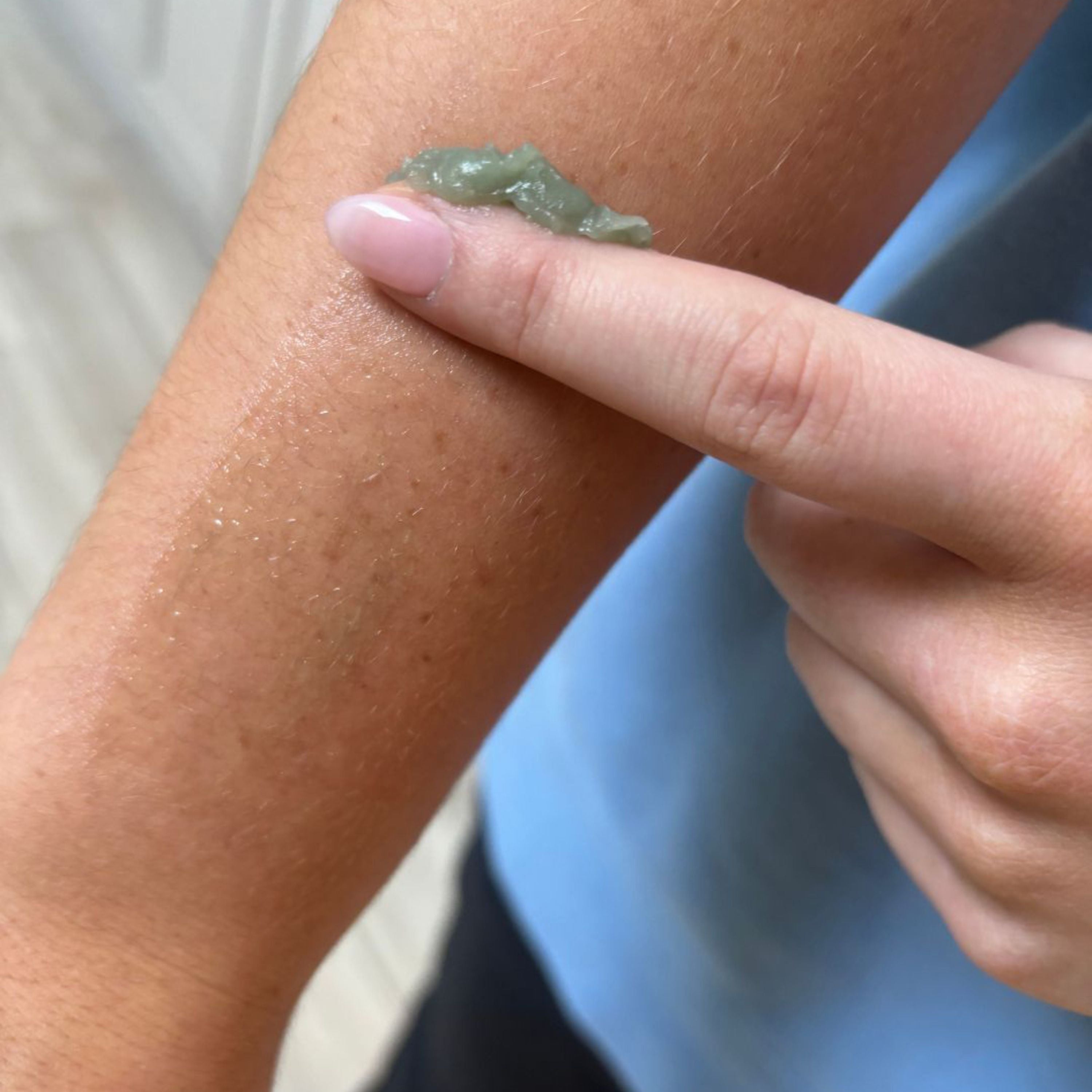
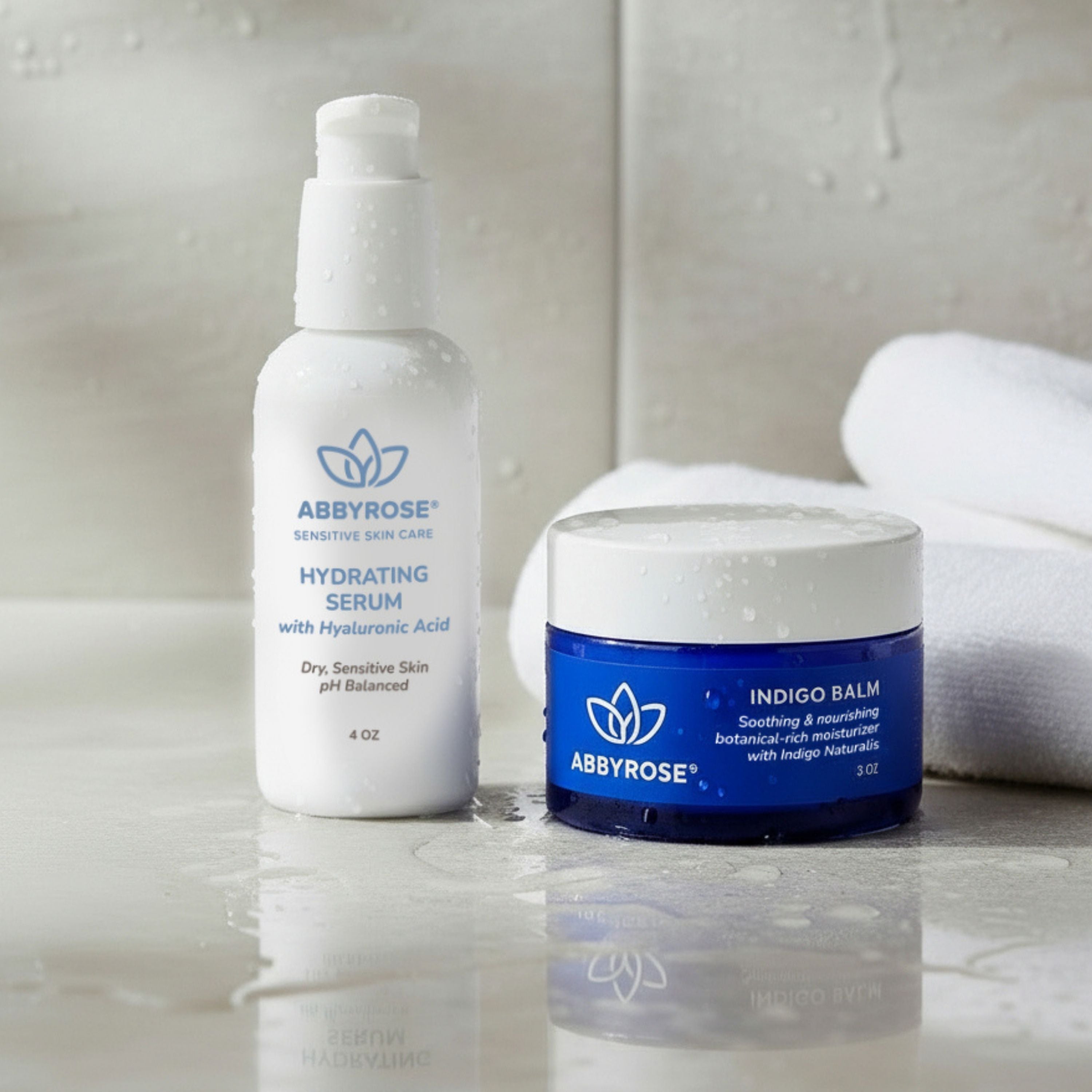
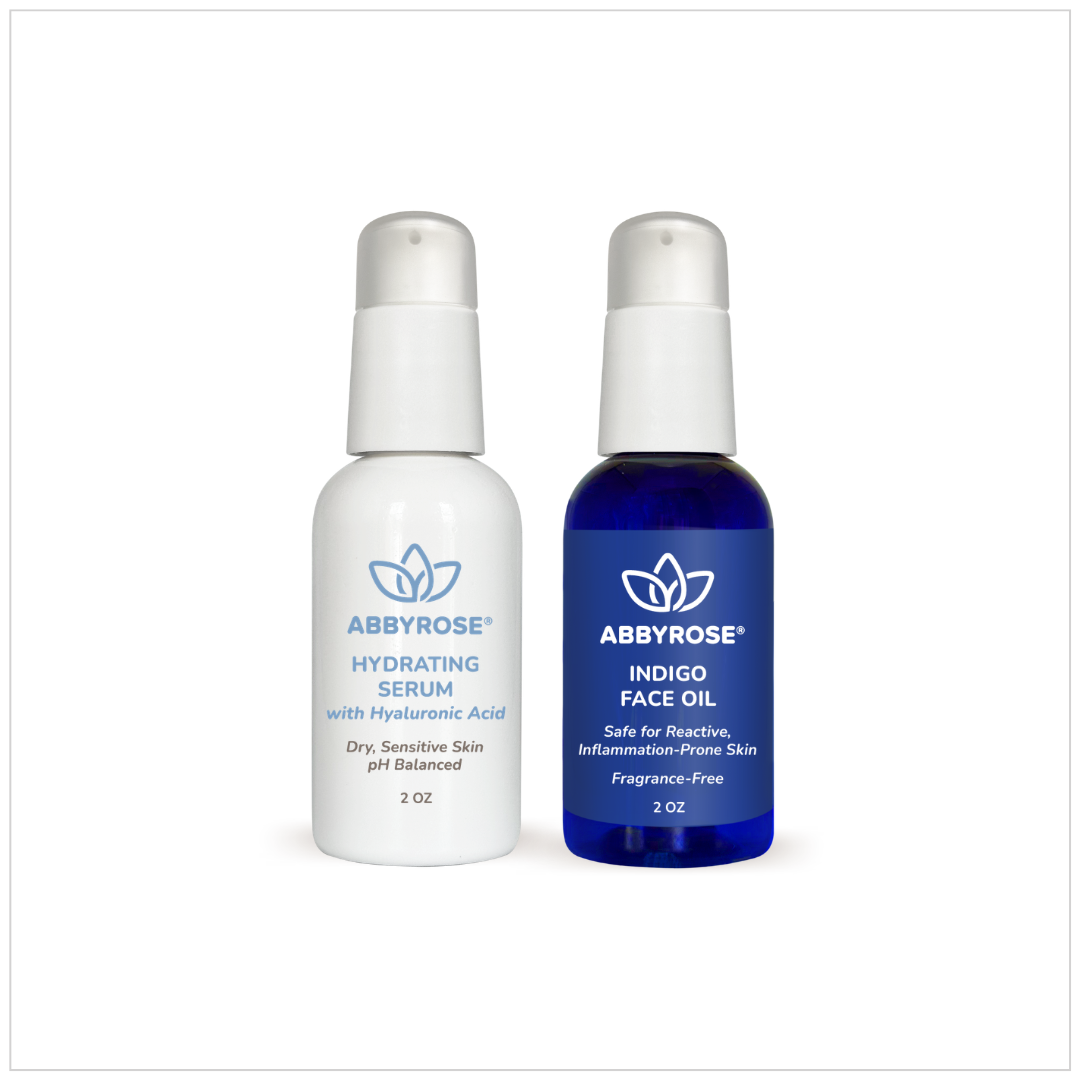
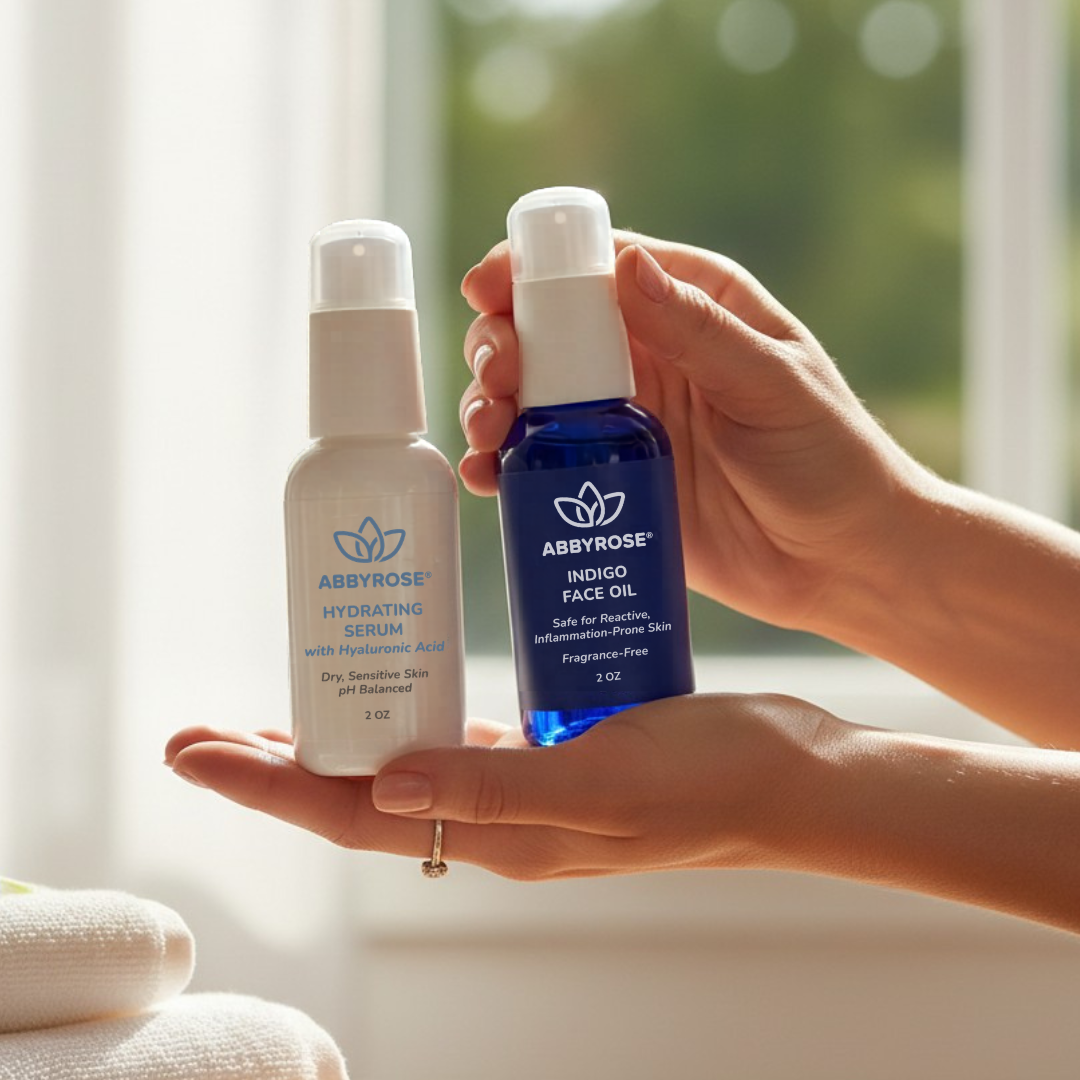
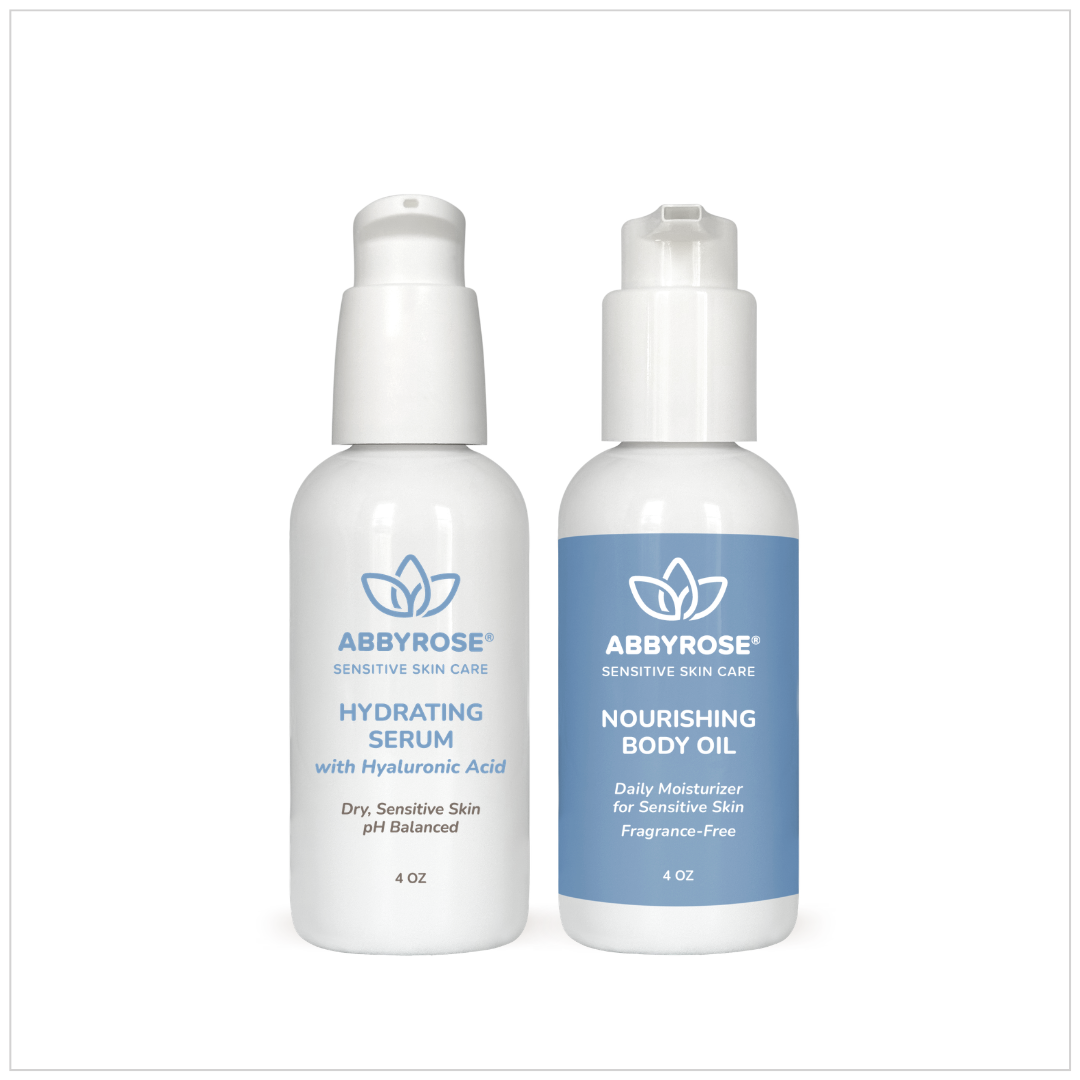
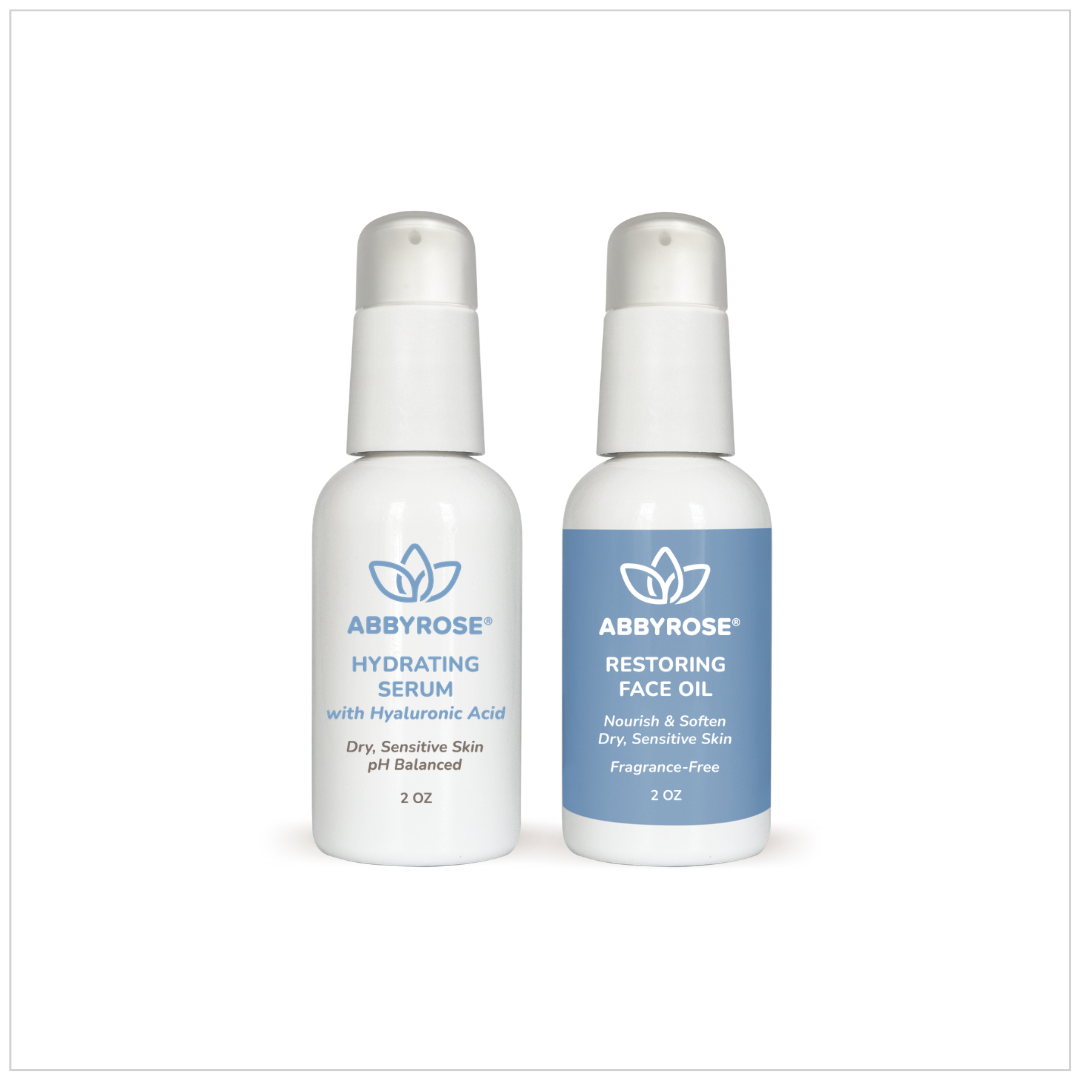
One of our favorite botanical ingredients is indigo naturalis, which gives our Indigo Balm its beautiful natural color. Combined with carefully chosen moisturizing ingredients, Abby Rose Indigo Balm helps soften dry, rough skin while creating a protective layer that reduces moisture loss. For additional hydration, we recommend applying our Abby Rose Hydrating Serum first, followed by a thin layer of Indigo Balm. The lightweight serum provides hydration, while the balm helps seal in that moisture and leave the skin feeling soft, nourished, and comfortable.
At Abby Rose Skin Care, we understand that when your skin seems to react to everything, finding products you can comfortably use can feel impossible. That's why we've made it our mission to create simple, thoughtfully formulated skincare for even the most sensitive skin.