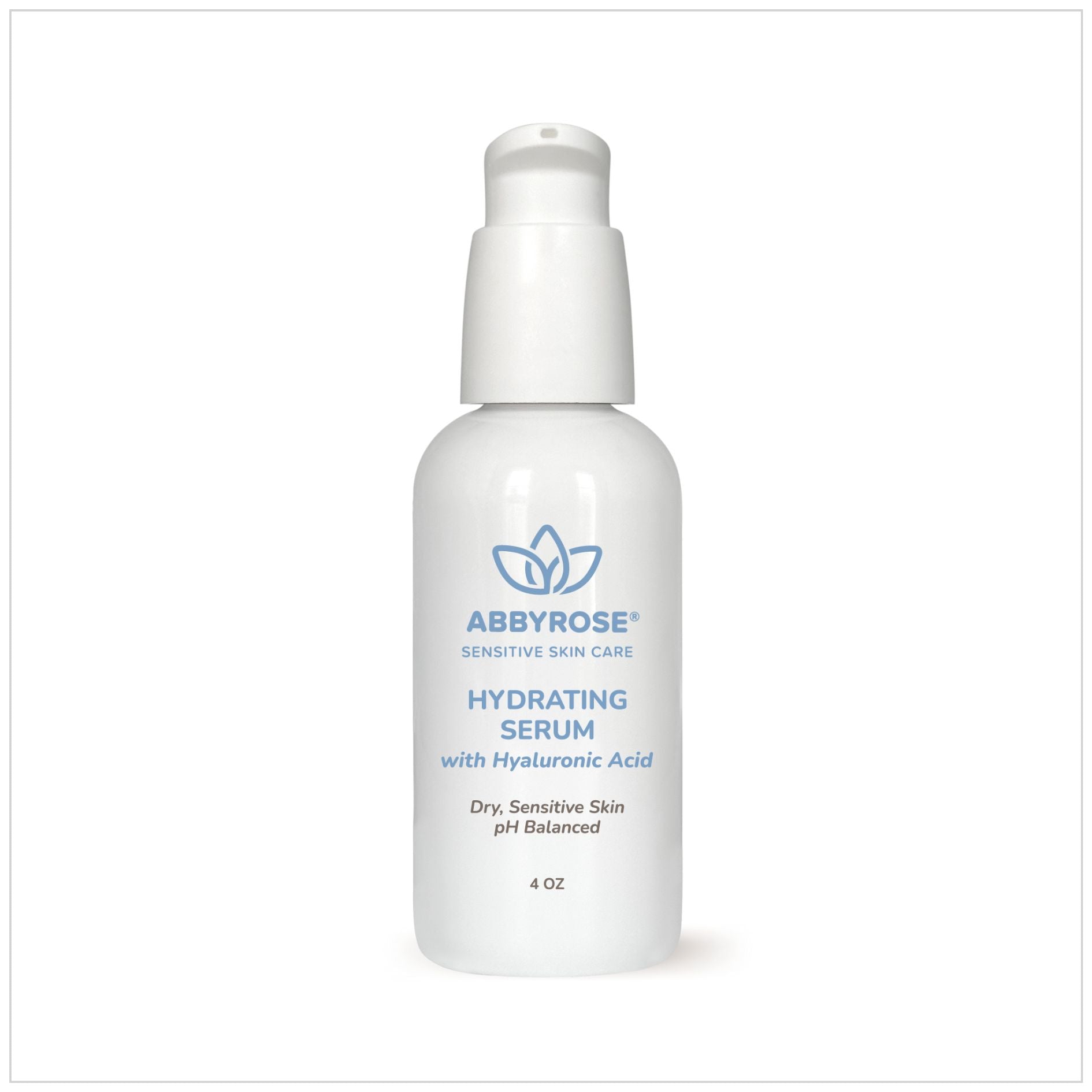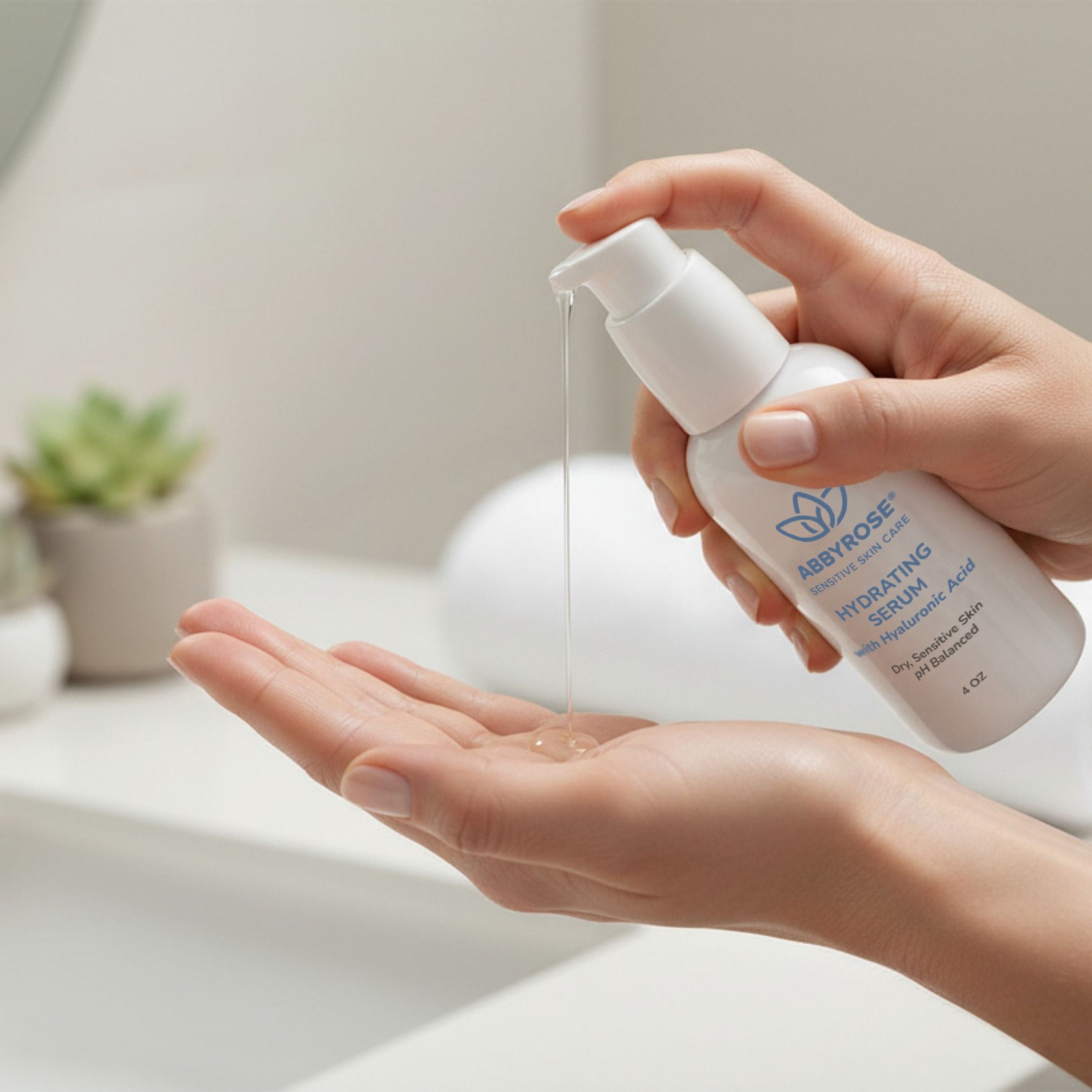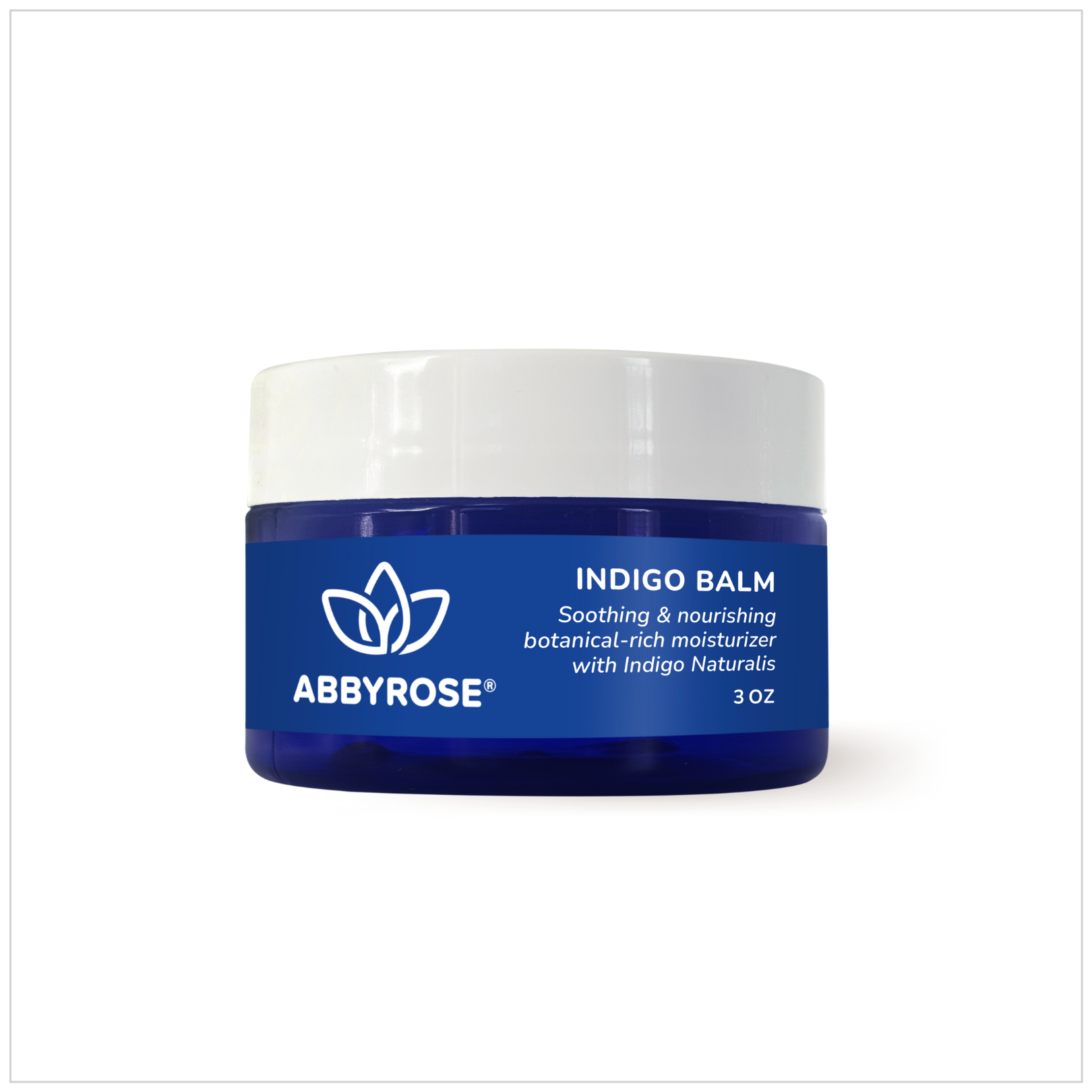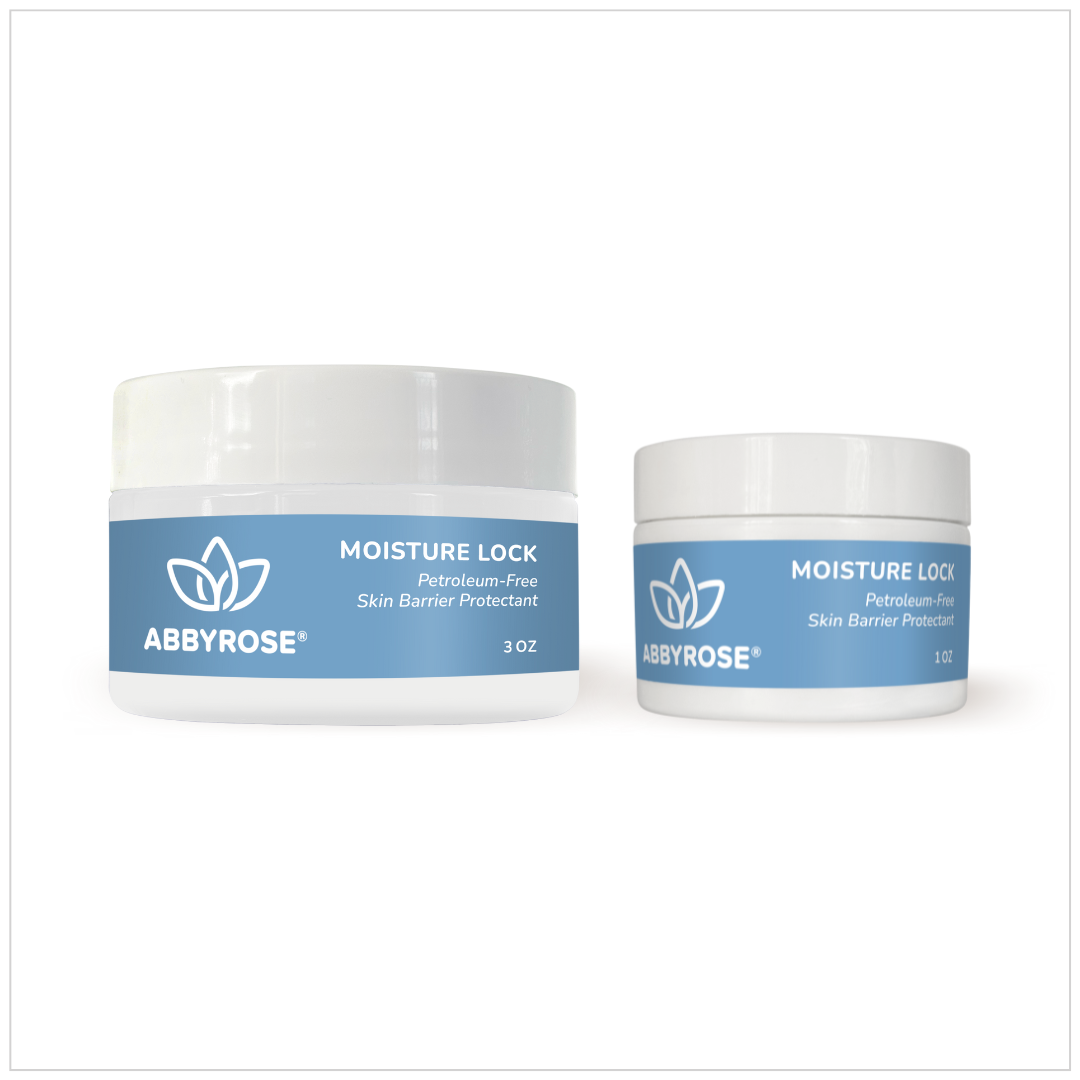

Sensitive skin benefits from a thoughtful, gentle approach that protects the skin barrier while also supporting its overall health. For decades, petroleum jelly (also known as petrolatum) has been a staple in many skincare routines, particularly for its ability to prevent moisture loss. While it remains widely used and effective at what it does, understanding its role can help you decide whether it’s the best fit for your skin and explore other options that may offer additional benefits.
Understanding Petroleum’s Role in Skincare
Petroleum jelly is derived from crude oil and undergoes extensive refinement before being used in cosmetics and personal care products. In skincare, its primary function is as an occlusive agent. This means it forms a protective layer on the surface of the skin, helping to seal in existing moisture and shield the skin from external irritants like wind and dry air.
This barrier function can be especially helpful for individuals dealing with dryness, compromised skin barriers, or sensitivity. However, it’s important to note that petroleum itself does not hydrate the skin or supply it with nutrients. Instead, it works best when applied over already-moisturized skin to lock in hydration.
Because of this, some people choose to incorporate ingredients that not only help retain moisture but also contribute beneficial compounds such as vitamins, antioxidants, and essential fatty acids, directly to the skin.
Looking Beyond the Barrier
For those interested in a more nutrient-rich option than petroleum, there are many plant-based alternatives that provide both occlusive and nourishing properties. These ingredients can support the skin barrier while also delivering compounds that help maintain softness, elasticity, and overall skin comfort.
Natural oils, butters, and waxes are often used in place of petroleum jelly for this reason. Many of these ingredients function as both occlusives and emollients, meaning they help seal in moisture while also softening and smoothing the skin.
Plant-Based Ingredients for Sensitive Skin
A variety of botanical ingredients offer gentle, effective care for sensitive skin:
-
Coconut oil is known for its moisturizing properties and ability to help reduce dryness. It also contains fatty acids that support the skin barrier.
-
Sunflower oil is lightweight and rich in vitamin E, making it a good option for soothing and protecting sensitive or reactive skin.
-
Jojoba oil closely resembles the skin’s natural sebum, allowing it to absorb easily while helping to balance moisture levels.
-
Shea butter is a rich, creamy butter that provides deep hydration and forms a protective layer similar to petroleum, while also supplying vitamins A and E.
-
Beeswax acts as a natural occlusive, helping to seal in moisture while allowing the skin to breathe more comfortably.
These ingredients are often well-tolerated and can be especially beneficial for individuals dealing with dryness, irritation, or conditions like eczema. In addition to their protective qualities, they contribute nutrients that support skin health over time.
The Appeal of Waterless Skincare
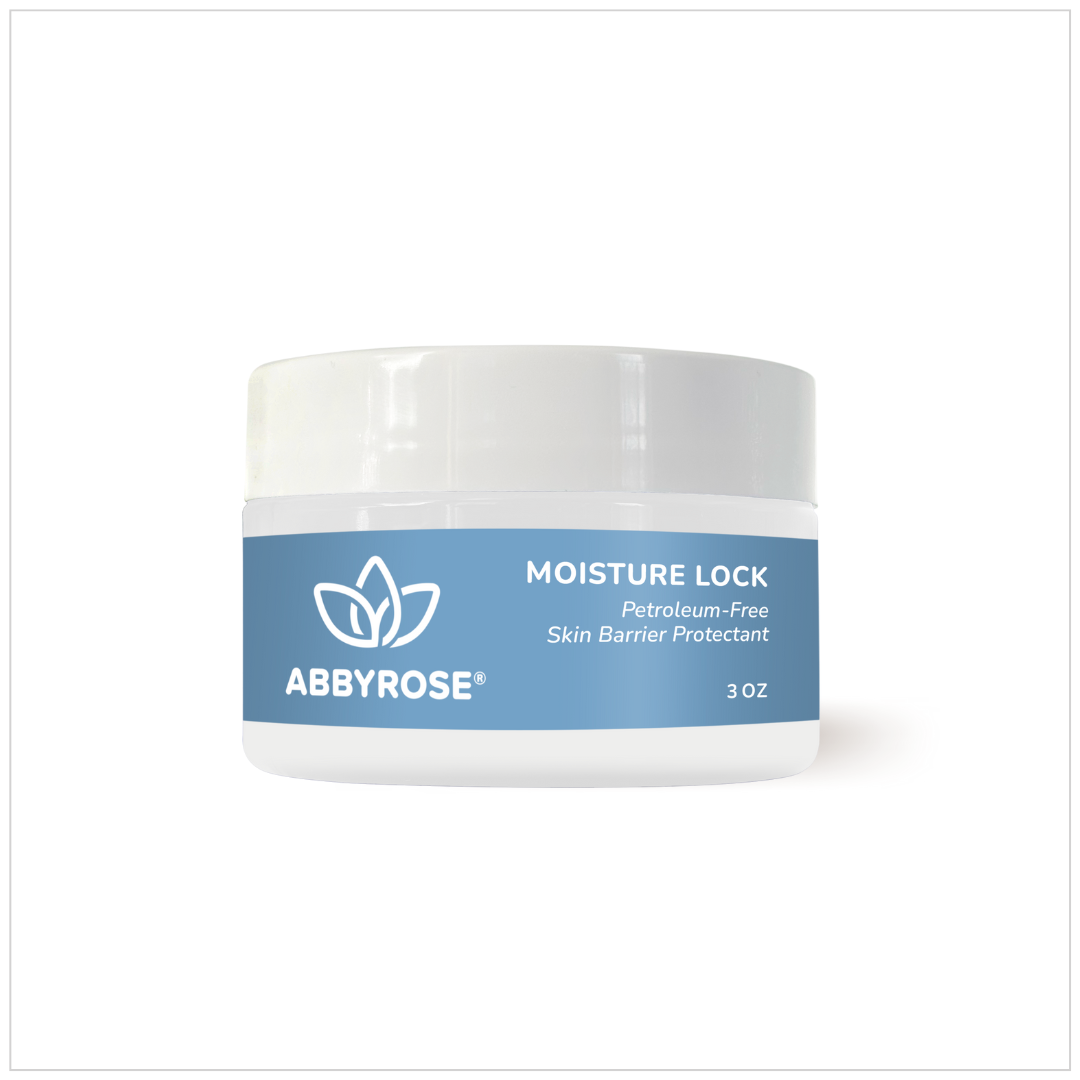
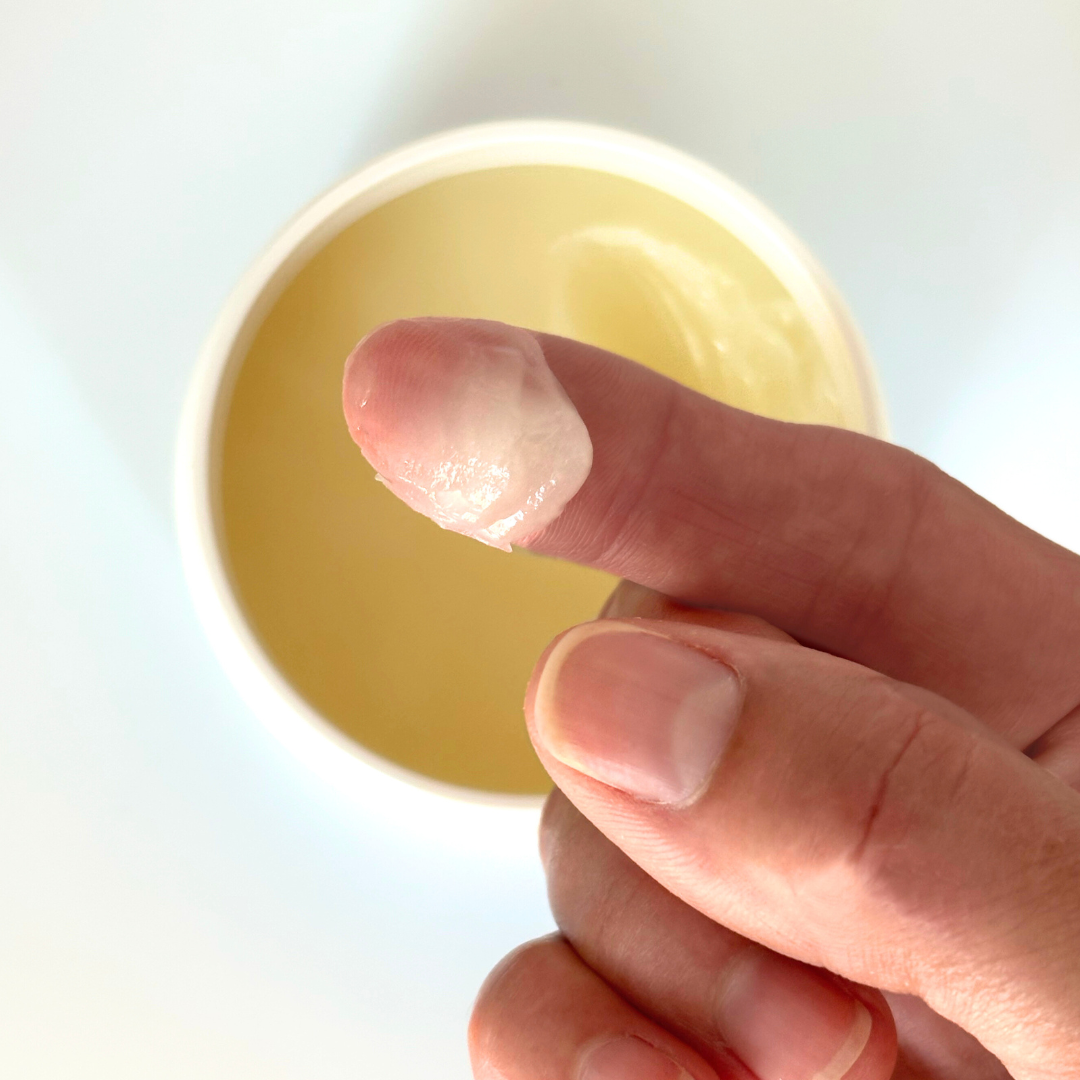
Another growing trend, and excellent petroleum-free alternative, is waterless skincare formulations made without added water and instead composed of oils, butters, and waxes. Because these products are more concentrated, they often require fewer preservatives and can be less irritating for sensitive skin.
Waterless products also naturally emphasize ingredients that both hydrate and protect, offering a more holistic approach. By combining occlusive properties with nutrient-rich components, they provide multi-dimensional care rather than serving a single function like petroleum.
A Balanced Perspective for Your Routine
Petroleum jelly remains a reliable option for creating a protective seal on the skin, particularly in situations where preventing moisture loss is the primary goal. However, for those needing added nourishment alongside protection, plant-based alternatives can be a valuable addition within a skincare routine.
Ultimately, the best choice depends on your skin’s specific needs. Some people may prefer the simplicity and effectiveness of petroleum-based products, while others may gravitate toward botanical ingredients that offer both barrier support and nutritional benefits. By choosing ingredients that both protect and nourish, you can create a routine that helps your sensitive skin feel more comfortable and resilient.