
Finding skincare that truly works for sensitive skin or conditions like eczema can feel overwhelming. With thousands of products claiming to be “clean,” “natural,” or “dermatologist-tested,” it’s easy to end up with irritation instead of relief. Over the last few years, the skincare industry has evolved significantly, with more focus on skin barrier health, microbiome balance, and ingredient transparency. Within this shift, organic skincare continues to stand out as a thoughtful option for people managing reactive skin.
Understanding Sensitive Skin and Eczema
Sensitive skin is a term used for skin that reacts easily to environmental triggers, skincare ingredients, or stress. Symptoms often include stinging, redness, burning, tightness, and discomfort.
Eczema (also known as atopic dermatitis) is a chronic inflammatory skin condition that goes beyond sensitivity. It involves:
-
A weakened skin barrier
-
Increased transepidermal water loss (TEWL)
-
Immune system overactivity
-
Microbiome imbalance on the skin surface
Modern dermatology now strongly emphasizes that eczema is not just “dry skin,” but a barrier disorder combined with immune dysregulation. This shift is important because it changes how skincare should be chosen: not just for hydration, but for barrier repair and inflammation control.
Why Organic Skincare Matters
Organic skincare generally refers to products made with ingredients grown without synthetic pesticides, herbicides, or genetically modified organisms, and processed with minimal chemical intervention.
For sensitive skin, this matters for a few reasons:
1. Lower likelihood of pesticide residue exposure
Even plant-based ingredients can carry residues from conventional farming. These residues may contribute to irritation in highly reactive individuals.
2. Fewer synthetic additives
Many organic formulations avoid parabens, synthetic fragrances, and harsh surfactants that can disrupt the skin barrier.
However, it’s important to clarify a modern skincare truth:
“Organic” does not automatically mean “safe for sensitive skin.”
Essential oils, for example, common in organic skincare, can still trigger allergic reactions or irritation in eczema-prone individuals. So ingredient quality and formulation matter just as much as the organic label itself.
The Skin Barrier: The Real Focus of Sensitive Skin Care
Today’s dermatology approach centers heavily on the skin barrier. A healthy barrier:
-
Locks in moisture
-
Blocks irritants
-
Maintains microbiome balance
When the barrier is compromised (as in eczema), almost anything can trigger inflammation.
Organic skincare can support barrier health when it includes:
-
Lipid-rich plant oils (jojoba, sunflower, hemp seed)
-
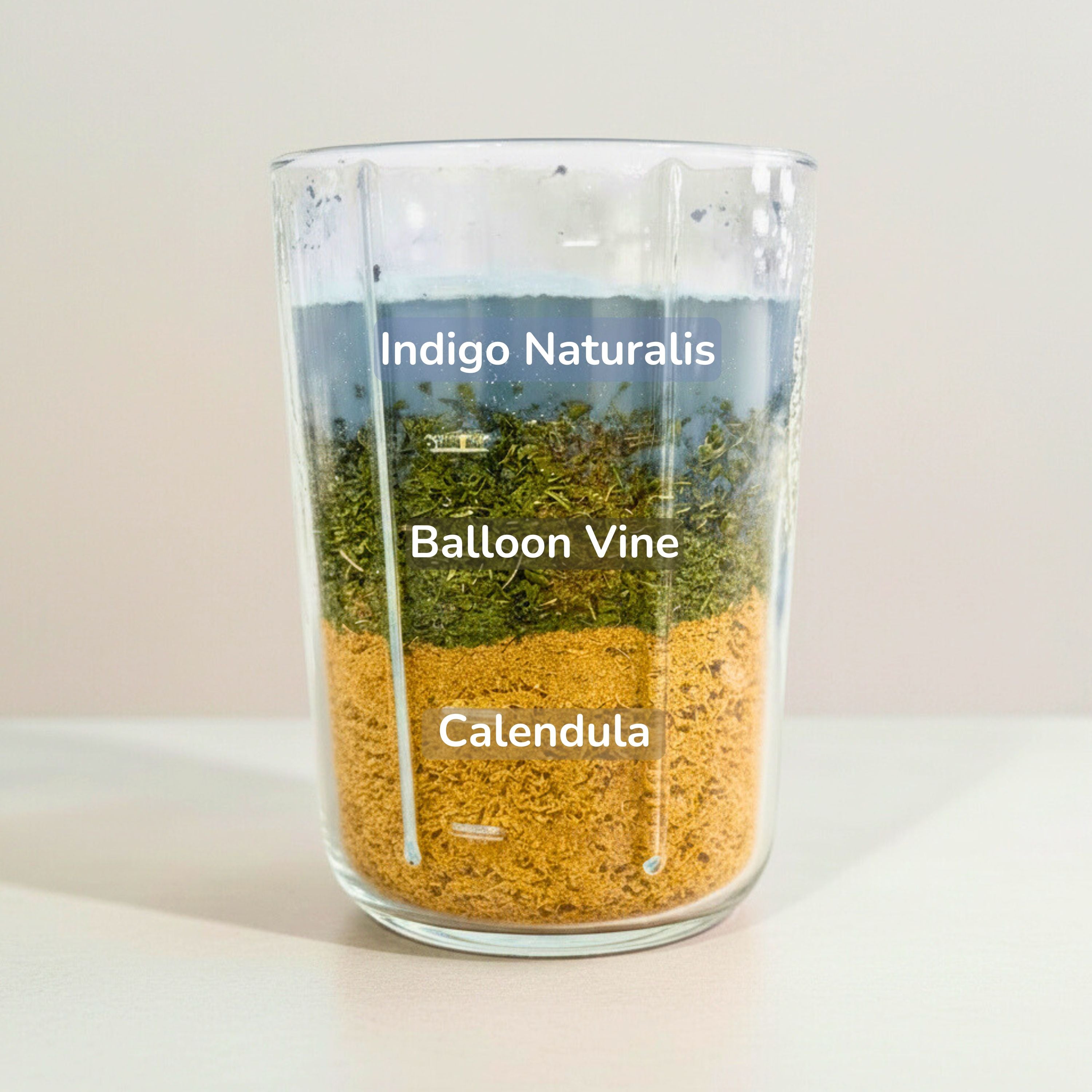
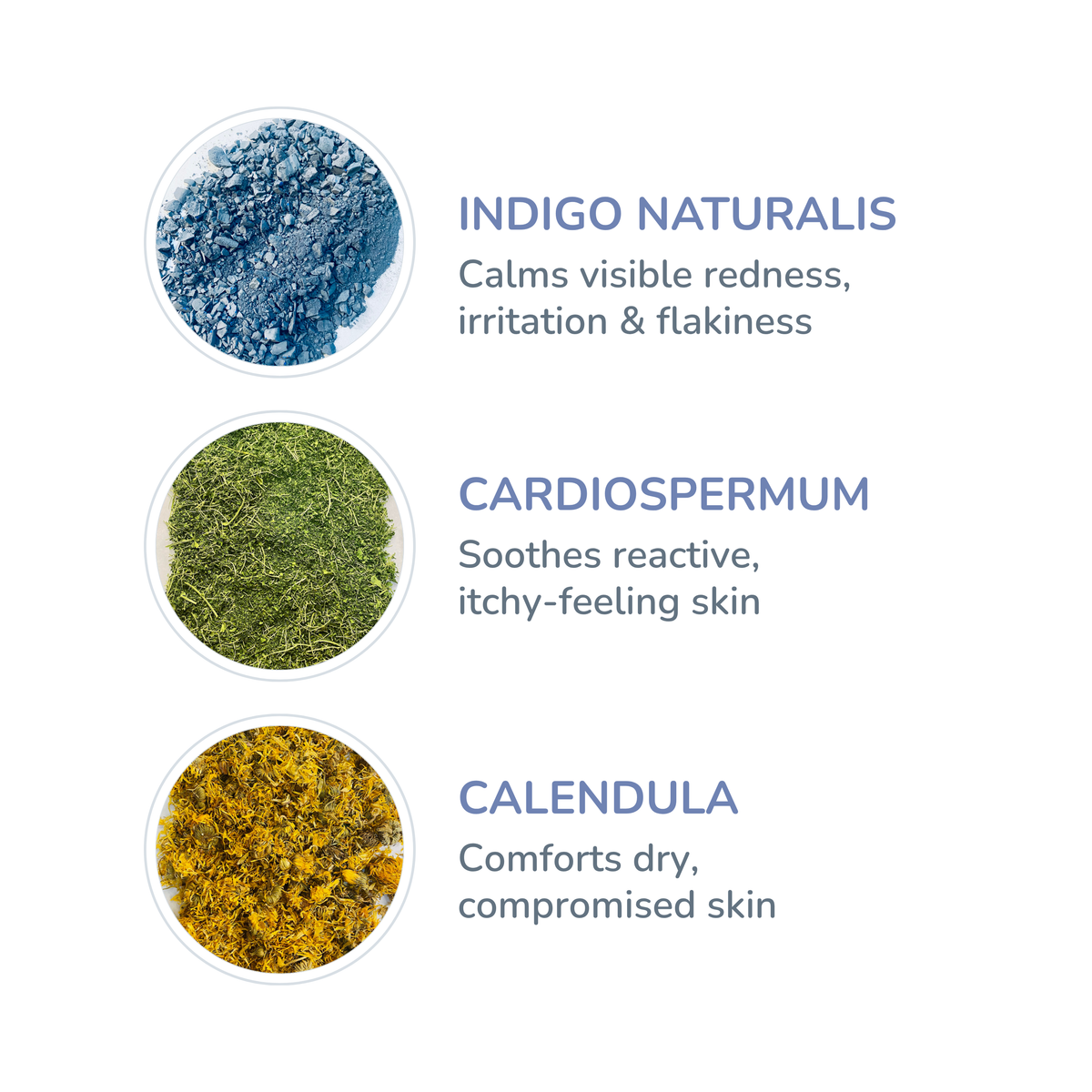
Anti-inflammatory botanicals (calendula, indigo naturalis, cardiospermum)
-
Humectants (like aloe and glycerin from plant sources)
Ingredients That Help Calm Sensitive and Eczema-Prone Skin
The most effective modern skincare blends organic botanicals with clinically proven skin-repair ingredients.
Hydrating and Barrier-Supporting Ingredients
-
Shea butter – rich in fatty acids
-
Jojoba oil – mimics skin’s natural sebum
-
Sunflower seed oil – supports barrier repair
-
Glycerin – deeply hydrating humectant
-
Squalane (plant-derived) – lightweight and non-irritating
Soothing Anti-Inflammatory Botanicals
-
Aloe vera – cooling and calming
-
Calendula – soothes and reduces redness
-
Chamomile – anti-inflammatory and soothing
-
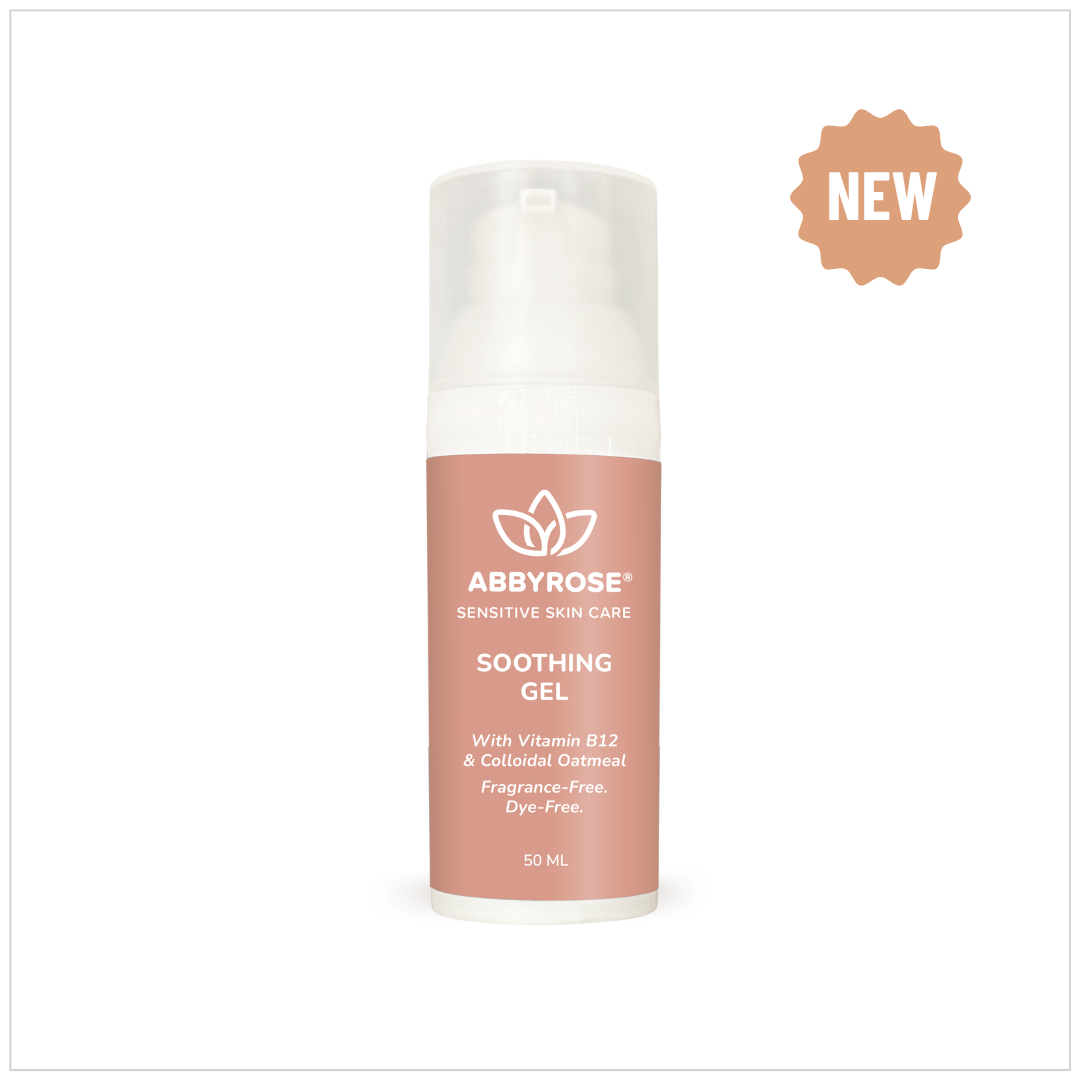
Oat extract (colloidal oatmeal) – widely used in eczema care to soothe the skin
Colloidal oatmeal is particularly notable because it is FDA-recognized for soothing irritated skin and is commonly recommended by dermatologists for eczema management.
The Role of Fragrance (The #1 Trigger)
One of the biggest advances in skincare awareness over the last decade is the recognition that fragrance is one of the most common causes of skin reactions.
Even in organic products, fragrance can come from essential oils. Essential oils are highly concentrated plant extracts that evaporate quickly and release active aromatic compounds. Because of this volatility, they can penetrate the skin rapidly and interact more intensely with a compromised skin barrier, which may trigger irritation, redness, or flare-ups, especially for those with eczema.
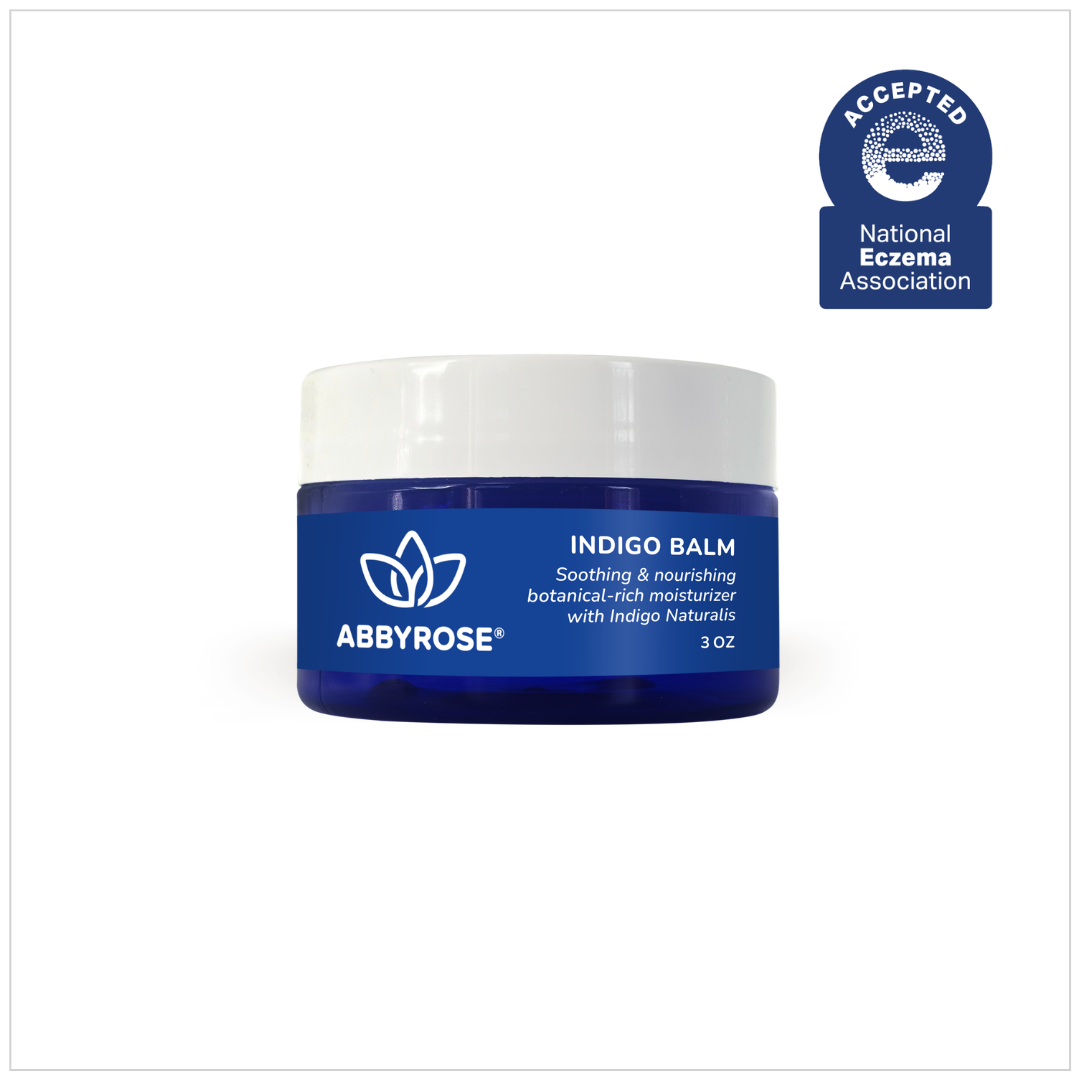
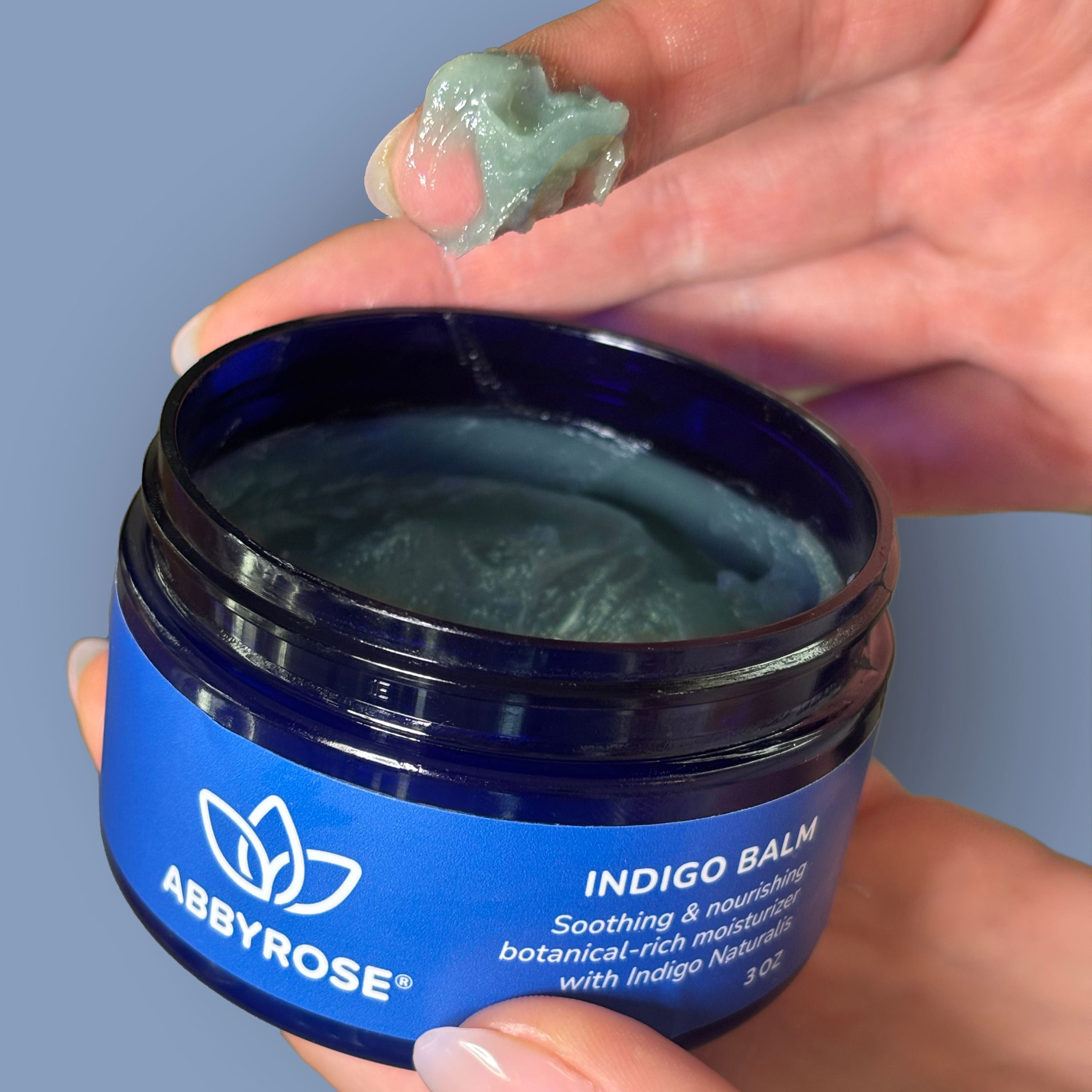
Unlike essential (volatile) oils, botanical extracts are typically less concentrated and don’t deliver such a high dose of active compounds all at once, which can make them less likely to overwhelm sensitive or compromised skin. Many extracts like calendula, chamomile, and indigo naturalis, are specifically valued for their soothing, anti-inflammatory properties and are commonly used to help calm irritation associated with eczema.
While “natural fragrance” sounds gentle, it can still contain allergenic compounds such as limonene or linalool, which oxidize and become more irritating over time.
Modern sensitive-skin dermatology typically recommends:
-
Fragrance-free products (not “unscented”)
-
Minimal ingredient lists
-
Patch testing before full use
The Importance of the Skin Microbiome
Recent skincare research highlights the importance of the skin microbiome, the ecosystem of bacteria living on the skin.
In eczema, this microbiome is often imbalanced, with an overgrowth of harmful bacteria like Staphylococcus aureus.
Some organic and “clean” skincare products support microbiome balance by:
-
Avoiding harsh preservatives
-
Using prebiotic plant extracts
-
Maintaining gentle pH levels
However, over-cleansing or using too many actives can disrupt microbiome recovery. Simplicity is key for sensitive skin.
Allergy Risk and Patch Testing
Even the most natural or organic skincare can trigger reactions in sensitive individuals. That’s why dermatologists continue to recommend patch testing:
-
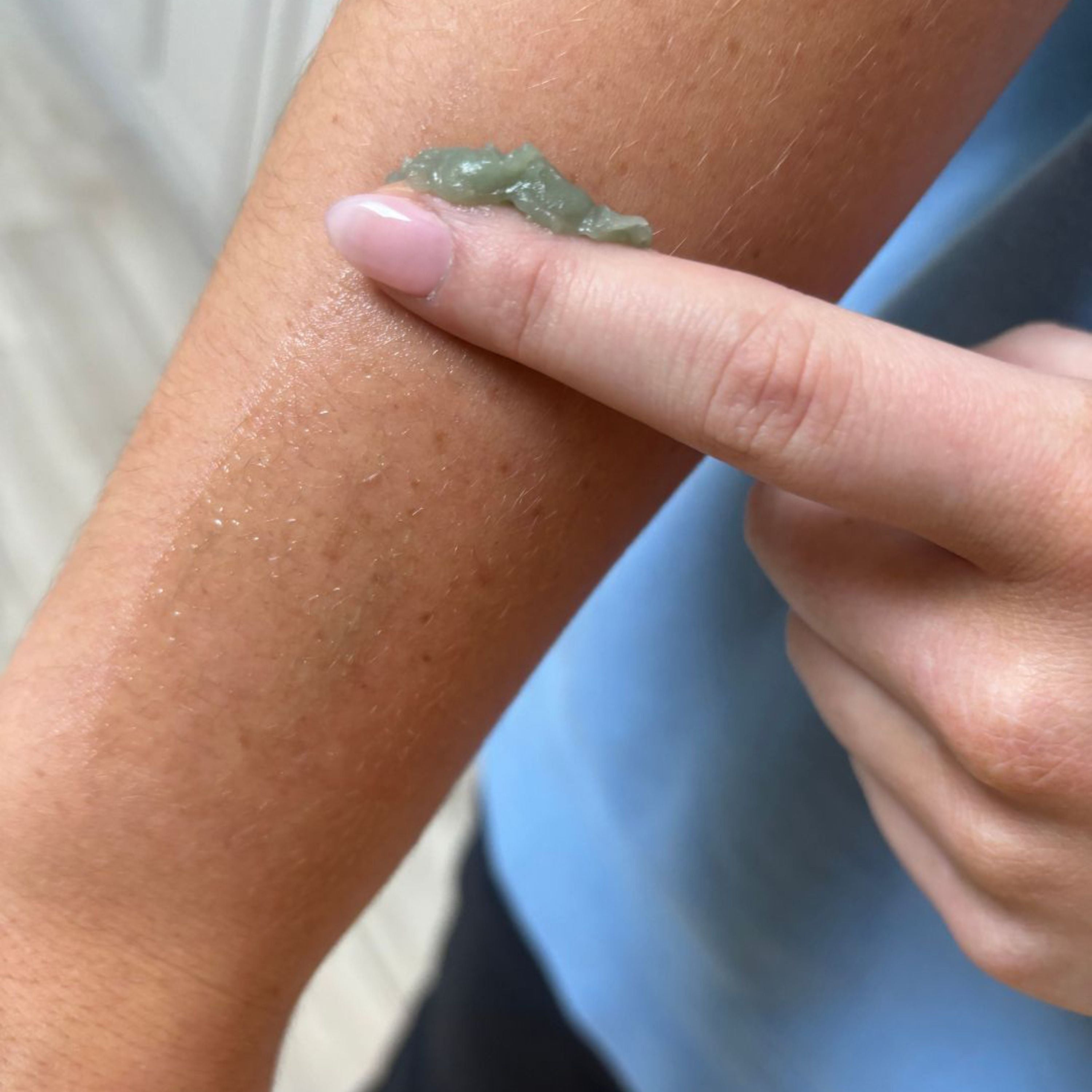
Apply a small amount of product to the inner forearm
-
Leave it for 24–48 hours
-
Watch for redness, itching, or swelling
This step is especially important for people with eczema or multiple allergies.
Environmental Benefits of Organic Skincare
Organic skincare is often associated with environmentally sustainable farming practices, including:
-
Reduced pesticide use
-
Improved soil health
-
Lower water contamination risk
-
Increased biodiversity
Sustainability has become a central expectation for beauty brands, not just a niche selling point. Consumers increasingly want transparency about sourcing, packaging, and carbon impact.
How to Read Labels in Today’s Skincare Market
With increasing “clean beauty” marketing, ingredient literacy is more important than ever.
Helpful tools include:
-
Think Dirty
-
Environmental Working Group
These resources help consumers evaluate ingredient safety, but they should be used as guides, not absolute authorities.
A Look at Organic Skincare Brands
Some brands go beyond standard organic certification by focusing on formulation integrity and ingredient sourcing.
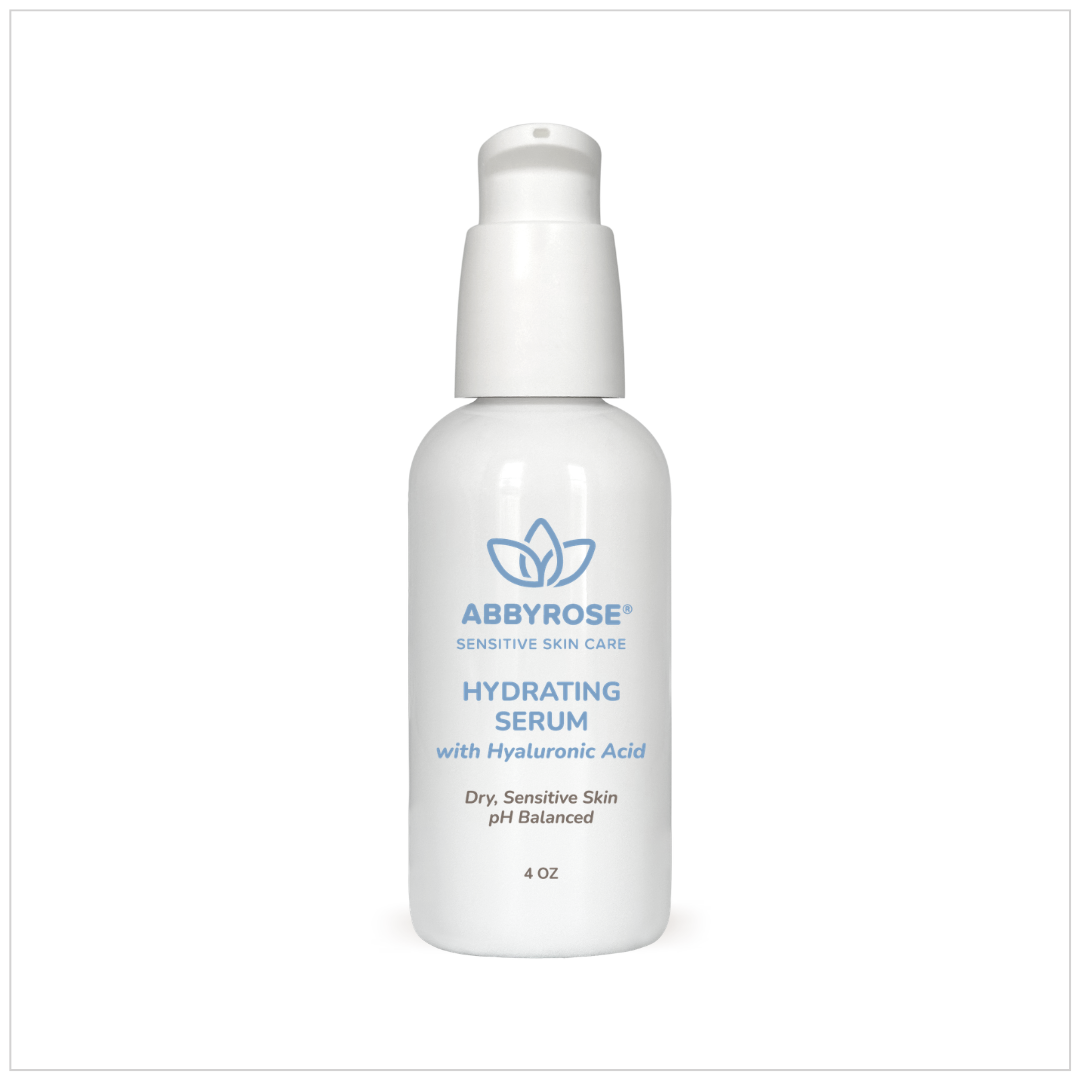
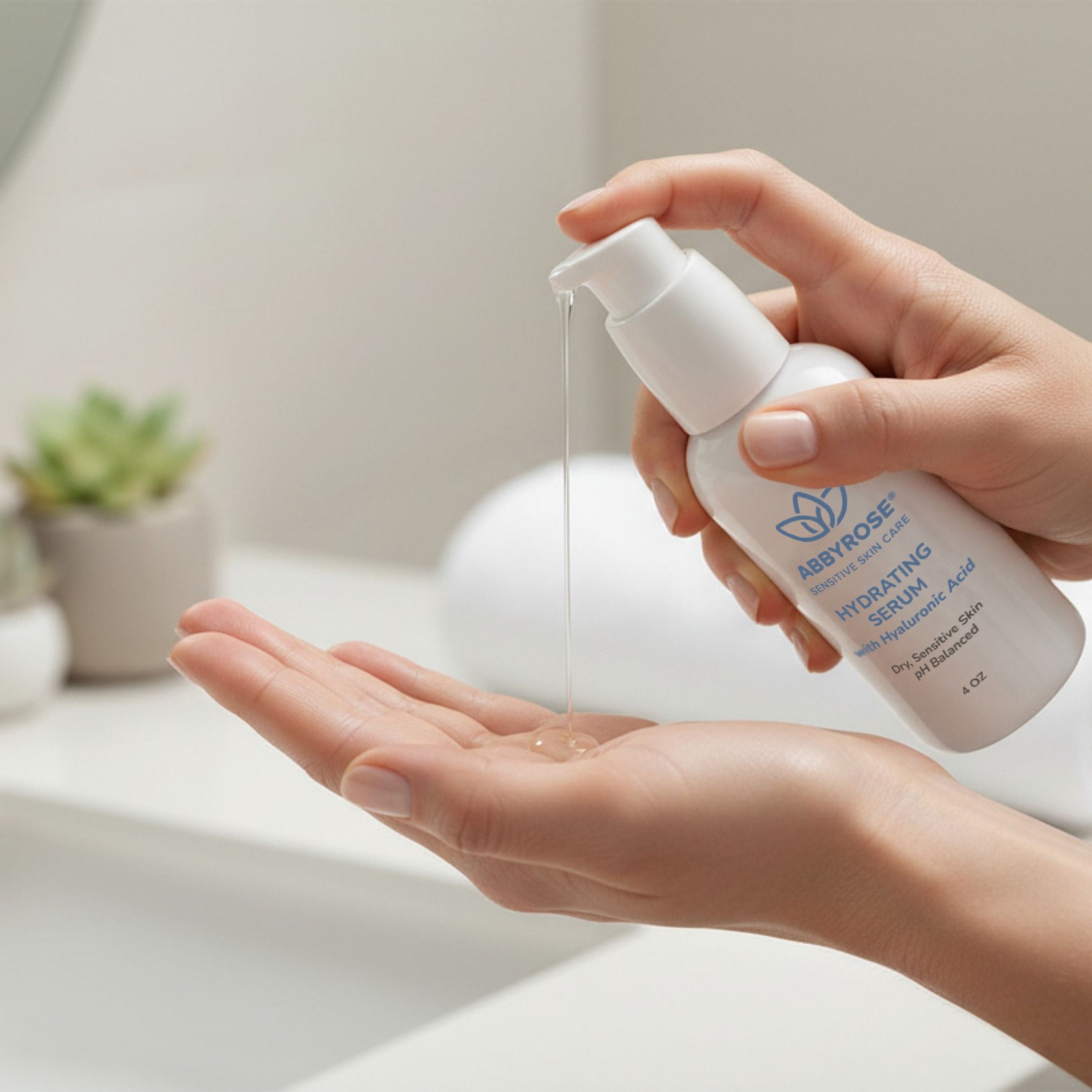
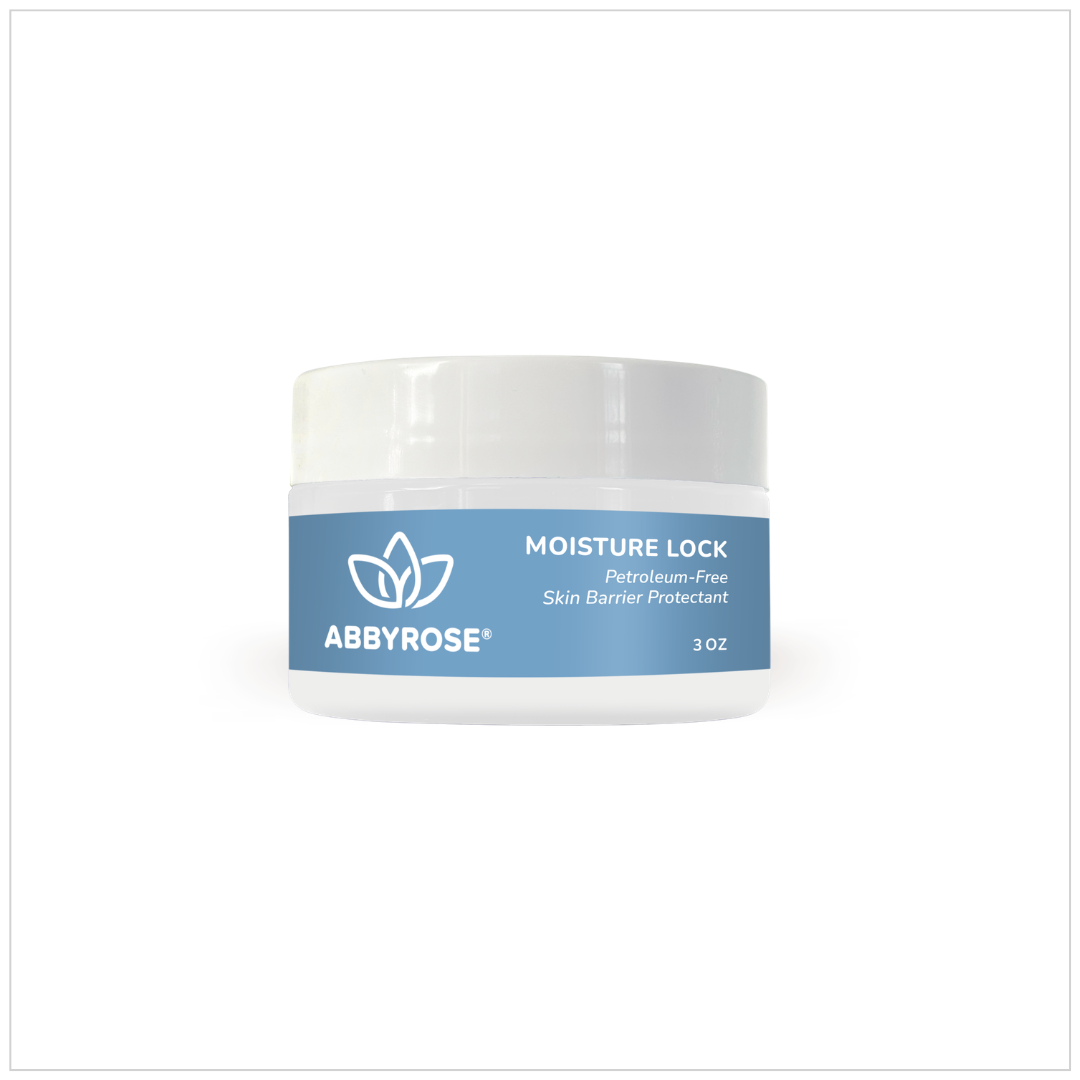
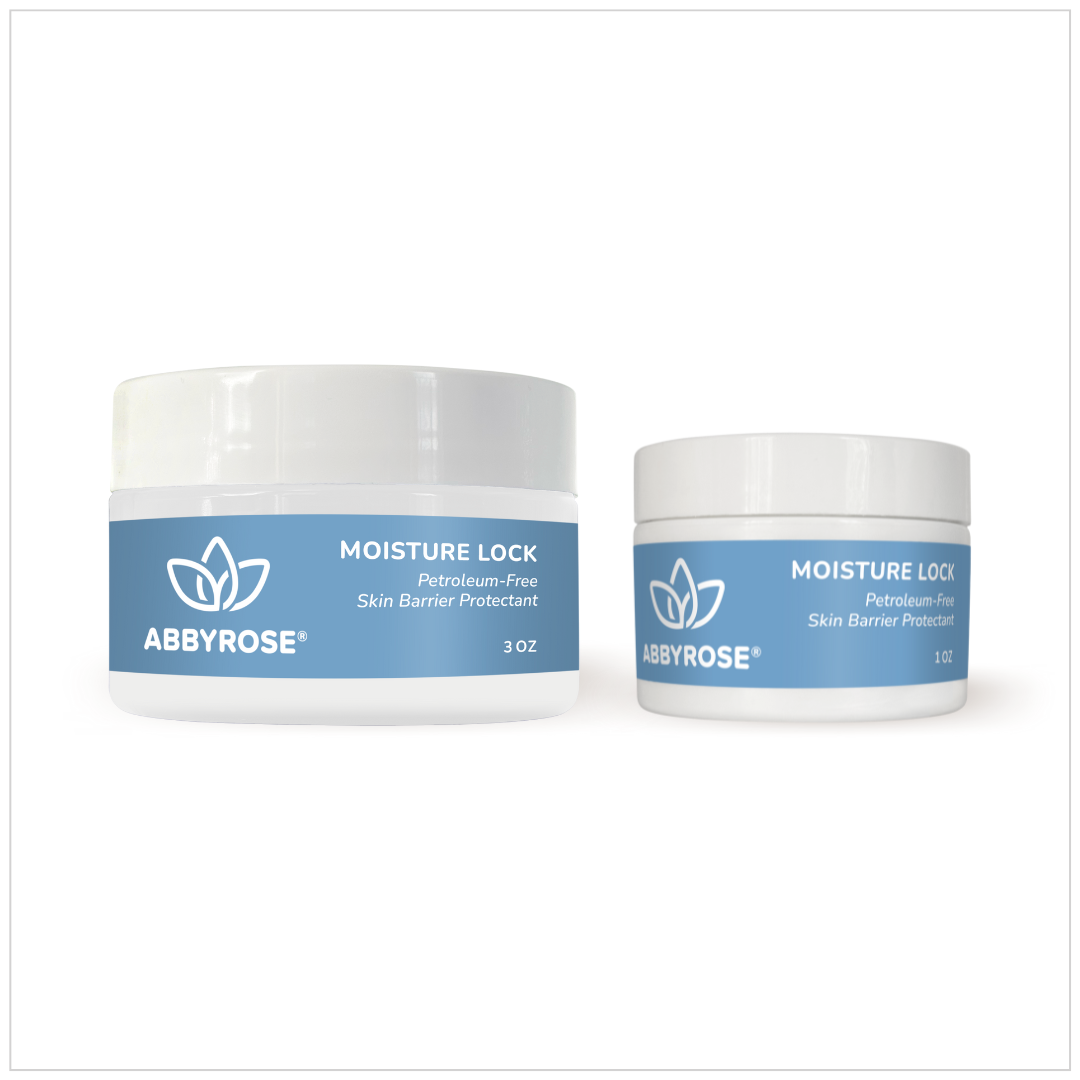
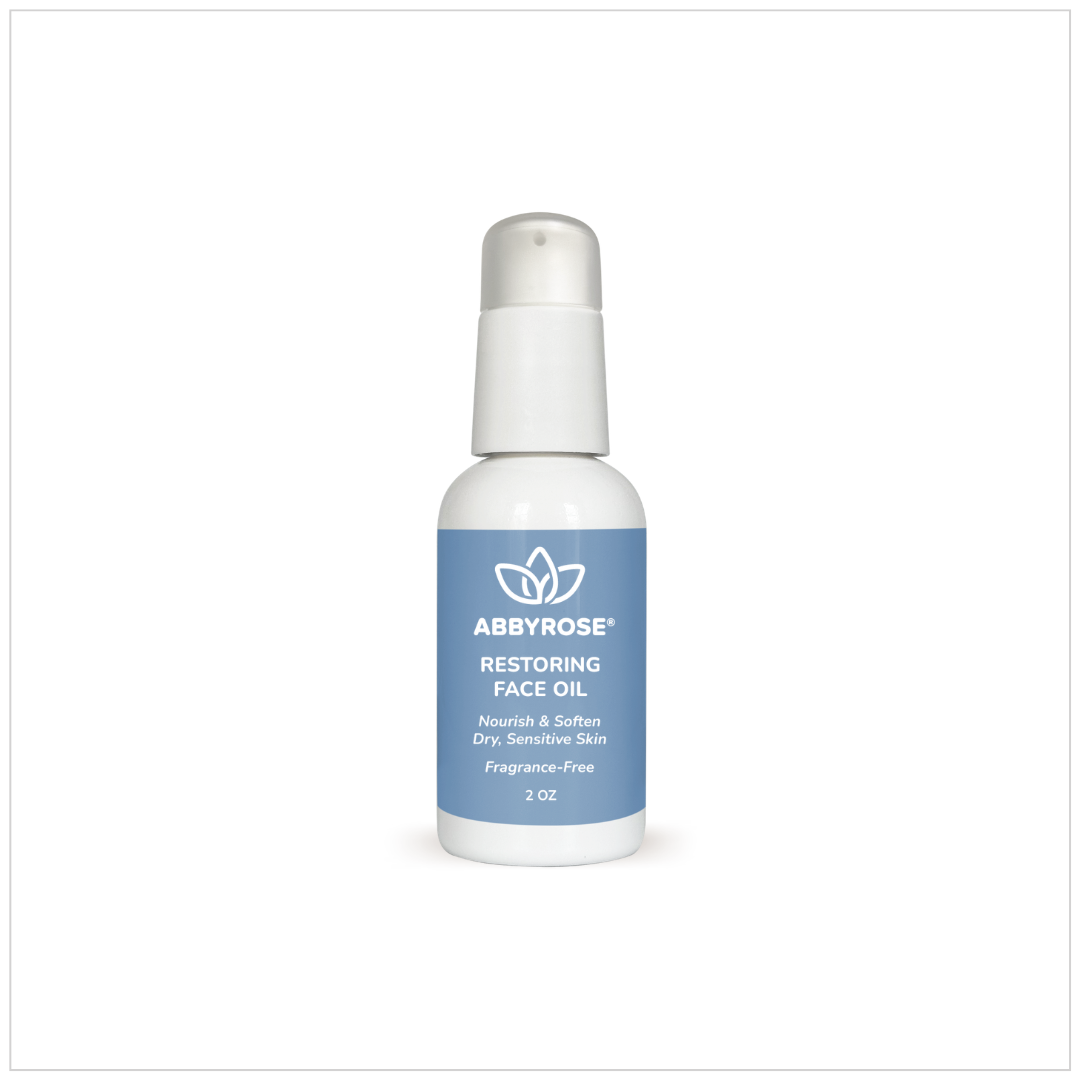
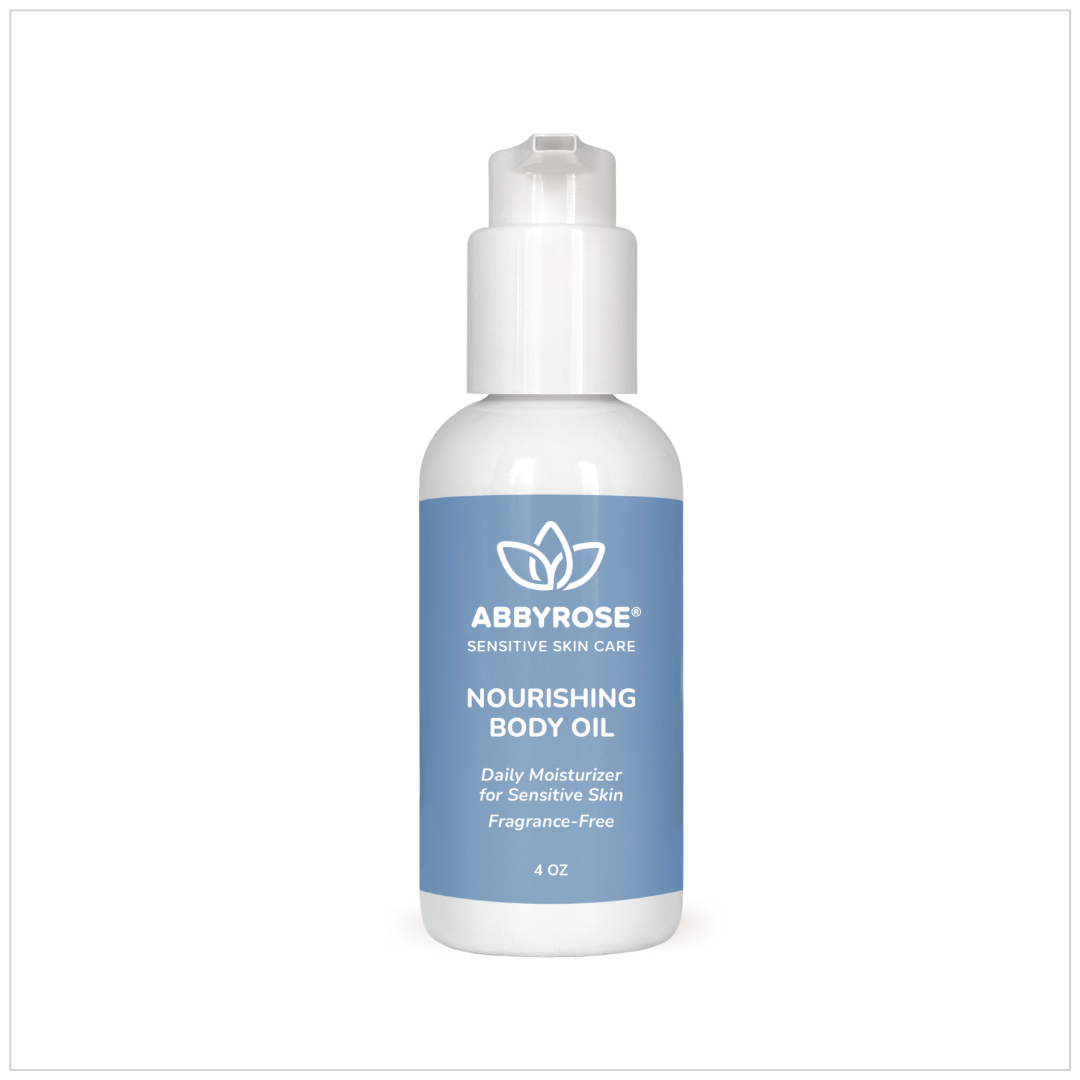
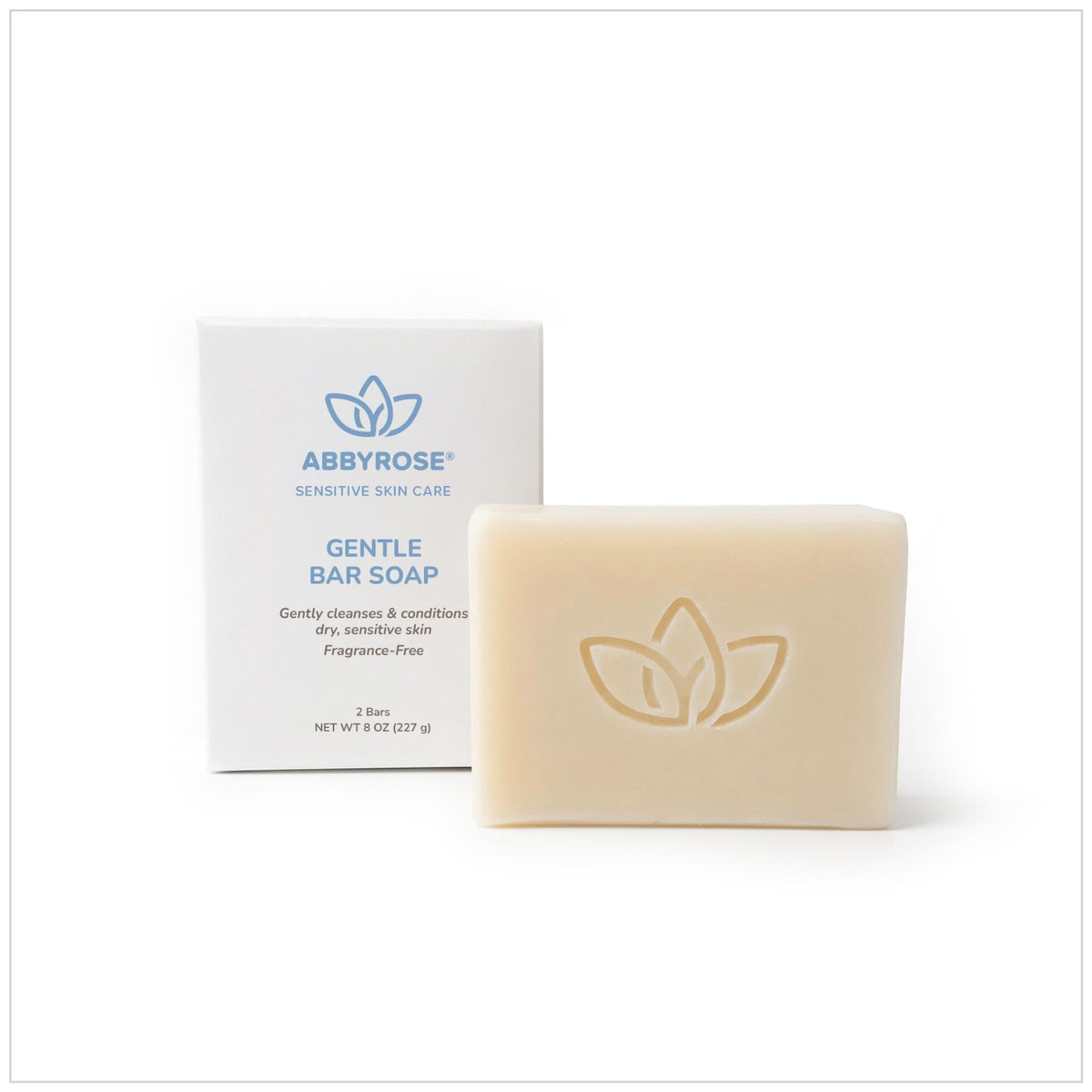
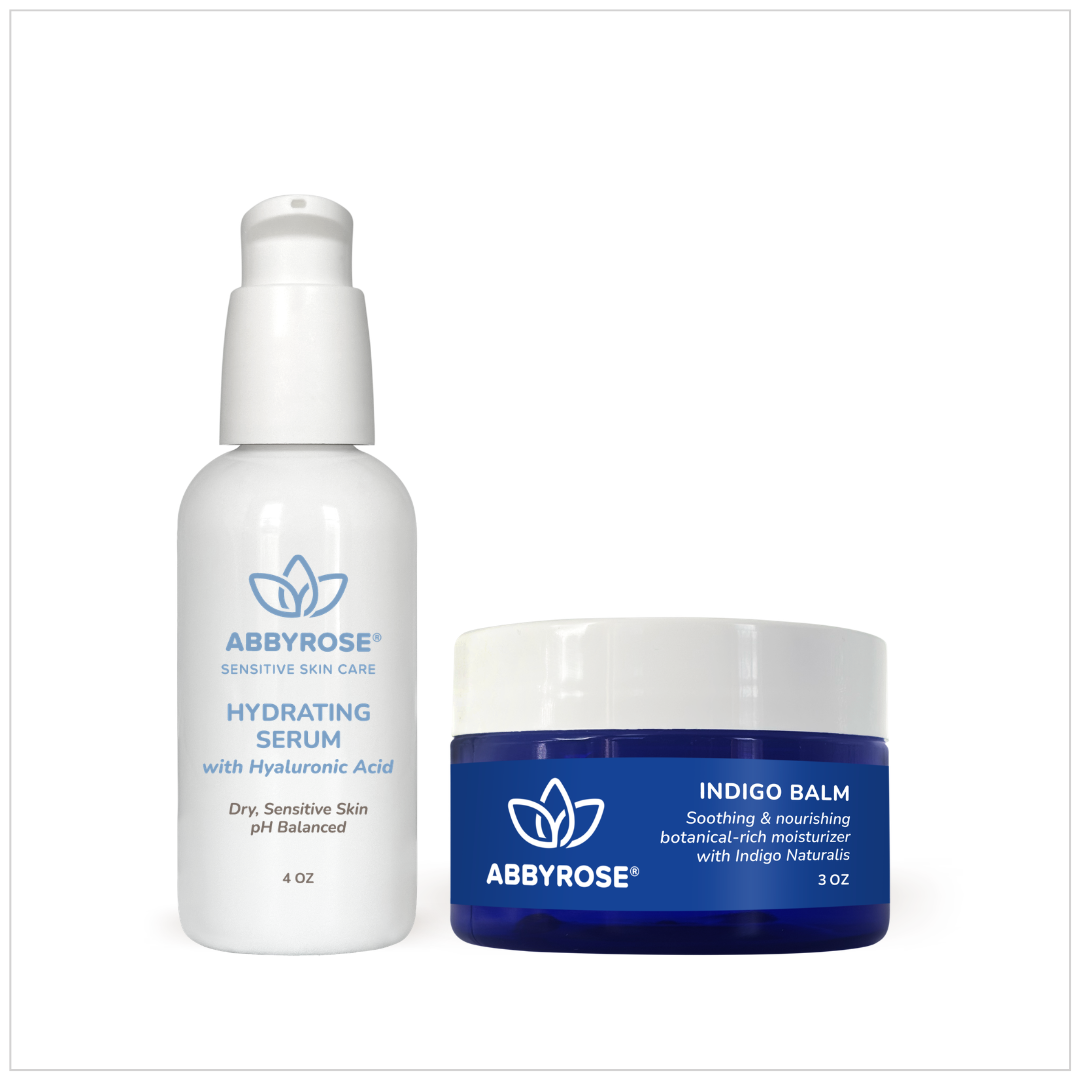
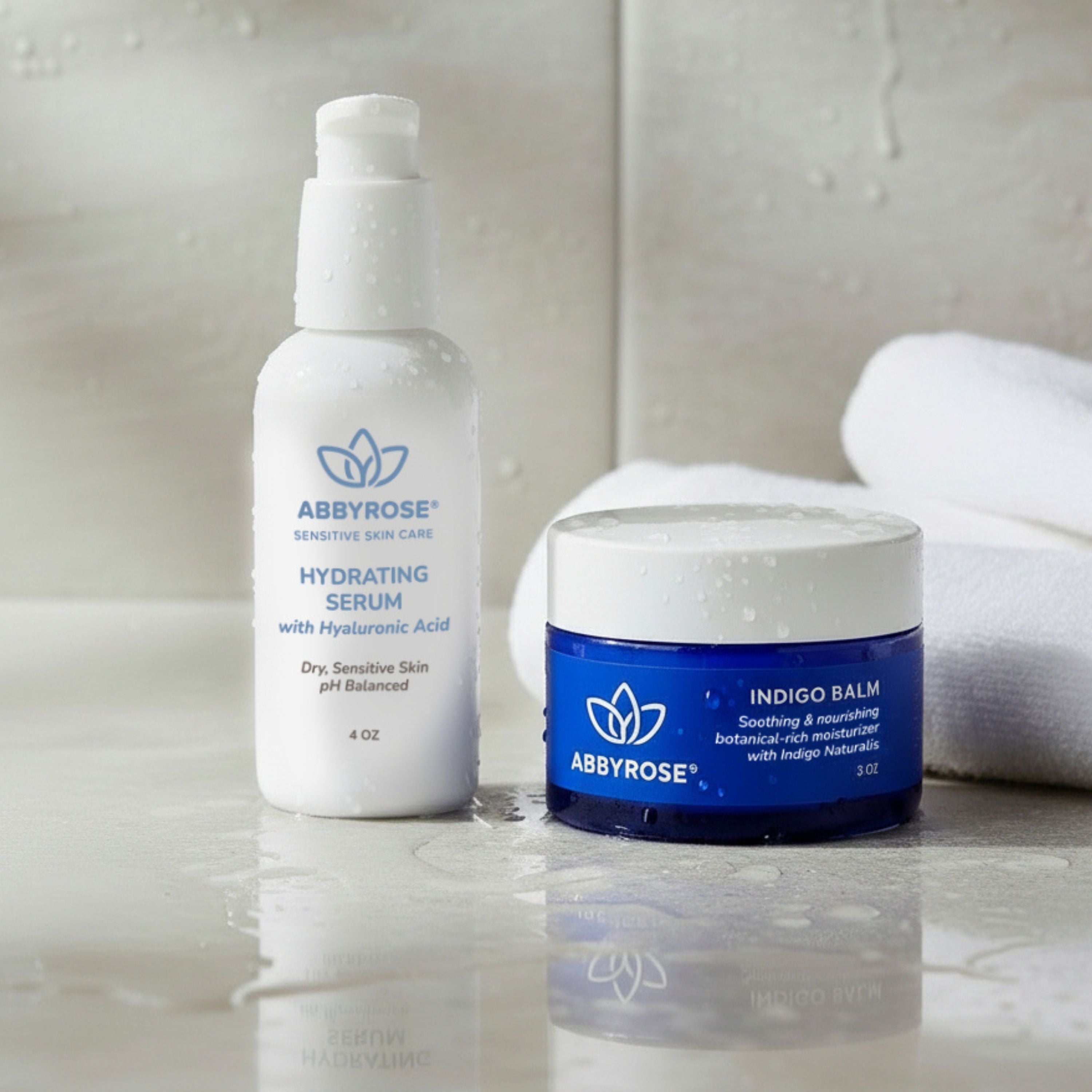
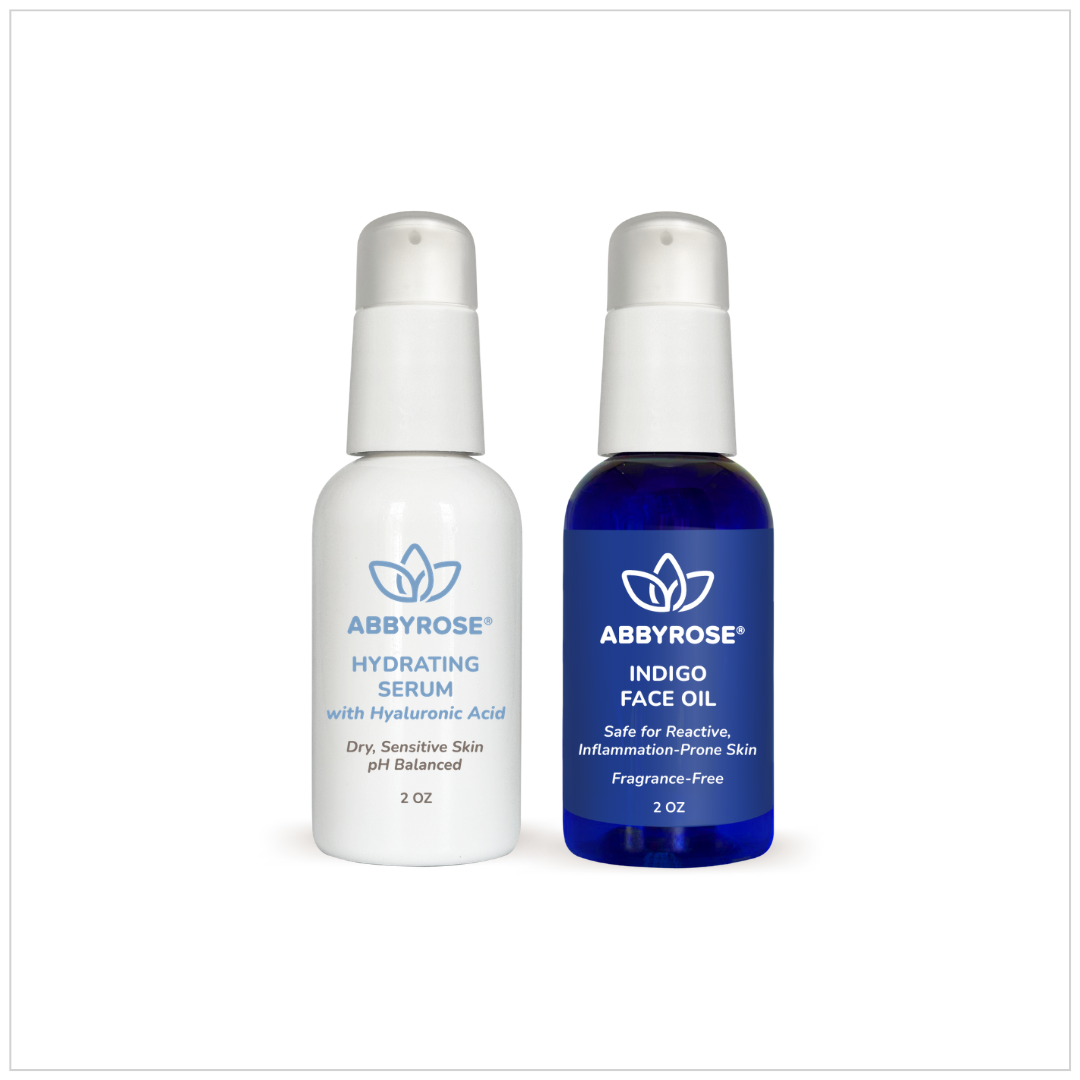
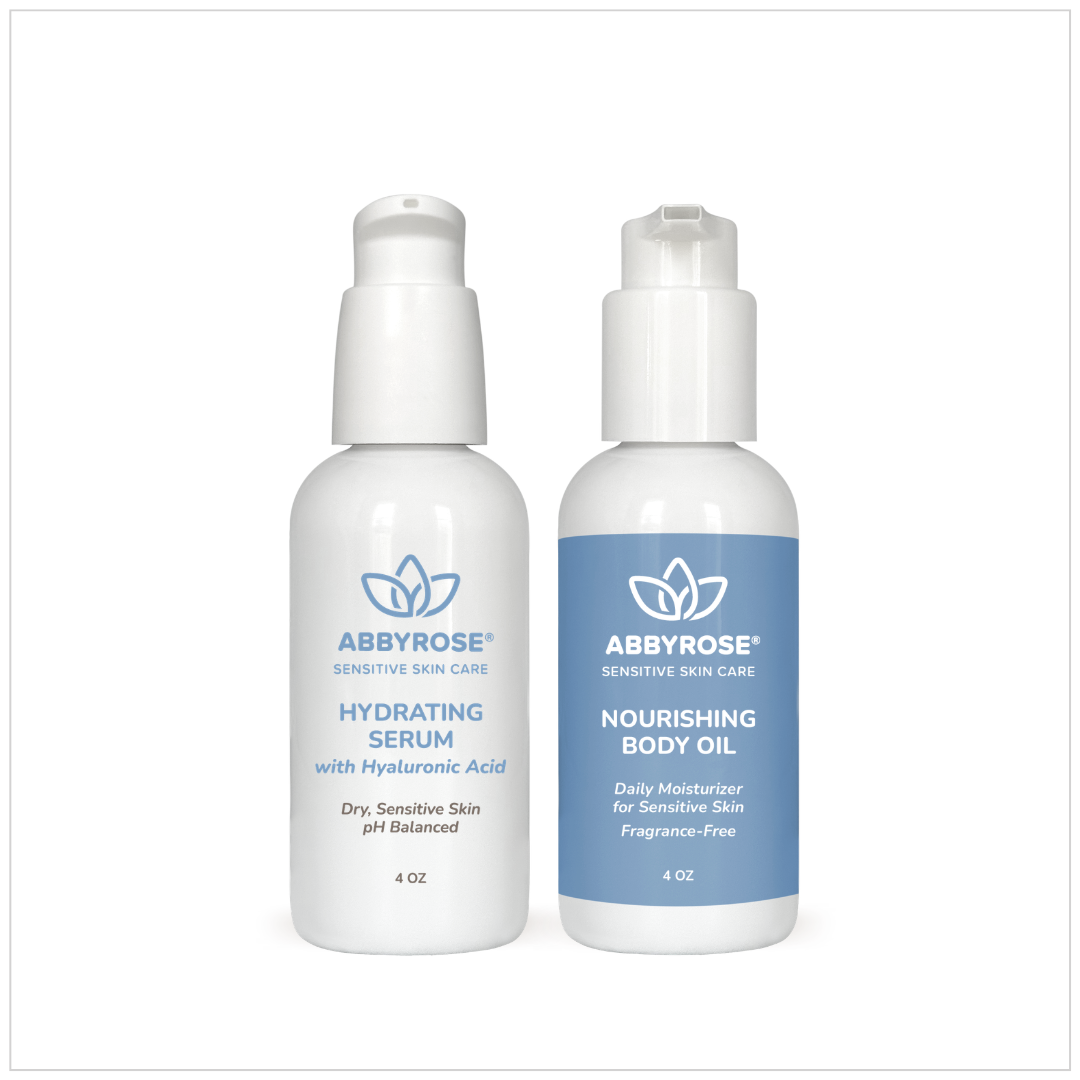
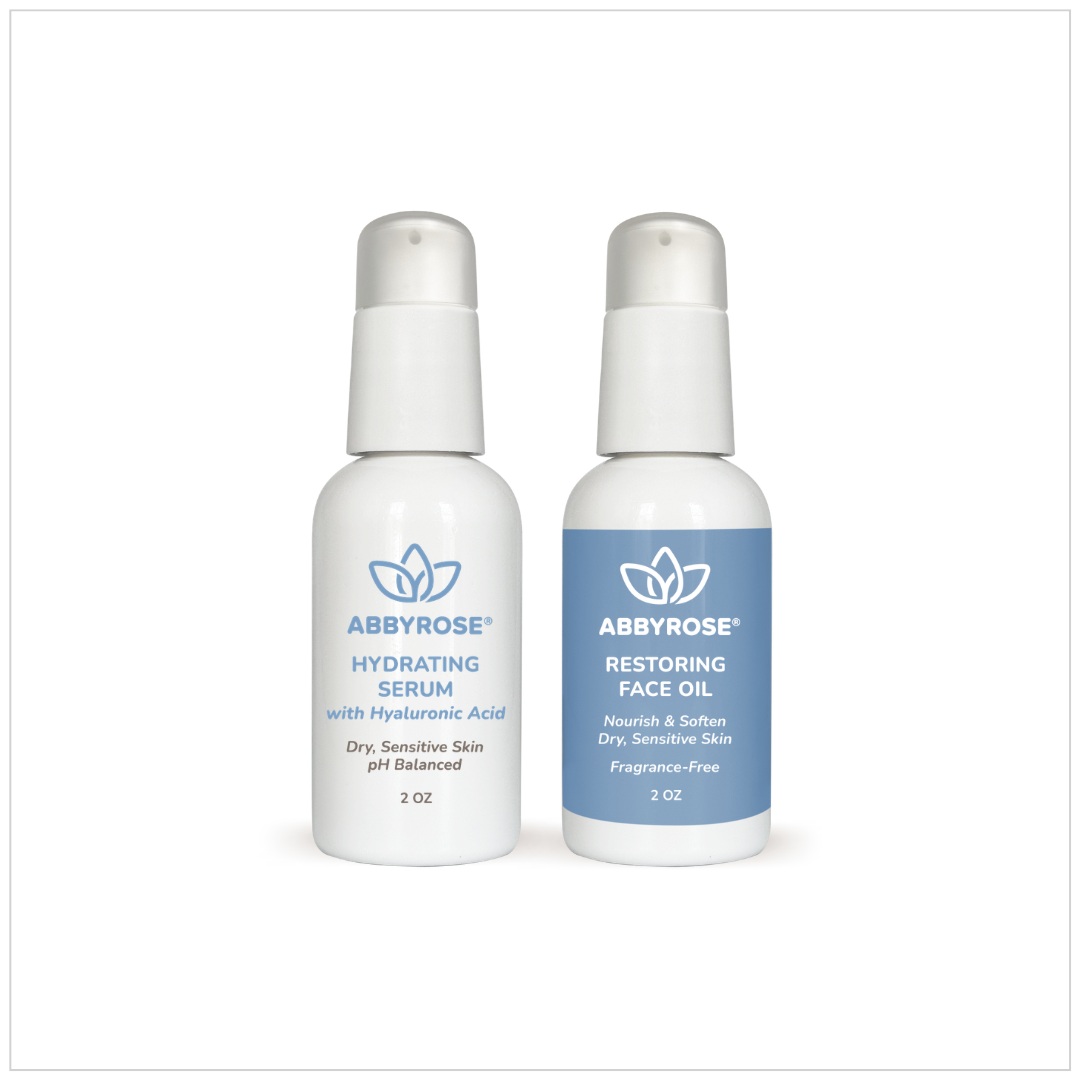
For example, Abby Rose Skin Care emphasizes:
-
Certified organic ingredients
-
Careful sourcing transparency
-
Avoidance of unnecessary fillers
-
Waterless formulations to reduce preservative needs
In some cases, brands even grow their own botanicals to manage quality control, particularly for products that are formulated for sensitive skin. This level of control can help reduce variability in products and ensure purity, which is important for people with reactive skin.
Final Thoughts
Organic skincare can be an excellent option for sensitive skin when it is thoughtfully formulated, fragrance-free, and focused on barrier repair rather than cosmetic complexity. For sensitive skin and eczema, simplicity often wins over complexity. Fewer ingredients usually mean fewer potential triggers. When chosen wisely, organic skincare can be a powerful part of regaining healthier, more comfortable skin.