
People with sensitive or reactive skin conditions, such as eczema or chronic dryness, often look for gentle plant-based ingredients that can help calm irritation while supporting the skin barrier. One botanical that has gained increasing scientific and traditional attention is Cardiospermum Halicacabum, a plant used in herbal medicine systems for centuries.
What is Cardiospermum Halicacabum?
Cardiospermum halicacabum, commonly known as “Balloon Vine” or “Love-in-a-Puff,” is a climbing vine in the Sapindaceae family. It grows in tropical and subtropical regions and is easily recognized by its inflated seed pods and dark seeds with heart-shaped markings.
In traditional herbal practices, different parts of the plant have been used for skin discomfort, inflammation, and general wound care support. Modern scientific interest has expanded because of its rich phytochemical profile, which includes flavonoids, saponins, tannins, and other bioactive compounds that may contribute to its skin-soothing properties.
What Research Suggests About its Skin Benefits
While research is still evolving, multiple studies suggest that Cardiospermum contains compounds with antioxidant and anti-inflammatory activity. These properties are especially relevant for eczema-prone skin, where chronic inflammation and oxidative stress play a central role in disrupting the skin barrier, contributing to dryness, itching, and recurrent flare-ups.
In broader pharmacological reviews, Cardiospermum is consistently noted for its skin-calming potential, which is why it continues to be studied in dermatological formulations.
Why It Matters for Sensitive and Eczema-Prone Skin
Inflammation, impaired barrier function, and moisture loss are central features of eczema and other sensitive skin conditions. Ingredients that are gentle, non-irritating, and supportive of the skin barrier are often prioritized in these cases.
In practical use, Cardiospermum is typically included in topical formulations intended to calm discomfort and reduce visible irritation. Because it is plant-derived and generally considered mild, it is often paired with moisturizing and barrier-repair ingredients like plant oils, shea butter, humectants, and occlusives to support overall skin comfort.
This makes it especially relevant in formulations designed for skin care for eczema-prone skin, where the goal is not just short-term soothing, but also long-term barrier support.
Moisture and Barrier Support in Daily Skincare
For individuals managing dry or reactive skin, hydration is just as important as soothing inflammation. Well-formulated products aim to replenish lipids, attract moisture into the skin, and prevent water loss.
A properly designed moisturizer for eczema-prone skin typically combines humectants (like glycerin or aloe), emollients (like plant oils), and occlusives (like waxes or butters). When botanical extracts such as Cardiospermum are added, they are usually included to enhance calming effects.
Similarly, many dermatology-focused routines rely on layered hydration approaches that combine cleansers, serums, and balms formulated for eczema relief, ensuring that the skin barrier remains supported throughout the day.
Natural Formulations and Gentle Alternatives
There is growing consumer interest in plant-based skincare, especially among individuals who react easily to fragrances, harsh preservatives, or aggressive active ingredients. Botanical ingredients like Cardiospermum are often positioned within this space because of their long history of traditional use and their generally mild profile in topical applications.
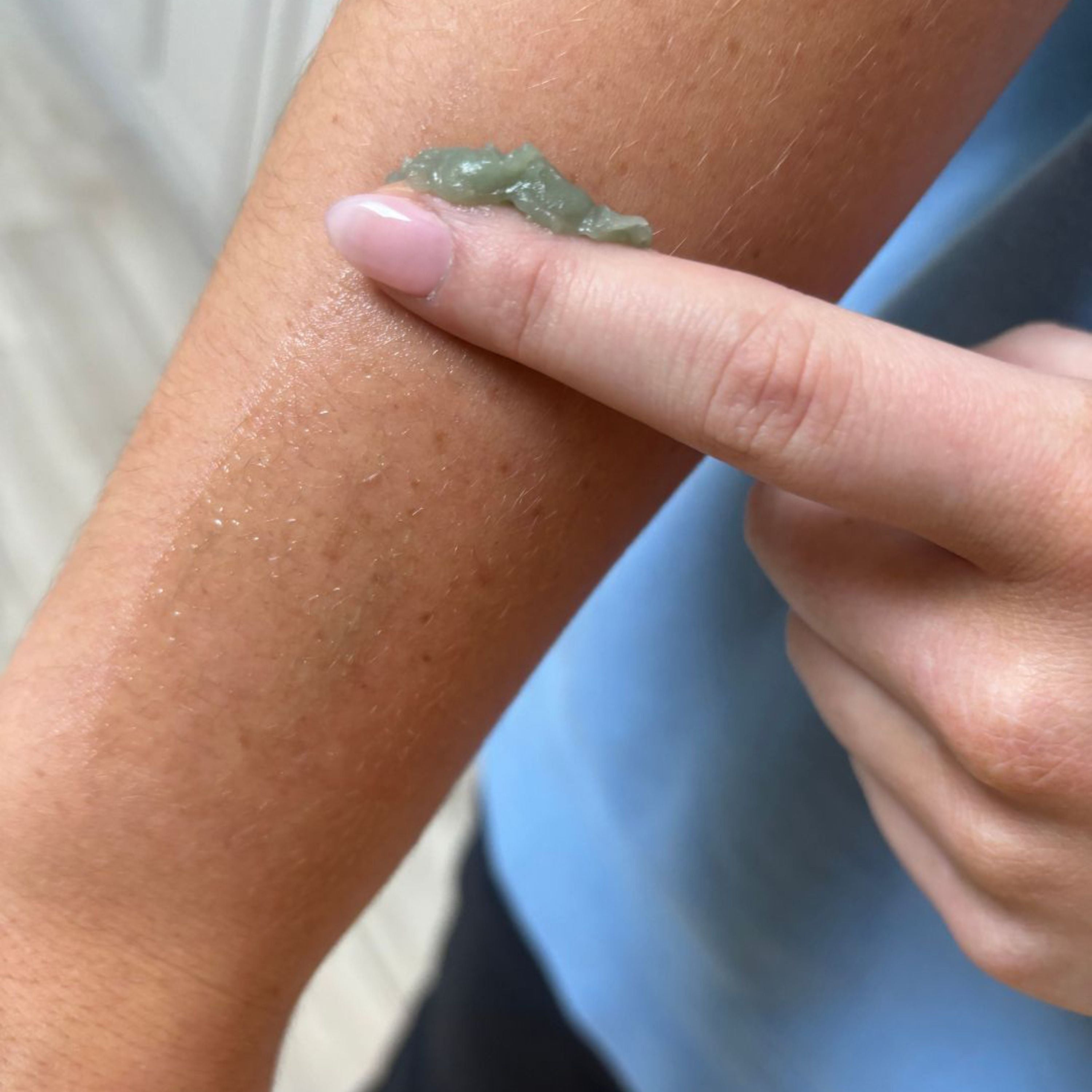
However, it is important to note that “natural” does not automatically mean non-irritating for every individual. Skin sensitivity varies widely, and even plant extracts can occasionally trigger reactions depending on concentration and formulation. It’s always best to patch test on the inside of the forearm and wait 24-48 hours to ensure no skin sensitivity.
How Abby Rose Skin Care Works with Cardiospermum
Their decision to consider including Cardiospermum in their product was influenced by clinical insight from board-certified dermatologist and eczema specialist, Dr. Peter Lio. In collaboration with Heather Clark, Founder of Abby Rose Skin Care, Dr. Lio recommended exploring Cardiospermum as a supportive botanical to include in a balm formulated specifically to help soothe eczema-prone and highly sensitive skin. His suggestion was based on the plant’s long history of traditional use and emerging scientific interest in its soothing properties relevant to irritated skin.
Abby Rose was unable to find a consistent and reputable external supply of Cardiospermum that met their standards for quality, purity, and sustainability. As a result, they chose to organically cultivate their own Cardiospermum plants to ensure full control over growing conditions, harvesting practices, and extraction methods.
This farm-to-formulation approach is intended to maintain ingredient integrity and reduce variability that can sometimes occur with third-party botanical sourcing. By cultivating the plant themselves, Abby Rose is able to prioritize cleaner agricultural practices, more consistent phytochemical profiles, and higher overall quality in their skincare formulations, ensuring that each batch meets strict standards for sensitive skin compatibility.
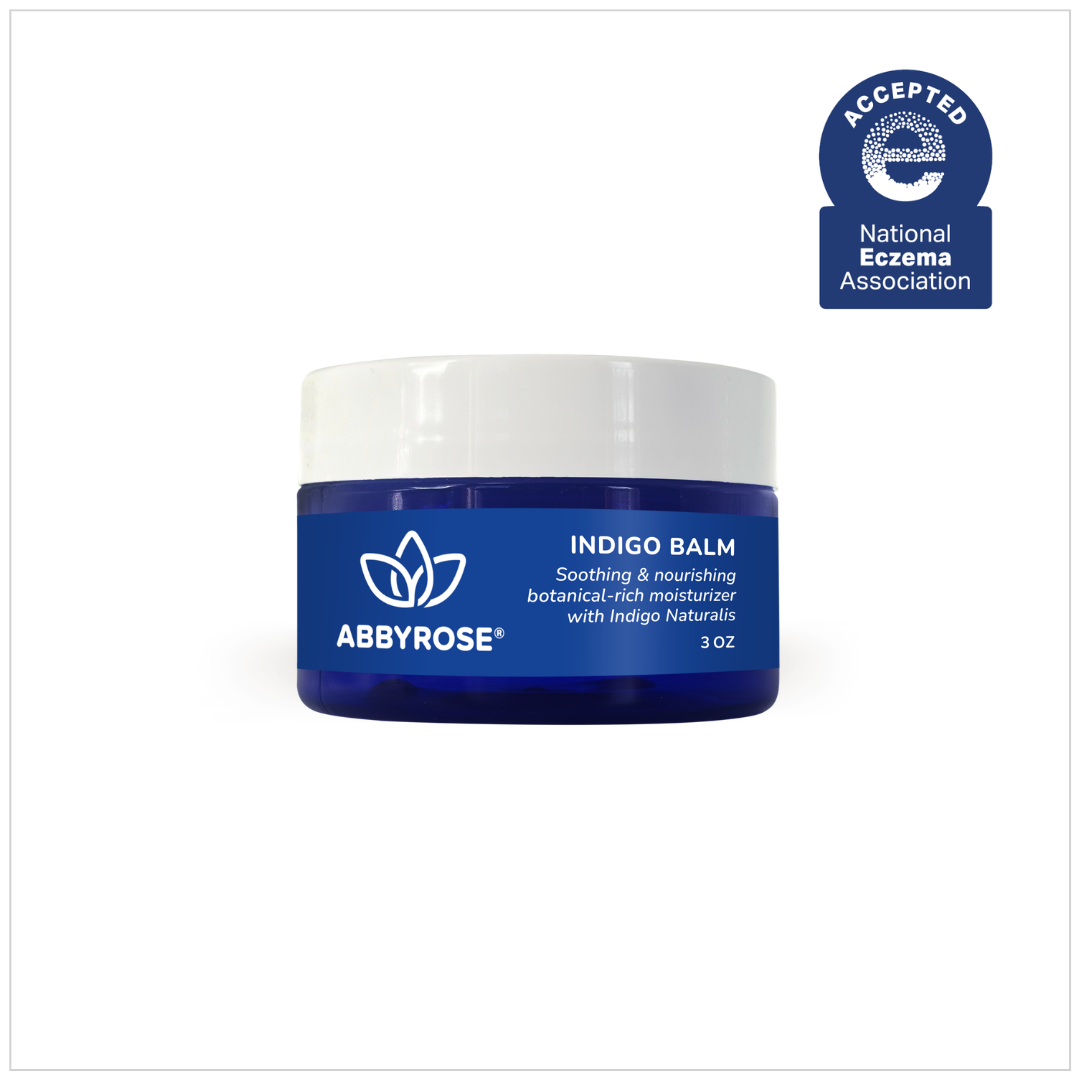
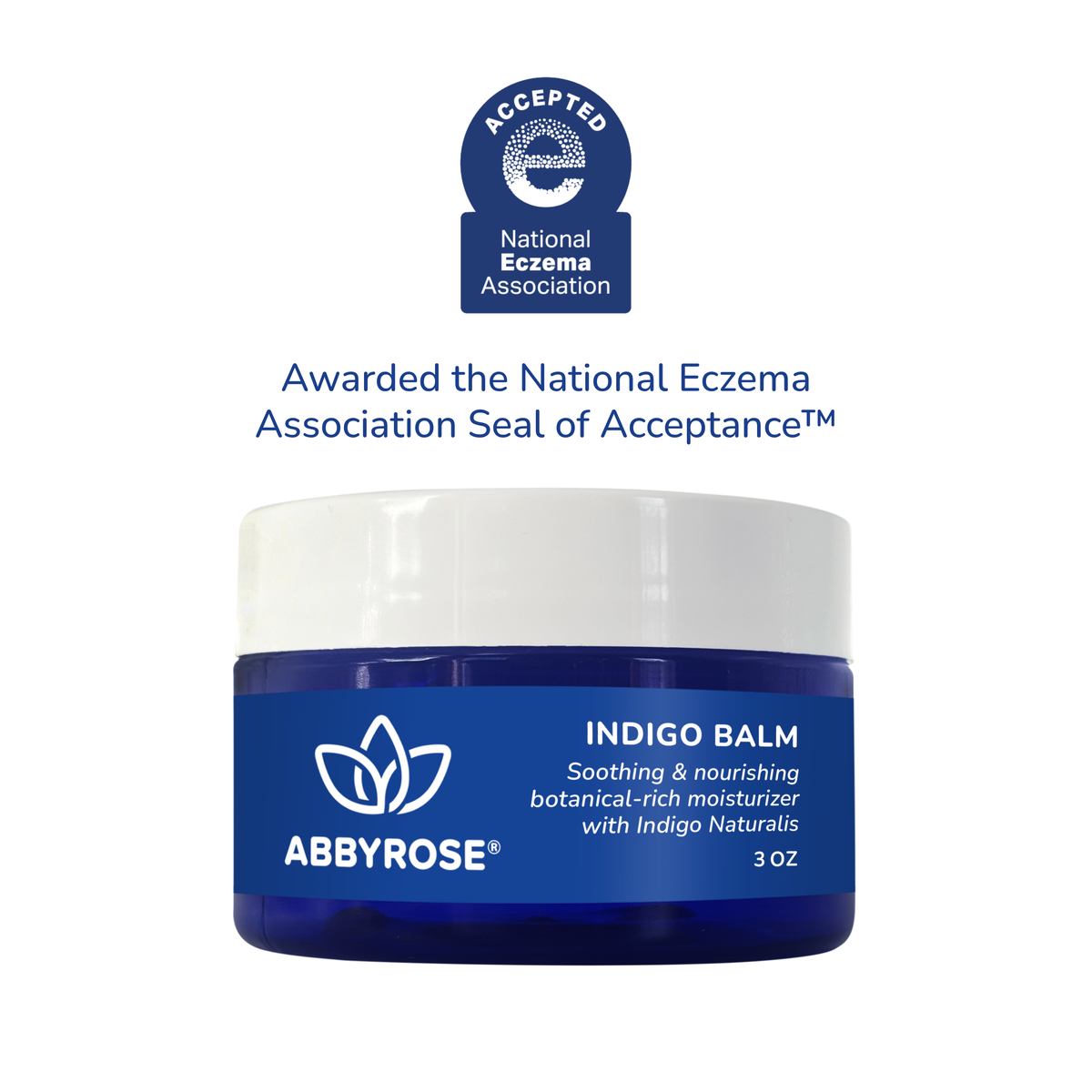
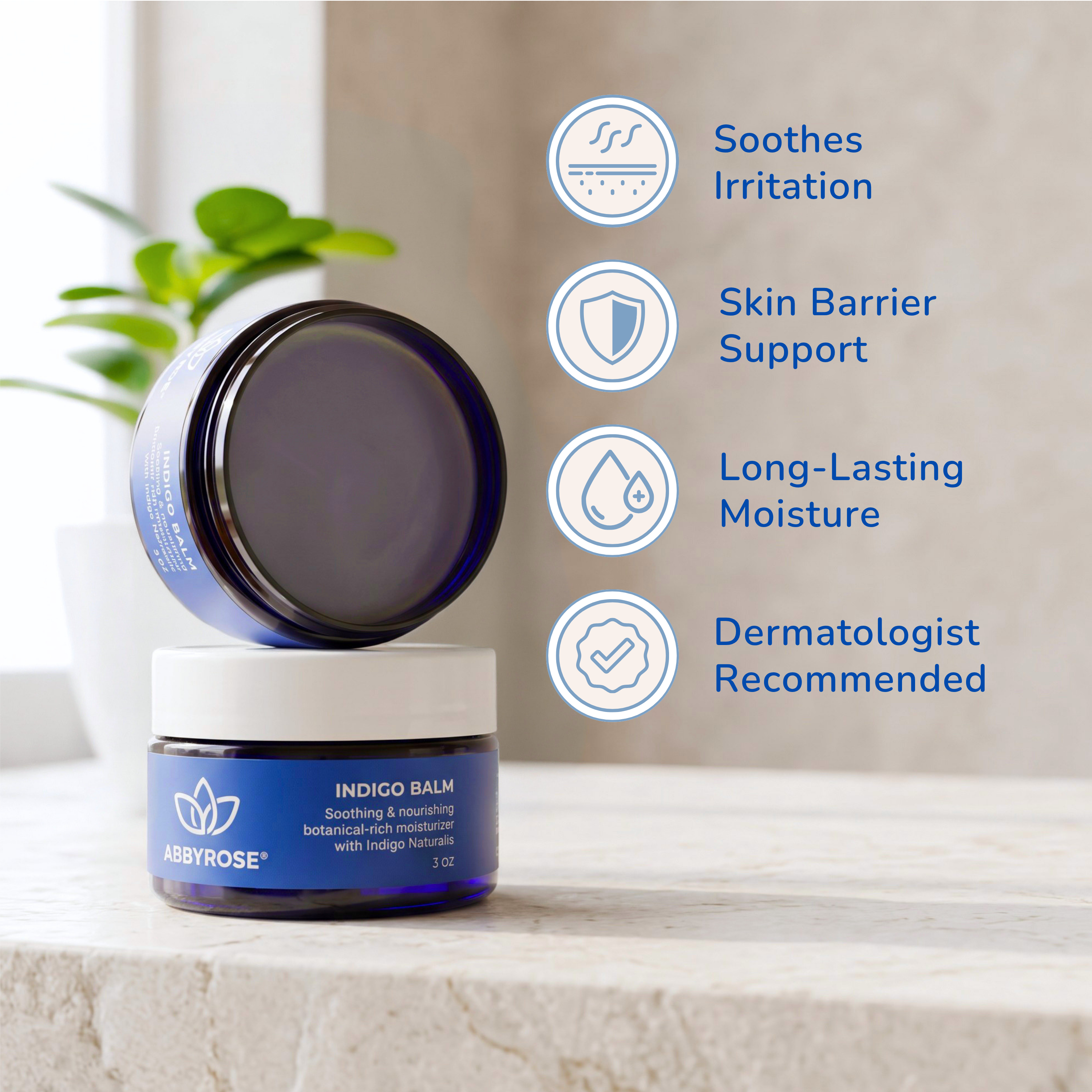
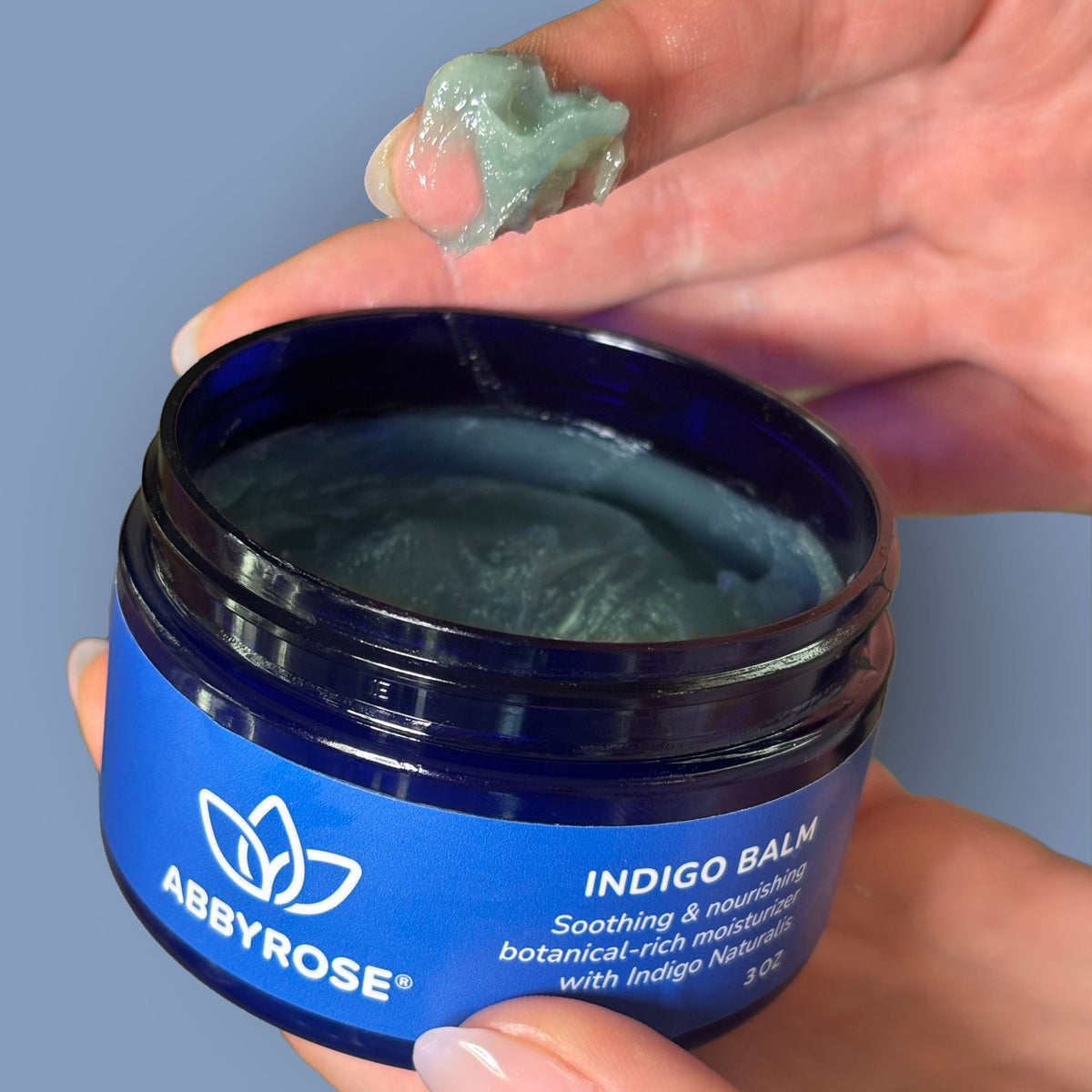
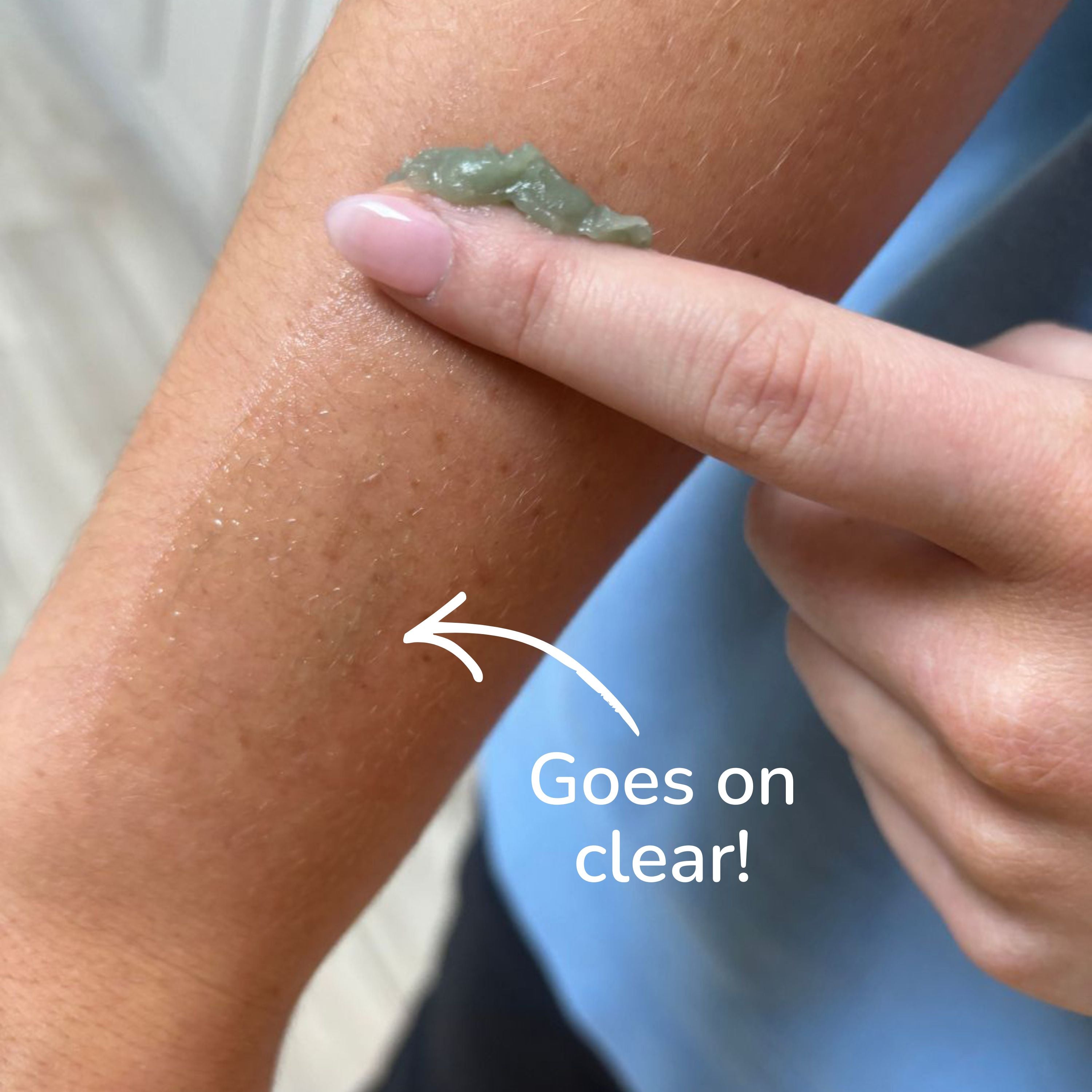
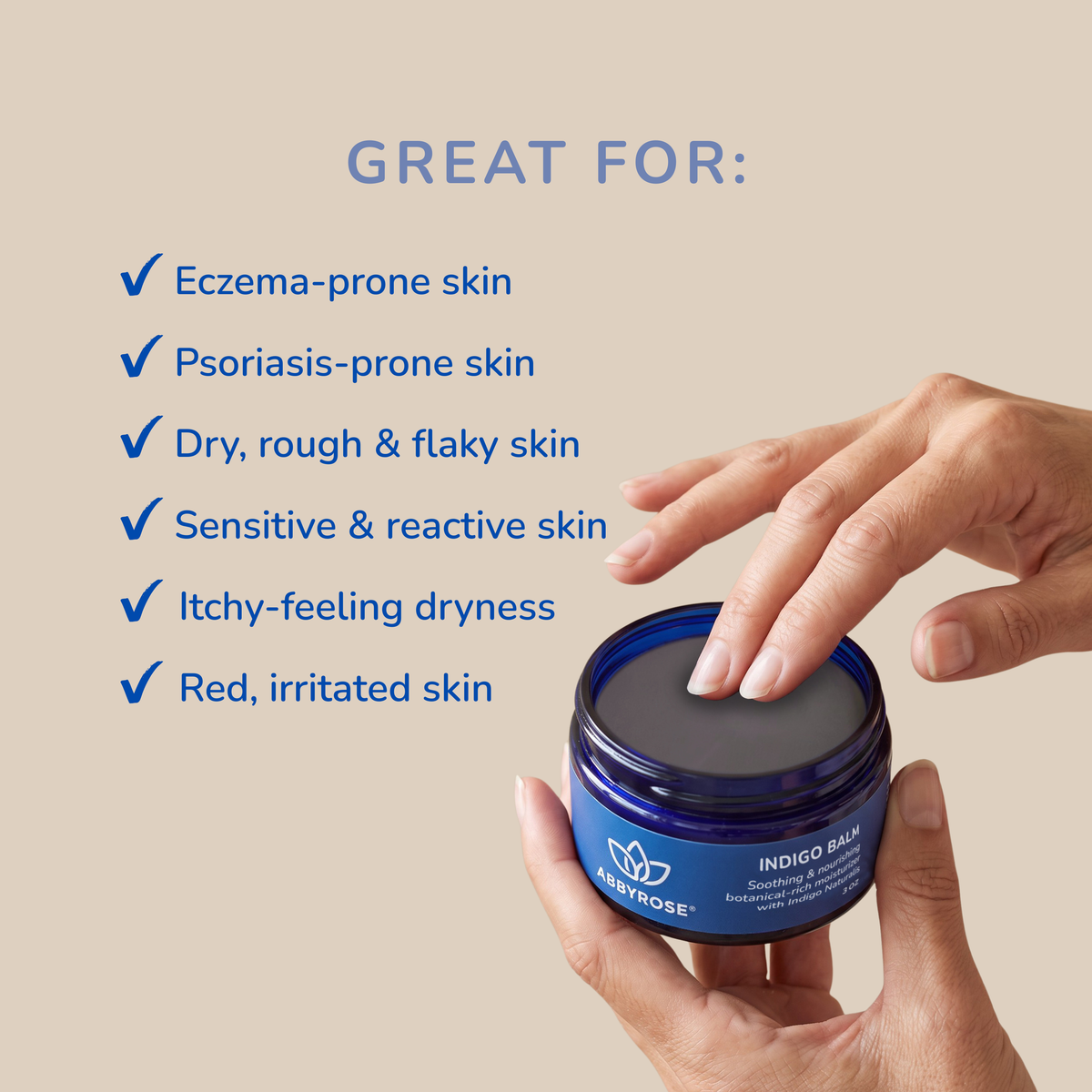
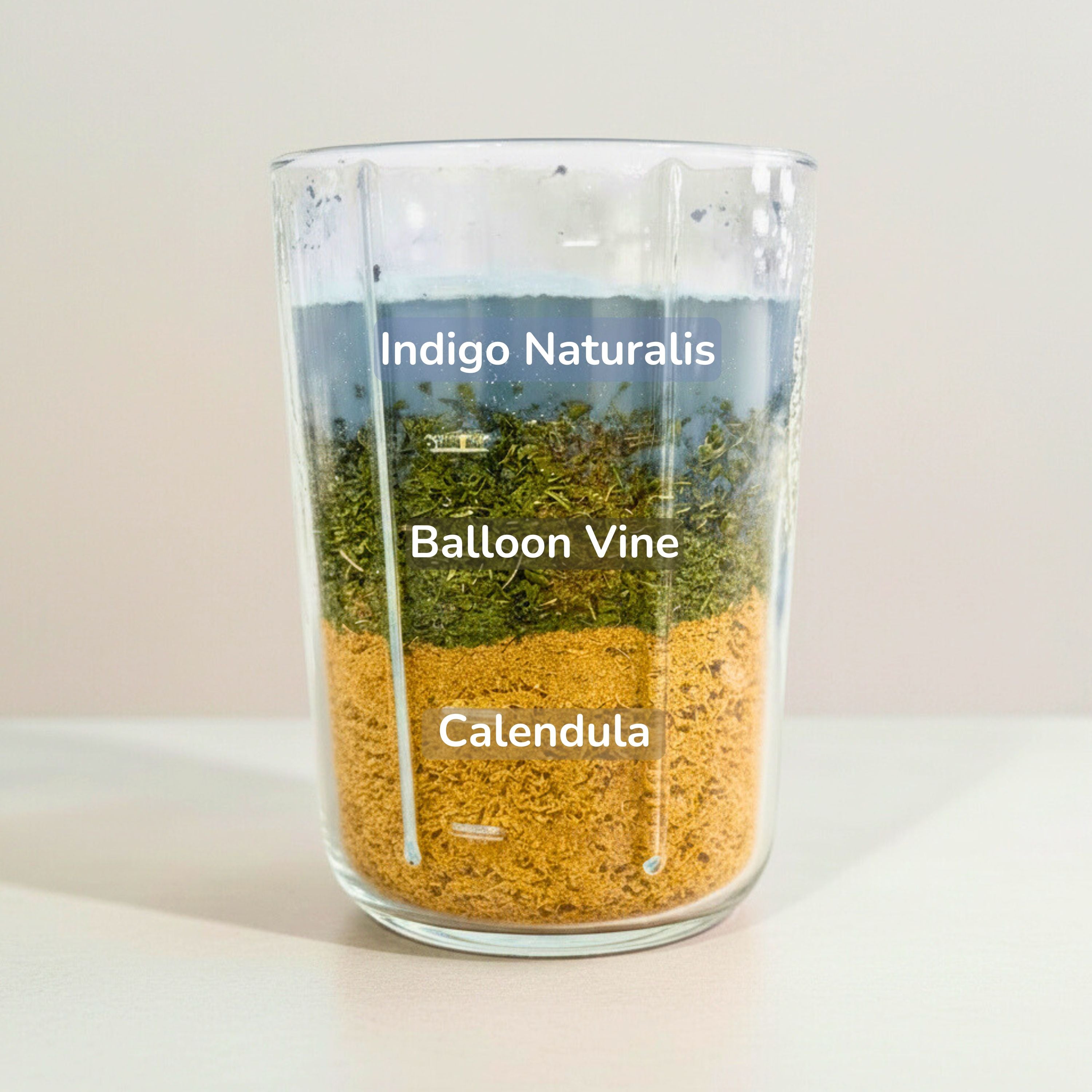
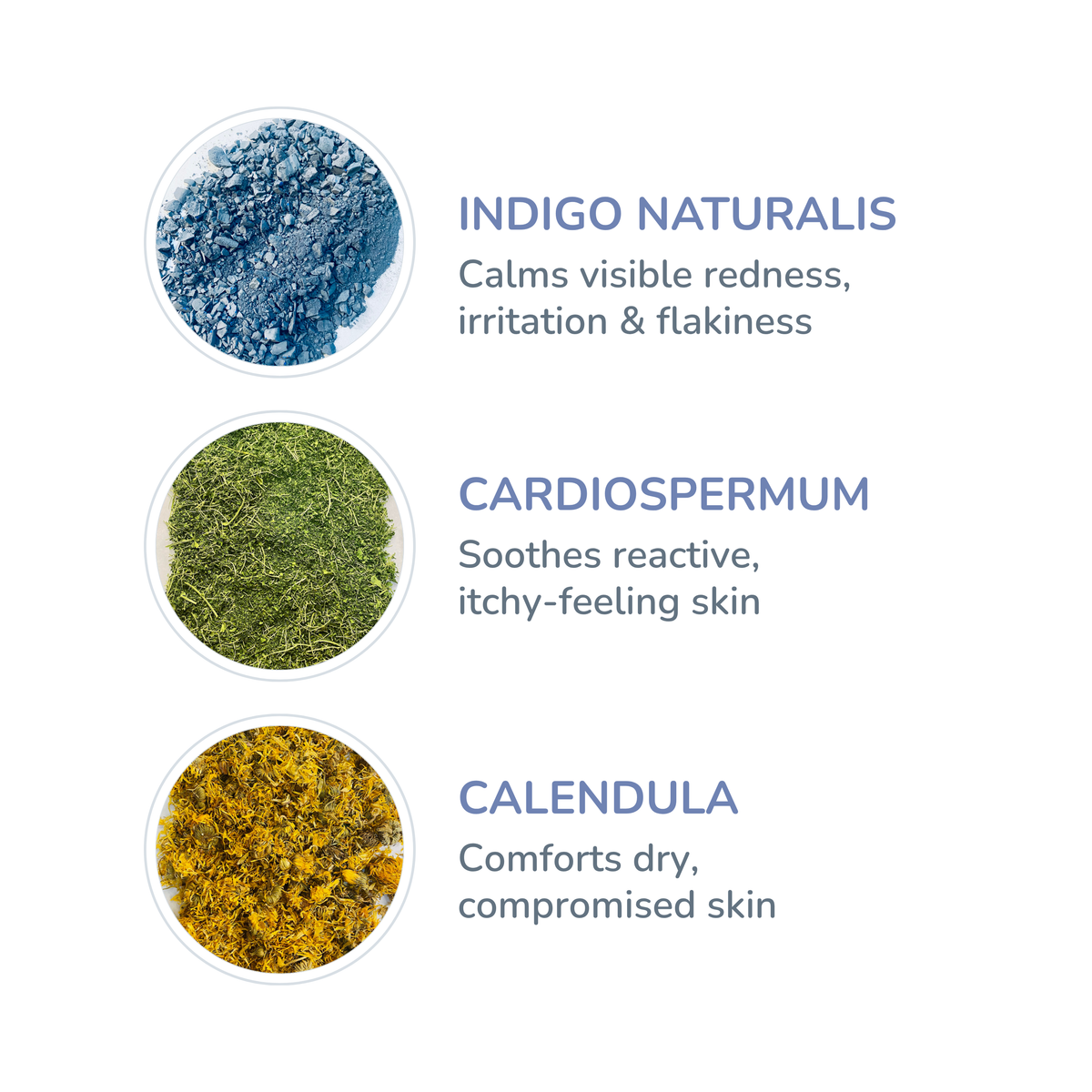
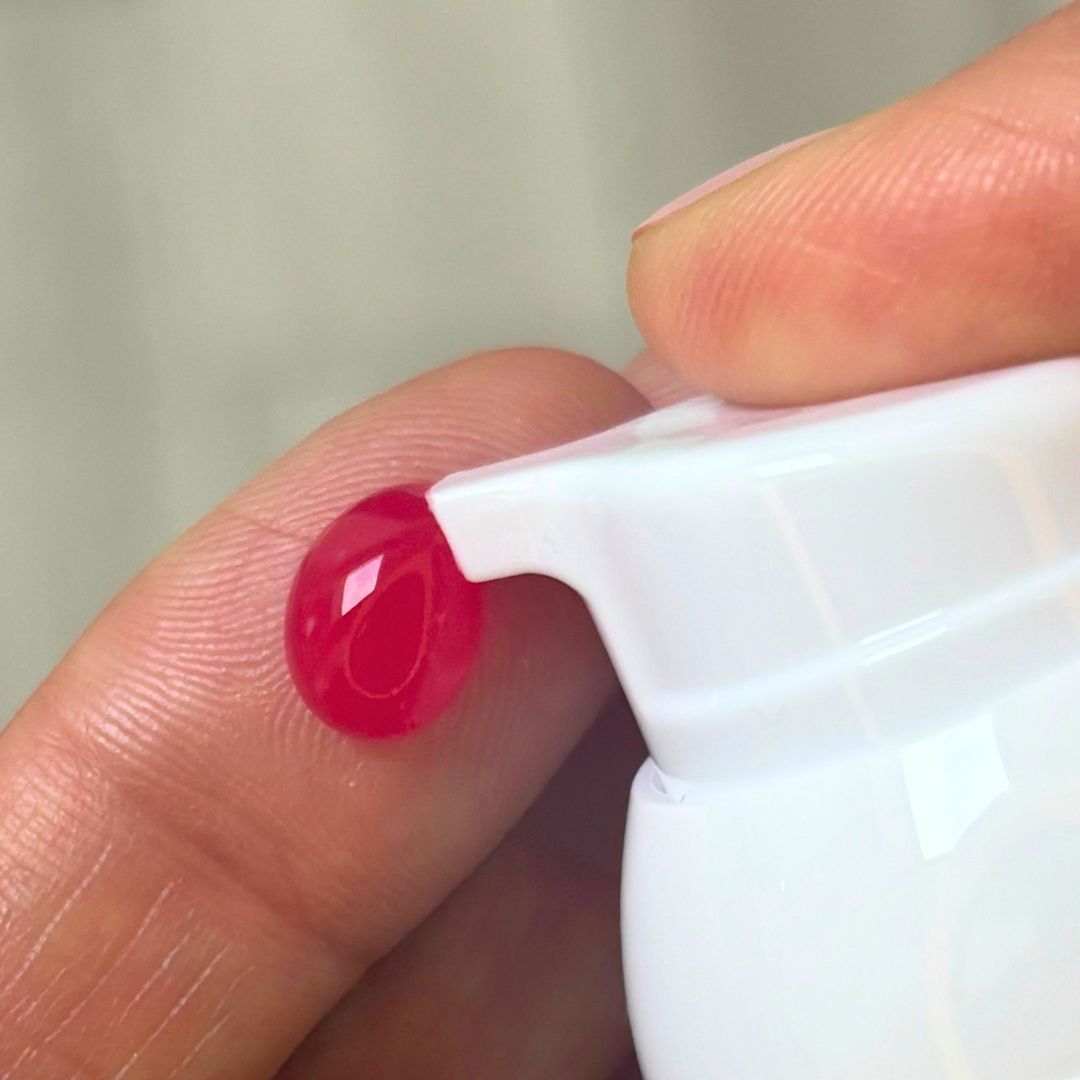
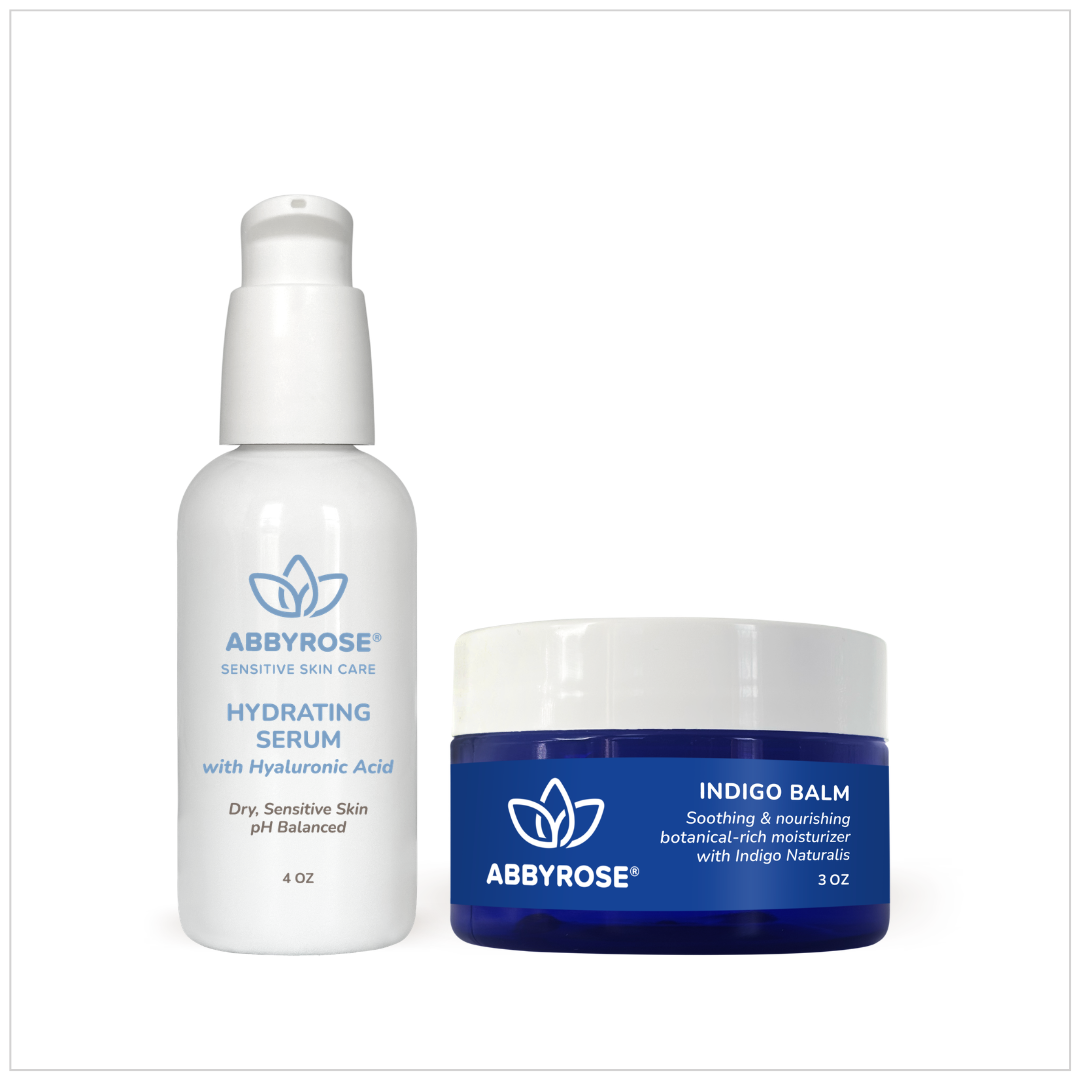
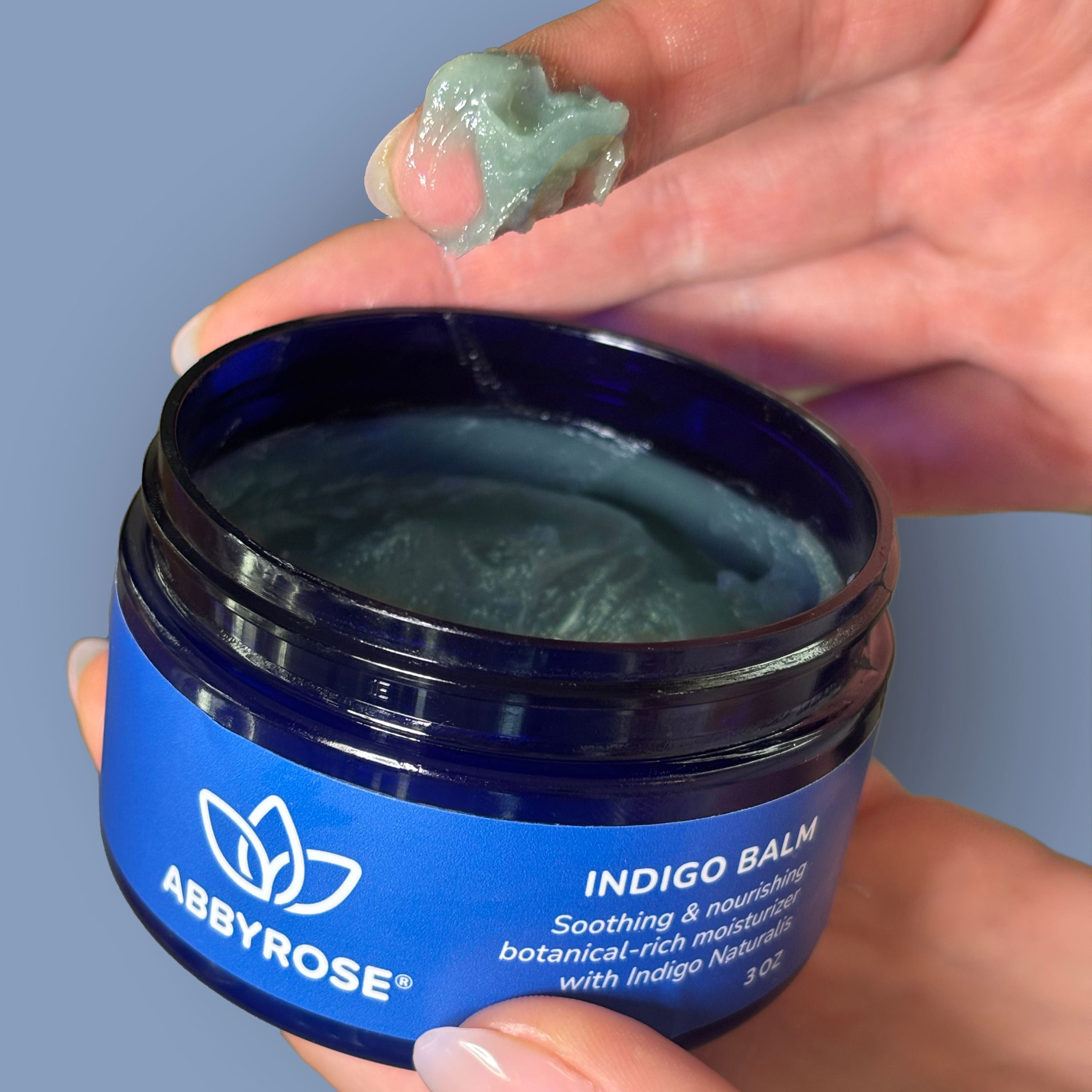
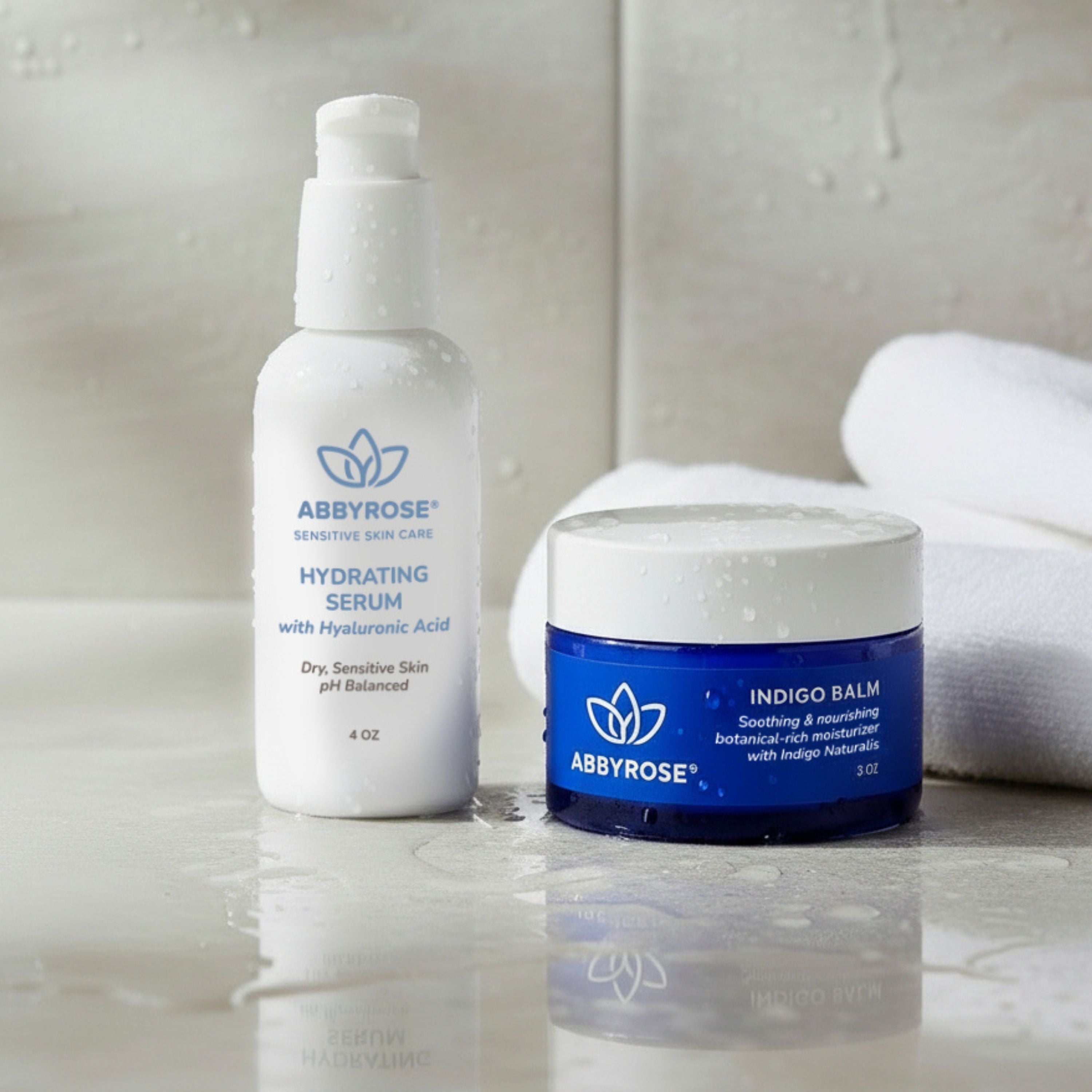
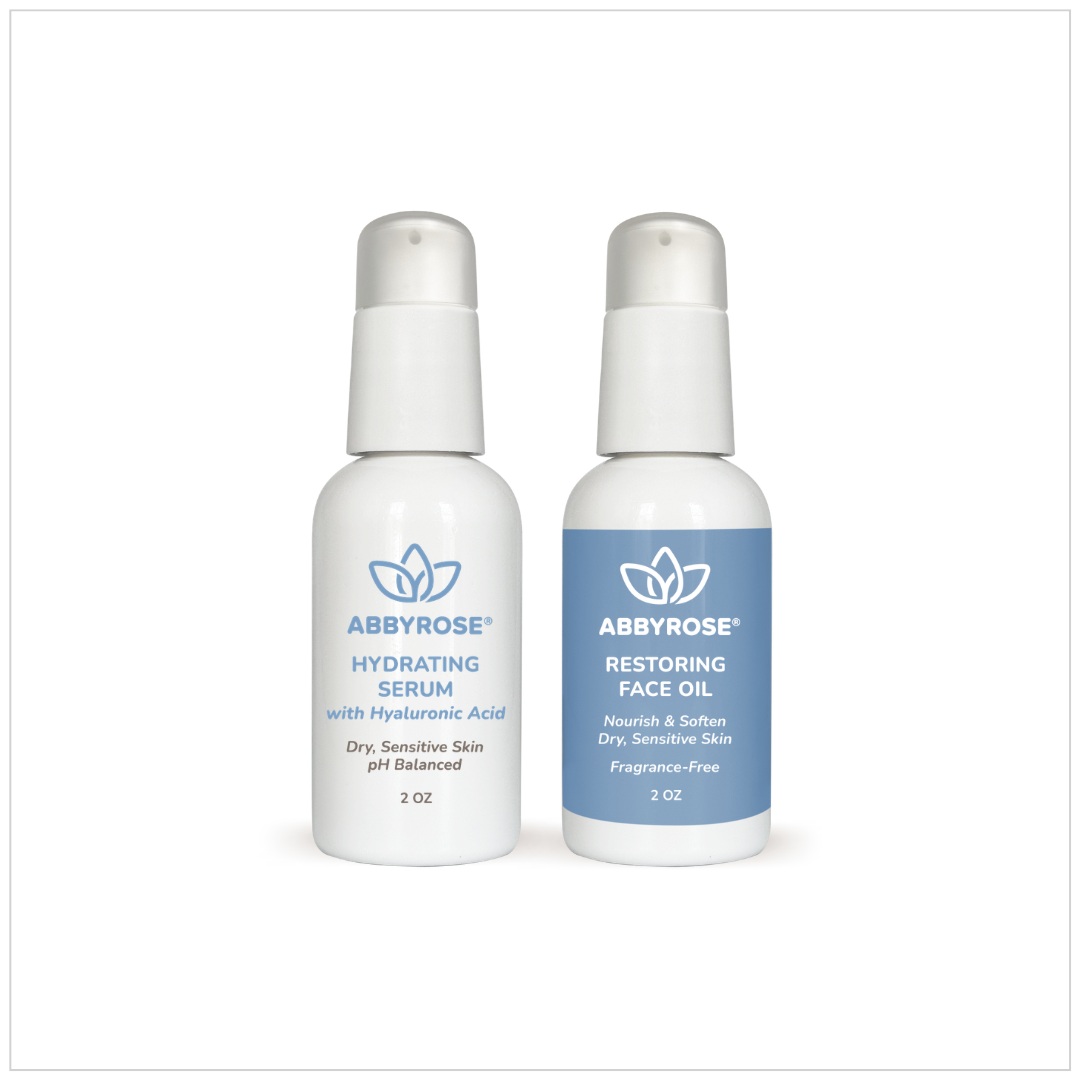
Cardiospermum is included in Abby Rose Indigo Balm, a moisturizer for eczema-prone skin, where it is combined with other soothing botanicals, Indigo Naturalis and Calendula. The goal of this formulation is to support skin comfort, reduce dryness, soften scaly patches, and help reinforce the skin barrier without harsh or irritating additives.
Why Ingredient Quality and Simplicity Matter
In sensitive skincare, formulation strategy is often more important than the number of ingredients used. Dermatology-informed skincare typically emphasizes:
-
Minimalistic approach- ingredients with purpose only, no unnecessary fillers
-
No known irritants (no fragrance or harsh preservatives)
-
Barrier-supporting lipids and oils
-
Gentle botanical extracts with supportive research
Cardiospermum fits into this framework because it offers a mild botanical profile that can complement barrier-focused formulations rather than overpower them.
Final Thoughts
Cardiospermum Halicacabum is a botanical ingredient supported by both traditional use and modern scientific interest for its skin-soothing properties. While it is not a standalone treatment for chronic skin conditions, it can play a supportive role in calming irritation and enhancing skin comfort when included in well-formulated products.