
The hype around coconut oil isn’t going anywhere and for good reason. This versatile, all-natural moisturizer has found its way into both kitchens and skincare routines everywhere. But if you’re considering coconut oil as part of your daily regimen, especially as a natural moisturizer for eczema and sensitive skin, it’s important to understand how it works and whether it’s truly right for your skin type.
The Benefits of Coconut Oil for Skin
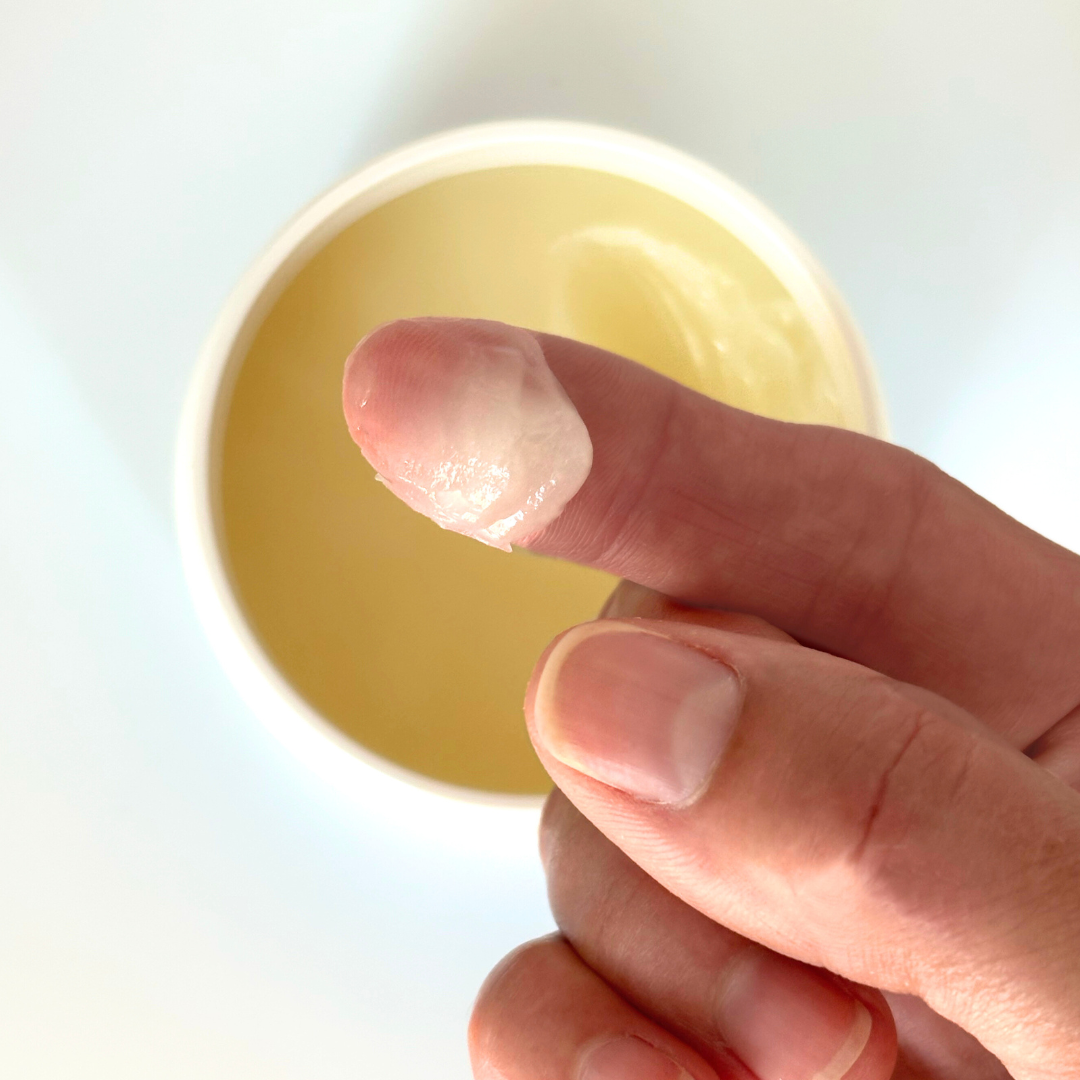
Coconut oil is derived from the flesh of mature coconuts, resulting in a rich, creamy oil that is solid at room temperature and melts at around 76°F. Its structure is packed with saturated fats, which are highly effective at creating a protective, lipid-rich barrier on the skin. This barrier helps seal in moisture, making coconut oil an excellent all-natural moisturizer for those struggling with dryness.
One of coconut oil’s standout components is lauric acid, a medium-chain fatty acid known for its natural antimicrobial properties. This makes coconut oil particularly beneficial for soothing irritated or inflamed skin. For individuals dealing with conditions like dryness, redness, or even mild irritation, coconut oil can act as a gentle, moisturizer for sensitive skin.
In addition to hydration, coconut oil can also help improve the overall appearance of your skin. By locking in moisture, it supports a smoother texture, minimizing the appearance of fine lines.
Coconut Oil for Eczema and Sensitive Skin
For those searching for a natural moisturizer for eczema, coconut oil can be a helpful option. Its soothing and anti-inflammatory properties may help calm flare-ups and reduce discomfort associated with dry, itchy skin. Because it is free from synthetic additives and fragrances (when using pure, unrefined versions), it’s often well-tolerated by individuals with sensitive or reactive skin.
However, while coconut oil can be incredibly nourishing, it’s not a one-size-fits-all solution. It often works better as a complement to other natural ingredients versus being used alone.
Can Coconut Oil Clog Pores?
This is one of the most common questions and the answer depends on your skin type. Coconut oil is considered comedogenic, meaning it has the potential to clog pores for some individuals. People with oily or acne-prone skin are more likely to experience breakouts when using coconut oil as a facial moisturizer.
While its antimicrobial properties may seem beneficial for acne, the thick, occlusive nature of coconut oil can trap dirt, oil, and bacteria in the pores if applied to unclean skin. This can lead to congestion and breakouts, particularly if used excessively or without proper cleansing beforehand.
Who Should Use Coconut Oil?
Coconut oil tends to work best for use in skincare products that are designed for use on the body. Some people are able to use coconut oil products on their face, but use caution when doing so. Dry, mature skin will likely tolerate it, but if you have oily or acne-prone skin, you may want to proceed with caution or avoid using pure coconut oil on your face altogether.
Choosing the Right Coconut Oil Products
Rather than applying coconut oil directly, many people find better results using skincare products that include coconut oil as one ingredient among others. These formulations are often designed to balance hydration without overwhelming the skin.
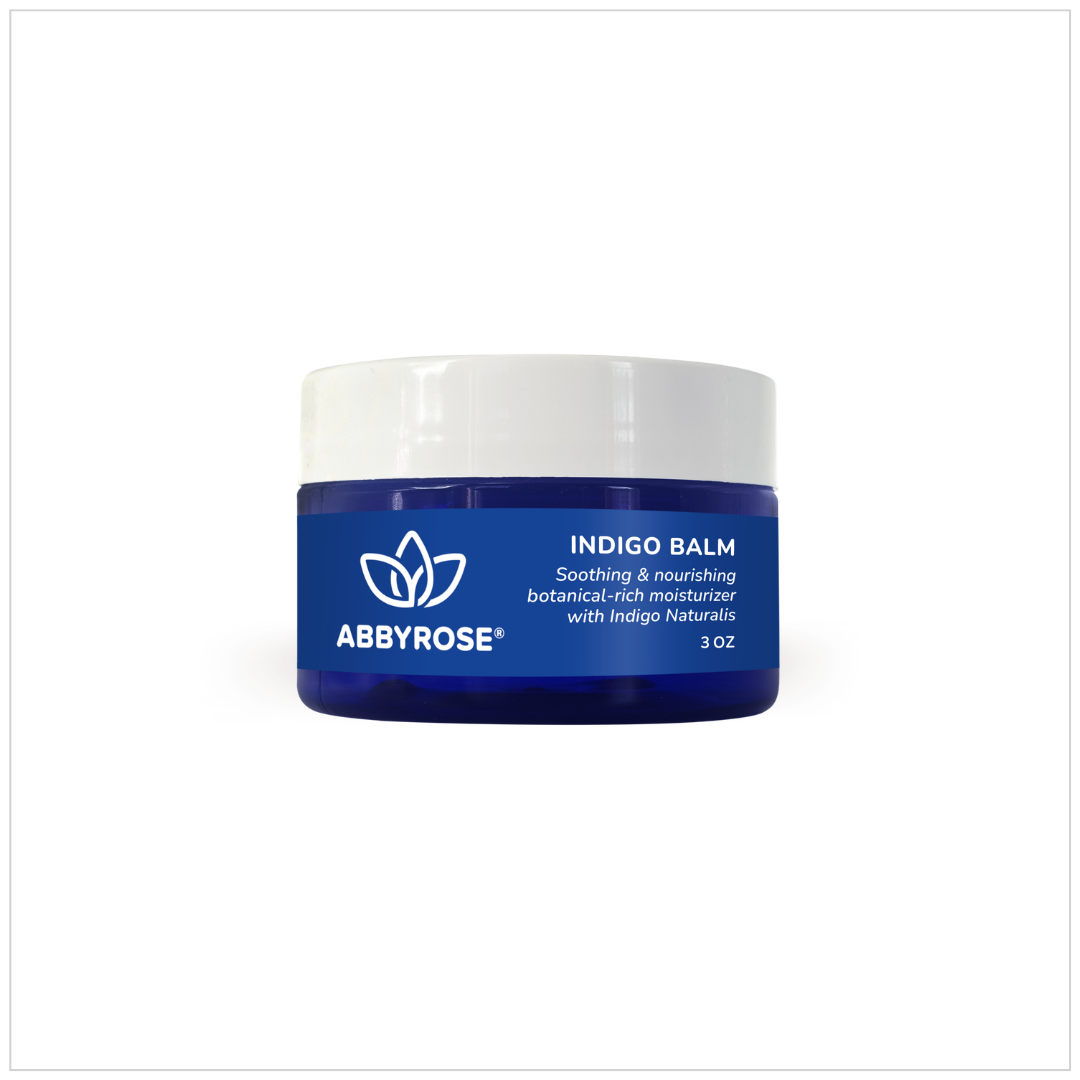
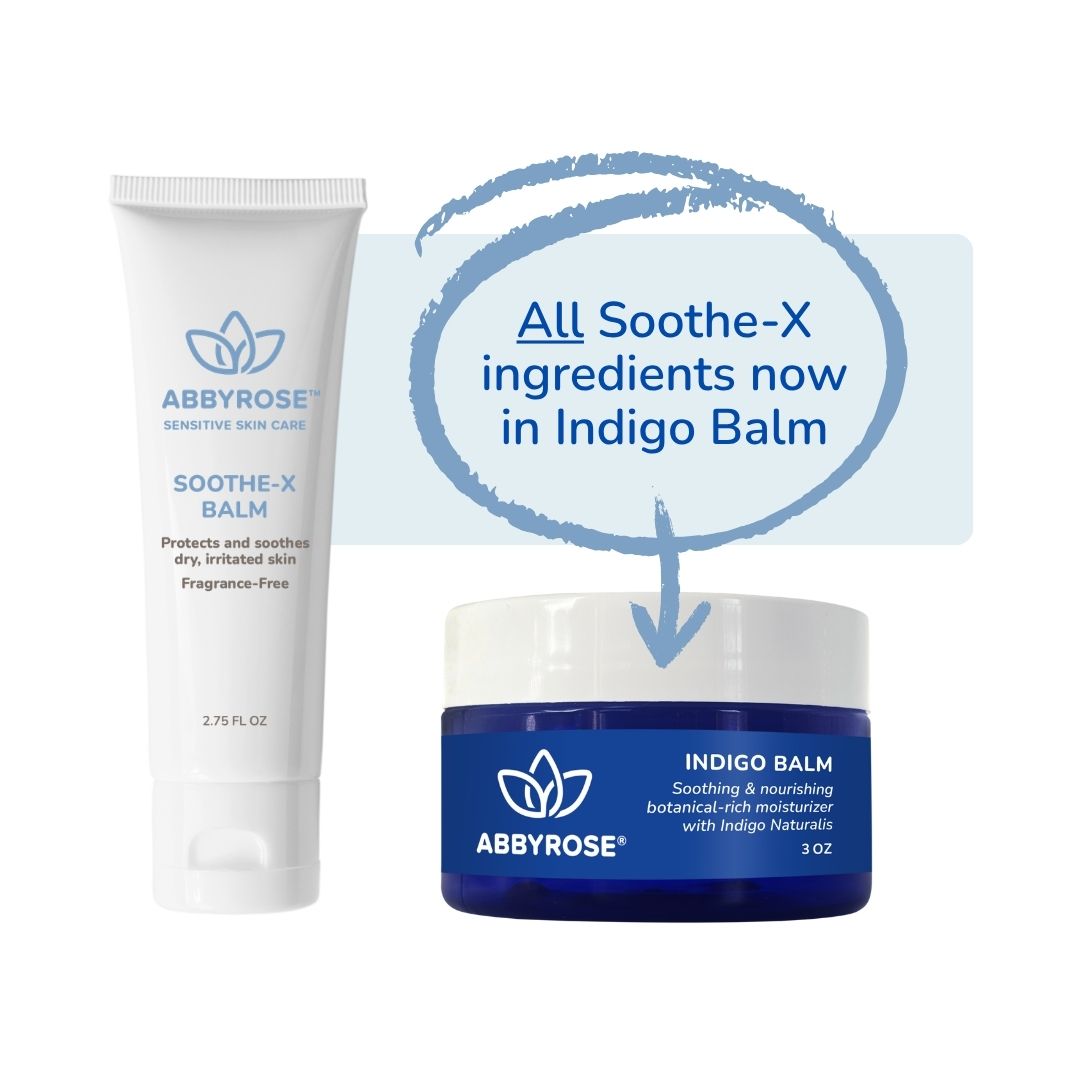
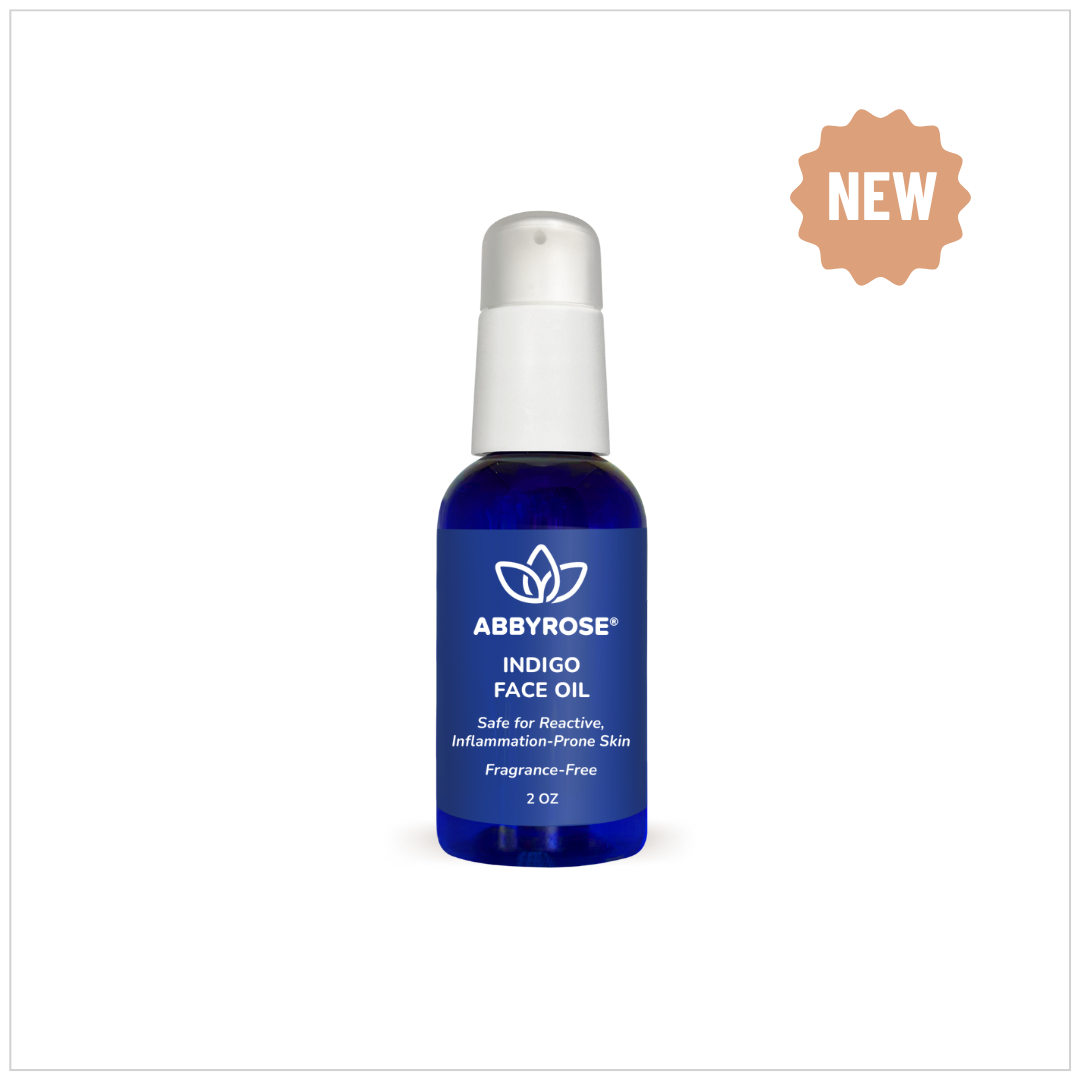
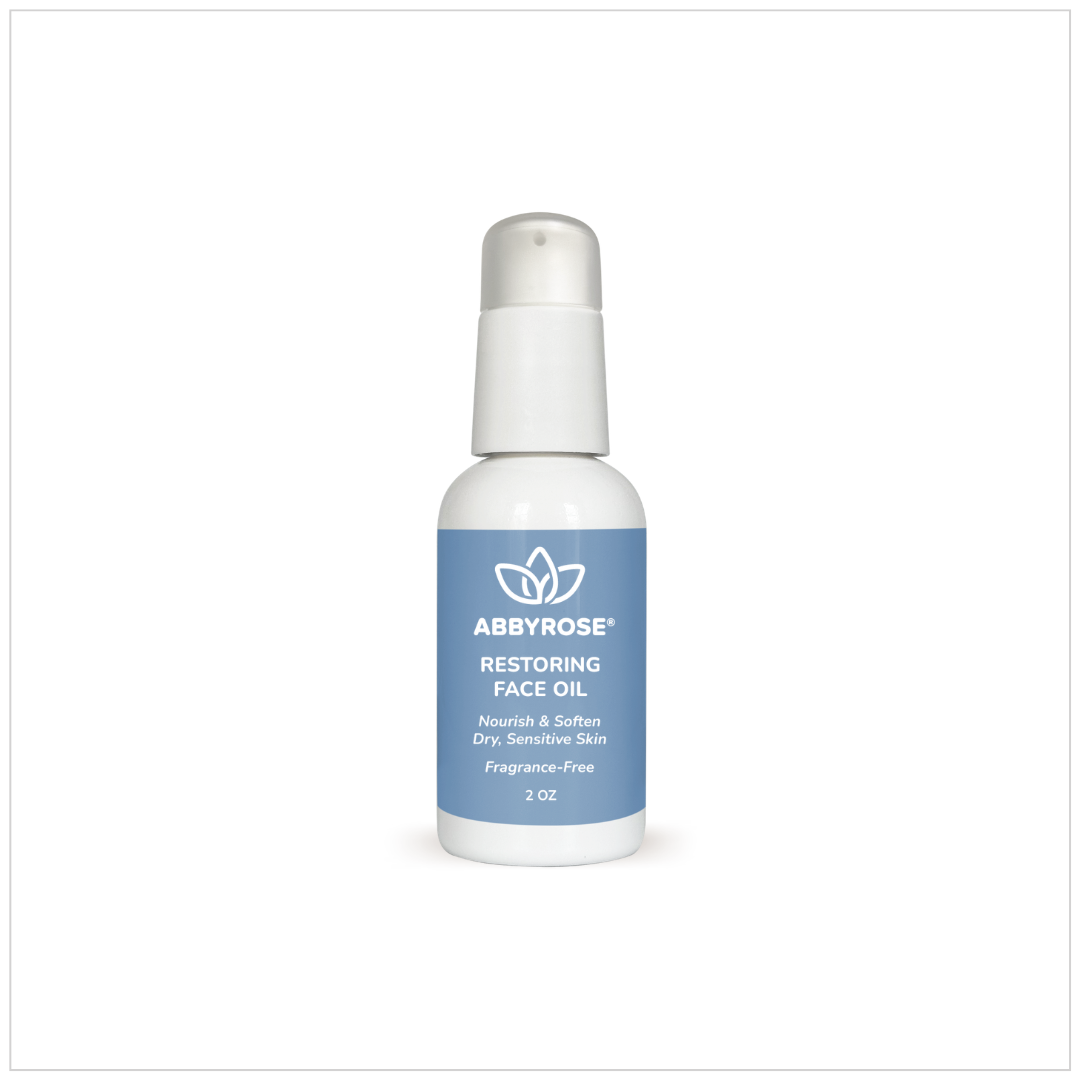
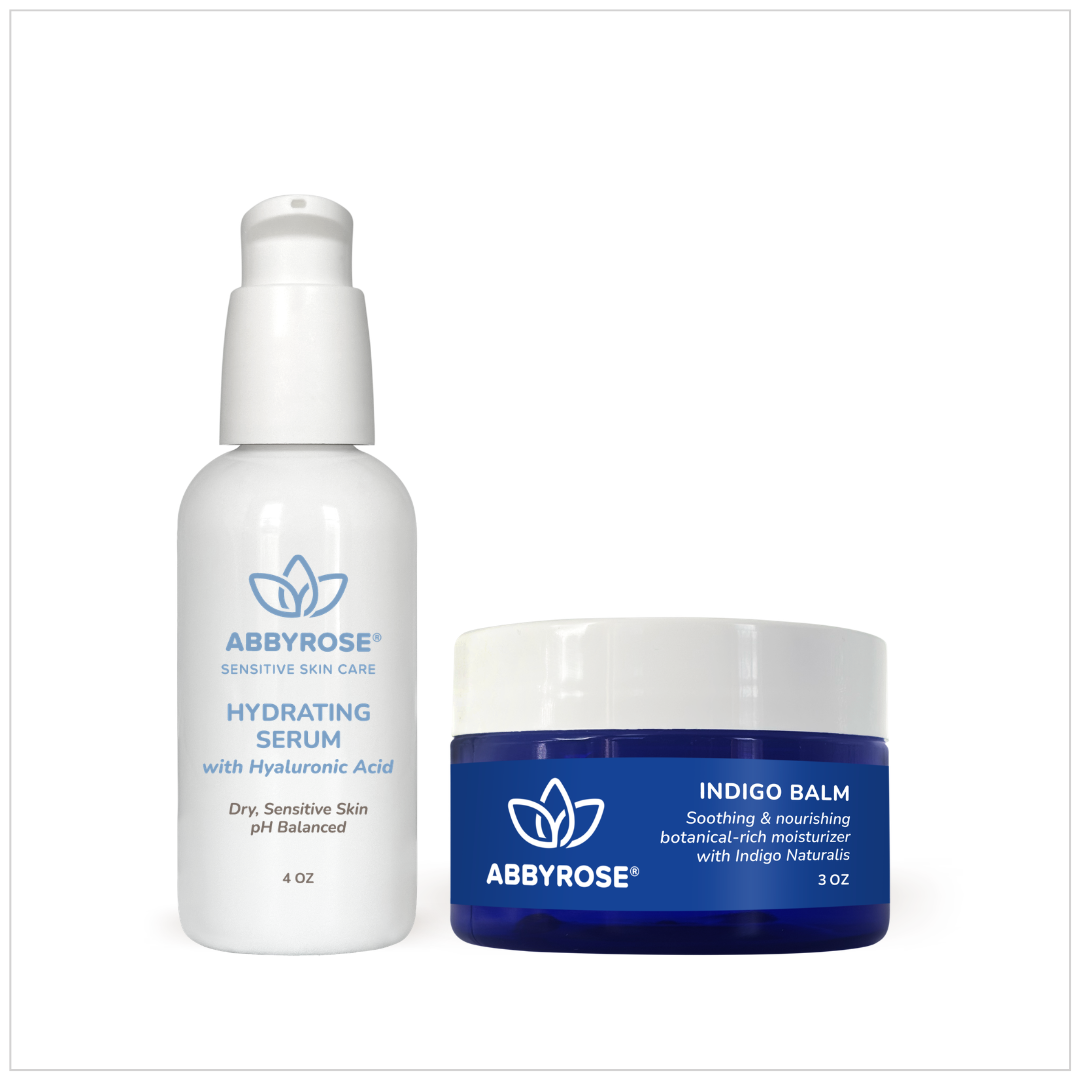
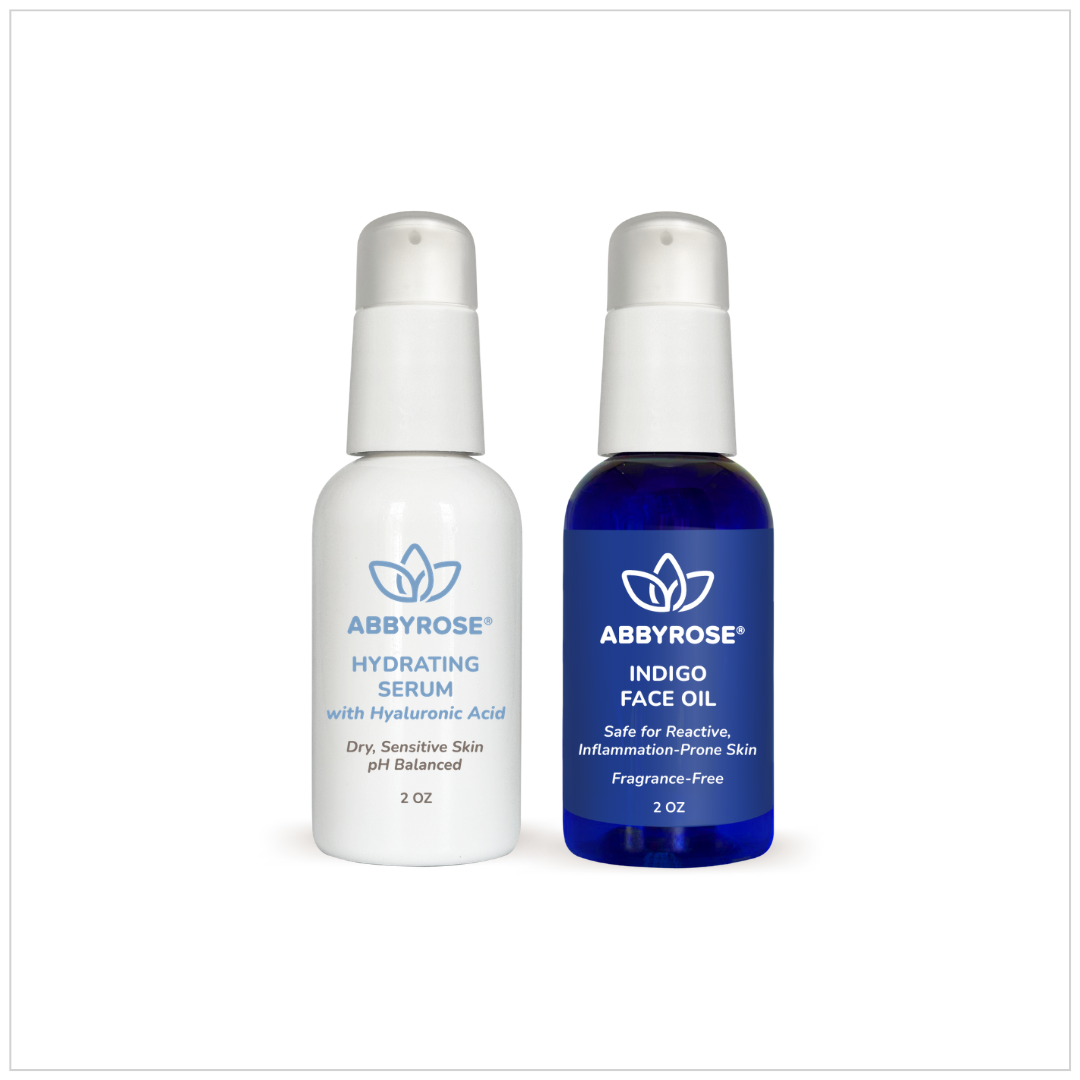
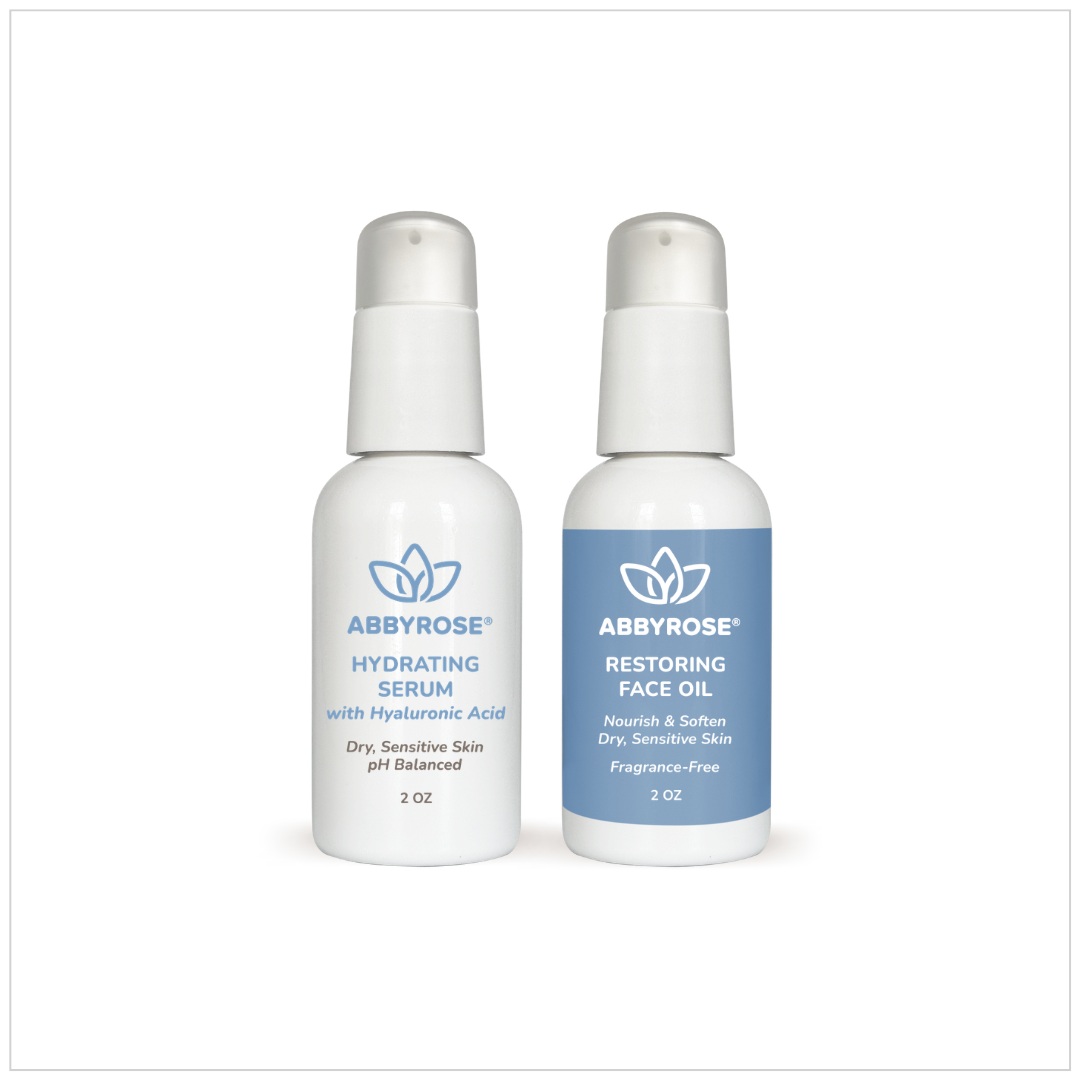
Look for products that combine coconut oil with lighter oils like squalane or jojoba oil, such as the Abby Rose Indigo Balm. This balm can provide the moisturizing benefits you’re looking for while reducing the likelihood of clogged pores. Products like this can serve as a more balanced moisturizer for sensitive skin or eczema. If your skin is extra sensitive on your face, then I would avoid products with coconut oil and opt for a gentle, non-comedogenic face oil, such as Abby Rose Restoring Face Oil, made for sensitive, reactive skin with squalane, MCT Oil and antioxidant rich botanicals.
Tips for Safe Use
No matter your skin type, always introduce new products slowly. Start with a small amount and monitor how your skin reacts for a few days. It’s also essential to apply any moisturizer, especially occlusive ones like coconut oil, to clean skin to avoid trapping impurities.
Coconut oil can be a powerful, all-natural moisturizer with numerous skin benefits, from hydration to soothing sensitive or eczema-prone skin. However, its comedogenic nature means it isn’t suitable for everyone to use on their face. Understanding your skin type and how it responds is key to deciding whether coconut oil deserves a place in your skincare routine.