
Effects of Cold Weather on Skin
Winter is often one of the most challenging seasons for maintaining healthy skin. Cold air, low humidity, and indoor heating can leave skin feeling tight, red, flaky, and uncomfortable. For those with sensitive skin or eczema, winter conditions can also trigger irritation and flare-ups. Understanding the effects of cold weather on skin can help you take the right steps to keep your skin calm, hydrated, and comfortable all season long.
How Cold Weather Affects Your Skin
One of the most common issues during winter is dry hands in the winter, but the effects go far beyond just your hands. Many people also notice cracked lips, rough patches on elbows and heels, and increased overall skin sensitivity. For those dealing with eczema-prone skin, winter can make symptoms more noticeable and harder to manage.
Cold weather brings lower humidity levels, which allows moisture to escape from the skin more easily. At the same time, indoor heating systems further reduce air moisture, contributing to ongoing dehydration. Long, hot showers can also strip the skin’s natural oils, making dryness and irritation even worse.
For individuals with sensitive skin or eczema, understanding these triggers is the first step in prevention and relief.
How to Prevent Dry Skin in Cold Weather
Preventing winter dryness starts with reducing moisture loss and supporting your skin barrier. When outdoors, covering exposed skin helps protect against wind and cold air, both of which can worsen dryness.
Indoors, try to avoid excessively hot showers or baths, as they can further dry out the skin. Keeping water at a lukewarm temperature and using a humidifier can help maintain a healthier skin environment. This is especially important for anyone with eczema-prone skin.
Hydration also plays an important role. Even if you don’t feel as thirsty in colder months, drinking enough water throughout the day supports overall skin health.
Choosing the Right Moisturizer for Sensitive Skin
Winter skincare is most effective when you use products that support and protect the skin barrier. A moisturizer for sensitive skin should be gentle, fragrance-free, and designed to reduce irritation while restoring hydration.
When selecting a product, look for simple, natural ingredients like sunflower oil, shea butter, coconut oil or beeswax that help soften the skin and provide essential skin barrier protection and reduction of moisture loss. These simple, natural ingredients can make a noticeable difference during harsh winter conditions.
Application Matters: Hydrate First Then Seal in Moisture
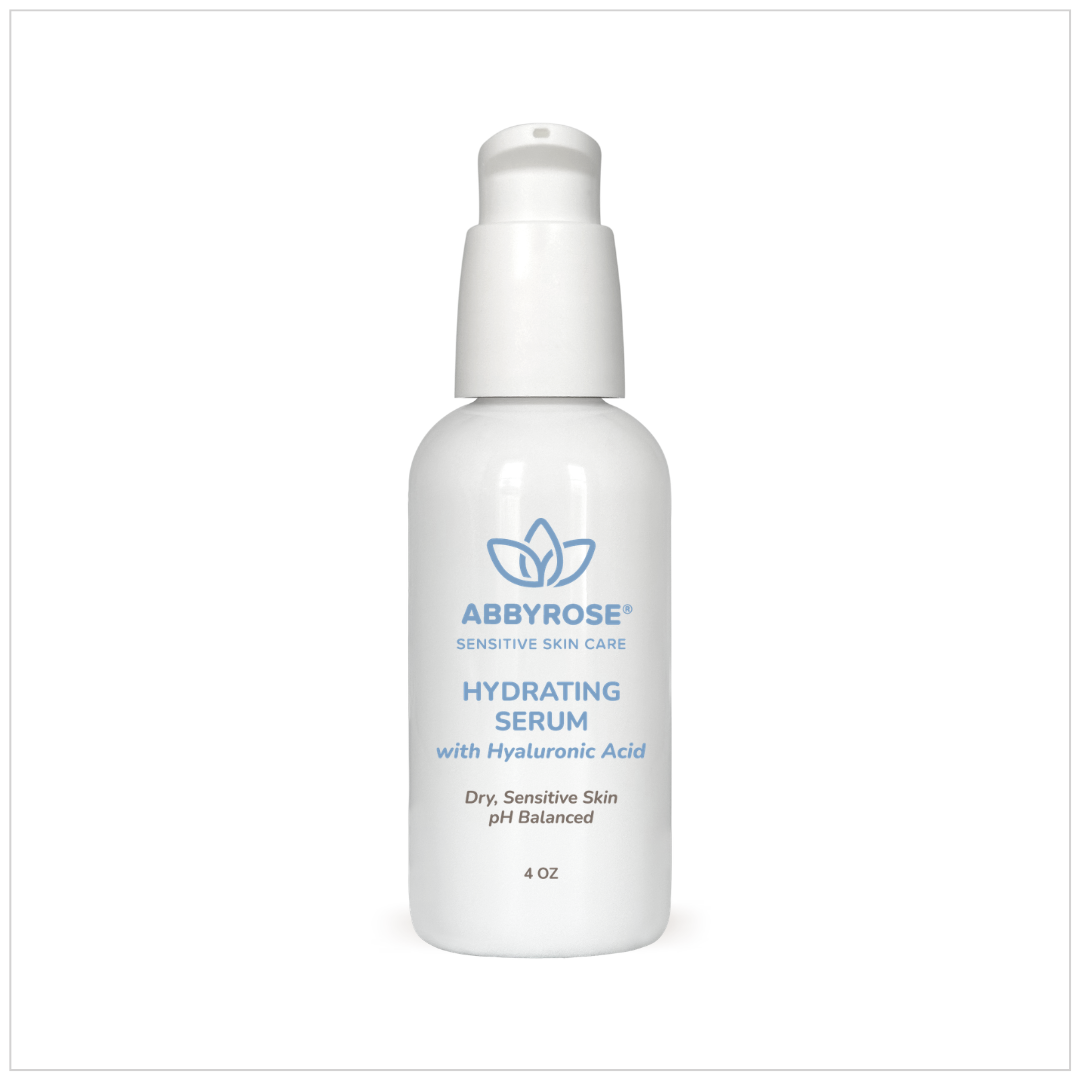
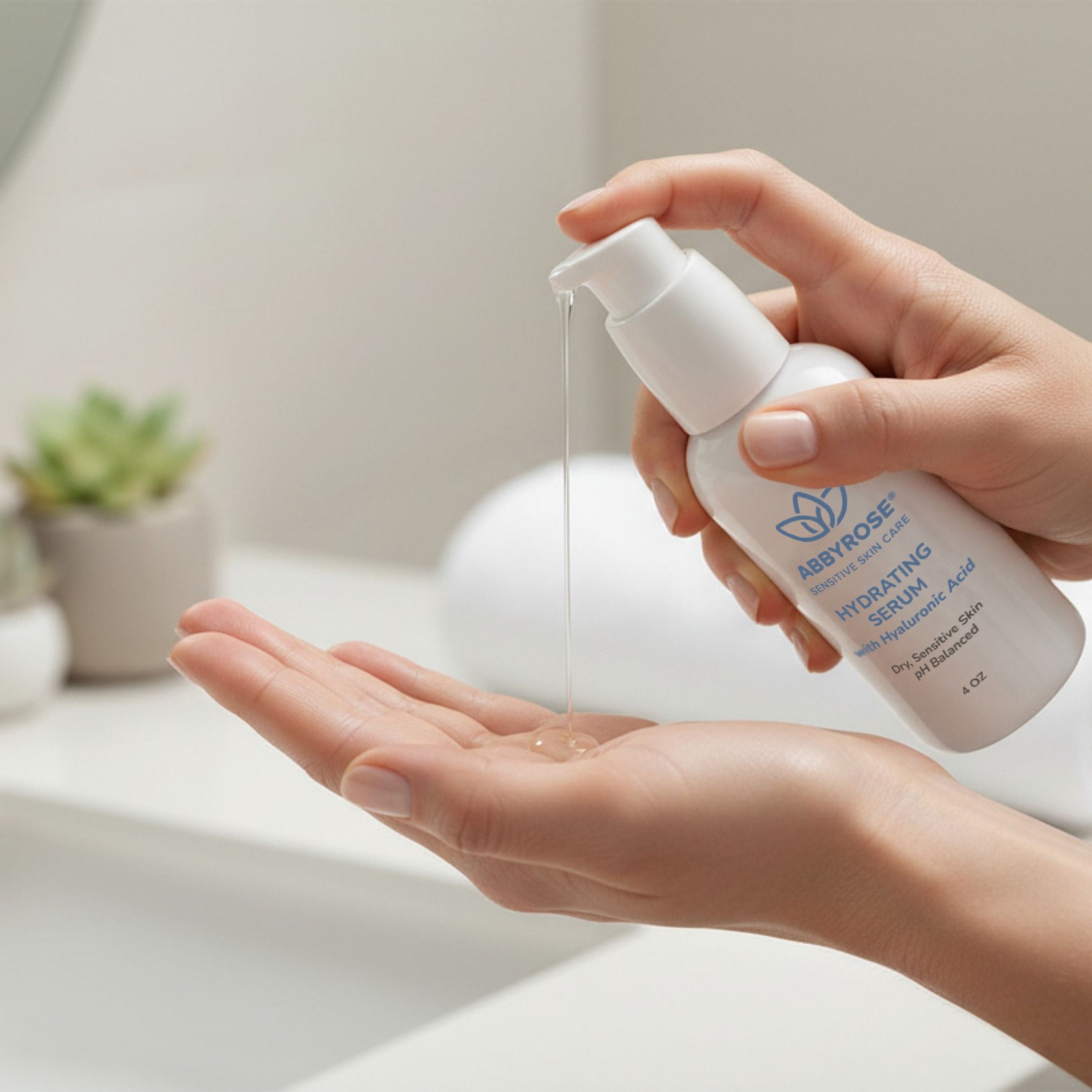
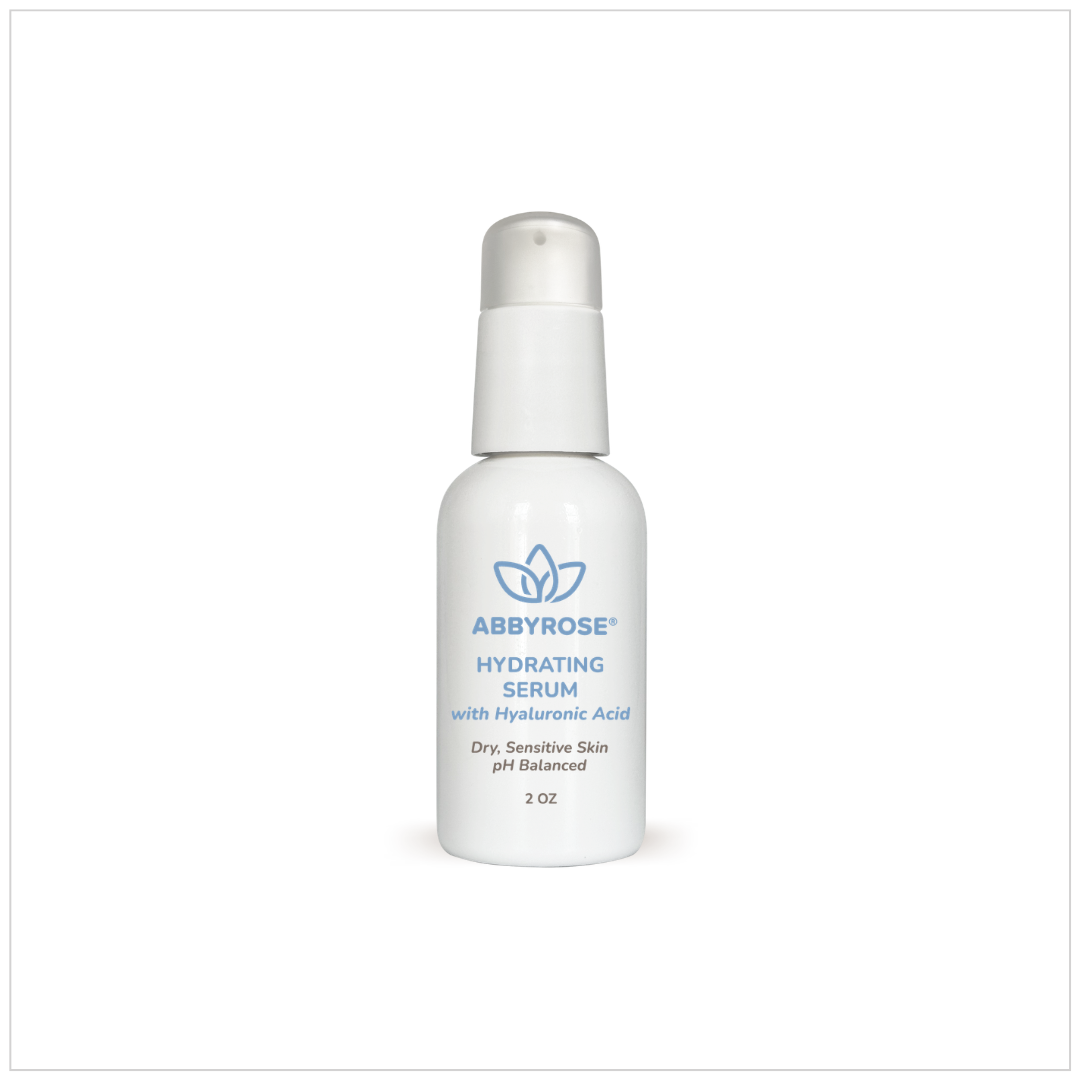
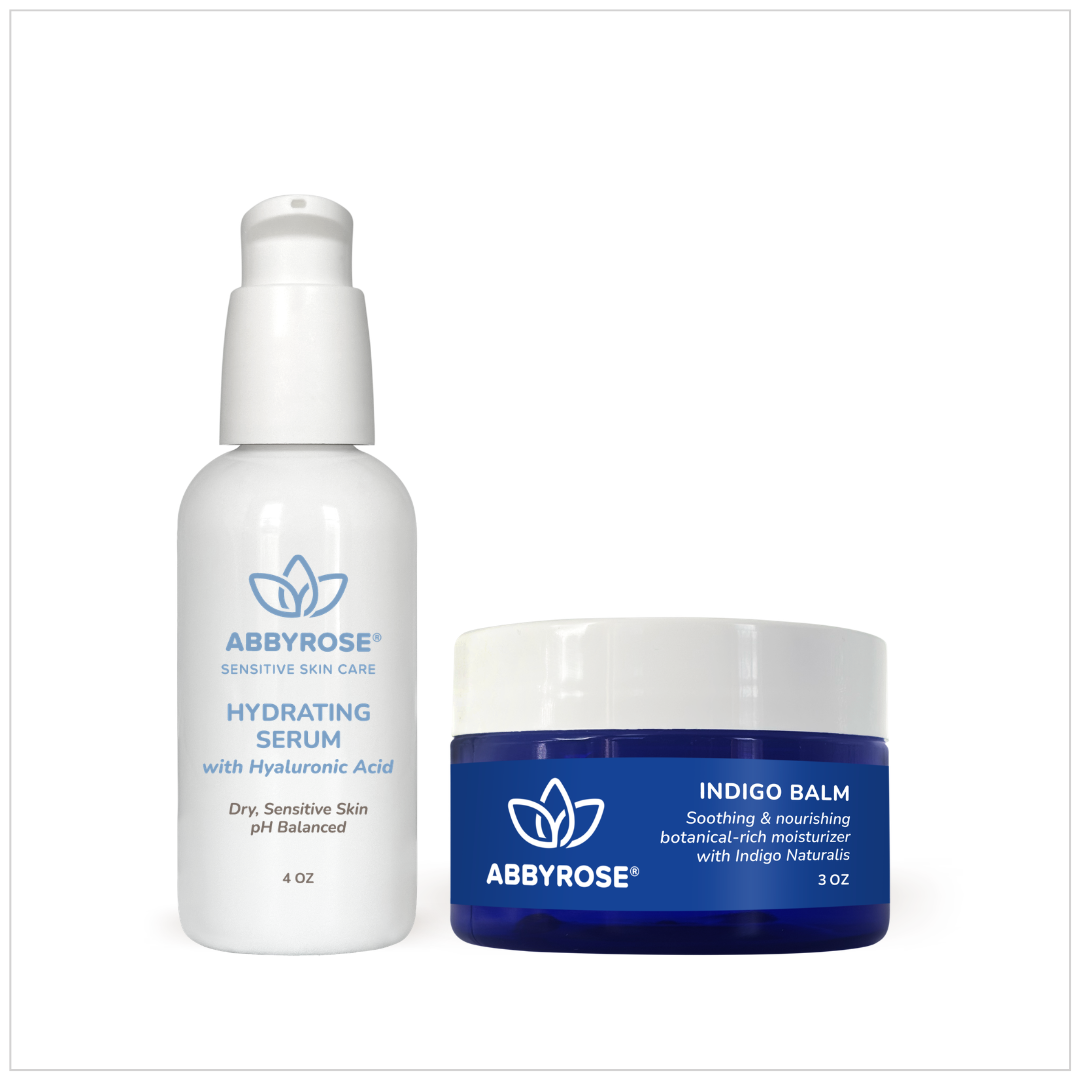
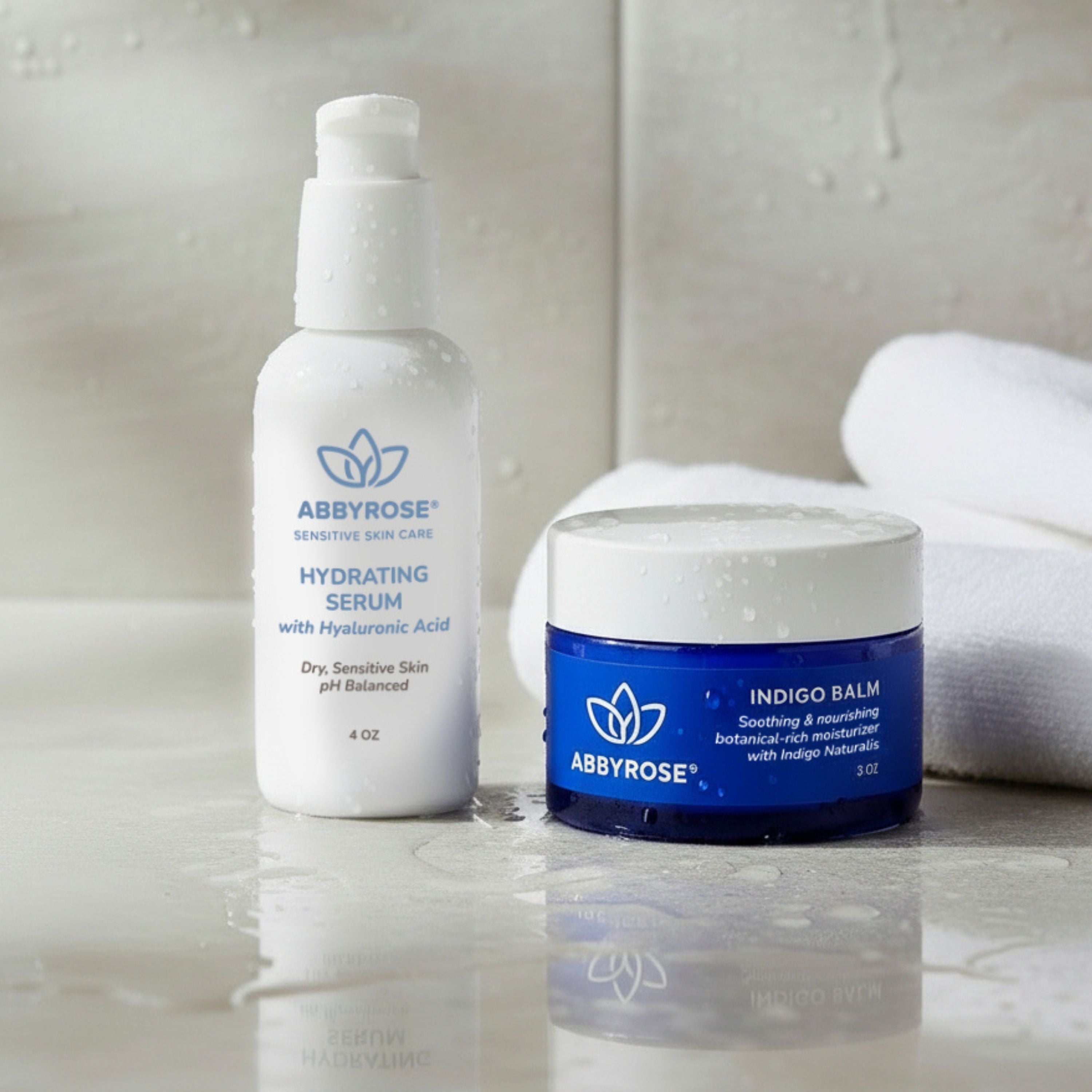
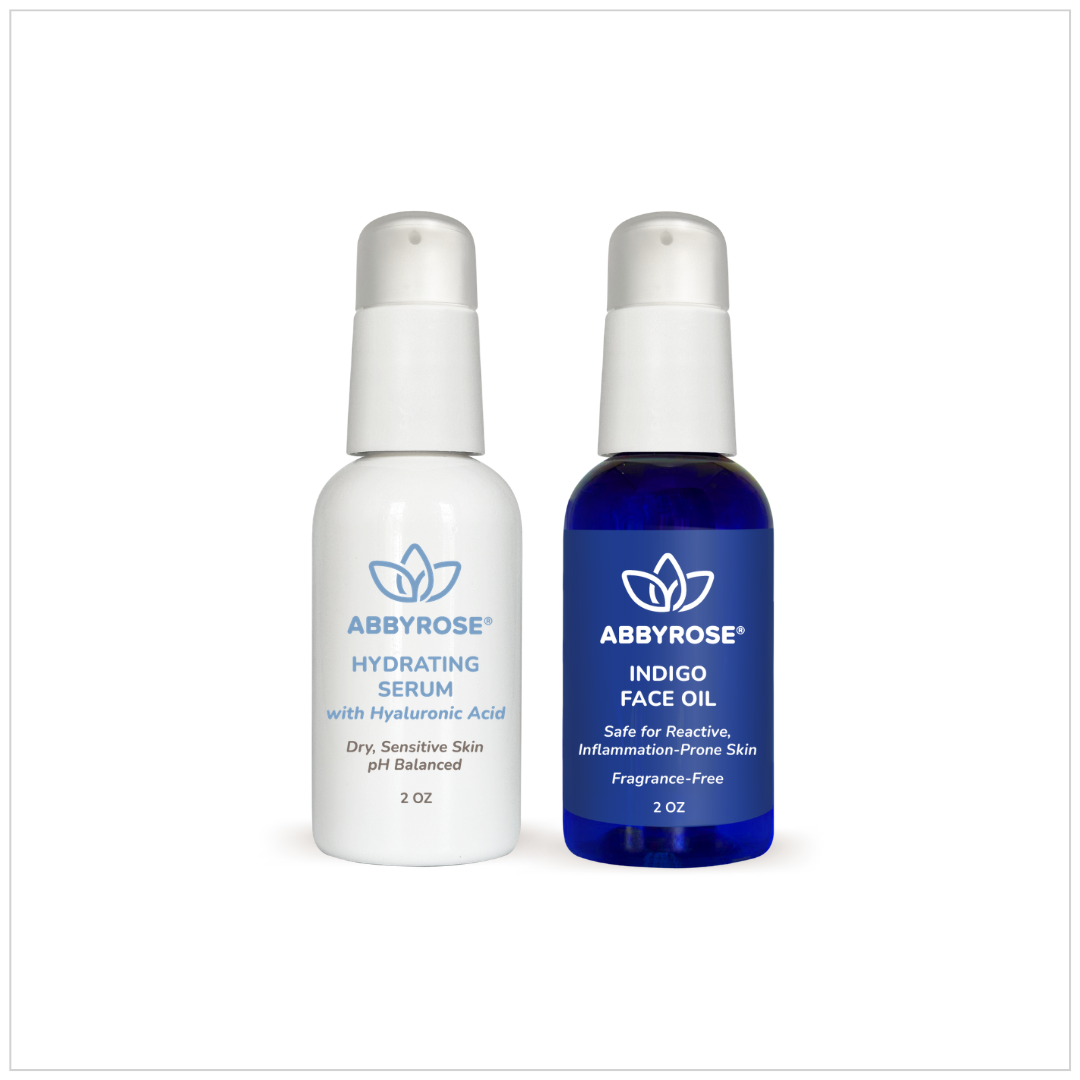
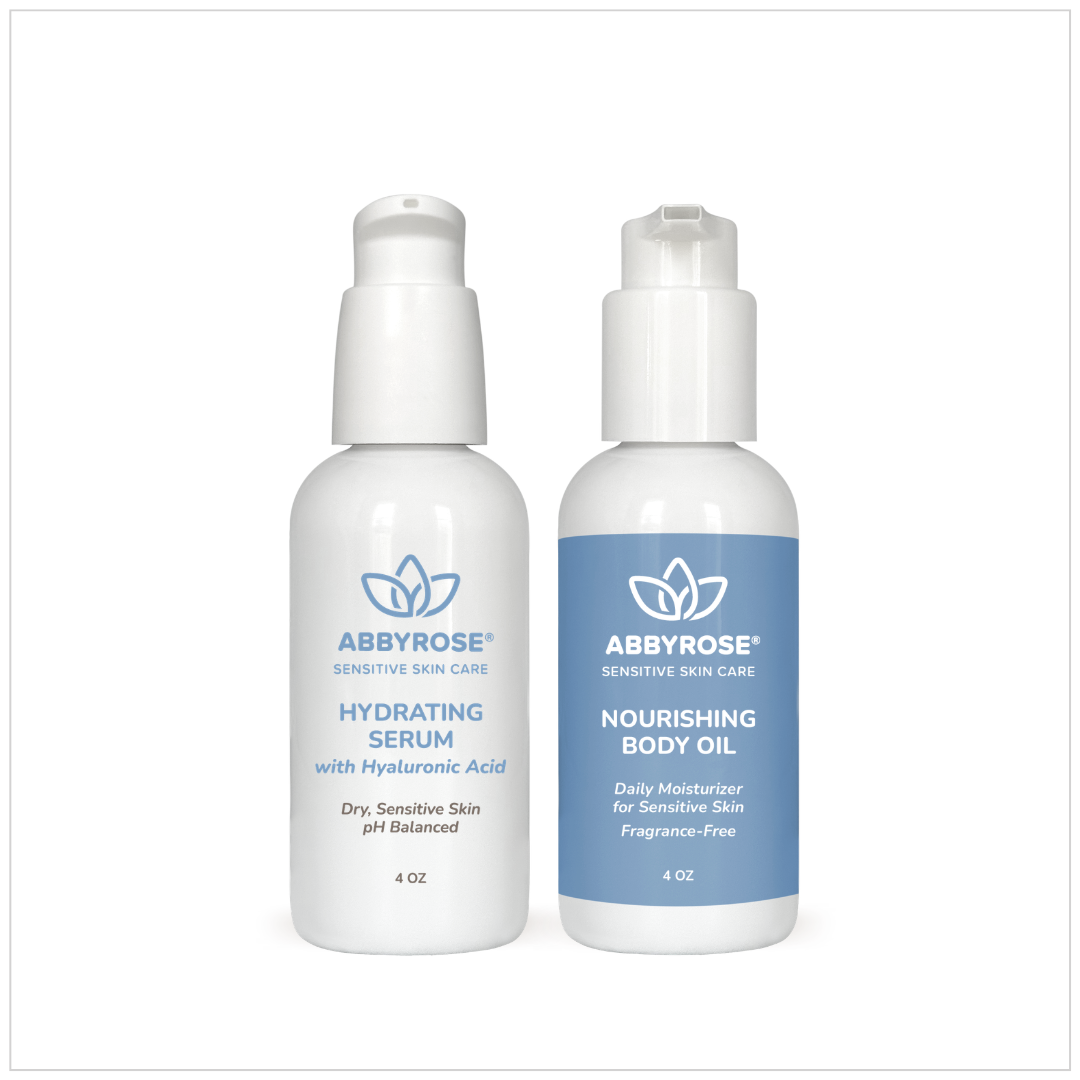
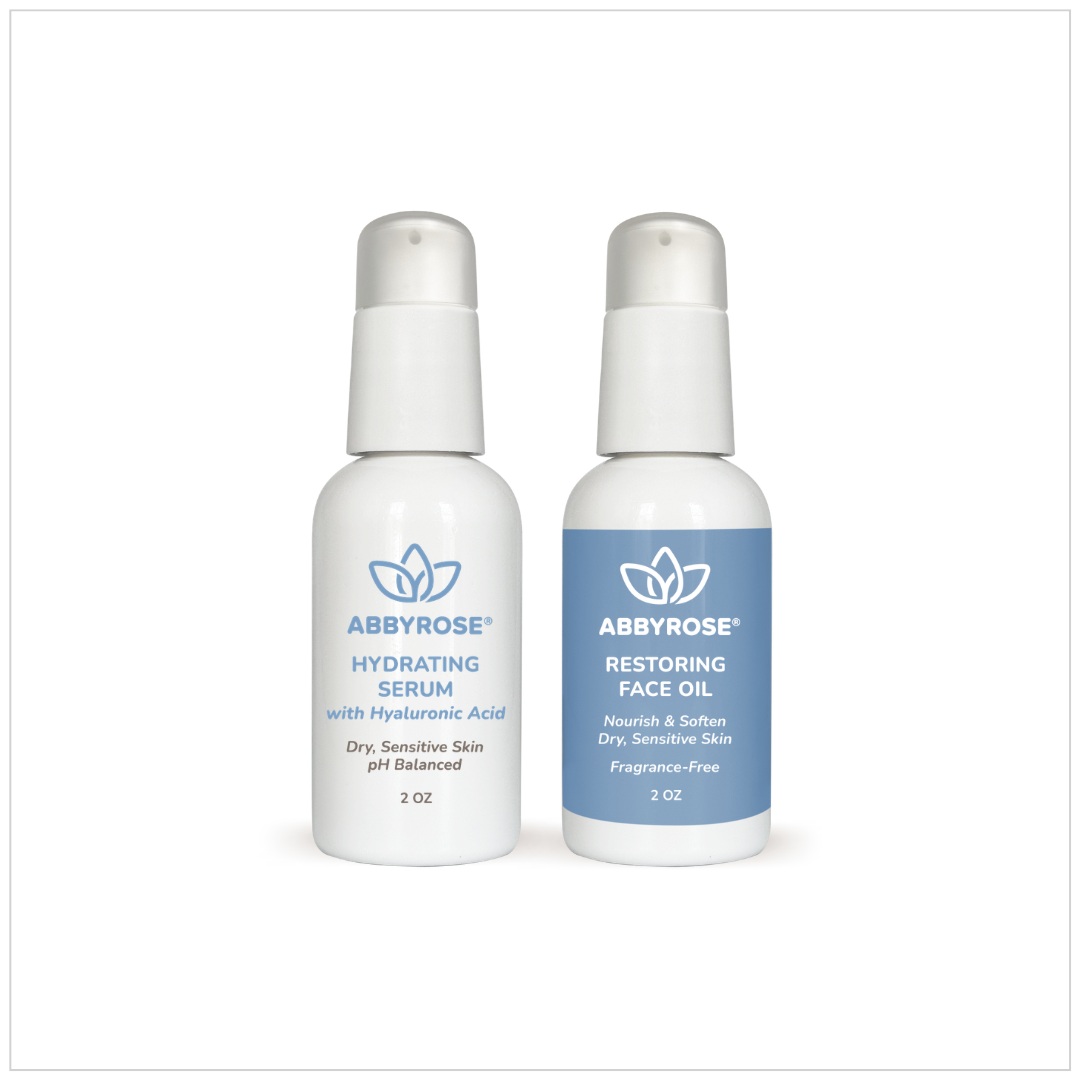
One of the most effective skincare habits in winter is applying moisturizer immediately after bathing or showering. When your skin is still slightly damp, moisturizer helps seal in hydration and reduce moisture loss. You can also use a water-based serum, such as Abby Rose Hydrating Serum which is rich in humectants like aloe, glycerin and hyaluronic acid, to replenish hydration. Then choose a gentle, oil-based moisturizer to seal in the hydration for longer lasting moisturization. Consistency matters so skin should be moisturized at least once daily immediately after bathing for healthier, calmer skin.
Featured Winter Skin Support Products
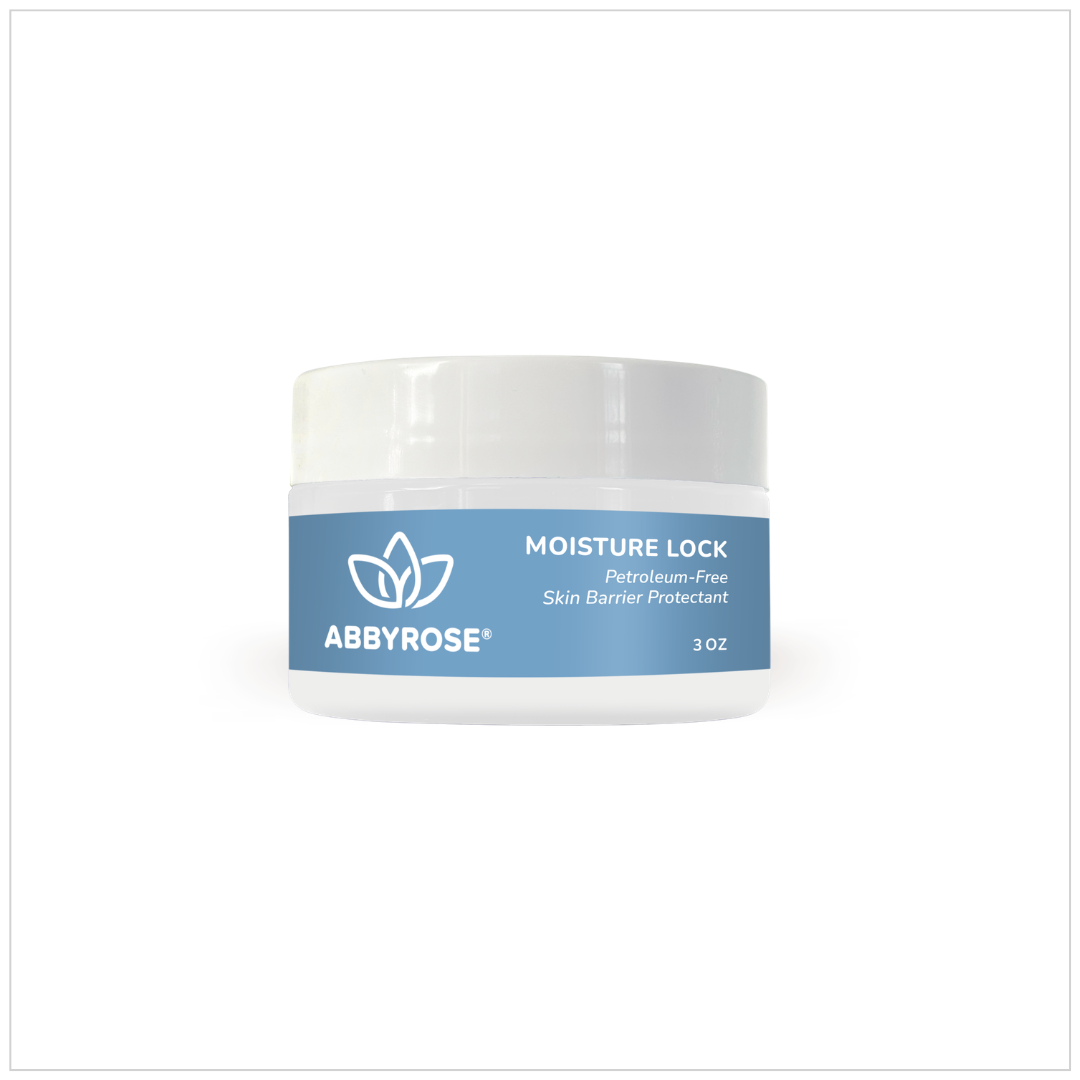
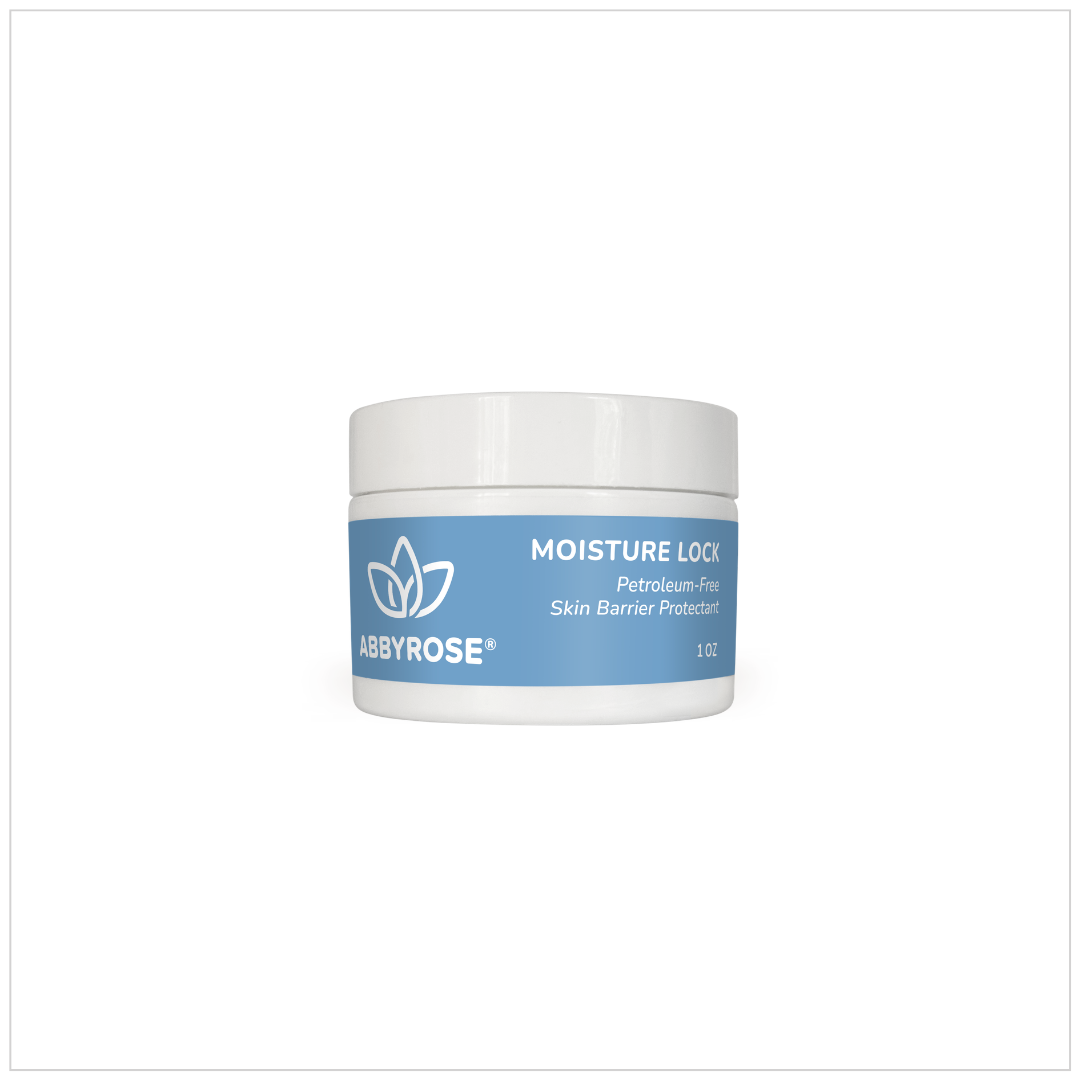
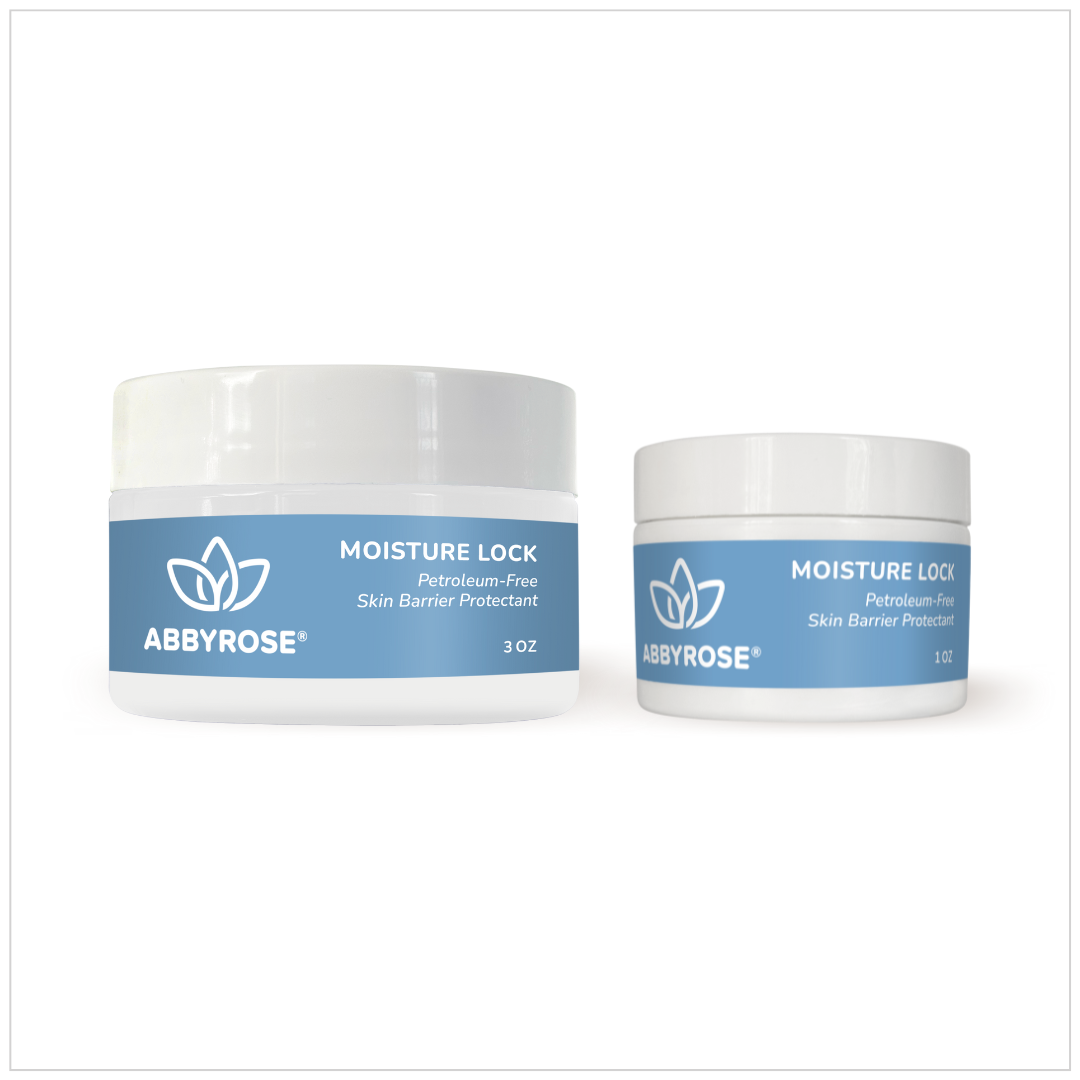
Abby Rose Moisture Lock
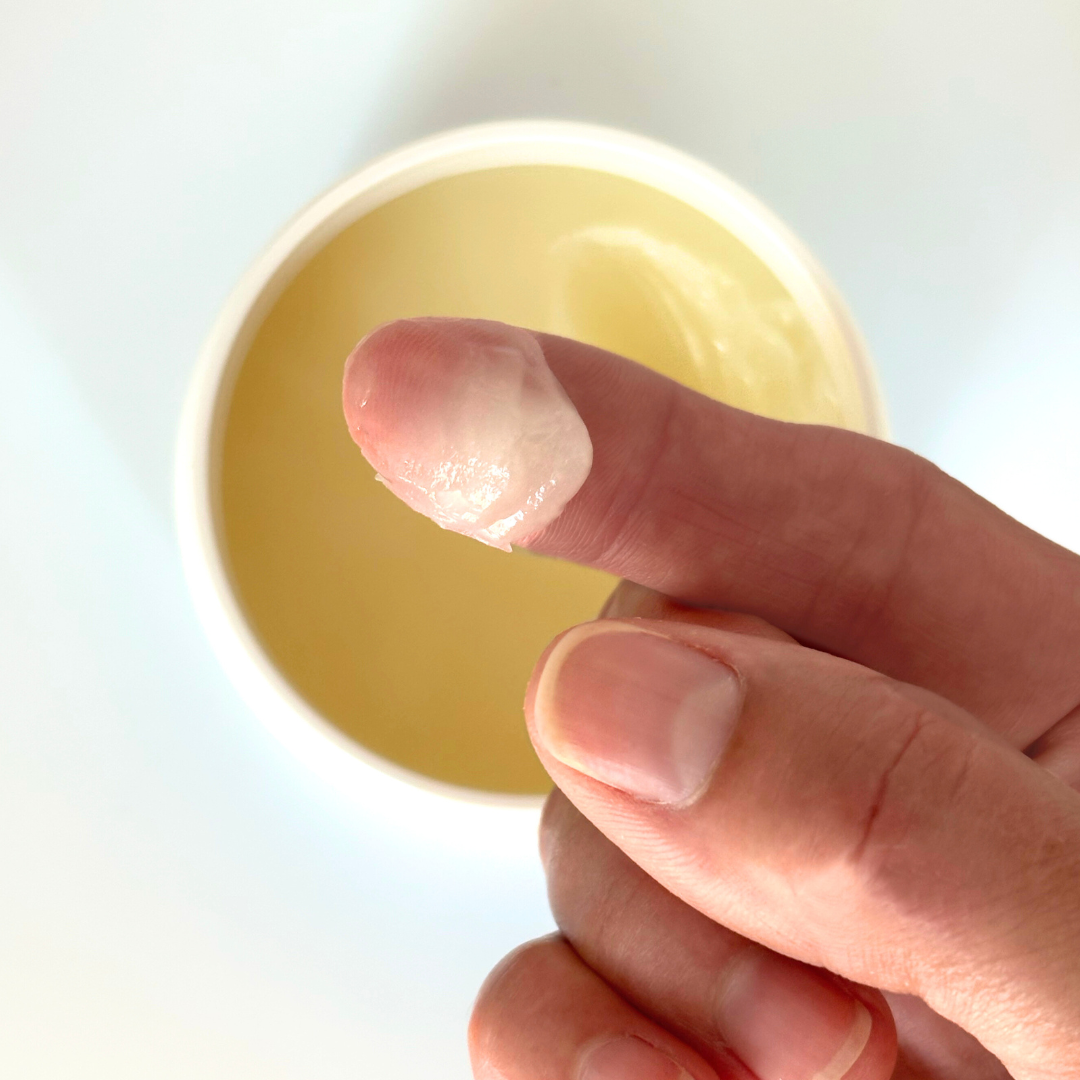
Moisture Lock is a petroleum-free skin protectant made from a few simple, natural ingredients. It creates a protective barrier that helps prevent moisture loss while keeping skin feeling soft and hydrated. It can be used on dry hands, lips, cheeks, and other areas affected by cold weather. It is especially useful after bathing to help seal in moisture and protect the skin barrier.
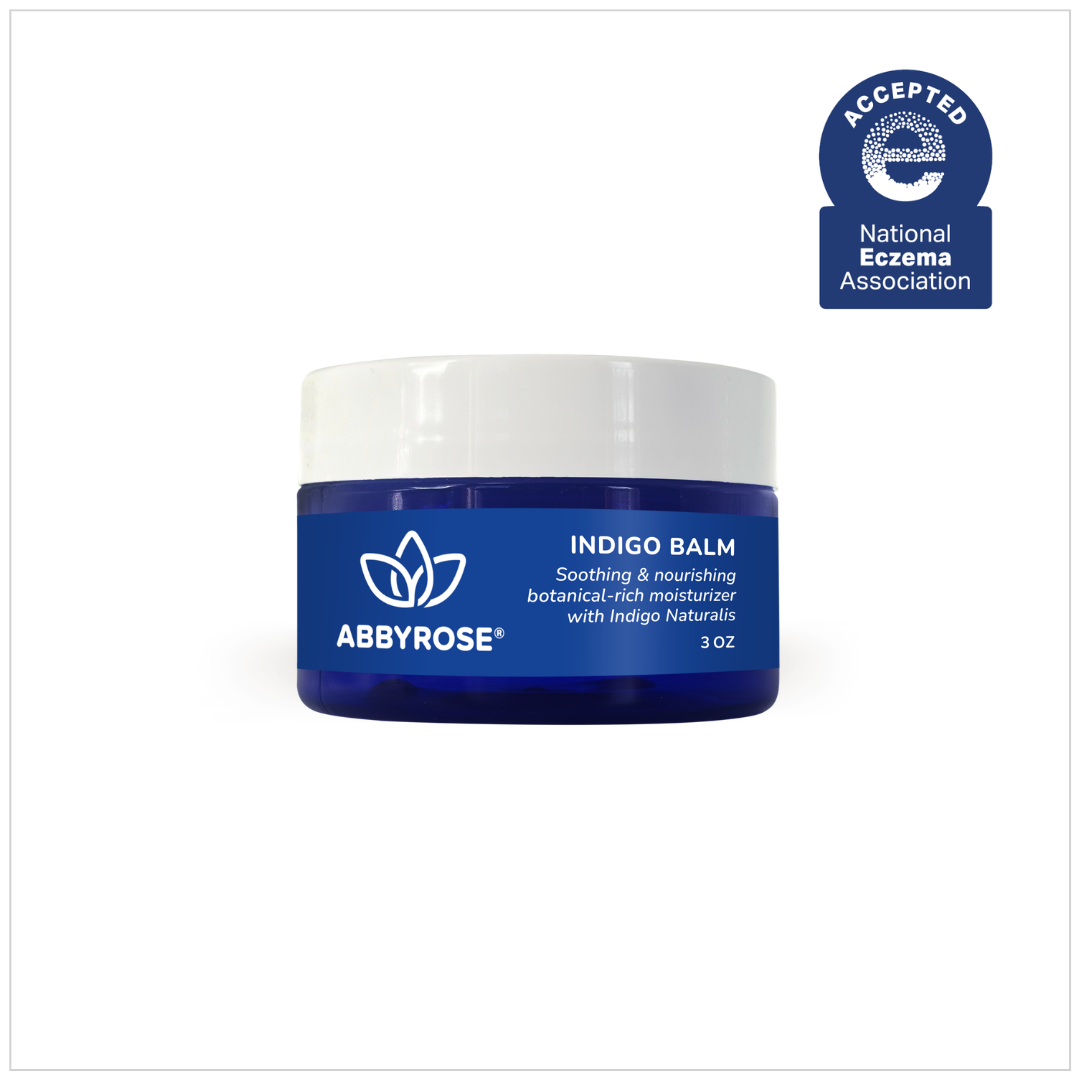
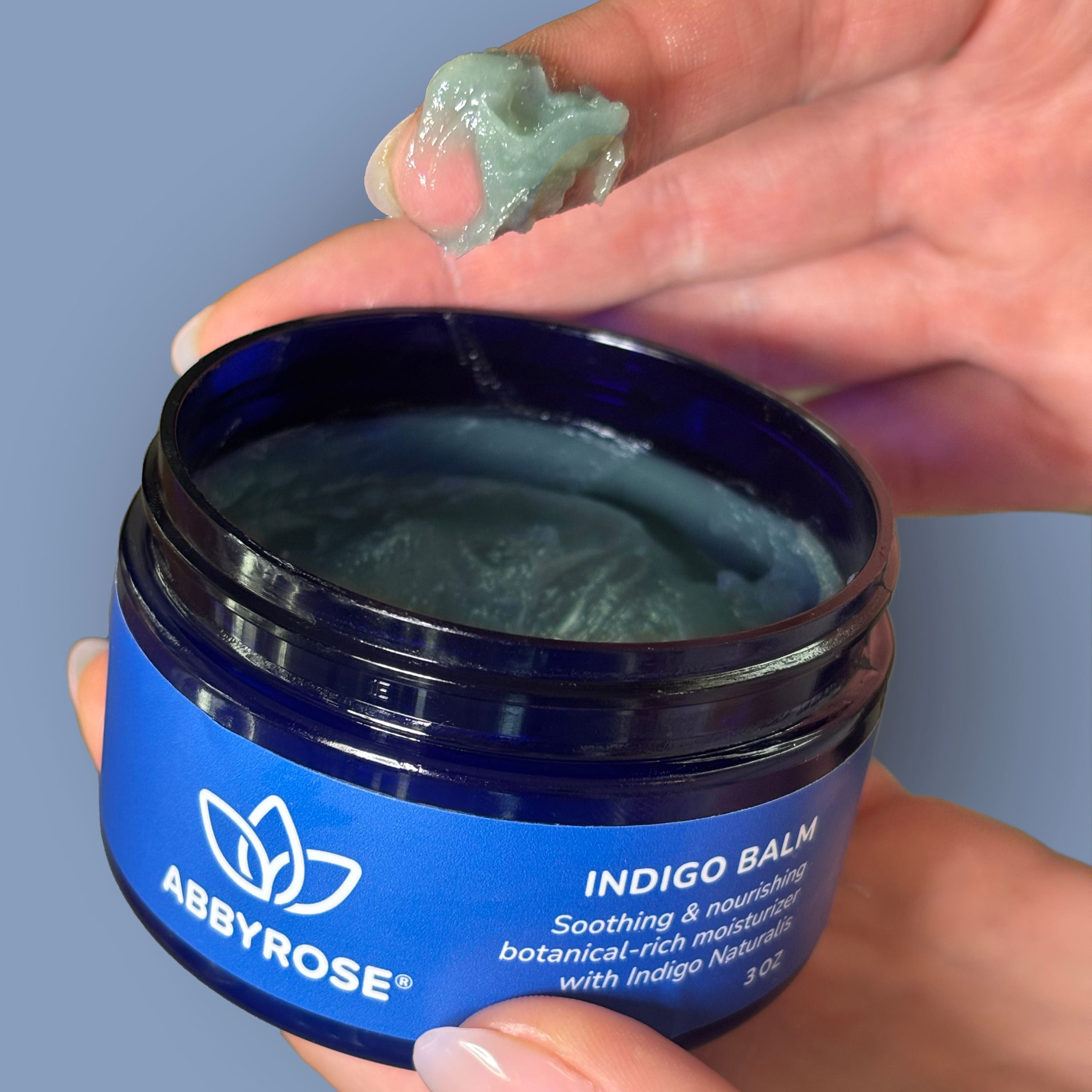
Abby Rose Indigo Balm
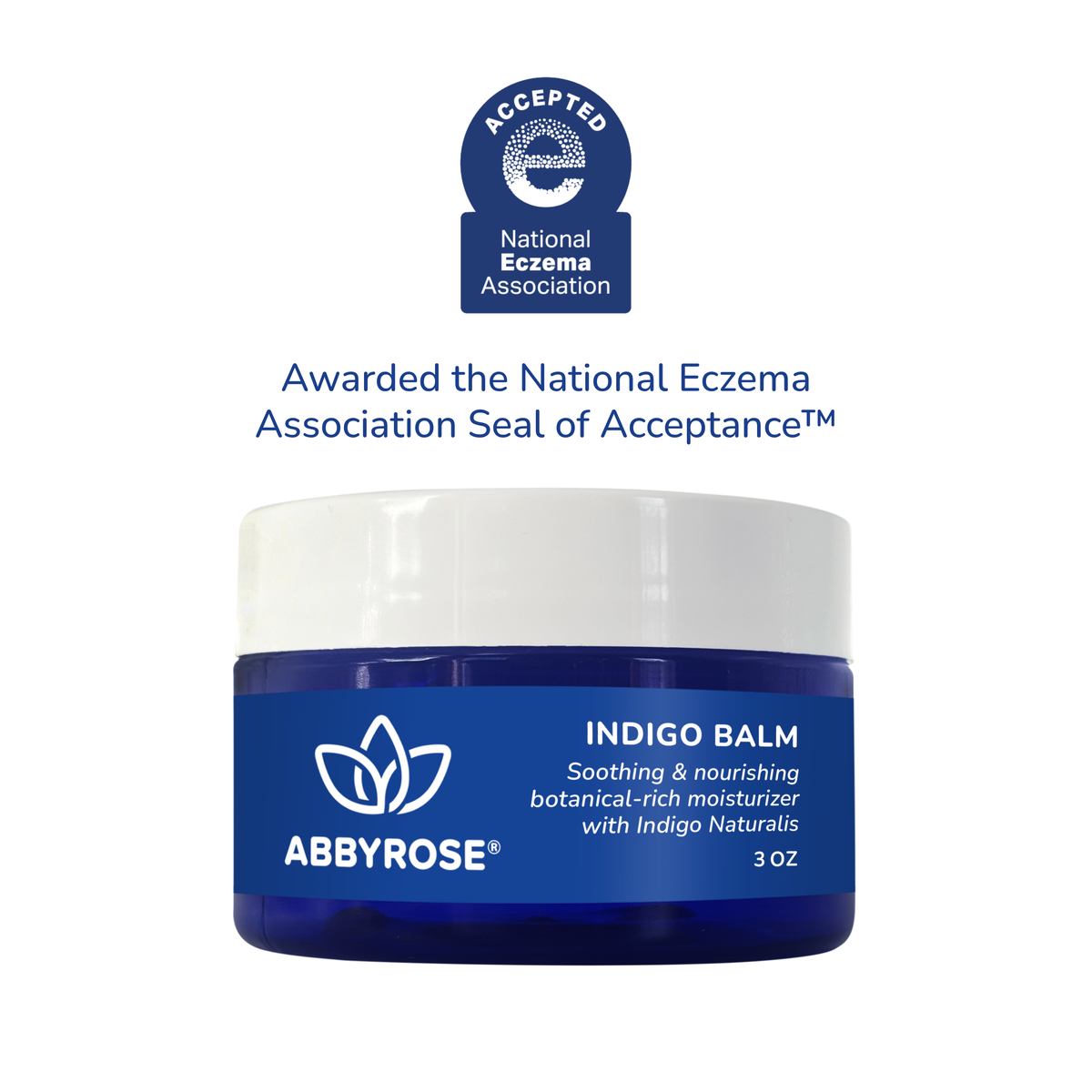
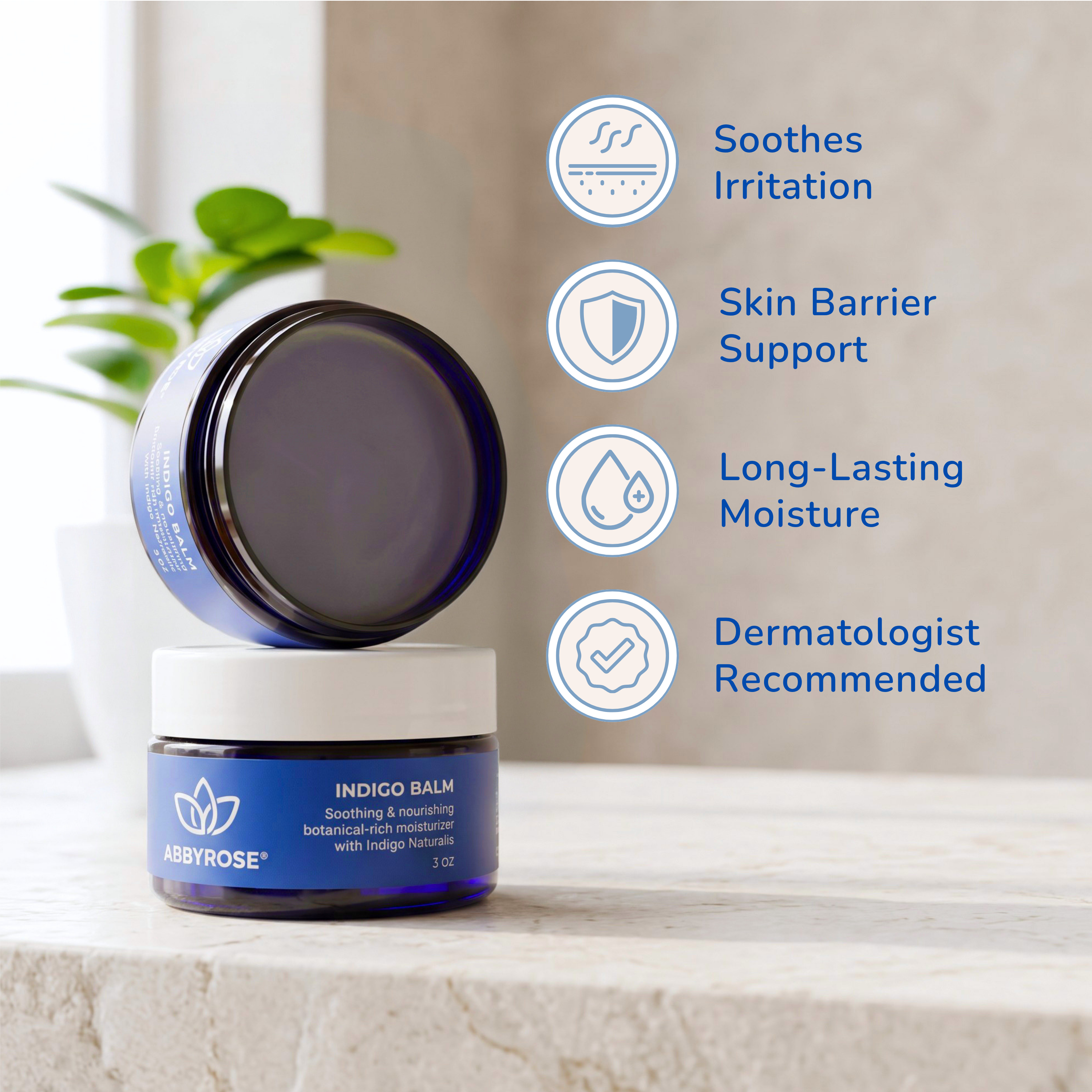
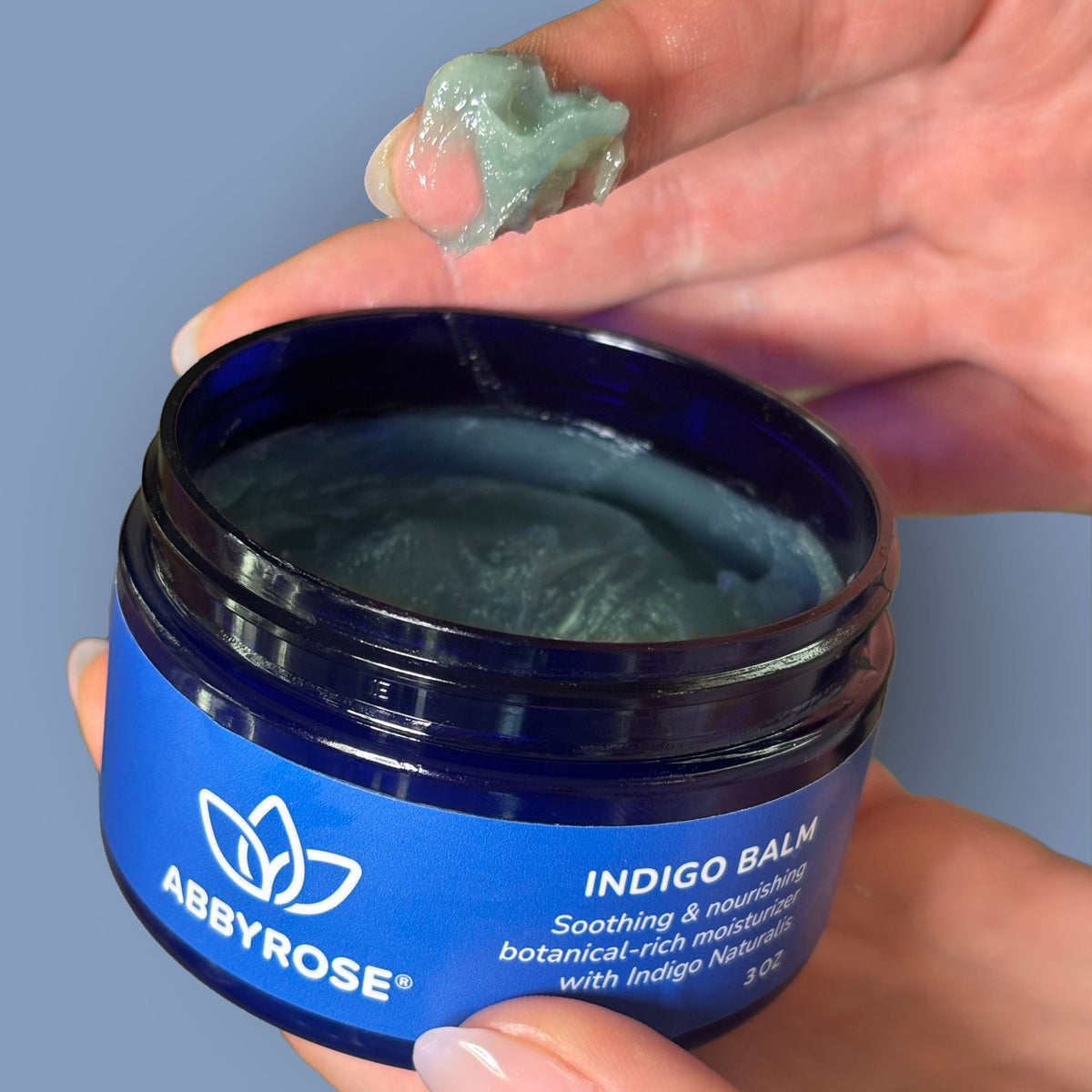
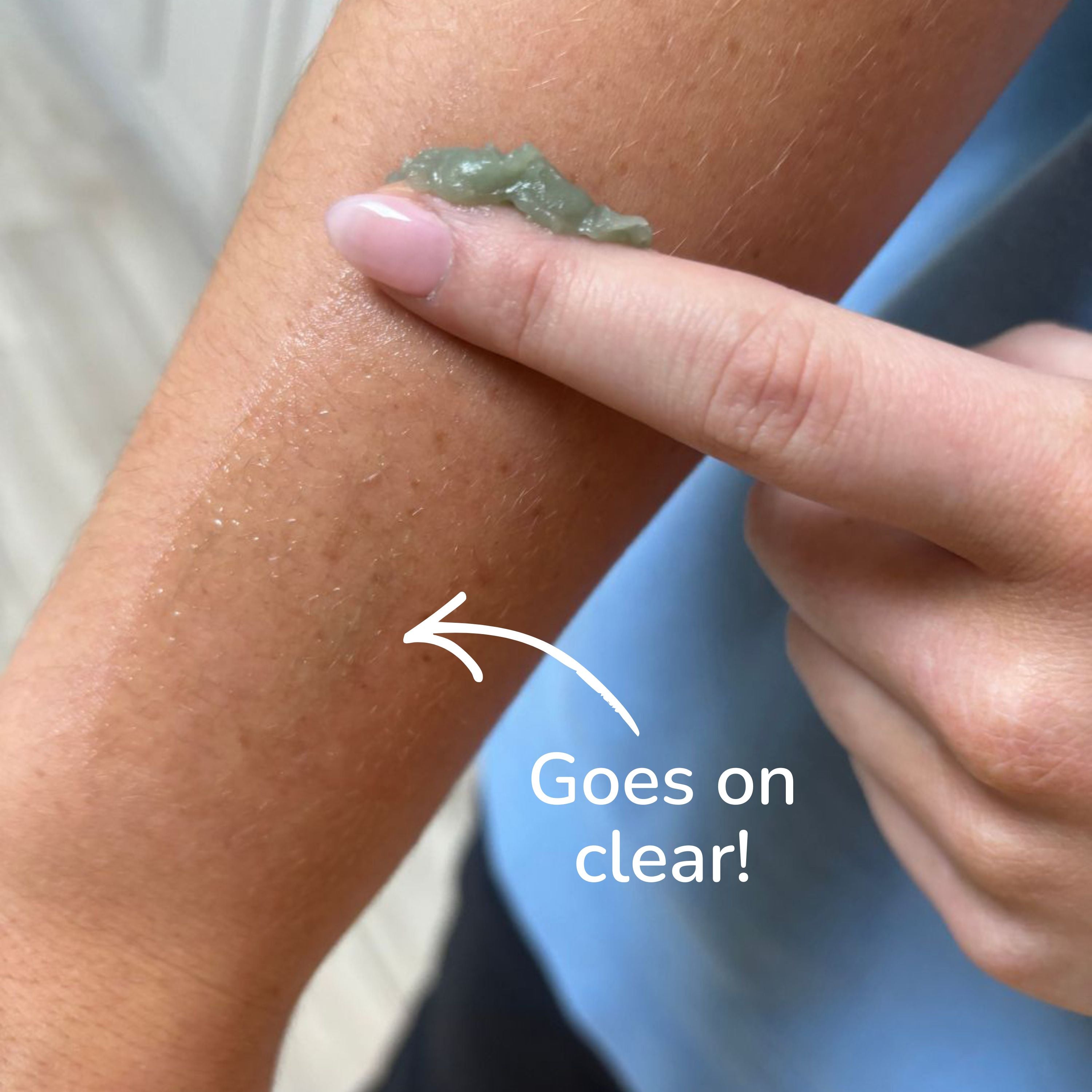
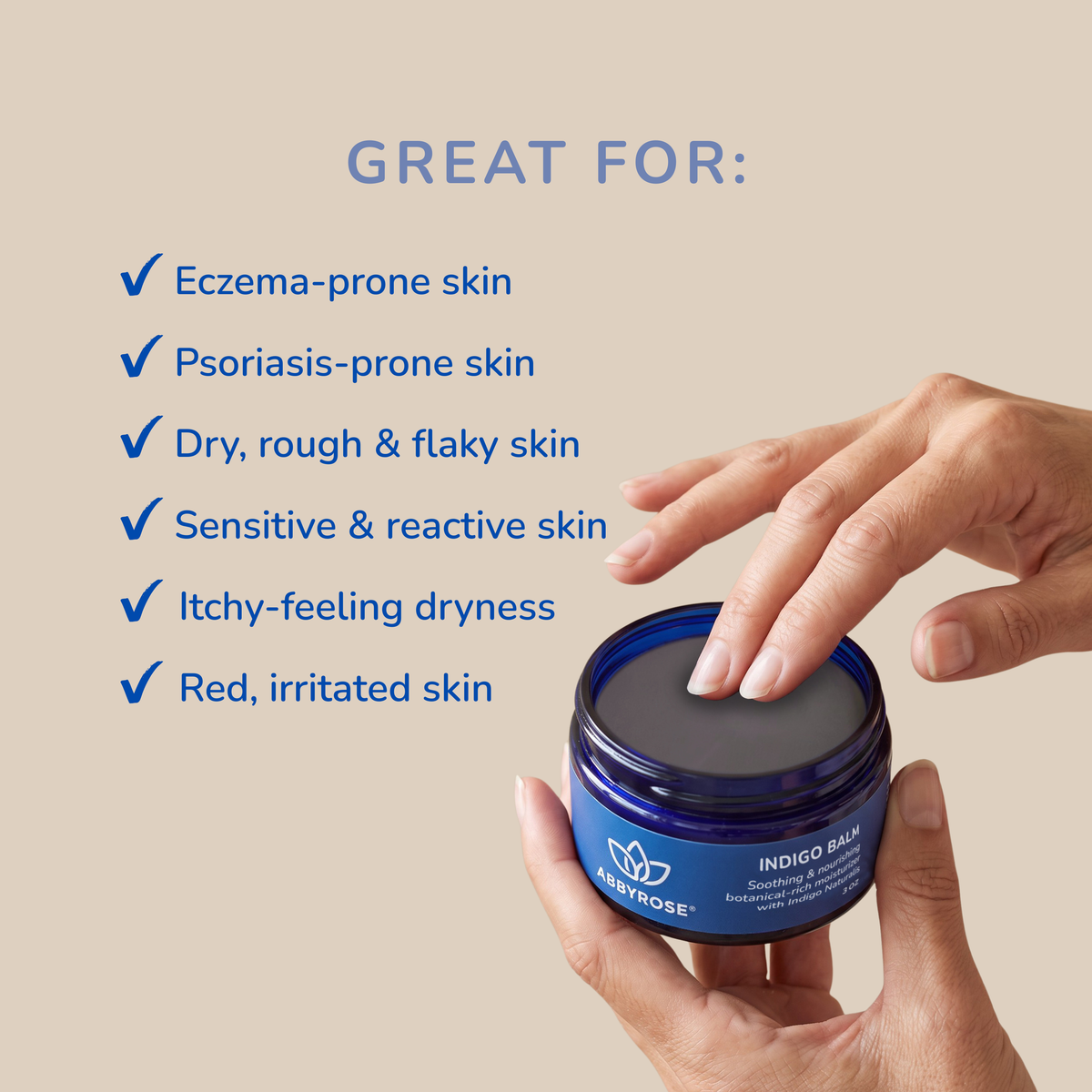
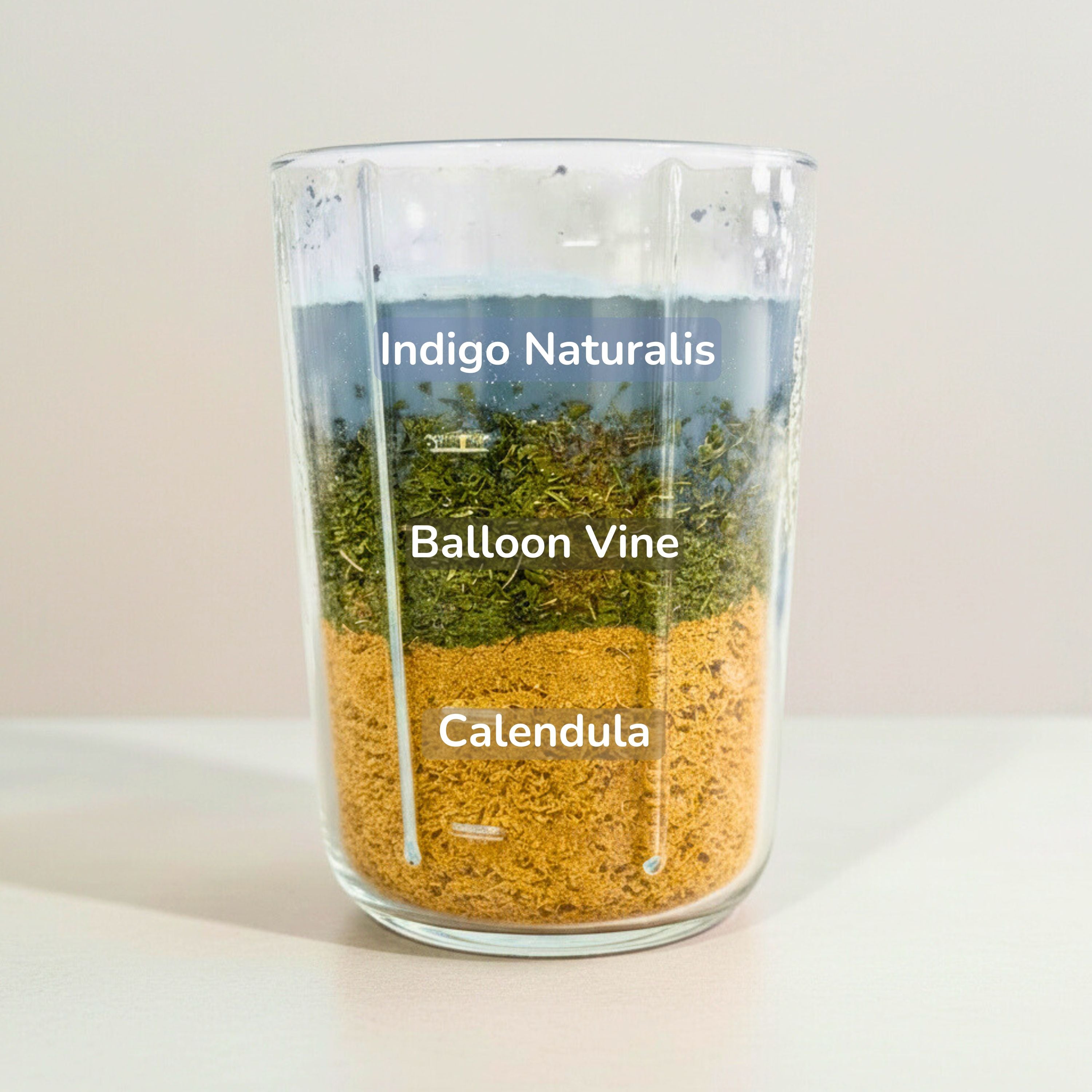
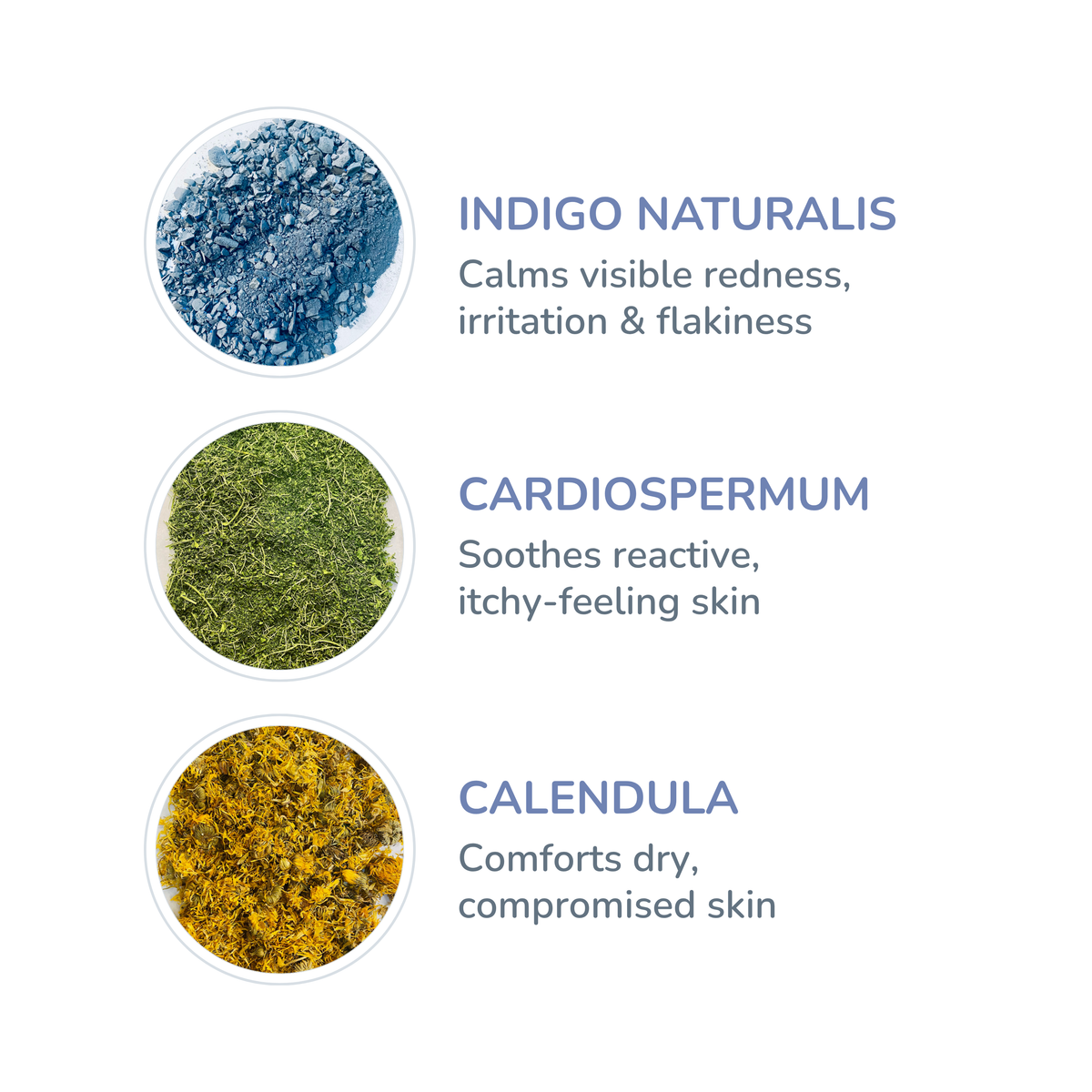
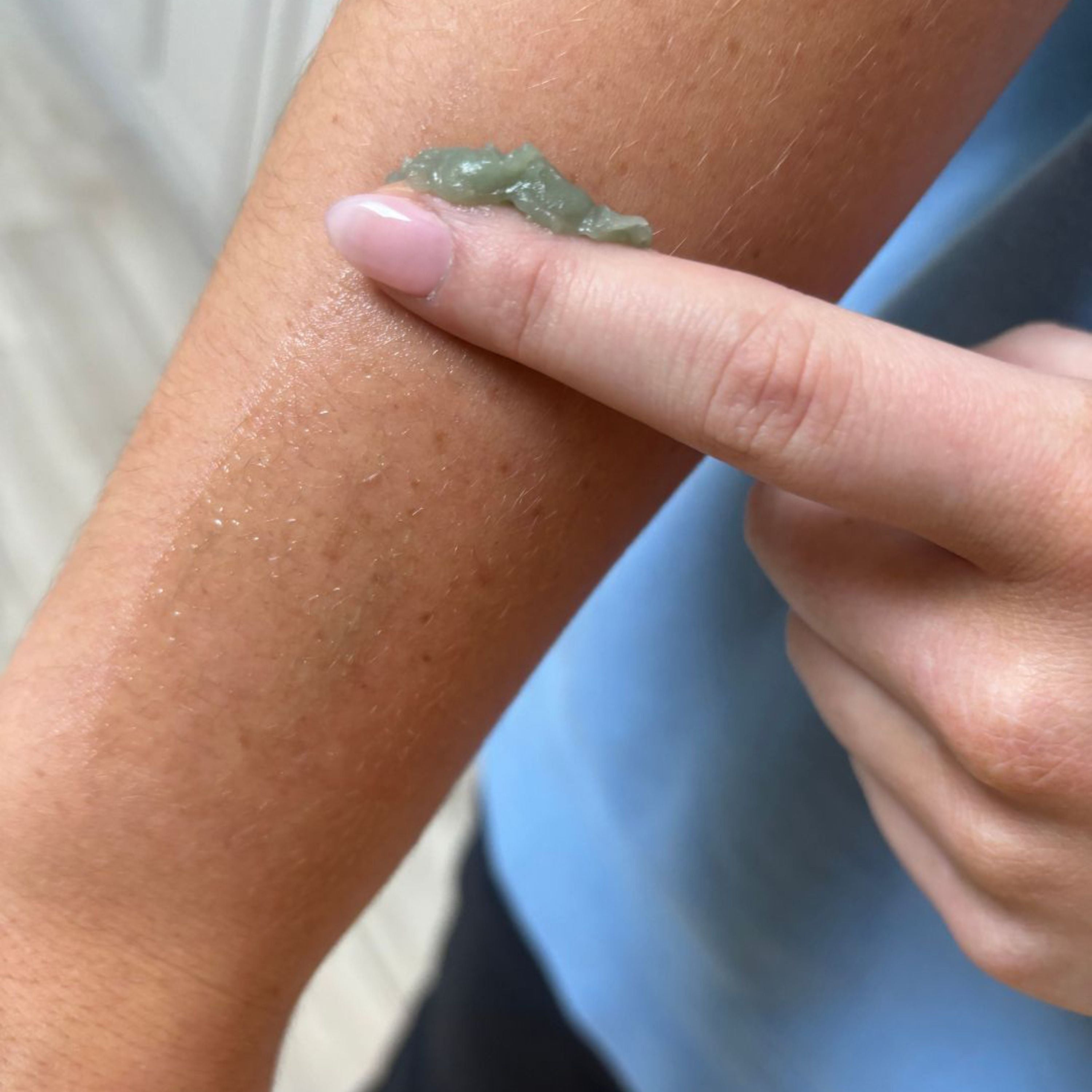
Indigo Balm is a more intensive moisturizer designed to nourish, soothe, and strengthen a compromised skin barrier. It provides gentle comfort for dry, flaky, and irritated skin while helping restore balance over time. Made with natural and organic ingredients, it features three soothing botanicals that work in synergy to calm and comfort the skin.
Final Thoughts
Cold weather doesn’t have to mean uncomfortable skin. With consistent habits and sensitive-skin friendly products, you can protect your skin from winter dryness and irritation. By understanding the effects of cold weather on skin and choosing supportive products, you can keep your skin healthier, calmer, and more comfortable all winter long.