
Choosing skincare for sensitive skin or eczema isn’t just about picking something labeled “gentle”, it’s about knowing exactly how to read the label so you can avoid triggers and support your skin barrier. If your skin reacts easily, the ingredient list matters more than marketing claims on the front of the bottle.
Always Start With the Ingredient List
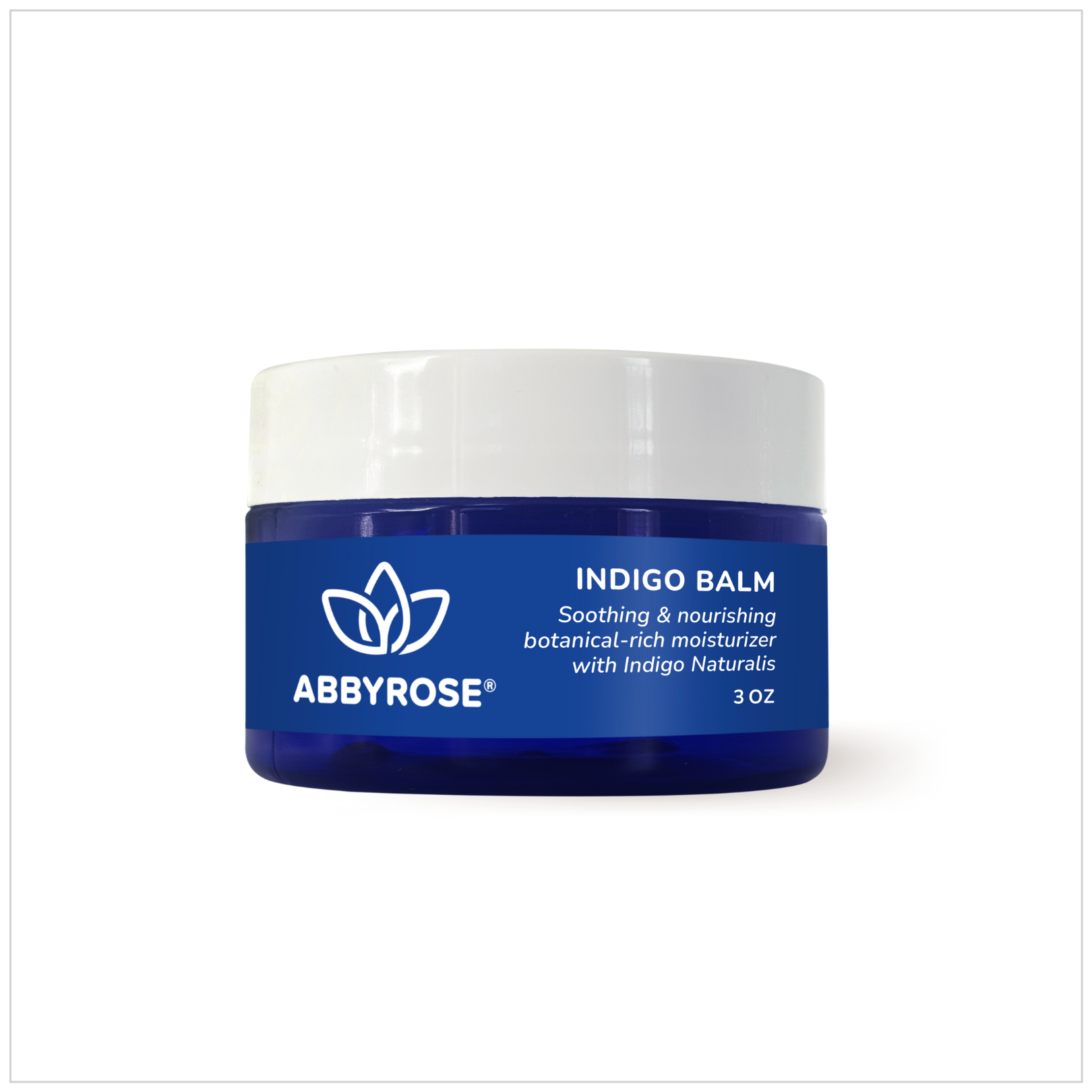
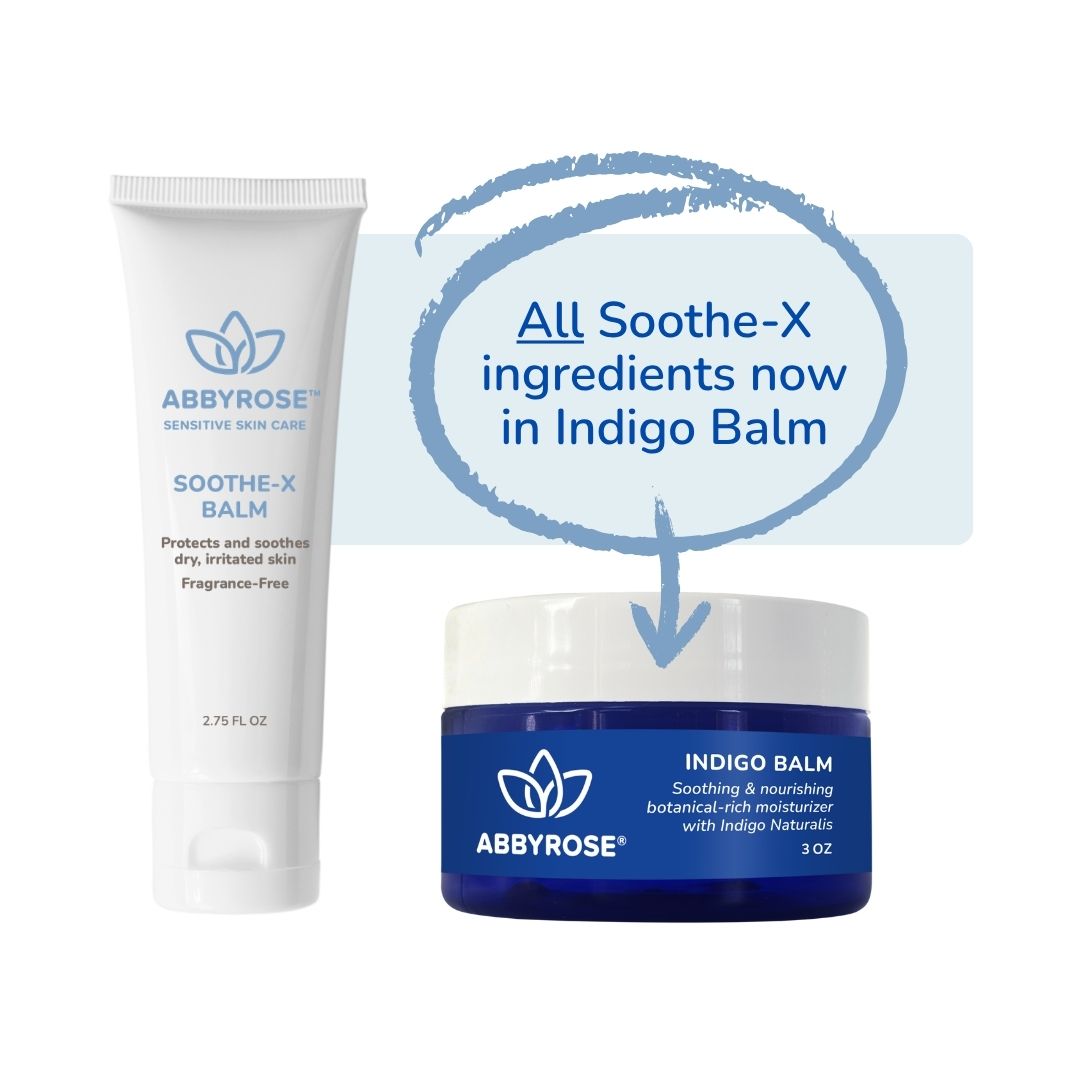
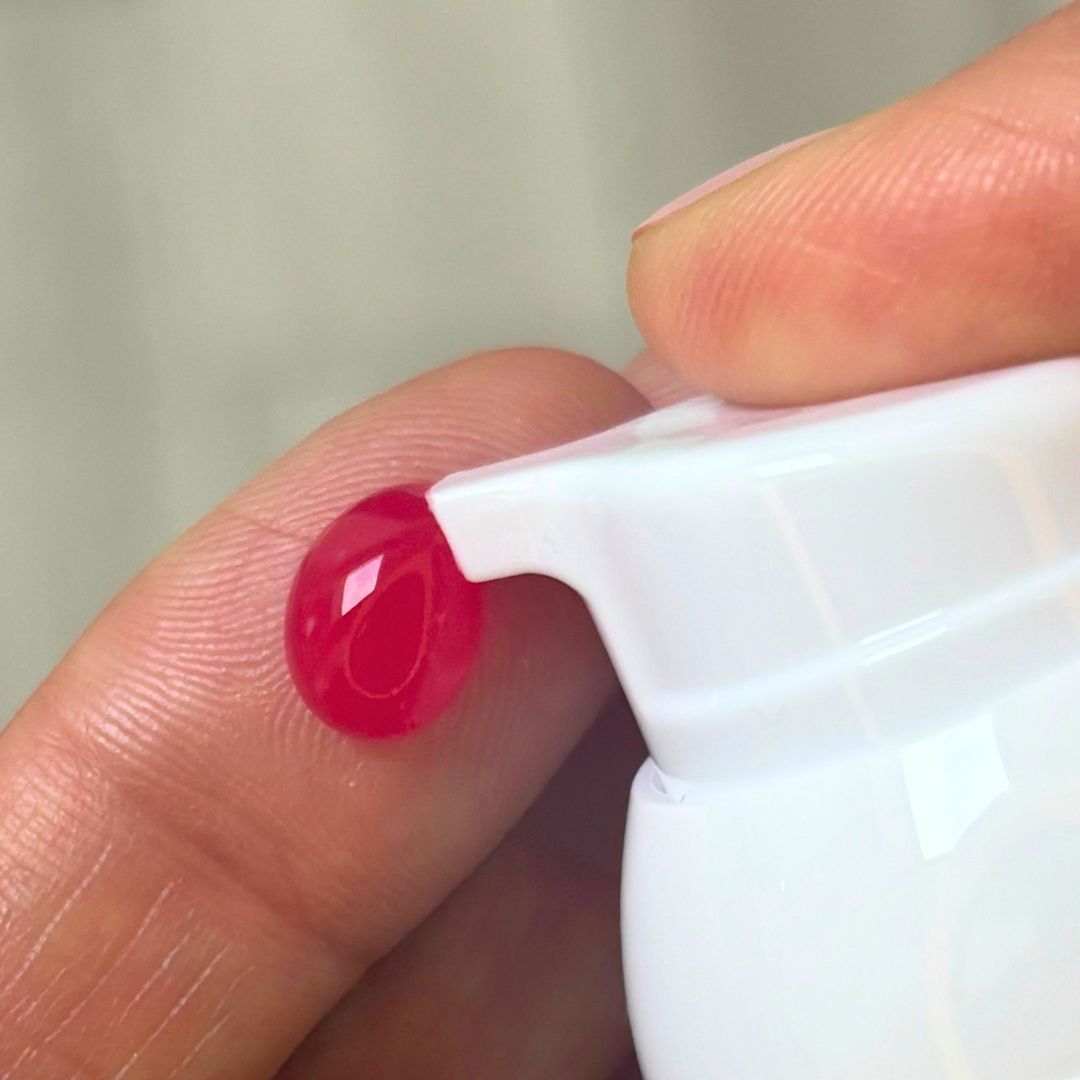
Ingredients are listed in descending order by concentration, so the first several ingredients make up the bulk of the formula. For sensitive or eczema-prone skin, look for short, simple ingredient lists. The fewer components, the lower the risk of irritation. Focus on barrier-supporting ingredients like sunflower oil, shea butter, aloe, glycerin, Calendula or Indigo Naturalis. These help soothe the skin, lock in moisture and repair compromised skin.
Be cautious with “natural” claims. Natural doesn’t automatically mean safe, some essential oils (like citrus, peppermint, or lavender) can still irritate sensitive skin. Instead of relying on buzzwords, scan for ingredients your skin has tolerated well in the past.
Fragrance: The Hidden Irritant
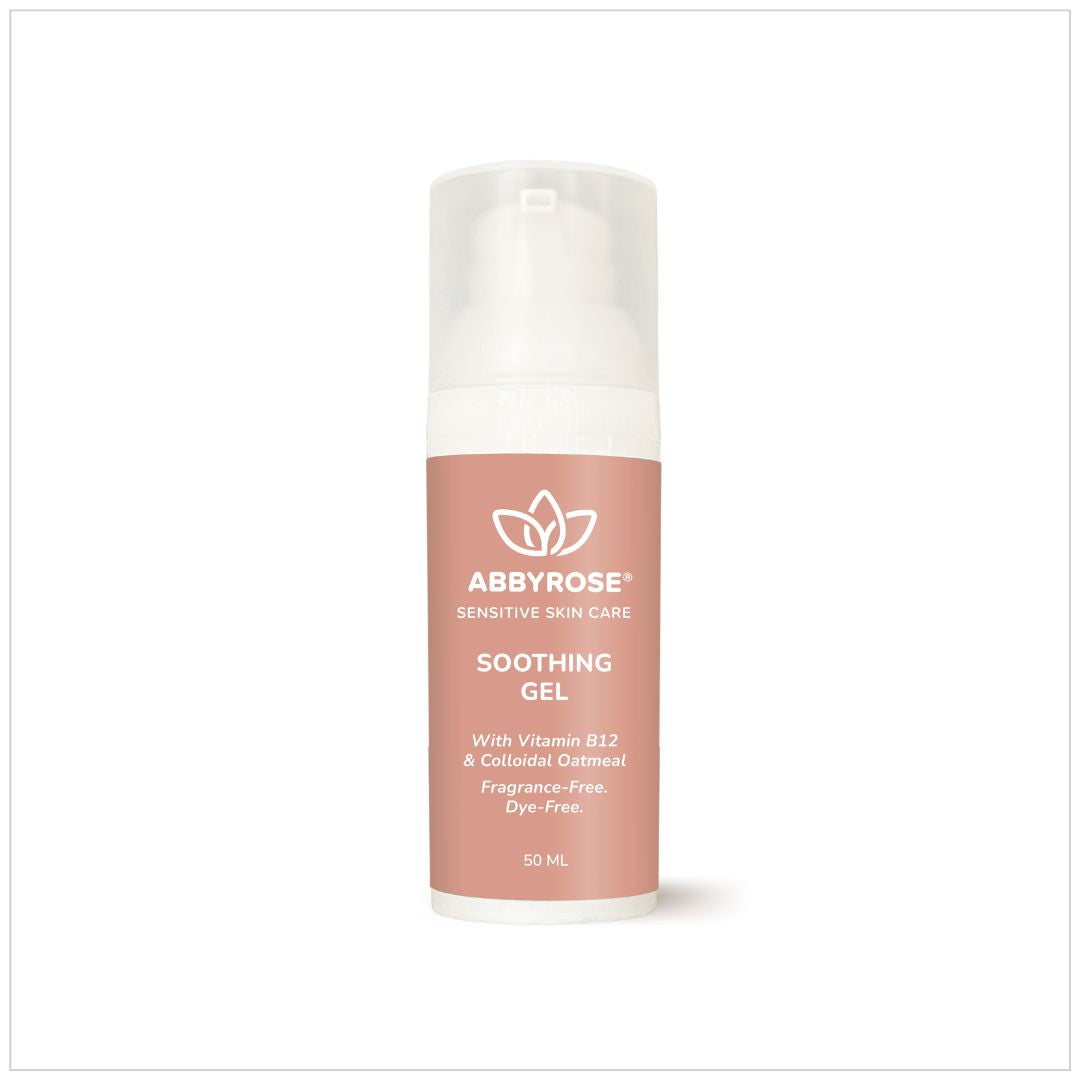
Fragrance is one of the most common triggers for sensitive skin and eczema. On labels, it may appear as “fragrance,” “parfum,” or even as a blend of essential oils. Choose products clearly labeled “fragrance-free.”
Be careful not to confuse this with “unscented.” Unscented products usually contain masking chemicals that neutralize odors, which can irritate the skin. Fragrance-free means nothing has been added to alter the scent, so it is the safer option for sensitive skin. Natural ingredients can have their own subtle aroma, but this is not the same as added fragrance, so a fragrance-free product may have an aroma from the raw ingredients.
Choose Organic Ingredients Whenever Possible
When selecting skincare for sensitive or eczema-prone skin, choosing organic ingredients whenever possible can be a helpful way to reduce exposure to potential irritants. Organic plant-based ingredients are grown without synthetic pesticides, herbicides, or chemical fertilizers, which means they are less likely to contain residual agricultural chemicals that may contribute to skin sensitivity or inflammation.
While “organic” does not automatically guarantee a product will be non-irritating, it often reflects a cleaner sourcing process and fewer unwanted contaminants. This can be especially beneficial for reactive skin types, where even small exposures can trigger discomfort or flare-ups. However, it’s still important to remember that natural and organic ingredients, such as essential oils or certain botanical extracts, can still cause irritation in some individuals. For this reason, organic skincare is best viewed as one helpful factor among many, alongside fragrance-free formulations, barrier-supporting ingredients, and simple, well-tolerated formulas.
Watch Out For Drying Alcohols
Not all alcohols are bad, but some can strip your skin and worsen dryness or flare-ups. Avoid ingredients like denatured alcohol, ethanol, and isopropyl alcohol, especially if they appear high on the list. These evaporate quickly and can leave your skin dehydrated.
Be Mindful of Preservatives
Preservatives are necessary in water-based products to prevent bacterial growth, but some can be irritating. Ingredients like parabens and formaldehyde-releasing preservatives. Phenoxyethanol is a common preservative used in skincare for sensitive skin, while it’s generally considered safe, it can cause irritation or stinging for those with eczema and compromised skin barriers.
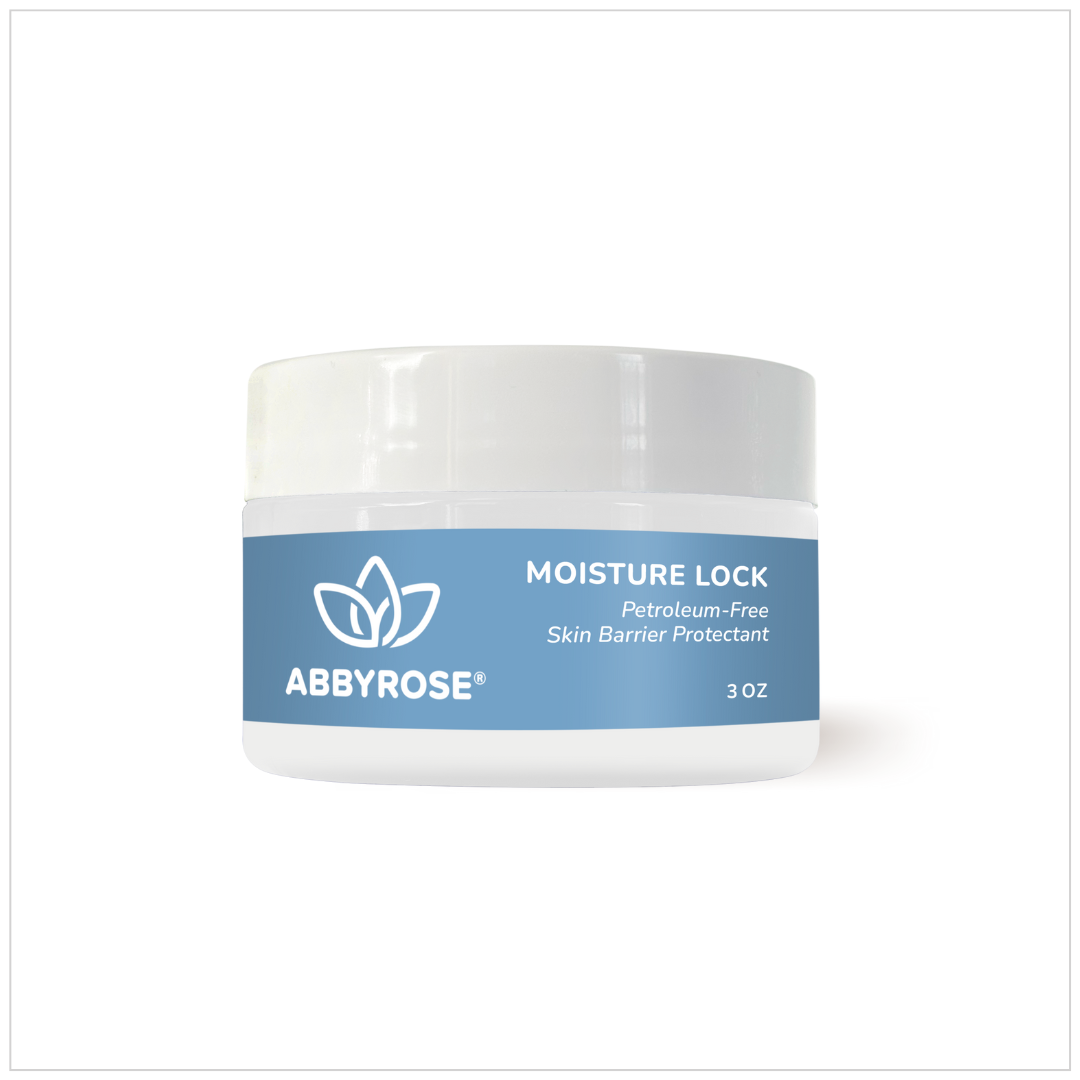
If your skin is highly reactive, consider waterless products like balms, salves, and oils. These often require fewer or no preservatives and tend to be gentler.
Use Lotions & Creams with Caution
Lotions and creams often contain emulsifiers to blend oil and water. Some harsher emulsifiers can disrupt the skin barrier and strip natural oils, especially with frequent use. If your skin feels tight or dry shortly after applying a product, it may be a sign that the formula is too stripping.
Also, be cautious of products that absorb or “dry down” too quickly. Fast-evaporating formulas often contain high levels of alcohol or water without enough occlusive ingredients to seal in moisture, leaving eczema-prone skin worse off.
SPF Choices Matter
If you’re using sunscreen, mineral-based options with zinc oxide or titanium dioxide are typically better tolerated by sensitive skin. Avoid chemical filters like oxybenzone if you’re prone to irritation.
Don’t Rely on Marketing Terms
Labels like “hypoallergenic,” “dermatologist-tested,” "natural", or “clean” are not strictly regulated. They don’t guarantee a product is safe for eczema or sensitive skin. Always verify by reading the ingredient list yourself.
Check Expiration
Never use a product past its “Best By” date. Expired products can degrade and become irritating. If a product starts to look or smell different, it’s time to purchase a new one. Products with natural ingredients and gentler preservatives typically have a shorter shelf-life of 6-12 months.
Patch Test Every New Product
Even if a product looks perfect on paper, your skin may react differently. Always test a small amount on the inside of the forearm and wait 24-48 hours to ensure no skin sensitivity before using it more broadly.
Learning how to read skincare labels gives you real control over your routine. For sensitive skin and eczema, it’s less about trends and more about avoiding triggers, supporting your barrier, and choosing simple formulations that truly nourish your skin. Once you understand what to look for and what to avoid, you can confidently choose products that work with your skin, not against it.