
This Is Why Your Skincare Isn’t Working (And How to Fix It)
If your skincare routine feels thoughtful but your skin still looks dry, tight, irritated, or dull, you’re not alone. Many people invest in high-quality products, follow the steps, and still feel like something isn’t clicking.
The issue usually isn’t what you’re using, it’s how your skin is being prepared to receive it.
One of the most common missing pieces in modern skincare routines is proper hydration. Not moisture. Not oils. Hydration. And without it, even the best products can sit on the surface, leaving the skin barrier compromised and skin feeling frustrated.
Let’s break down why hydration is the step that makes skincare actually work, and how to build a simple routine that supports healthy, resilient skin.
You’re Skipping the Hydrating Step That Makes Skincare Work
Skincare is often taught as cleanse, moisturize, repeat. But when hydration is overlooked, products struggle to absorb properly, and the skin barrier never fully recovers.
Hydration is the foundation that allows everything else to function. Without enough water in the skin, even rich creams and oils can’t do their job effectively. Instead of absorbing, they form a layer on top, creating the illusion of moisture without addressing the underlying dehydration.
This is especially important for sensitive skin, which relies on a well-functioning skin barrier to stay calm and balanced.

Hydrating ≠ Moisturizing
This is one of the most misunderstood concepts in skincare.
Hydration = water
Moisturizing = sealing
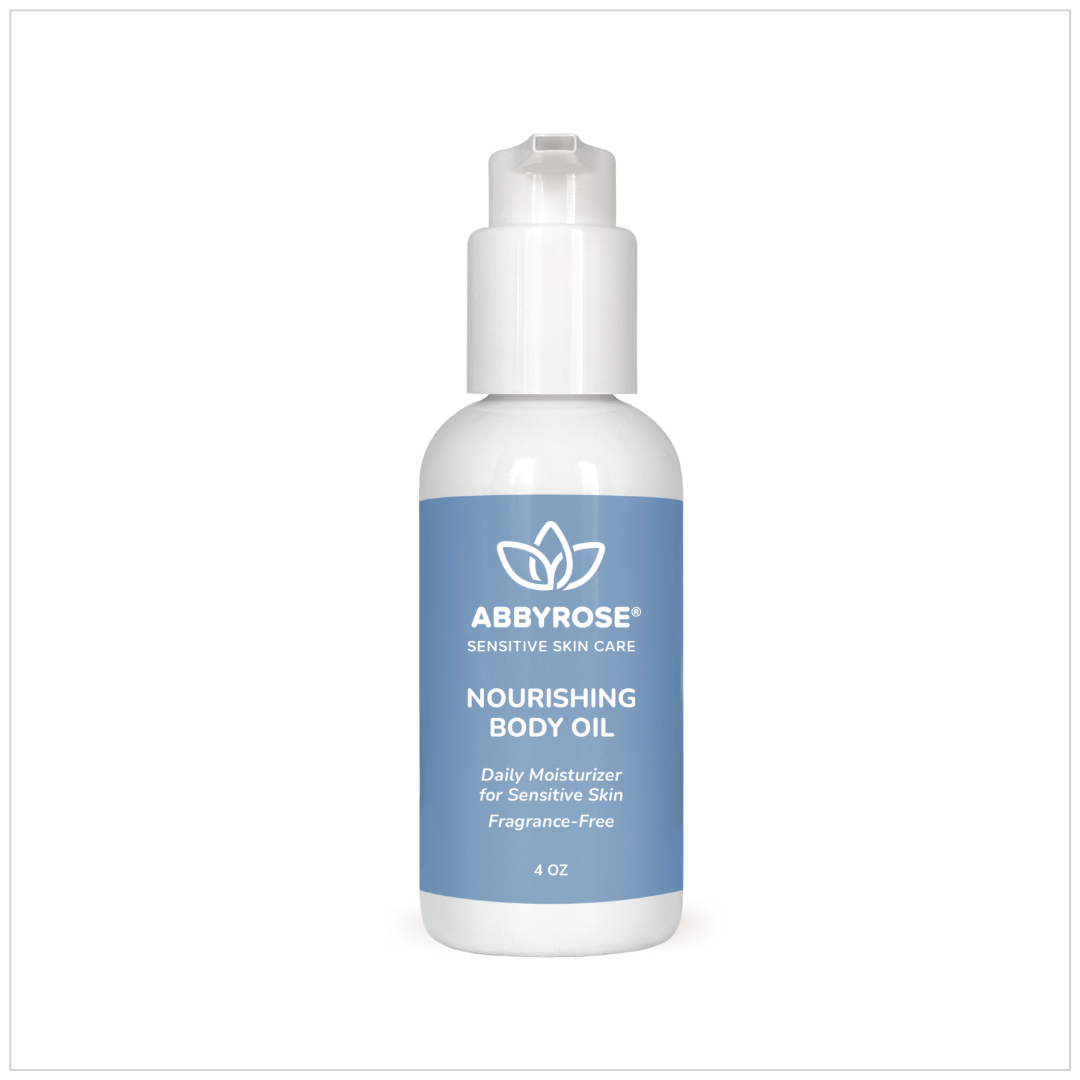
Hydrating products deliver water and water-binding ingredients (like glycerin, aloe, and hyaluronic acid) into the skin. Moisturizers such as balms and oils, work by sealing in what’s already there and slowing water loss. Please note that while creams and lotions contain both water and oil; those types of products usually contain many additional and unnecessary ingredients, such as emulsifiers, fragrances, and harsh preservatives that disrupt the skin microbiome and wreak havoc on the skin barrier. Oil-based moisturizers are a better choice especially for sensitive skin.
If skin is dry when you apply a moisturizer, there’s very little hydration to seal in. The product may feel comforting at first, but the skin barrier remains compromised underneath.
This is why dehydrated skin often feels tight again shortly after moisturizing. The skin never received the water it needed in the first place.
Why Layering Matters for the Skin Barrier
Layering isn’t about using more products. It’s about using the right textures in the right order to support hydration and prevent water loss.
When done correctly, layering helps:
- Improve absorption
- Reduce transepidermal water loss
- Support the skin barrier
- Minimize irritation, especially for sensitive skin
The goal is to introduce hydration first, then lock it in before it evaporates.
Always Layer Lightest → Heaviest
The order of application matters more than most people realize.
1. Start with lightweight hydration.
These products absorb quickly and deliver hydration deep into the skin.
2. Finish with heavier weight moisturizer.
These act as a seal, helping hydration stay where it belongs.
If you start with heavy products, they create a barrier that blocks hydration from penetrating. Water-based products applied afterward simply sit on top and evaporate off.
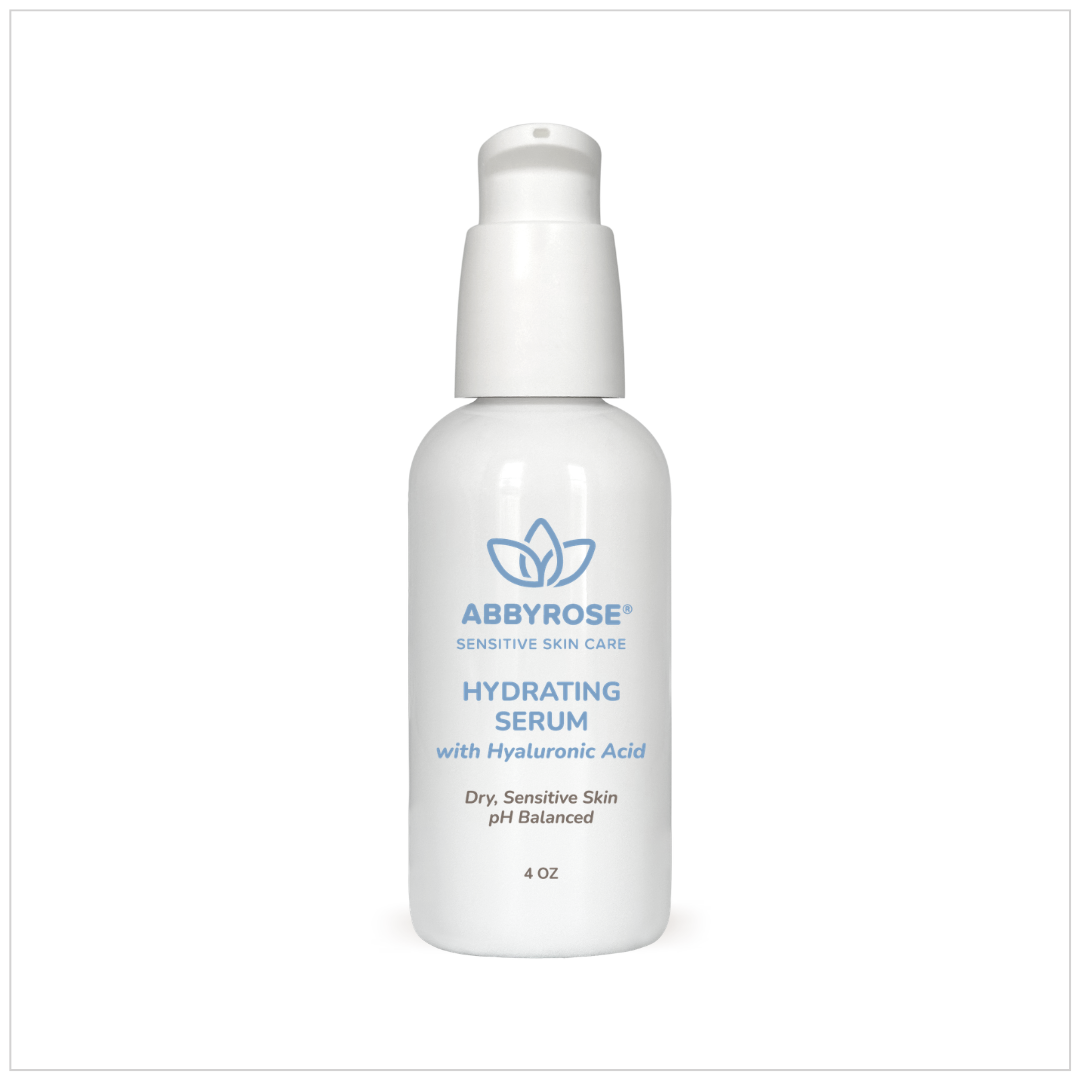
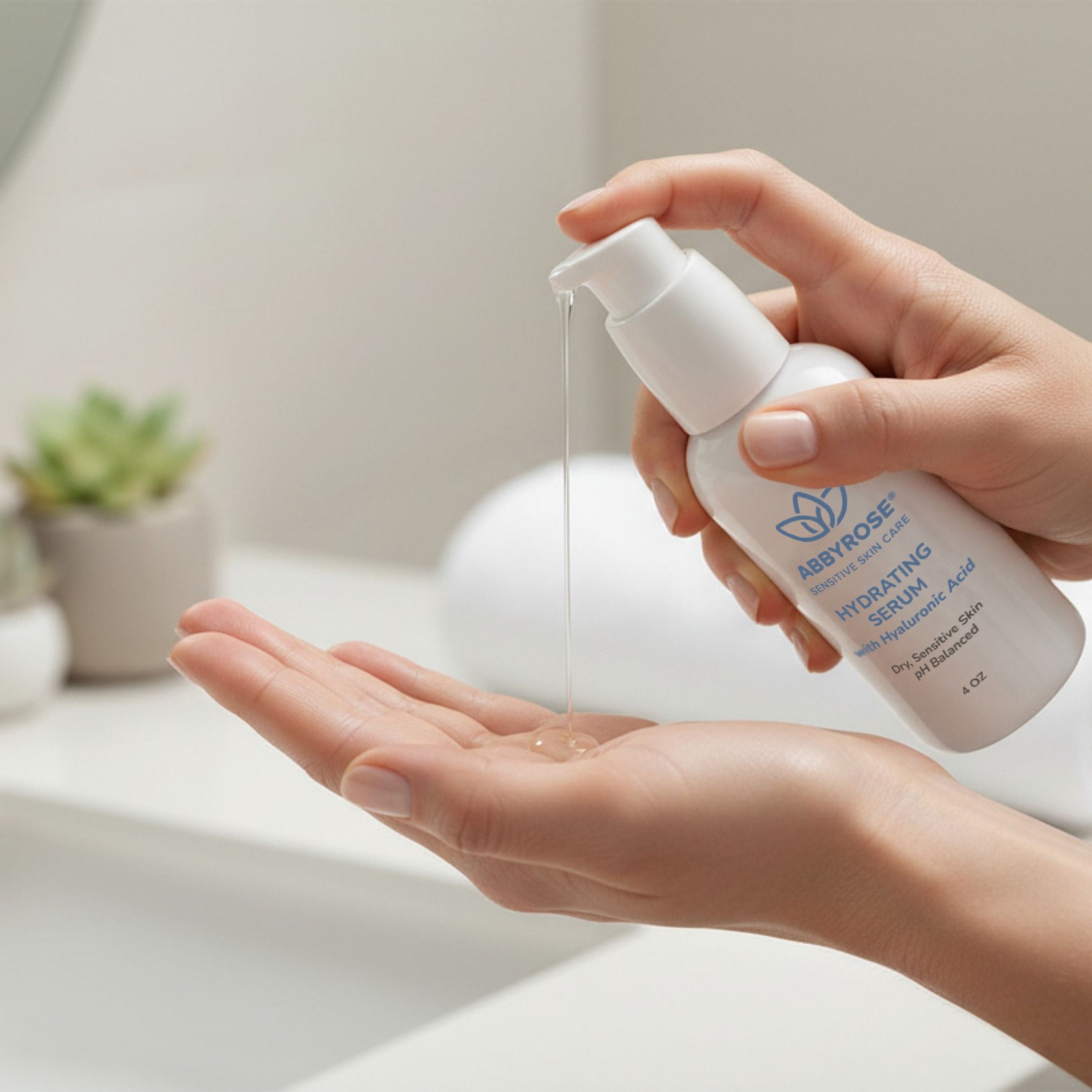
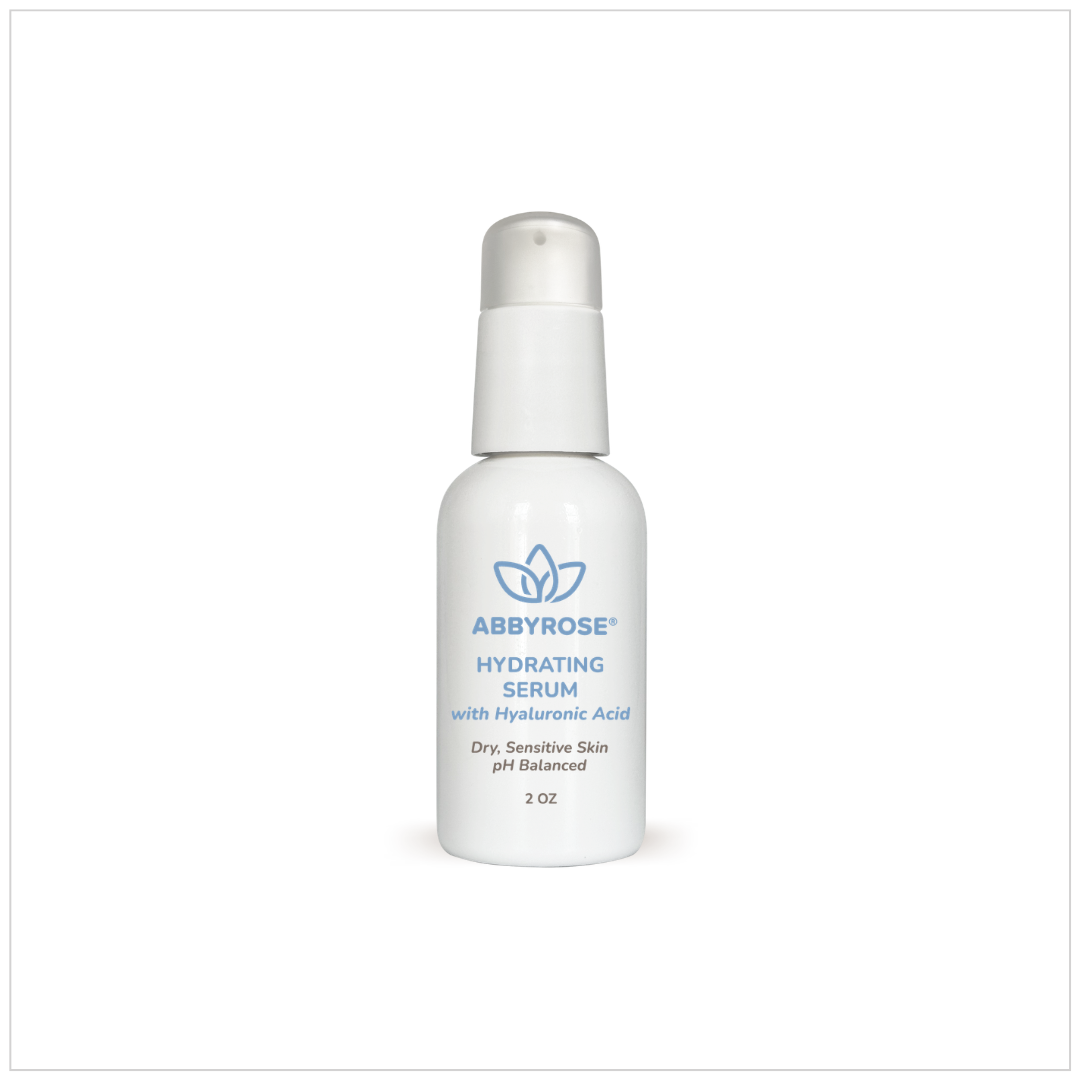
A well-formulated hydrating serum like the Abby Rose Hydrating Serum is designed to be used early in your routine, creating the ideal environment for moisturizers to work more effectively.


Hydration = A More Youthful Appearance
Hydration isn’t just about comfort — it directly affects how skin looks and behaves.
When skin is properly hydrated:
- Fine lines appear softer
- Skin looks plumper and brighter
- The skin barrier functions more efficiently
- Irritation and reactivity decrease
- Skin becomes more resilient and adaptable
Dehydrated skin, on the other hand, tends to age faster. It’s less flexible, more prone to inflammation, and struggles to recover from stress.
Healthy hydration supports long-term skin barrier health, which is one of the most important factors in maintaining youthful, calm skin.
A Simple Hydration Routine That Works
Supporting hydration doesn’t require a complicated routine. In fact, simpler routines are often more effective, especially for sensitive skin.
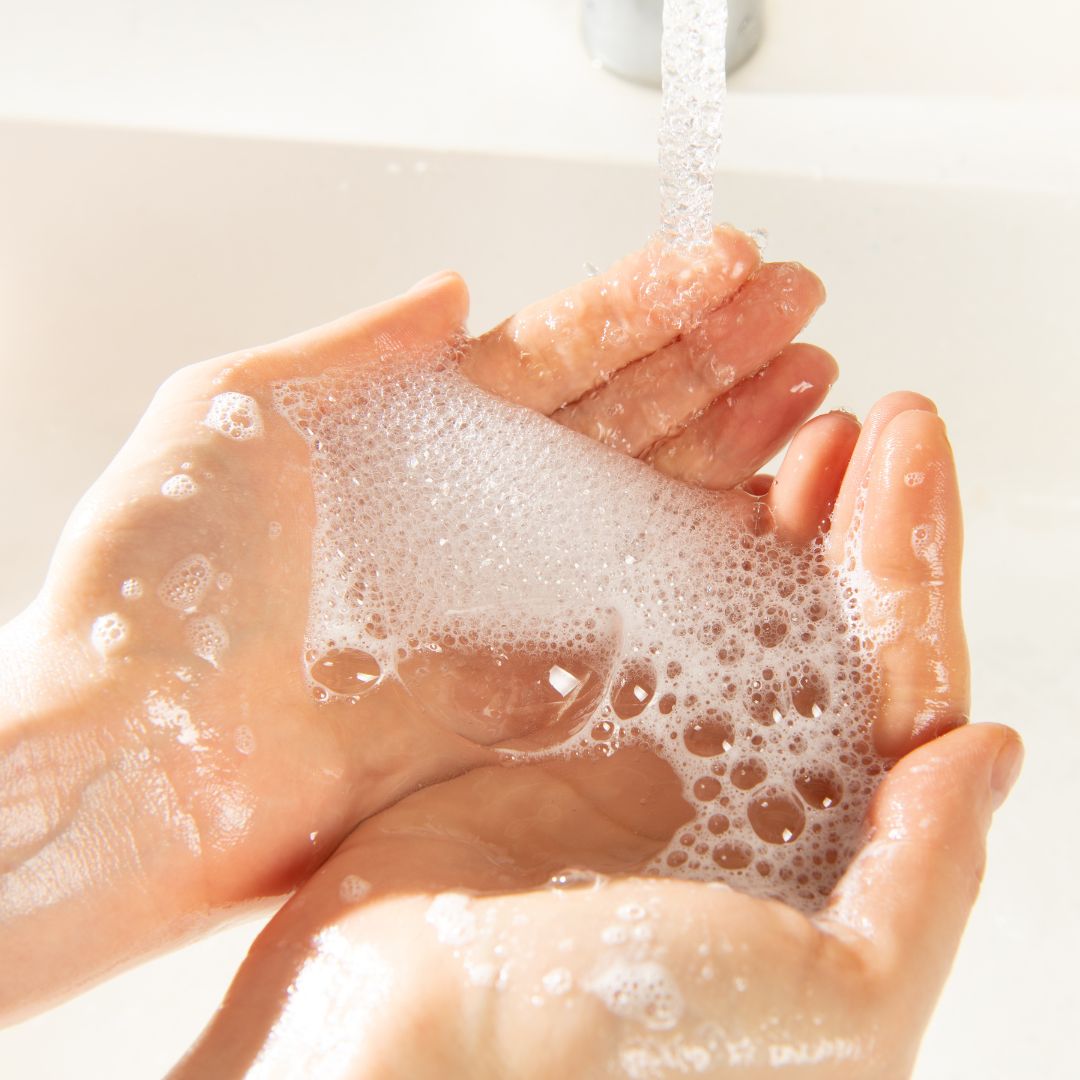
Step 1: Start with Damp Skin
After cleansing, leave the skin slightly damp. The skin will be more porous and able to help water-based products to penetrate more effectively.
Step 2: Apply Lightweight Hydration
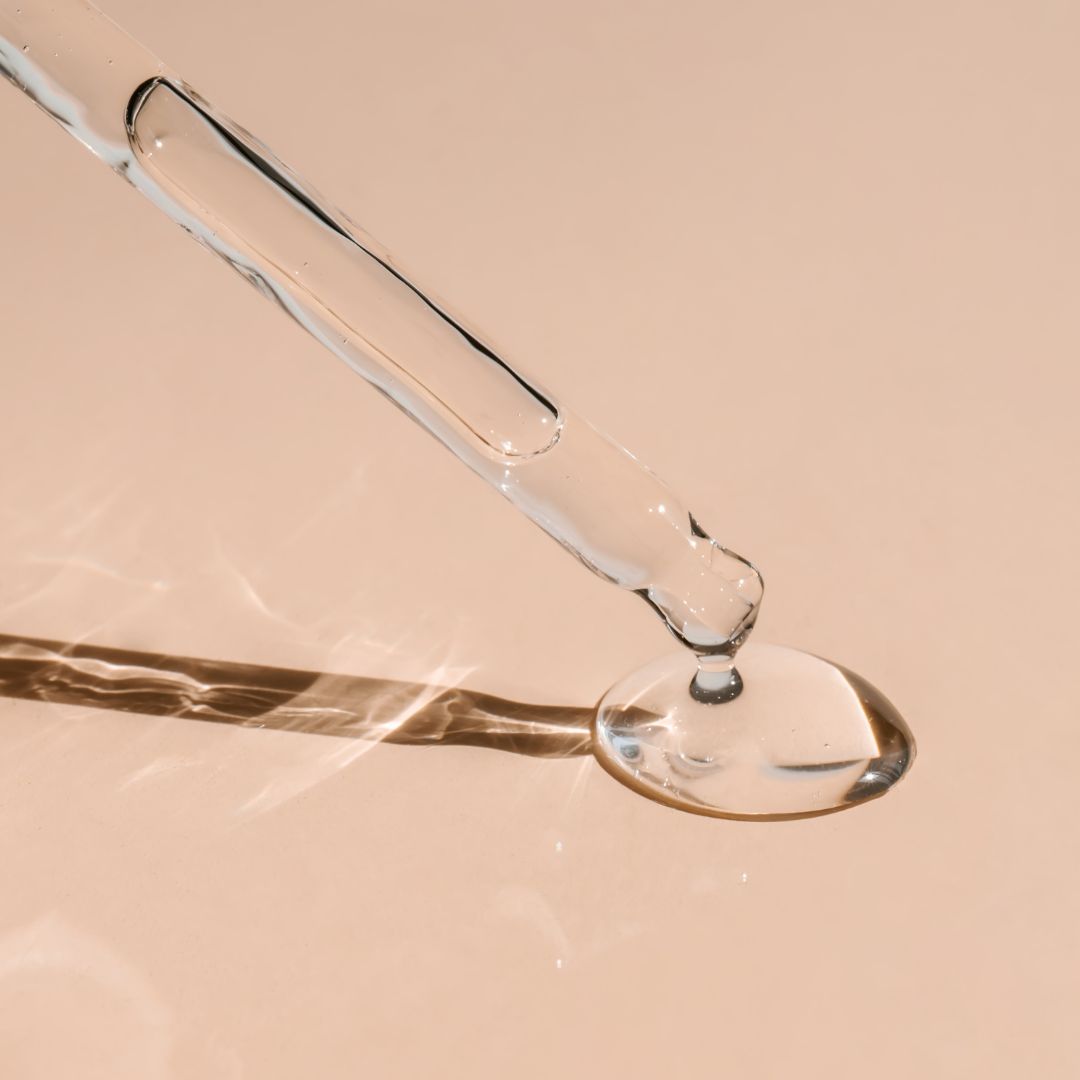
Use a hydrating serum formulated to replenish water and support the skin barrier. Ingredients like aloe, glycerin, and hyaluronic acid help bind moisture and soothe the skin.
This step is where hydration is delivered, not sealed.
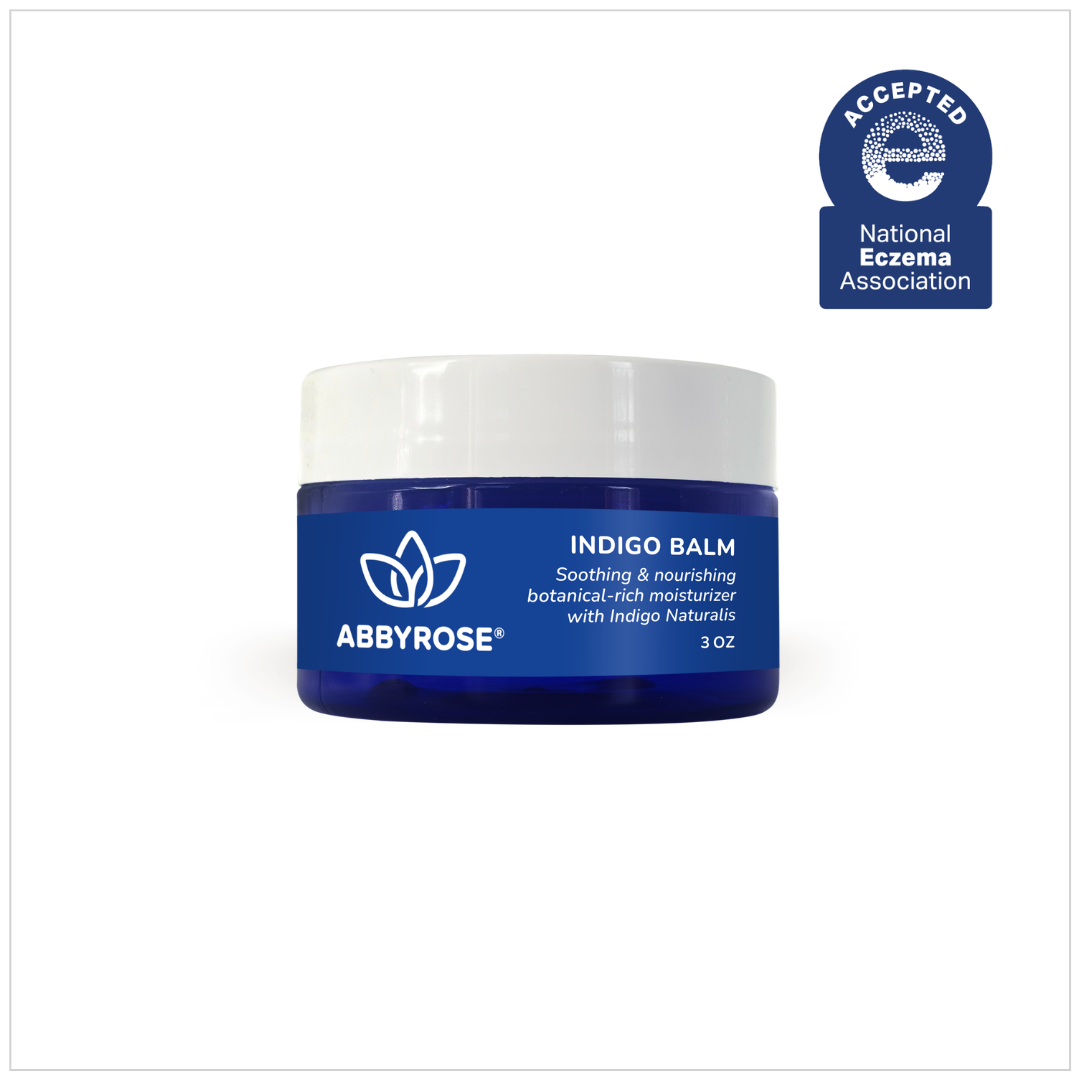
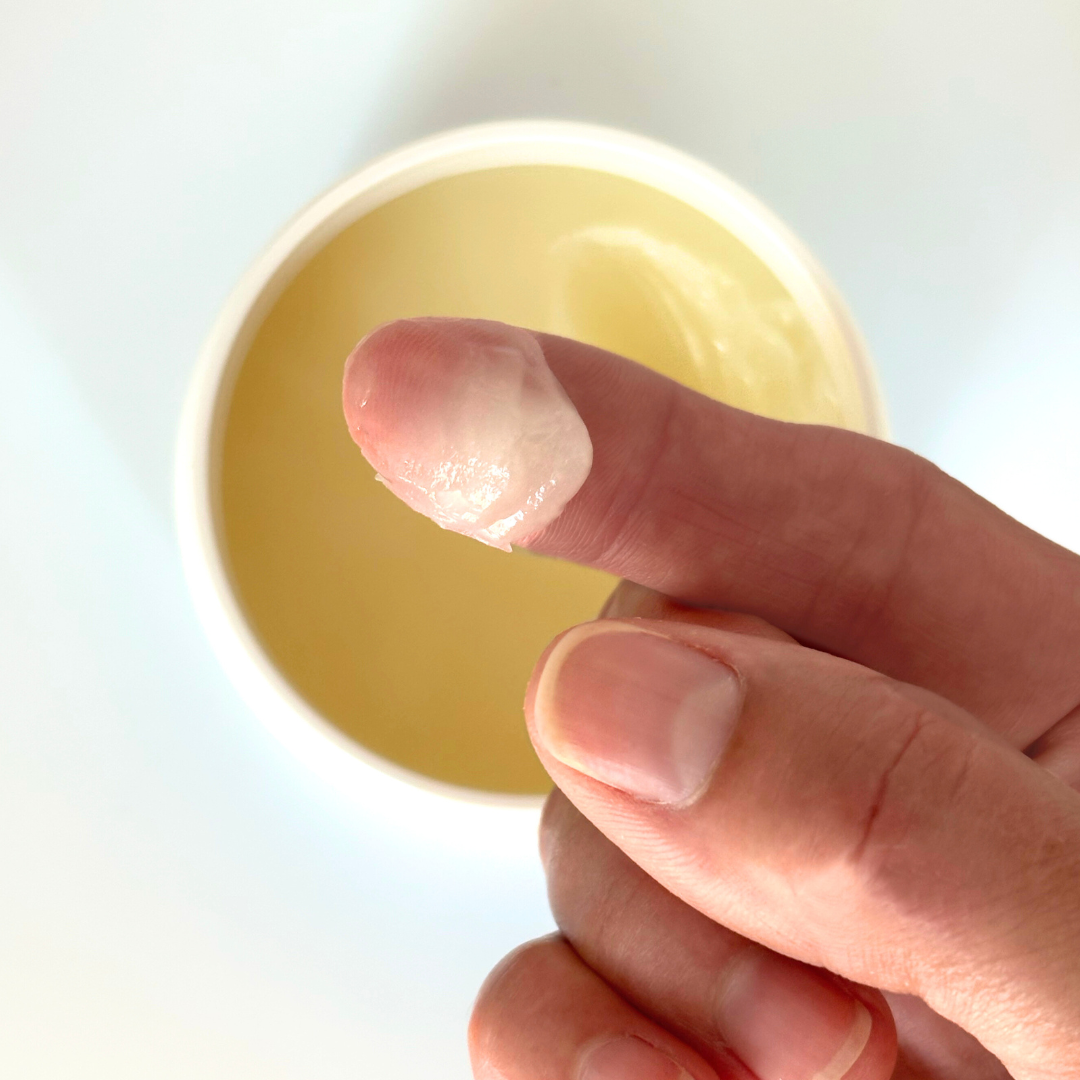
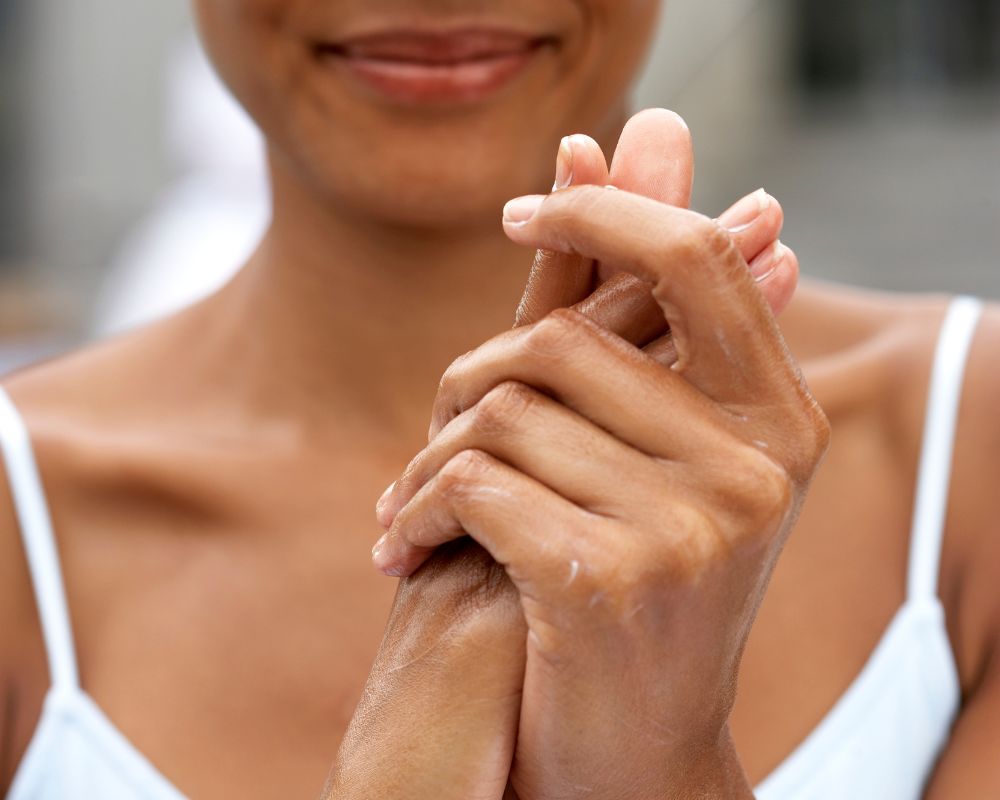
Step 3: Seal with a Moisturizing Oil or Balm
Finish with an oil-based moisturizer to lock in hydration and protect the skin barrier throughout the day or night.
This approach allows each product to do its job without interfering with the others.

Common Hydration Mistakes That Undermine Results
Even well-intentioned routines can unintentionally disrupt hydration and barrier health. Some of the most common mistakes include:
- Applying products to completely dry skin
- Using heavy formulas too early in the routine
- Overloading too many layers at once
- Mixing harsh actives that stress the skin barrier
- Forgetting the neck and chest, which show dehydration and signs of aging quickly
Barrier care works best when it’s calm, consistent, and simple.
Why Hydration Is Especially Important for Sensitive Skin
Sensitive skin often isn’t “weak”, it’s dehydrated or barrier-compromised. When hydration levels are low, the skin barrier becomes more permeable, allowing irritants to trigger redness, stinging, and discomfort.
By prioritizing hydration first, the skin barrier becomes stronger, more resilient, and better able to protect itself.
This is why gentle, fragrance-free hydrating products play such an important role in sensitive skin routines. They restore balance without adding stress.
The Bottom Line
If your skincare isn’t delivering the results you expect, it’s not necessarily the products, it’s the missing hydration step.
When skin receives proper hydration:
- Products absorb better
- The skin barrier functions more effectively
- Irritation decreases
- Skin looks healthier, calmer, and more resilient