
Plant-based ingredients have long been valued for their ability to nourish and protect the skin, and few are as celebrated as shea butter. Known for its rich texture and deeply moisturizing properties, shea butter has become a staple in natural skincare for sensitive skin. But what exactly makes it so beneficial for those dealing with eczema or chronic dryness?
What Is Shea Butter?
Shea butter, derived from the nuts of the African shea tree (Butyrospermum parkii), is a nutrient-dense plant fat packed with skin-loving compounds. It contains a blend of fatty acids such as oleic, stearic, palmitic, and arachidic acids, all of which contribute to its emollient and protective qualities. In addition, shea butter is naturally rich in vitamins A, D, and E, along with allantoin, a component known for its soothing and skin-repairing properties.
These components work together to support the skin barrier, promote repair, and reduce irritation. Its antioxidant-rich profile is often compared to that of green tea, making it a valuable ingredient not just for hydration but also for protecting the skin from environmental stressors.
Raw vs. Refined Shea Butter
Not all shea butter is created equal. Refined shea butter undergoes processing that removes its natural scent and color, resulting in a smooth, white product. While this may appeal to some formulations, the high heat used during refining can diminish many of the beneficial nutrients.
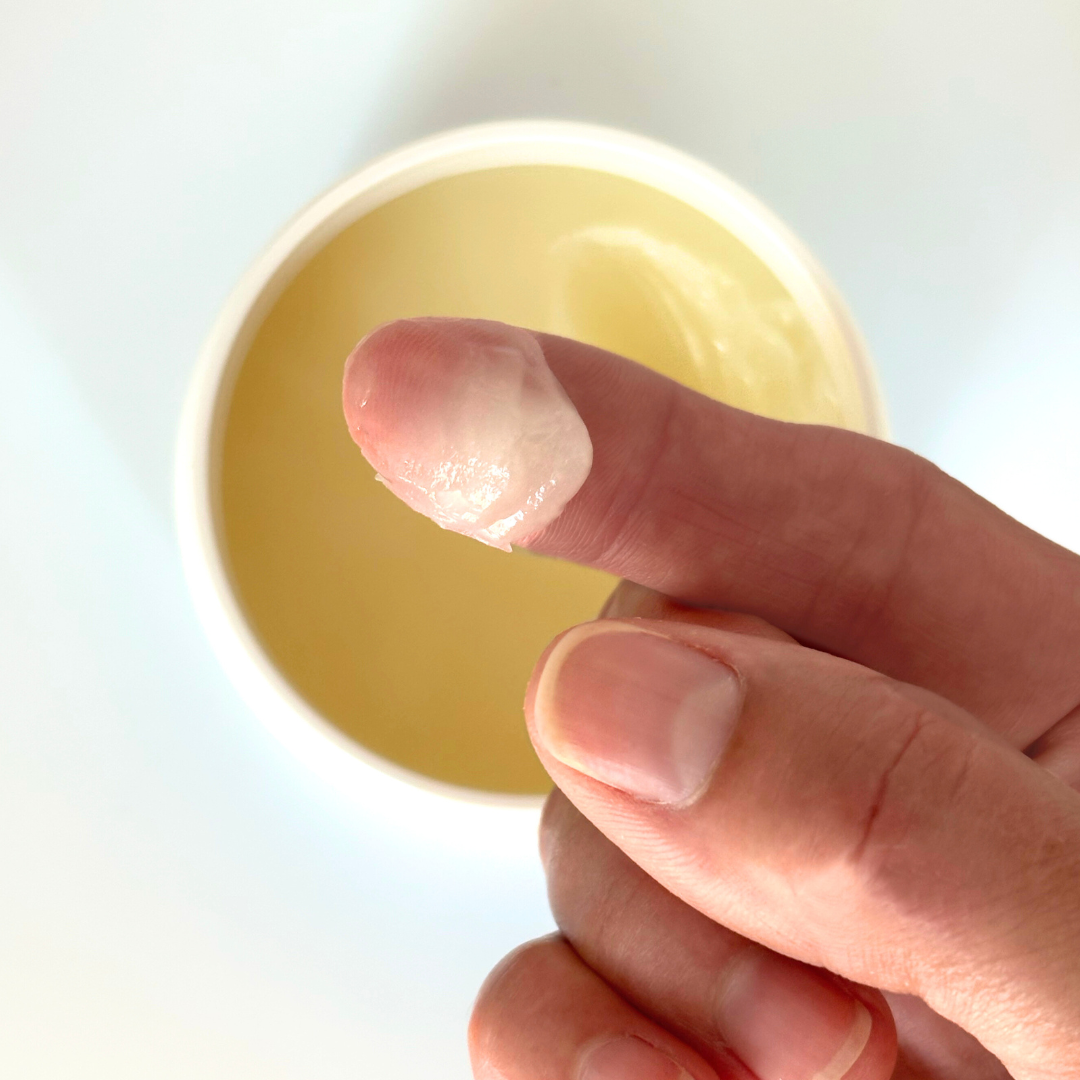
Raw shea butter, on the other hand, is minimally processed and retains its natural pale yellow color and nutty aroma. It has a thicker texture that melts easily upon contact with the skin, delivering its full range of nutrients. For those seeking a natural moisturizer for eczema, raw shea butter is often the preferred choice due to its potency and purity.
Benefits of Shea Butter for Skin Health
One of the most important roles shea butter plays is helping to strengthen the skin’s natural barrier. This barrier is essential for locking in moisture and keeping out irritants like bacteria and allergens. When compromised, the skin becomes more susceptible to conditions such as eczema and psoriasis.
Shea butter’s rich, emollient nature creates a protective layer on the skin, reducing water loss and keeping the skin hydrated. This makes it an excellent moisturizer for dry, sensitive skin, especially during colder months or in dry climates.
Additionally, its anti-inflammatory properties help calm redness, itching, and irritation, common symptoms associated with eczema flare-ups. With consistent use, shea butter can improve skin texture and resilience, making it a key ingredient in skincare products for eczema relief.
Shea Butter and Eczema Relief
For individuals managing eczema, hydration and barrier repair are essential. While shea butter doesn’t contain water, it plays a key role in maintaining skin hydration by acting as an occlusive and emollient. This means it helps seal in existing moisture and prevents water loss from the skin, keeping it soft and supple. Its rich fatty acid content also smooths and reinforces the skin barrier, which is often compromised in eczema-prone skin. At the same time, its natural anti-inflammatory compounds help calm irritation, providing relief from itching and discomfort and reducing the urge to scratch.
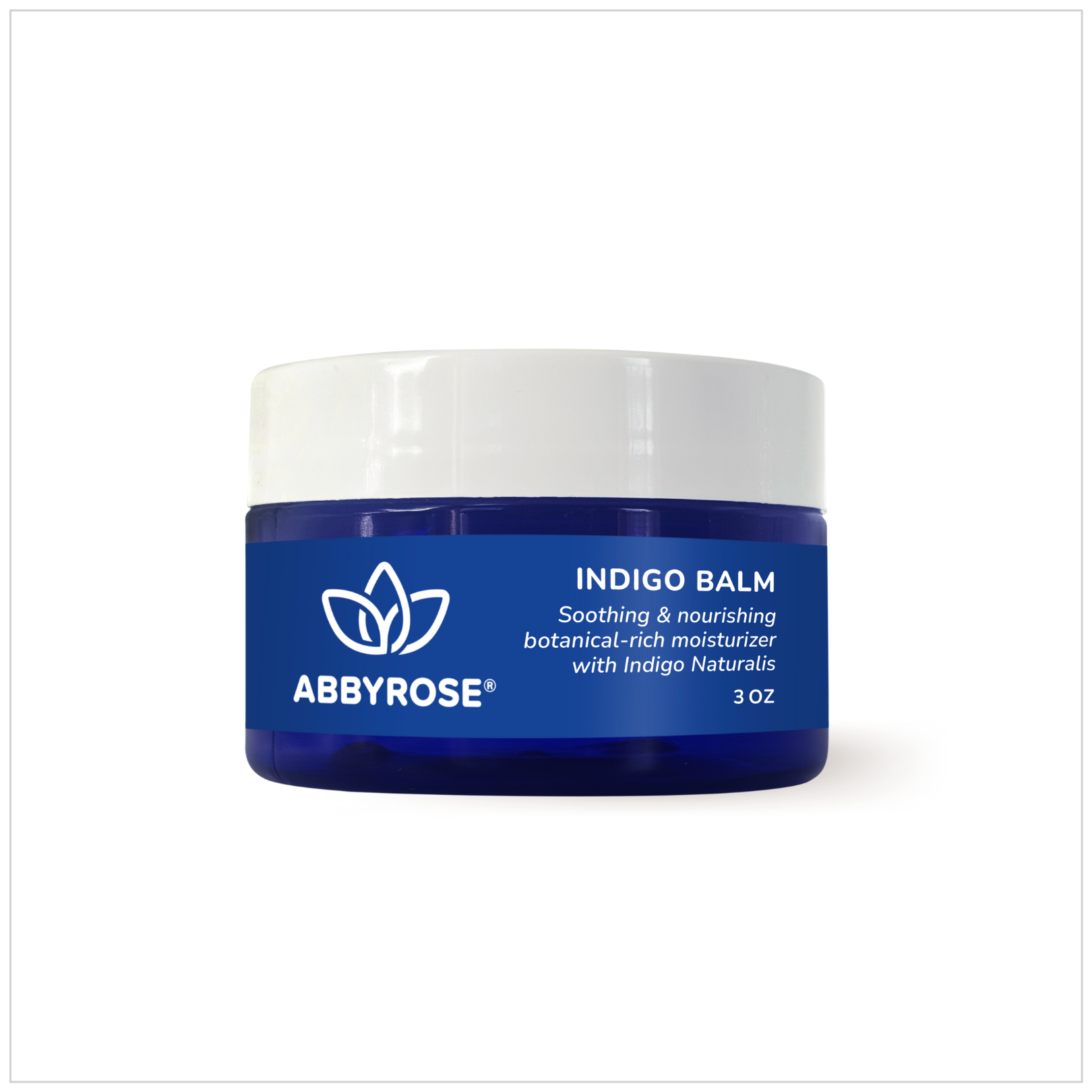
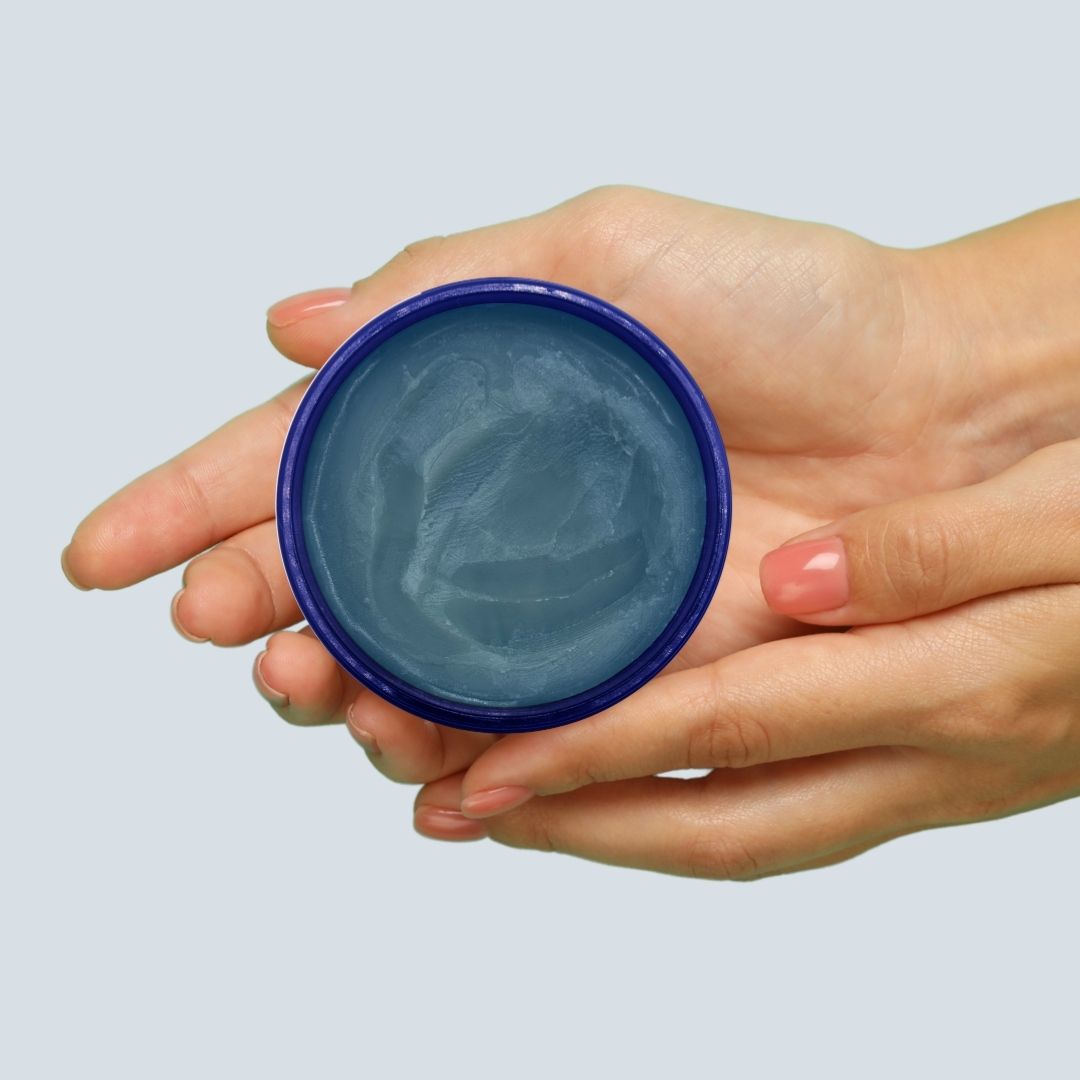
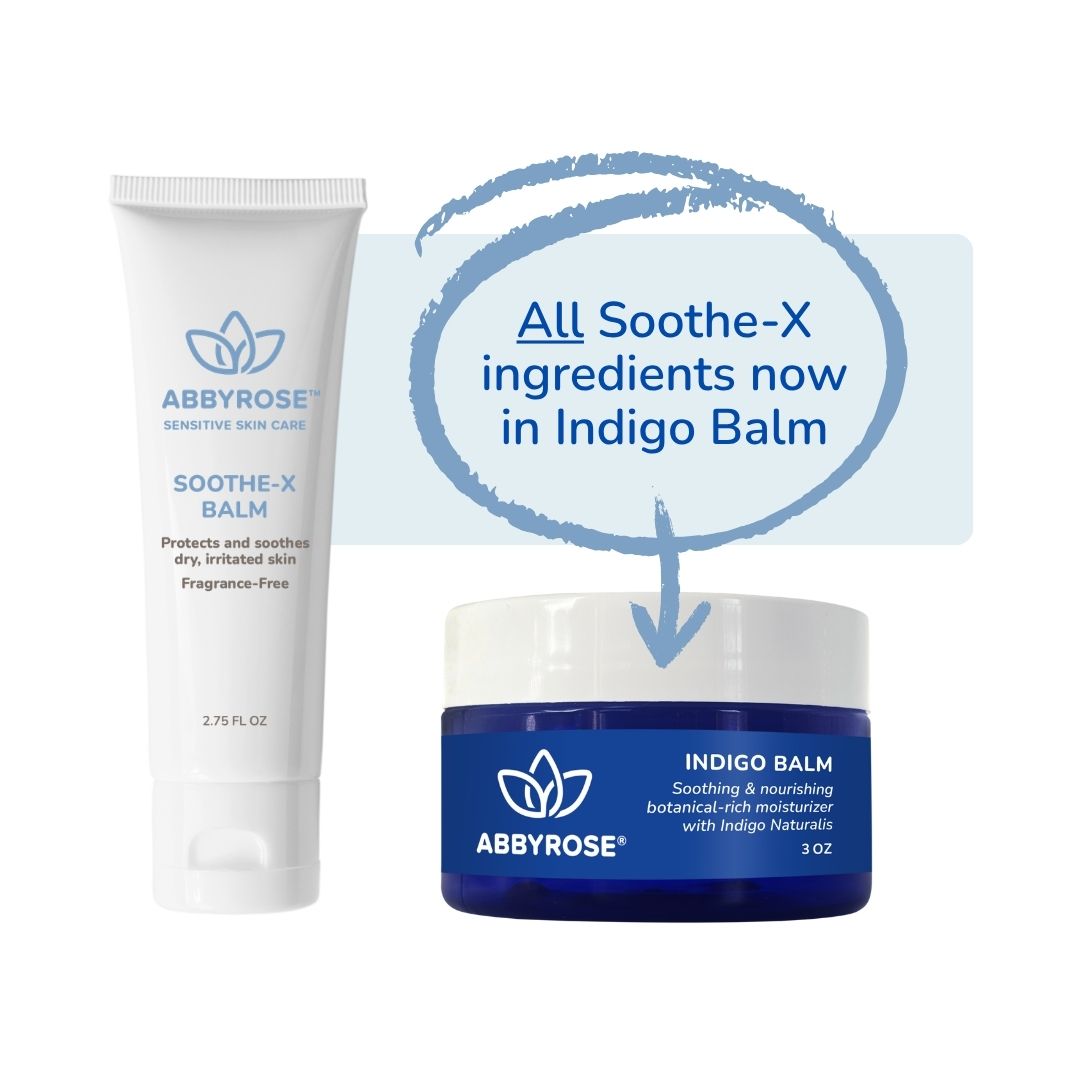
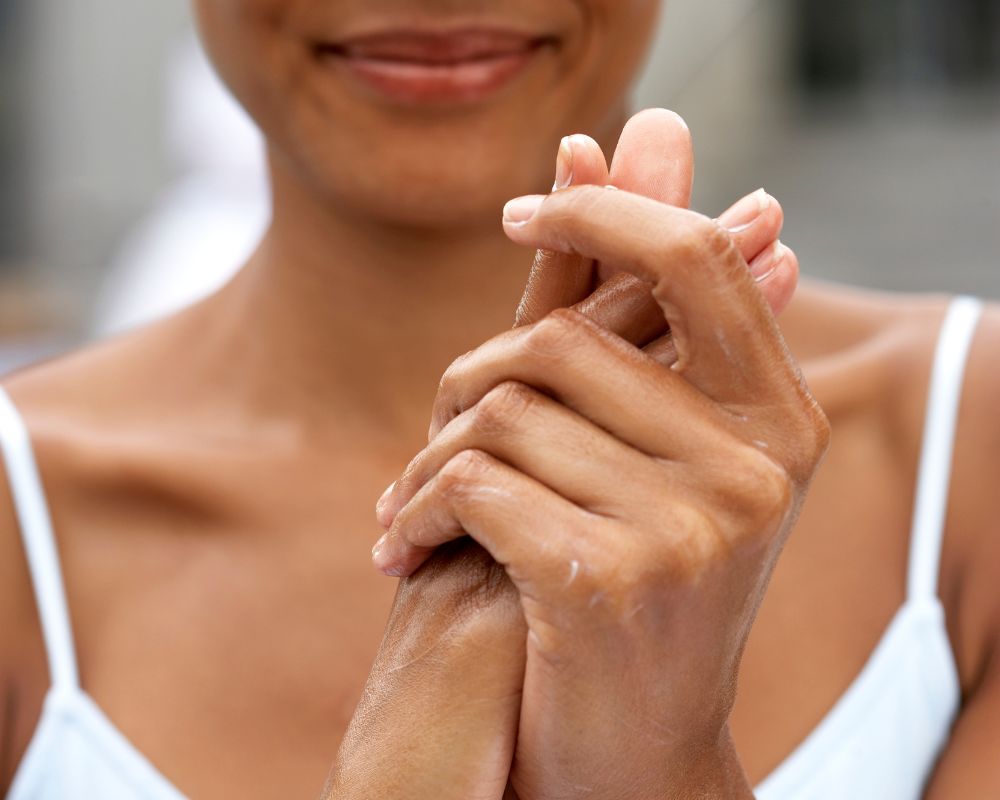
Products like Abby Rose Indigo Balm incorporate shea butter alongside other carefully selected ingredients to enhance these benefits. When applied regularly, especially after bathing while the skin is still slightly damp, such balms help seal in moisture and maintain hydration throughout the day. This routine can significantly improve the skin’s ability to retain moisture and reduce the frequency of flare-ups.
Tips for Use
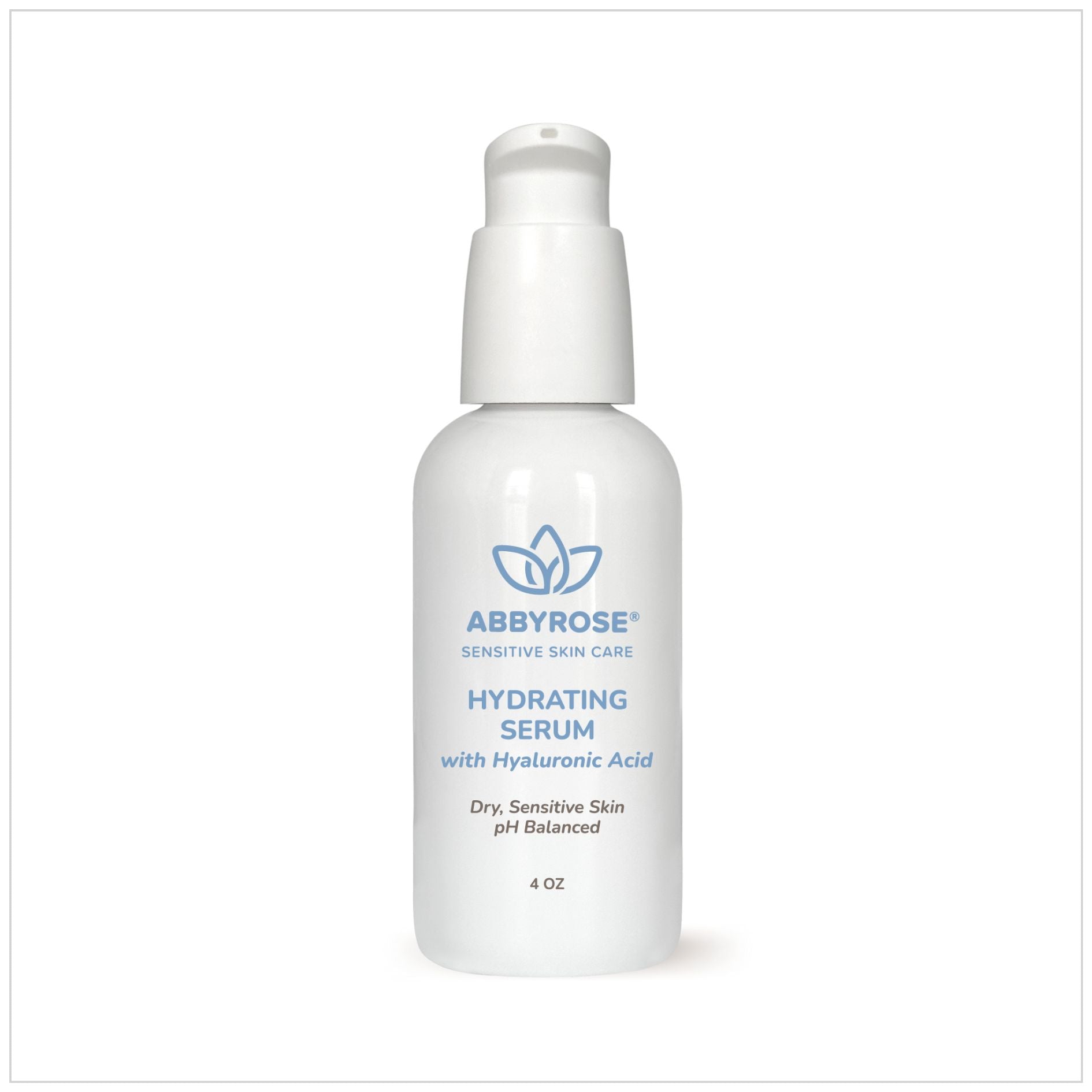
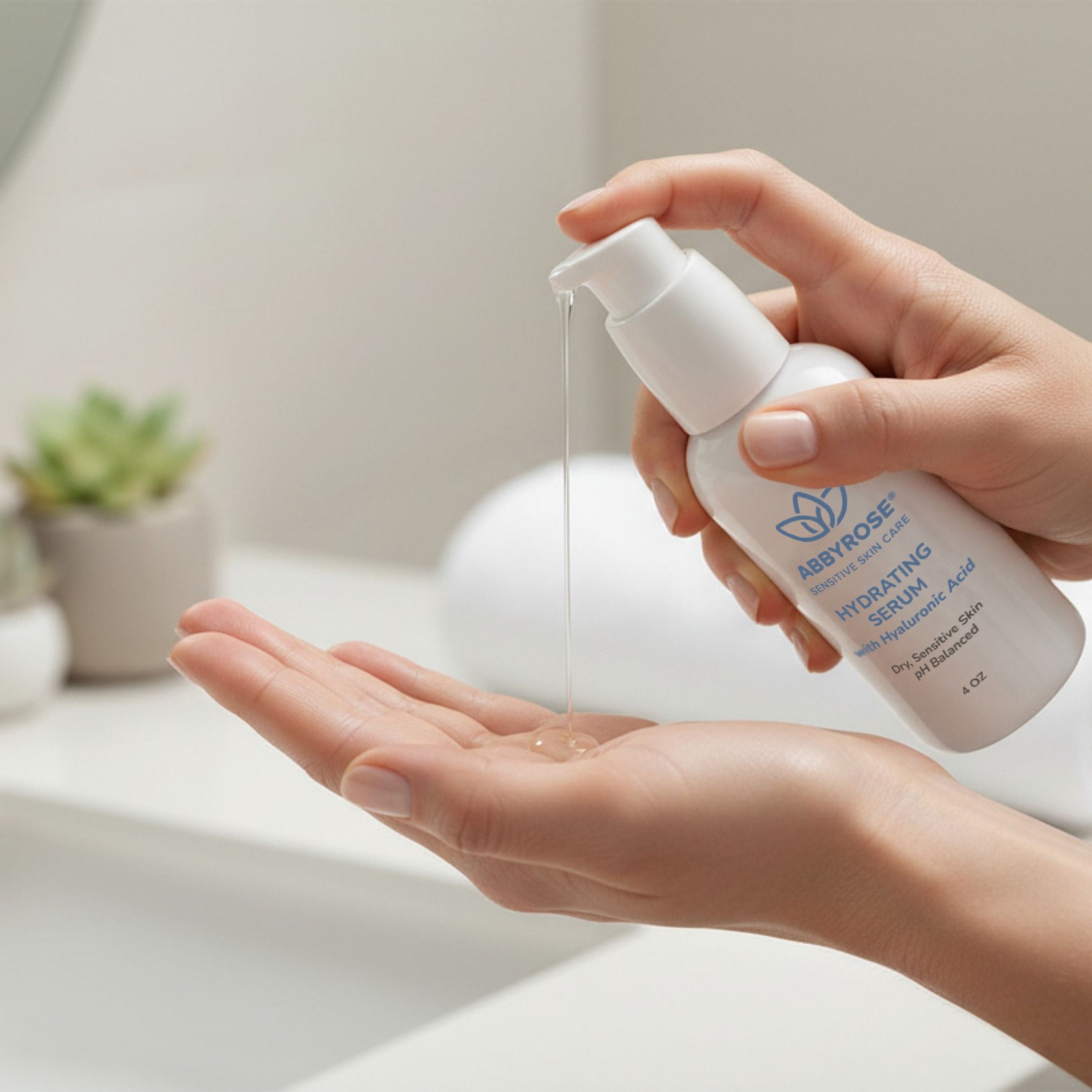
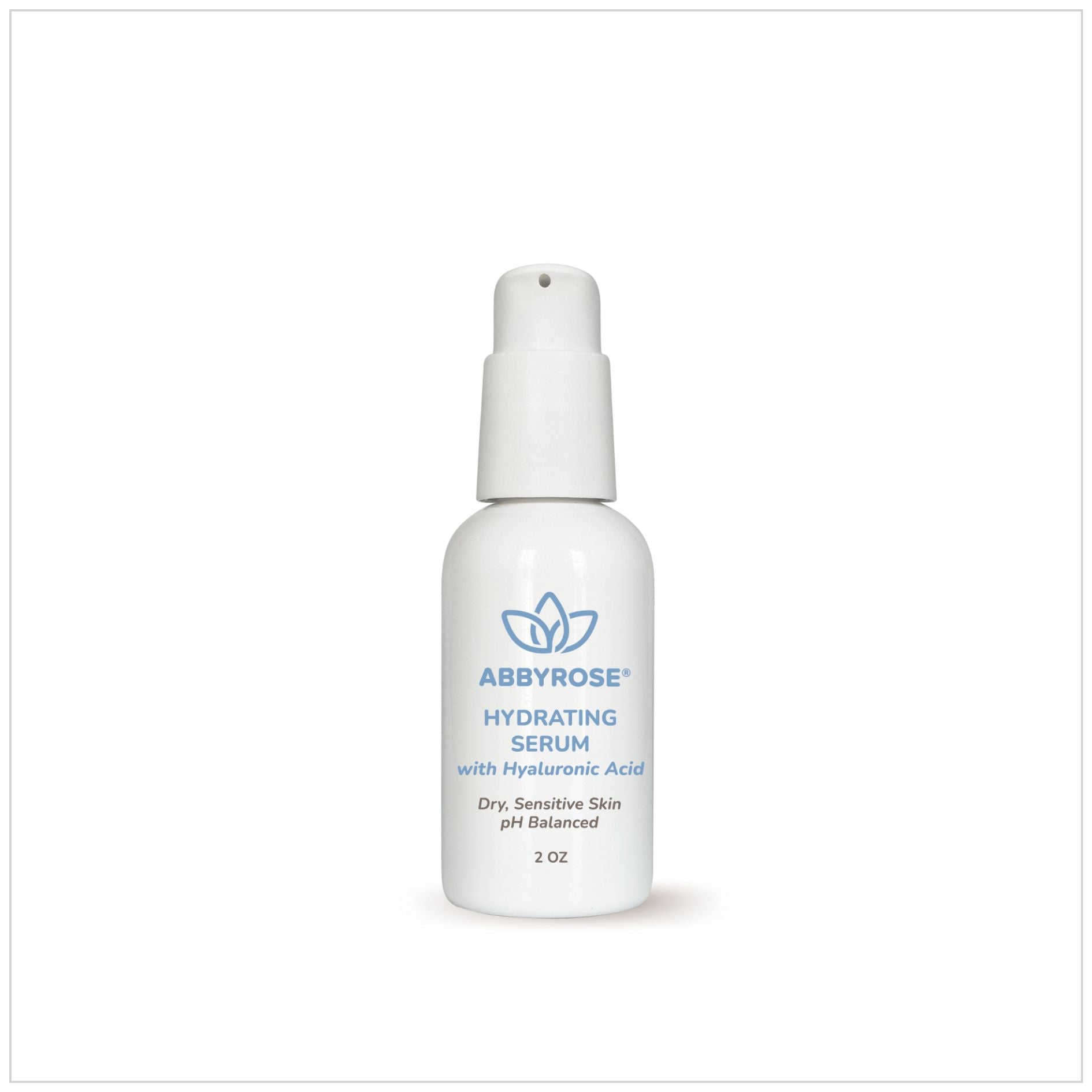
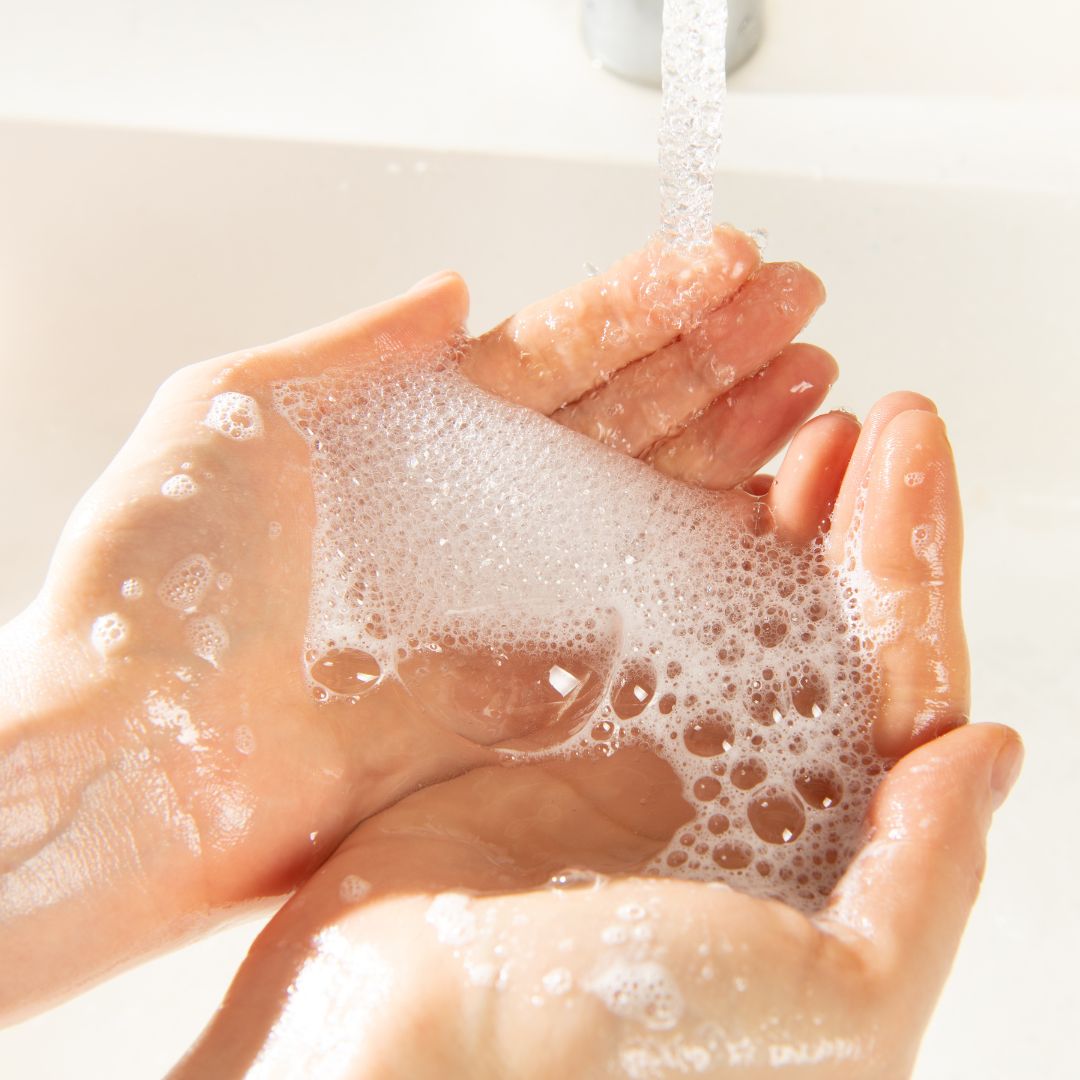
To get the most out of shea butter-based products, apply them to clean, slightly damp skin. This helps trap moisture and enhances absorption. For particularly dry areas, reapplication throughout the day may be beneficial. It is also helpful to first use a water-based serum prior to the balm to add moisture back into the skin. Those with compromised skin barriers due to chronic dryness or eczema may be experiencing transepidermal water loss (TEWL), due to the lack of natural oils to hold water in the skin. This may lead to skin dehydration, so using a product such as, Abby Rose Hydrating Serum first, will help replenish lost hydration prior to applying a balm to seal it in. This two-step routine will lead to calmer and more moisturized skin.
Final Thoughts
Shea butter remains one of the most effective natural ingredients for supporting sensitive and eczema-prone skin. Its ability to deeply moisturize, soothe inflammation, and reinforce the skin barrier makes it a standout choice for anyone seeking a gentle moisturizer for sensitive skin. Whether used on its own or as part of a thoughtfully formulated product like Abby Rose Indigo Balm, shea butter offers a reliable, plant-based solution for healthier, more comfortable skin.