
All soaps are designed to cleanse—removing dirt, oil, and impurities from the skin. But not all soaps are created equal. One key difference lies in whether the soap retains glycerin, a naturally occurring byproduct of the soapmaking process. Understanding how glycerin functions and why it plays an important role in skin health can have a noticeable impact, especially when you’re trying to choose products that are gentle and supportive for easily irritated or delicate skin.
What Is Glycerin?
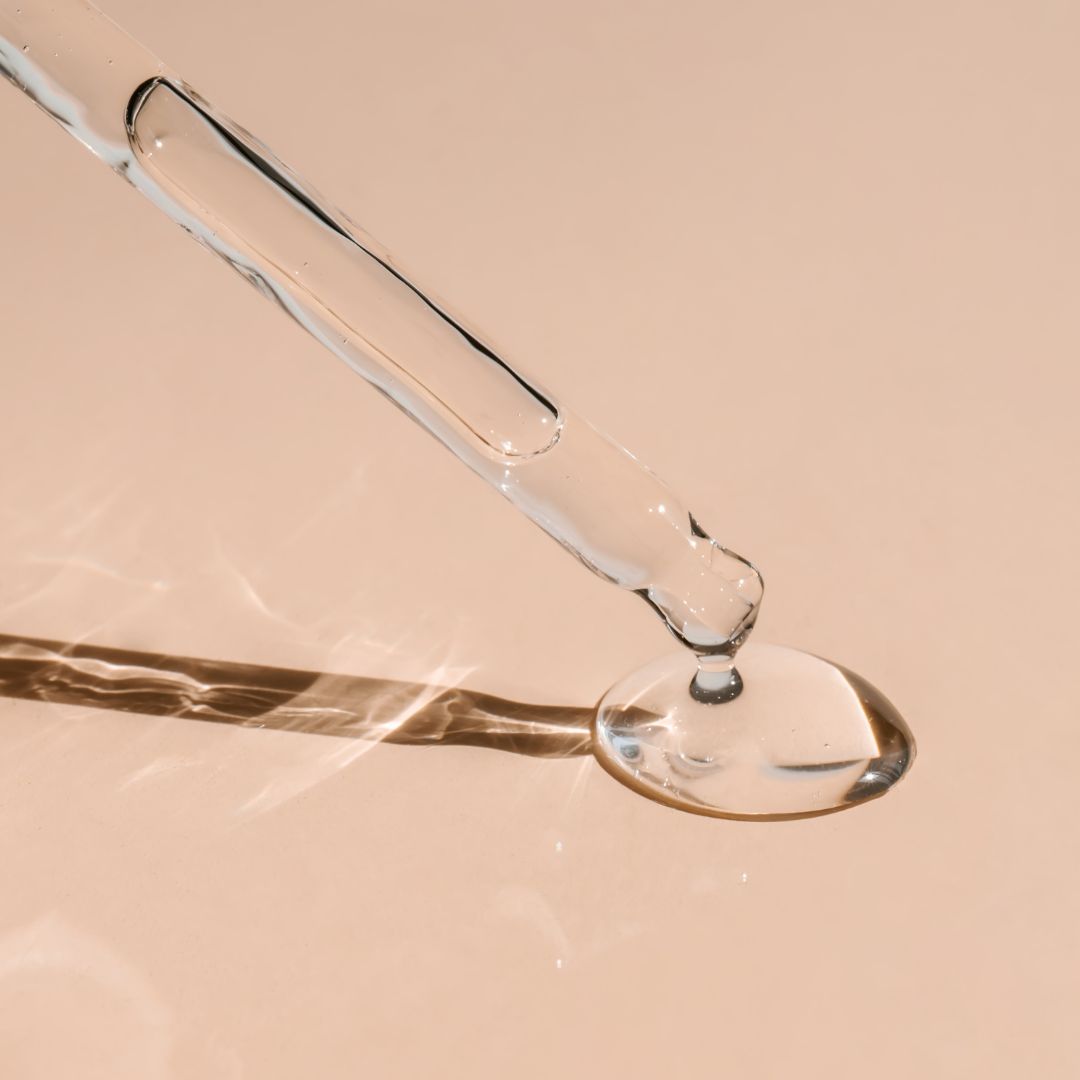
Glycerin is a natural compound formed during the soapmaking process, where oils and fats are turned into soap. It acts as a humectant, meaning it draws moisture from the air into the skin. This helps maintain hydration, leaving skin feeling softer and less stripped of natural oils than a typical grocery store soap.
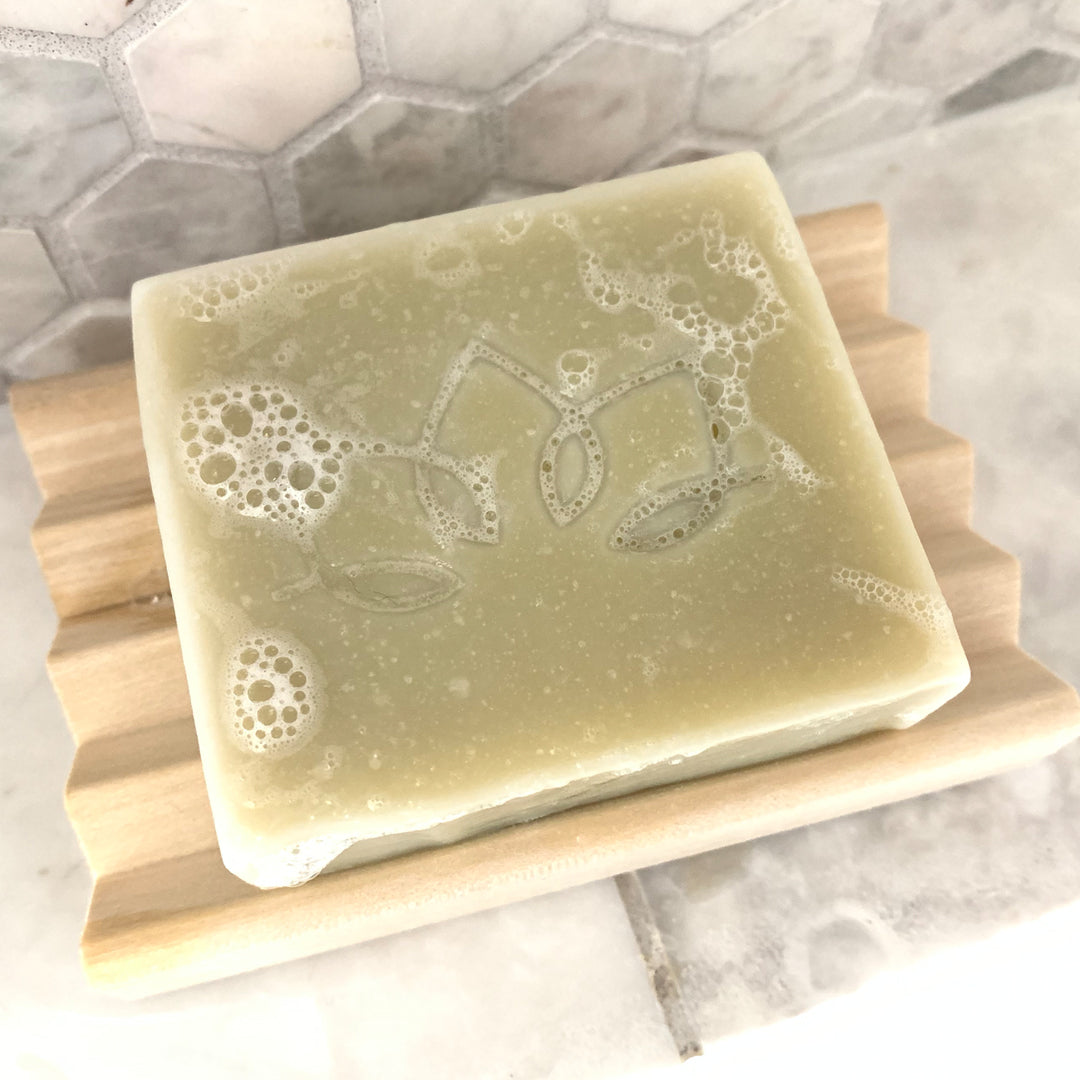
If you’ve ever noticed a bar of soap appearing to “sweat,” that’s glycerin at work. It’s pulling moisture from the surrounding air, forming tiny droplets on the surface. While this might look unusual, it’s actually a sign that the soap is rich in moisture-attracting properties.
Why Do Some Soaps Remove Glycerin?
In many commercial soaps, glycerin is removed during processing. This is often done to extend shelf life, speed up production, or repurpose glycerin for use in other skincare products. While this may benefit manufacturers, it can be less ideal for your skin.
Without glycerin, soap can become harsher and more drying. After washing, skin may feel tight, flaky, or irritated—especially for those already dealing with dryness or sensitivity.
Glycerin Soap vs. Non-Glycerin Soap
Both types of soap will cleanse your skin effectively. The difference lies in how your skin feels afterward.
-
Glycerin-rich soaps help the skin retain moisture
-
Glycerin-free soaps may strip the skin of natural oils, leading to tight and dry skin
For individuals with conditions like eczema, psoriasis, or rosacea, this distinction is even more important. Using soaps without glycerin can aggravate symptoms such as itching, redness, and irritation.
Who Benefits Most from Glycerin Soap?
Glycerin soap is especially beneficial for people with:
-
Sensitive skin
-
Chronically dry or dehydrated skin
-
Eczema or psoriasis
-
Rosacea-prone skin
Because it helps maintain the skin’s moisture barrier, natural glycerin soap is often recommended as part of skincare products for eczema relief. It’s also a smart choice for anyone looking for a natural moisturizer for eczema that won’t irritate delicate skin.
The Benefits of Natural Glycerin Soap
Natural soaps that retain their glycerin content tend to be more skin-friendly overall. Many are formulated without harsh additives like synthetic fragrances, sulfates, dyes, alcohol, or preservatives—all of which can worsen dryness or sensitivity.
Instead, these soaps often include plant-based oils and butters that nourish the skin while cleansing it. The result is a product that not only cleans but also supports healthy, softer skin.
Is Glycerin Soap Better for Dry Skin?
In short—yes. Glycerin soap offers clear advantages for anyone struggling with dryness or sensitivity. Its ability to attract and retain moisture makes it an essential part of maintaining a healthy skin barrier, especially when compared to traditional soaps that can strip the skin.
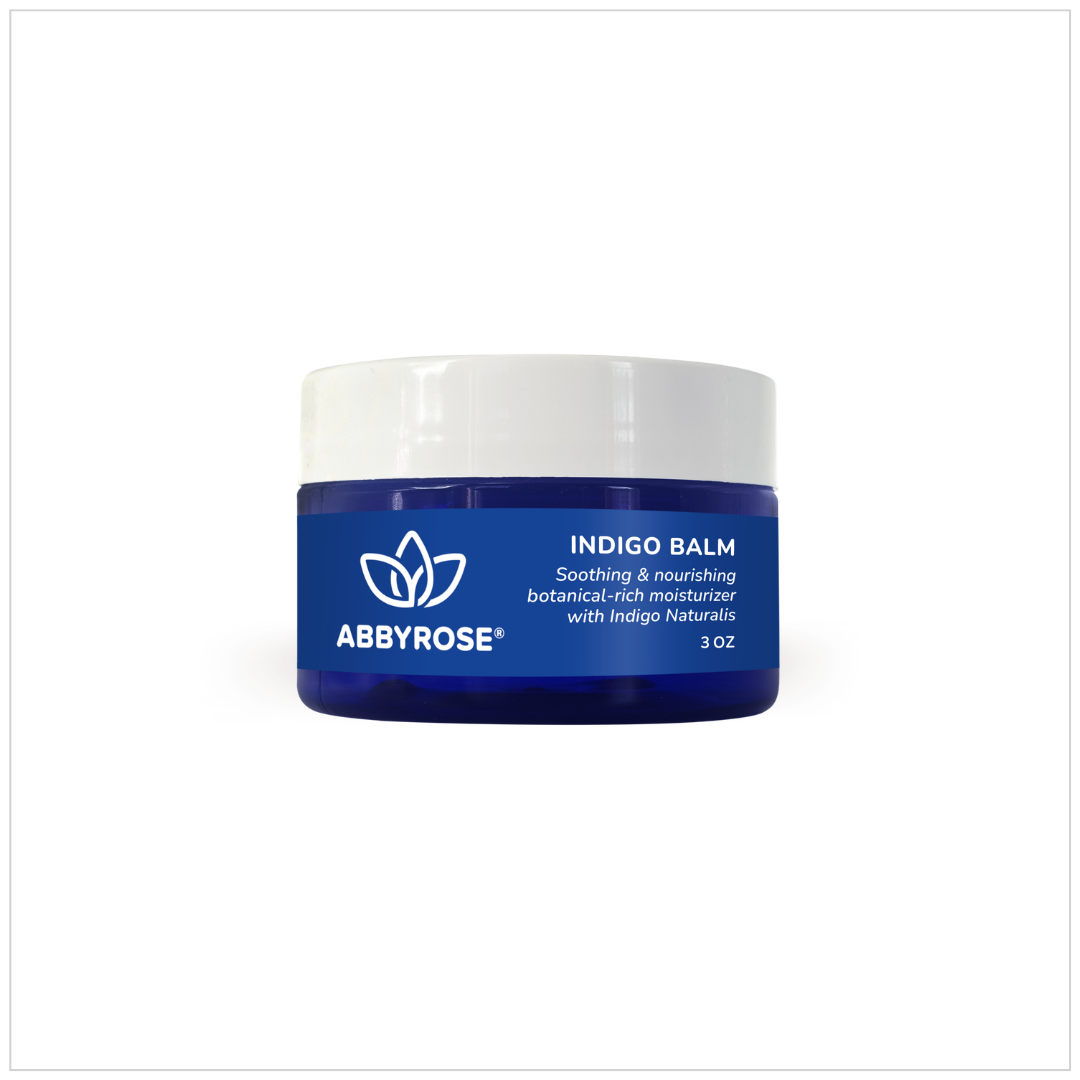
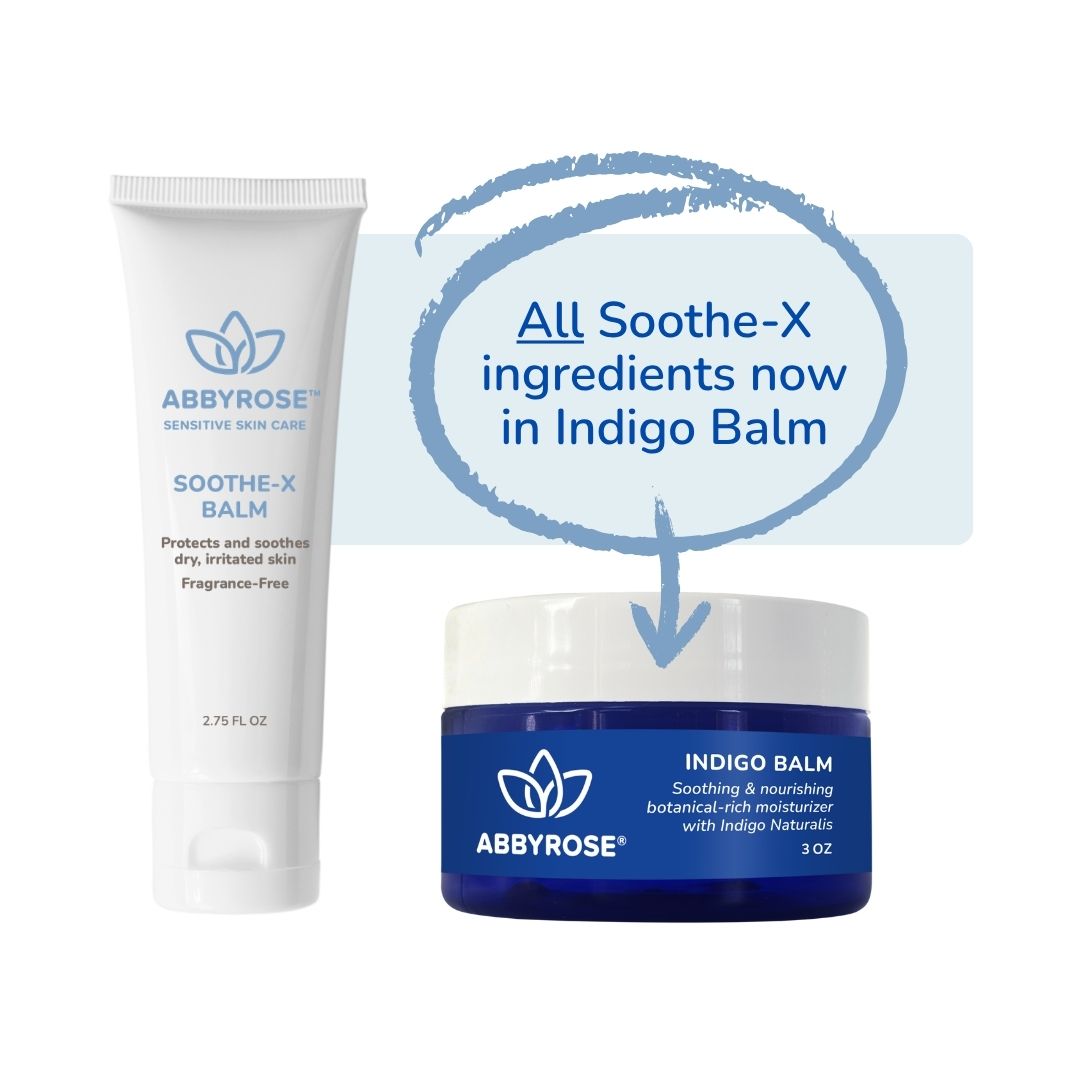
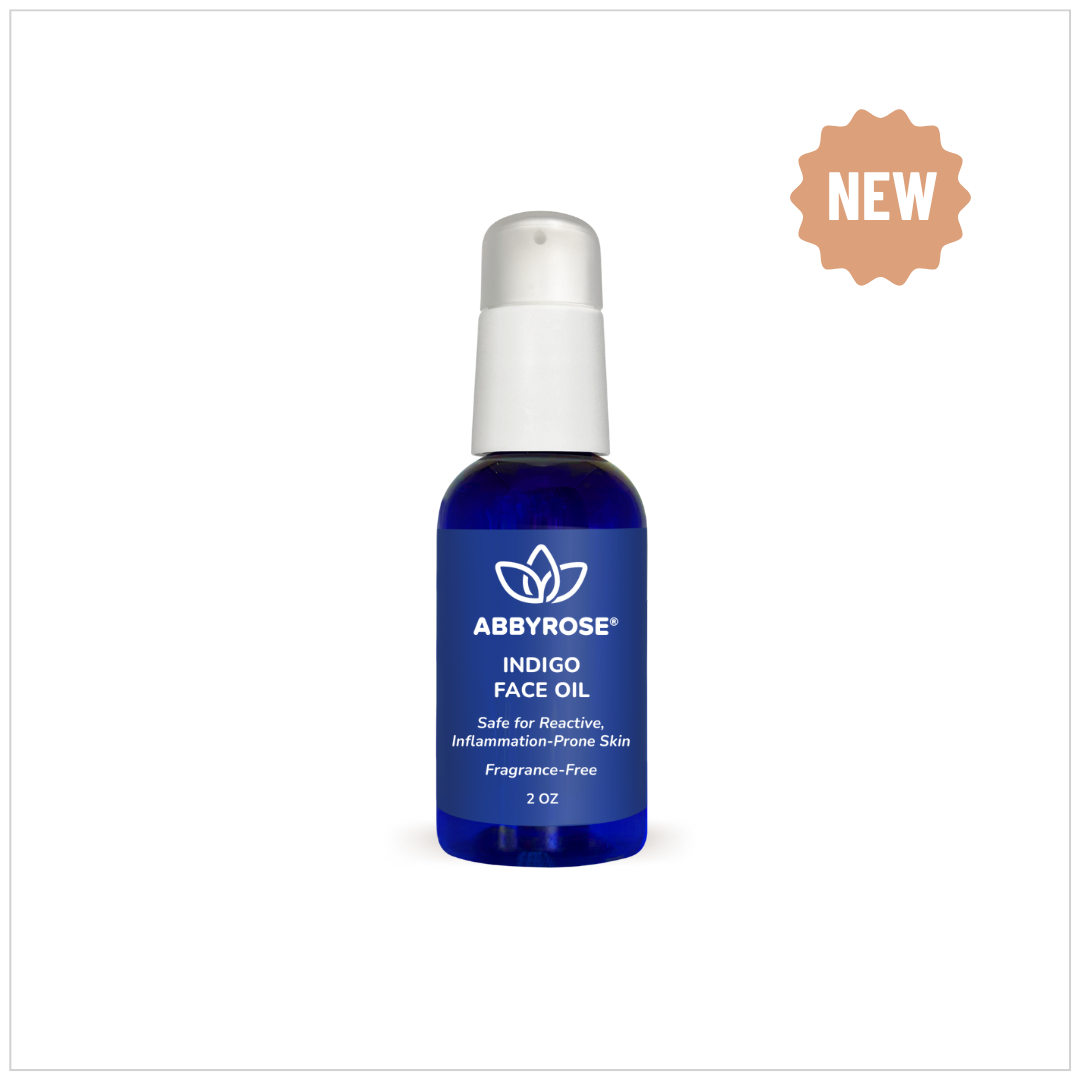
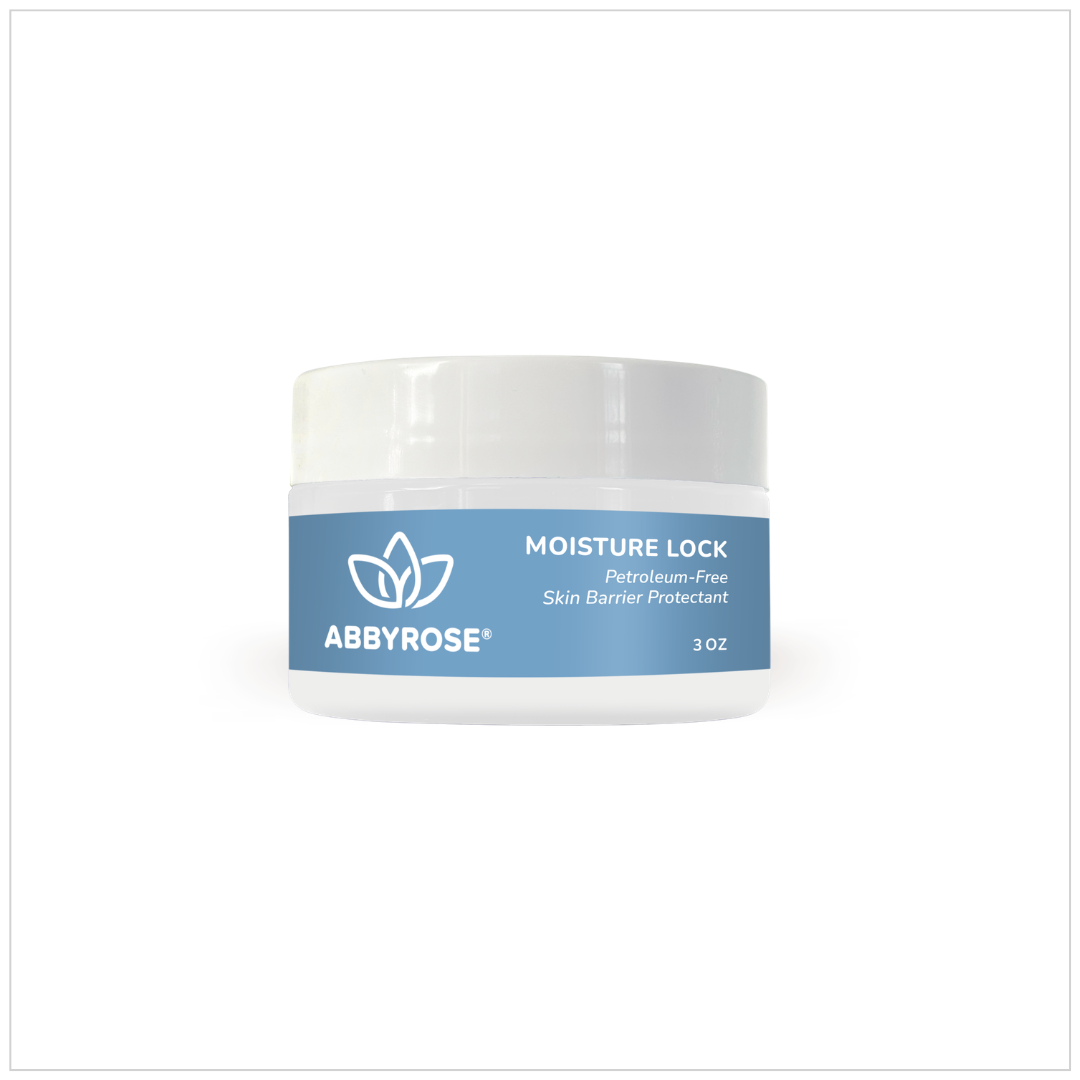
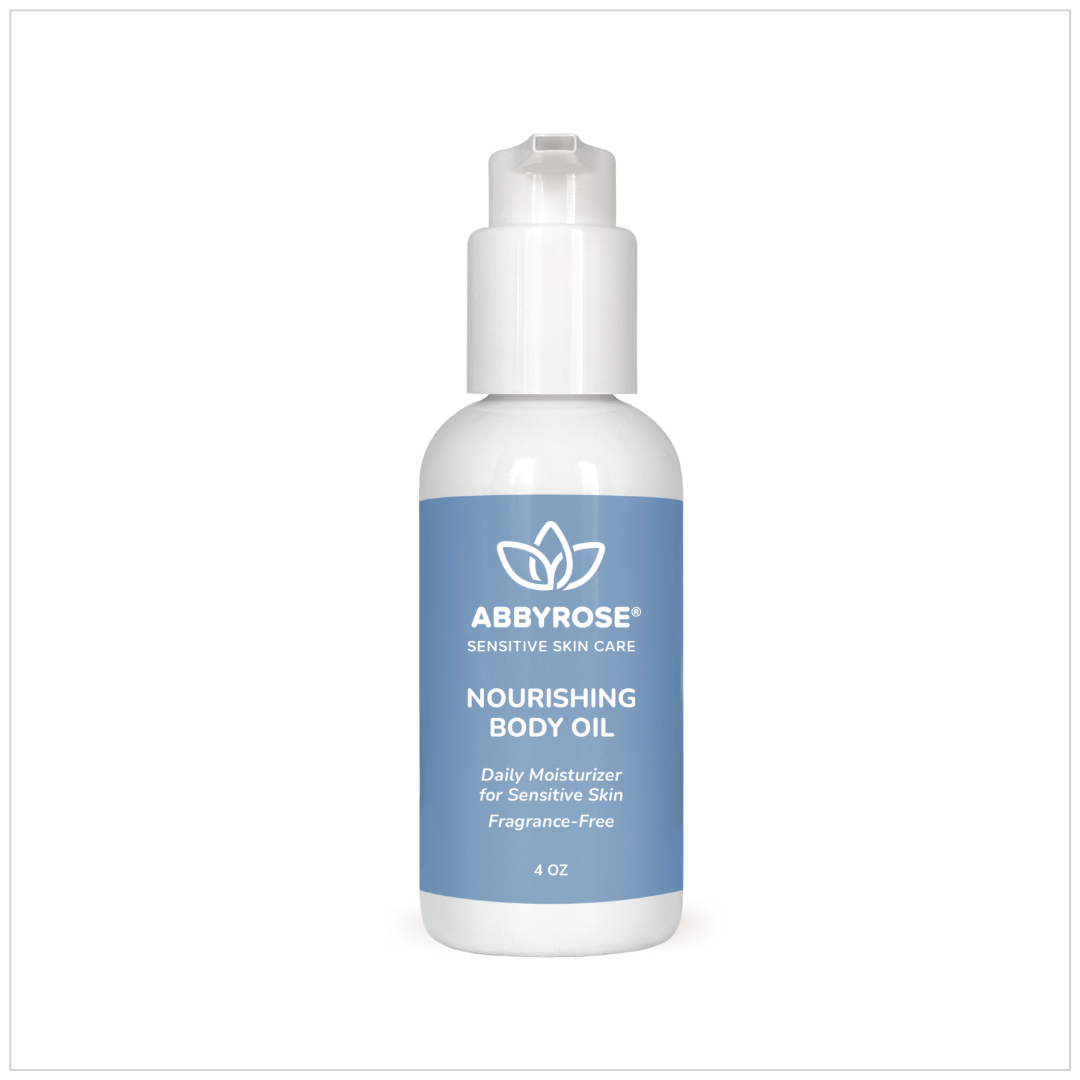
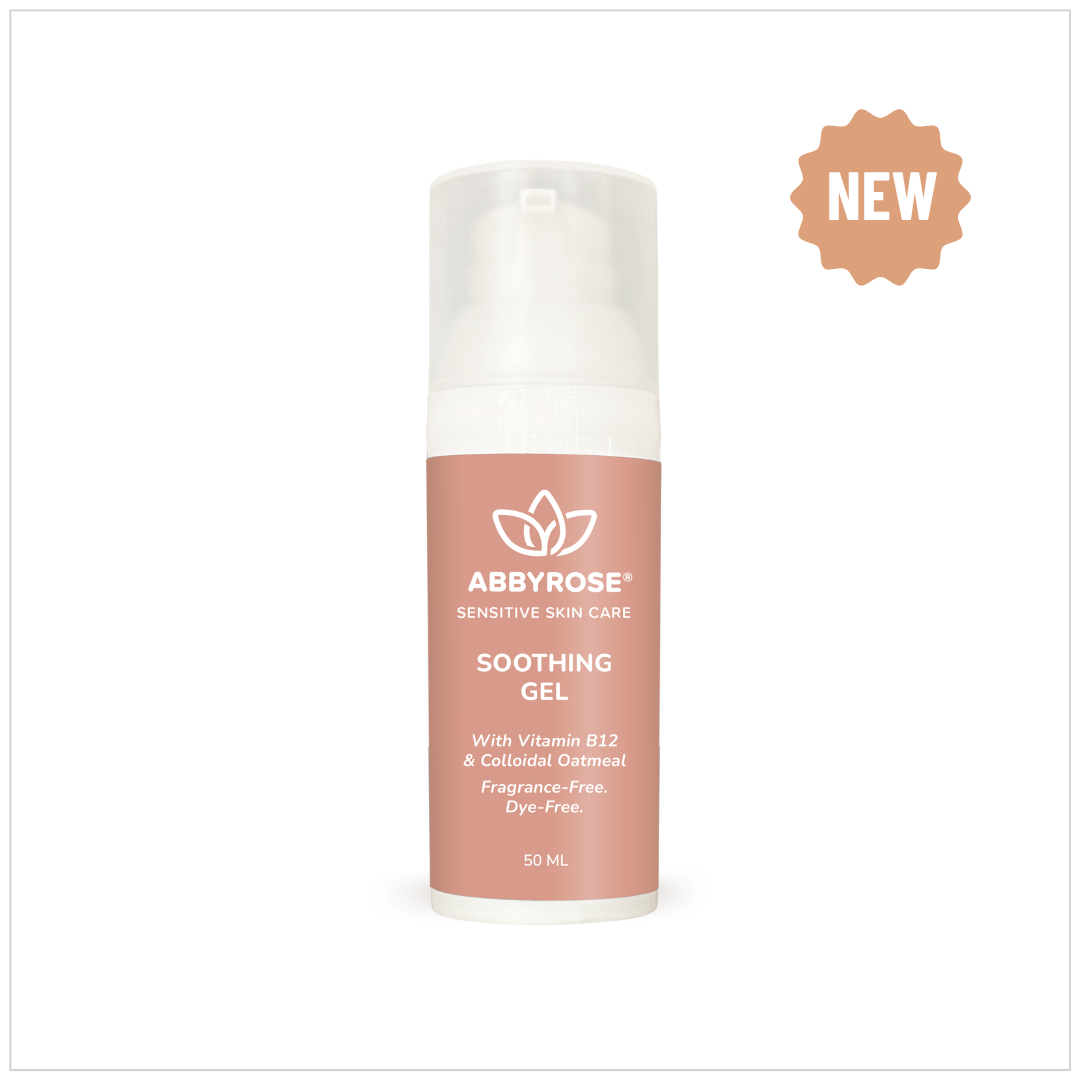
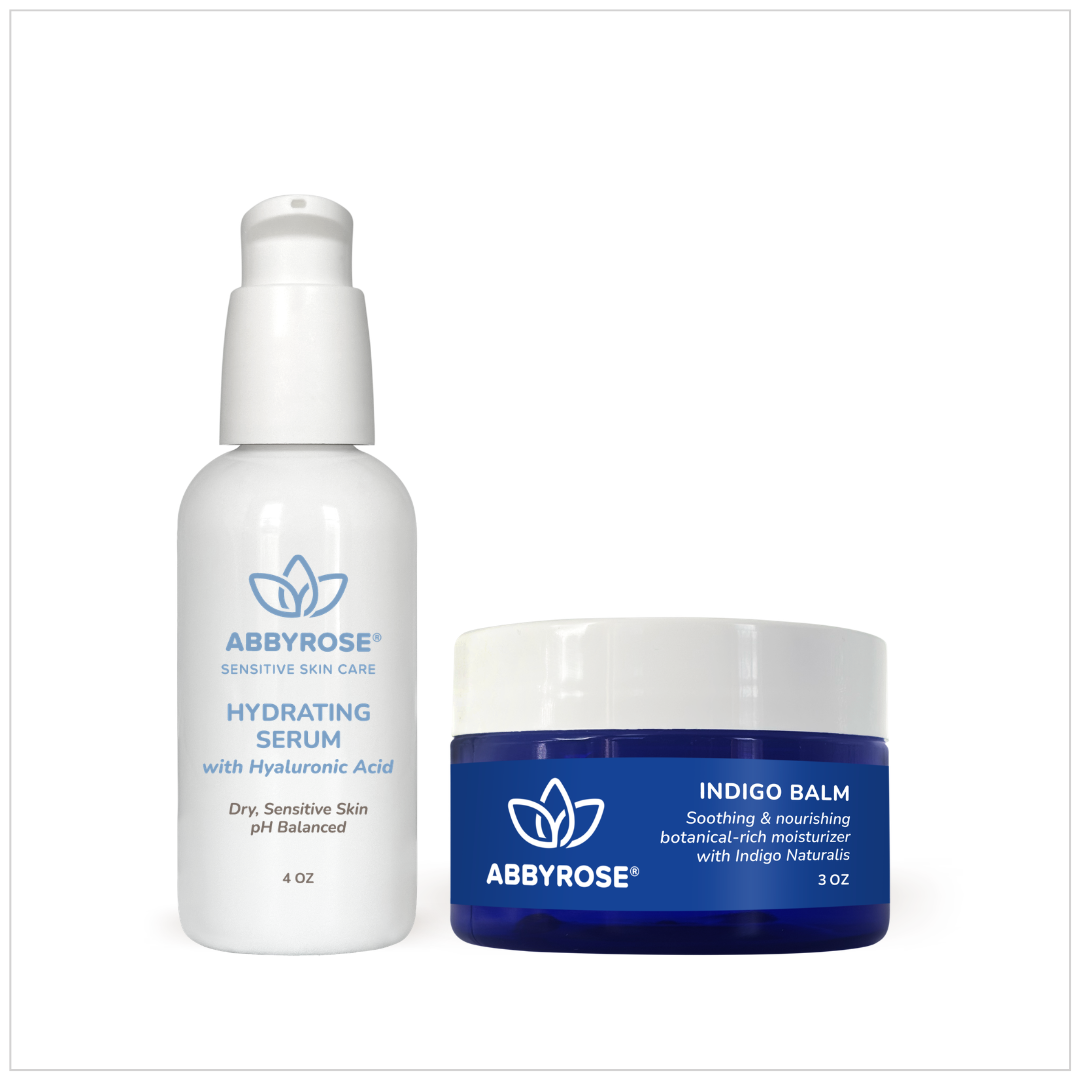
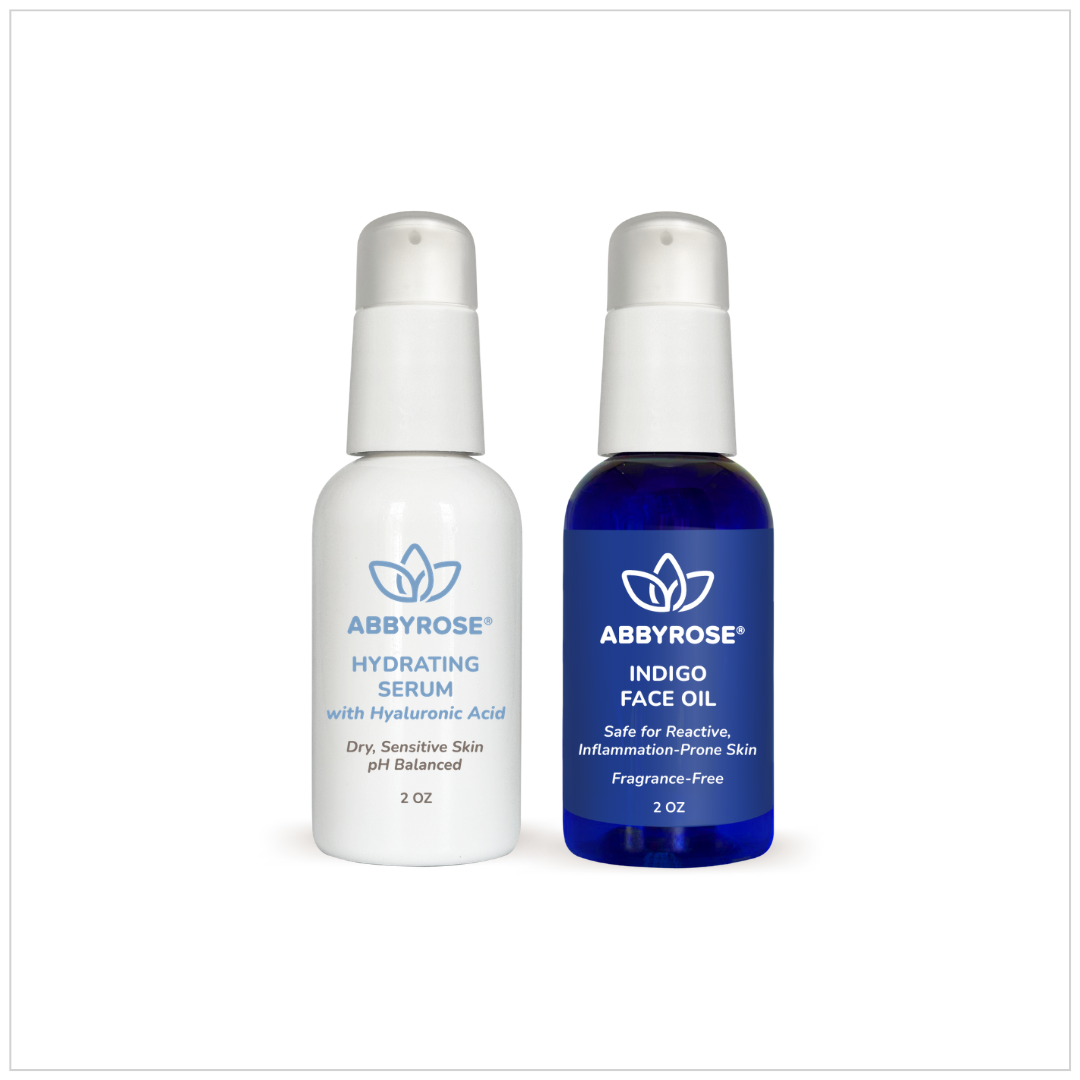
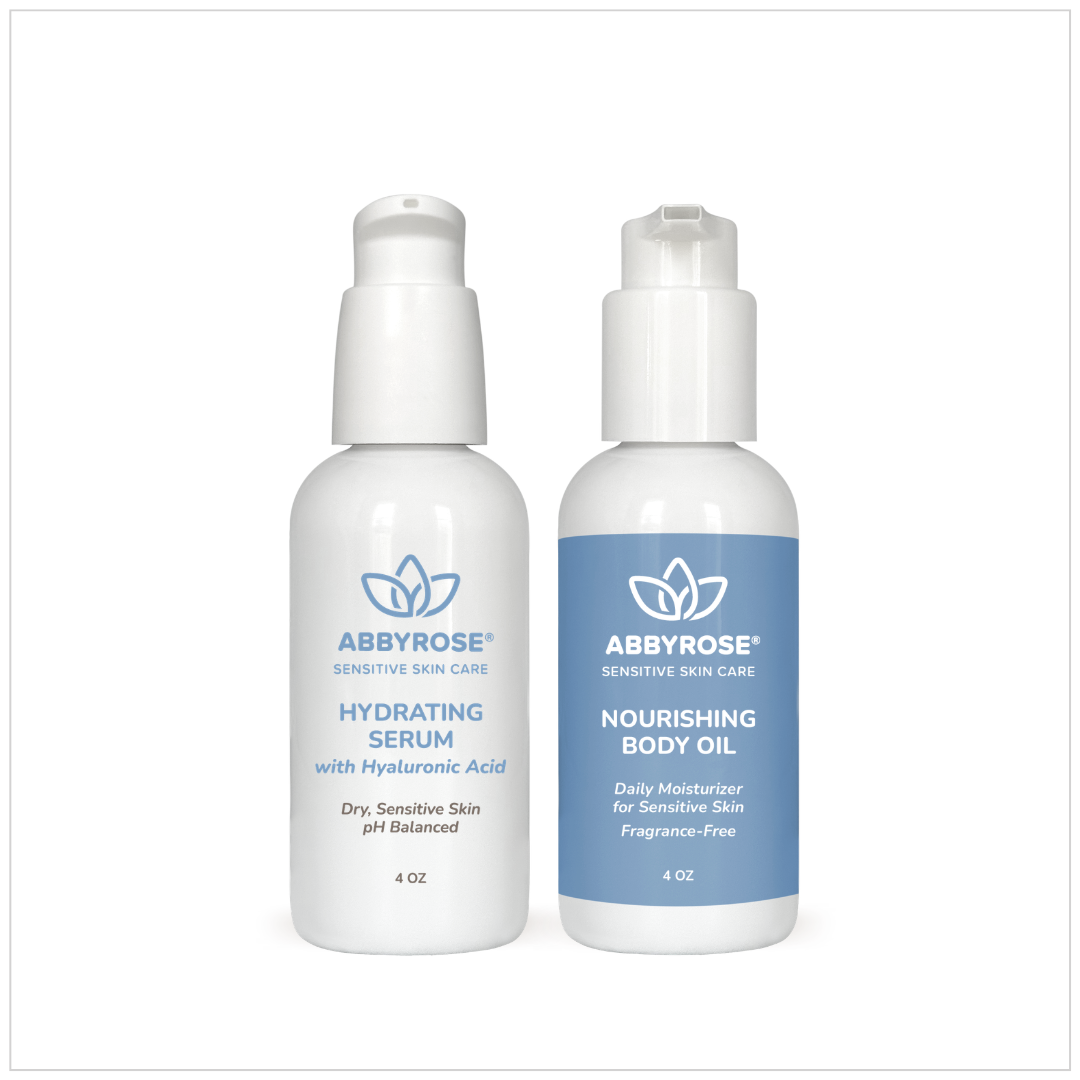
For even better results, pairing glycerin soap with complementary products—like body oils or soothing balms—can help lock in hydration and strengthen the skin barrier. This kind of routine is particularly helpful for those needing gentle skincare that goes beyond cleansing.
Final Thoughts
Choosing the right soap isn’t just about getting clean—it’s about protecting and supporting your skin. Glycerin-rich soaps provide a gentler cleanse that benefits a wide range of skin types, especially those prone to dryness or irritation.
If your current soap leaves your skin feeling tight or uncomfortable, it may be time to switch to a natural bar soap that retains its glycerin so your skin can feel softer, calmer, and more comfortable after every wash.